
Time is the ultimate proof of love. So they say.
If you’ve been together for years, if you share a home, if you’ve built routines and history, that must mean something solid is there. And sometimes it does. But time alone is a weak measurement if nothing meaningful is happening inside it.
But length and depth are not the same thing. The difference becomes obvious when things get hard. Here are 18 wake-up calls worth thinking through if you’ve ever equated years together with real connection.
Comfort Is Not the Same as Connection

It’s easy to confuse comfort with closeness. When you know someone’s schedule, food order, and daily mood swings, it feels intimate. But that kind of familiarity can exist without emotional depth. Two roommates can have it too.
Connection shows up in how you handle stress, conflict, and growth. If conversations stay surface-level and real issues get brushed aside, time won’t magically fix that. Comfort keeps things calm. Connection keeps things alive.
Shared History Doesn’t Guarantee Shared Direction

You can build a decade of memories and still be heading in different directions. Career shifts, personal growth, and changing values don’t pause just because you’ve been together a long time.
If one person evolves and the other stays stuck, tension builds quietly. Shared history can feel like glue, but it doesn’t create alignment. Alignment has to be checked and maintained over time.
Being Busy Together Isn’t the Same as Being Present

Raising kids, managing a household, and juggling careers can make a relationship feel full. There’s always something to do. But being busy side by side doesn’t mean you’re actually present with each other.
Presence shows up in real conversations, not just logistics. If most talks revolve around schedules and responsibilities, emotional connection slowly fades. Time passes, but depth doesn’t increase.
Longevity Can Hide Avoidance

Sometimes a relationship lasts because both people avoid conflict. You don’t fight much, but you also don’t address what really bothers you. On the surface, that looks peaceful.
Underneath, it’s often quiet resentment. Time doesn’t heal unspoken problems. It just gives them more space to grow.
Routine Can Replace Effort

Long-term couples often fall into predictable patterns. Same date spots, same conversations, same weekend rhythm. Routine isn’t bad, but it can replace intentional effort.
Effort is what keeps attraction and respect strong. If no one is trying anymore, the relationship becomes maintenance mode. Maintenance can keep things running, but it rarely makes them better.
Staying Together Isn’t Always the Same as Choosing Each Other

There’s a difference between staying because it’s familiar and staying because you actively choose the person. Time can create a strong sense of obligation.
Choosing each other requires awareness. It means recognizing flaws and still committing with intention. Without that choice, the relationship becomes passive.
Conflict Avoidance Kills Growth

Disagreements are uncomfortable, especially after years together. Many men prefer peace over confrontation. But avoiding conflict limits growth.
Healthy relationships use conflict to improve understanding. If tough conversations never happen, emotional distance slowly increases. Time won’t fix what you refuse to face.
Emotional Neglect Doesn’t Announce Itself

Emotional neglect rarely shows up as a dramatic event. It creeps in through small moments—missed check-ins, dismissed feelings, distracted responses.
Over time, those small gaps widen. One or both partners feel unseen. Years together don’t protect against that. Attention does.
Physical Proximity Isn’t Emotional Intimacy

Living together and sharing a bed doesn’t automatically mean you’re emotionally close. Physical proximity can create the illusion of intimacy.
Emotional intimacy requires vulnerability and honest conversation. Without that, you’re just sharing space. Time in the same room doesn’t equal connection.
Resentment Builds Quietly Over the Years
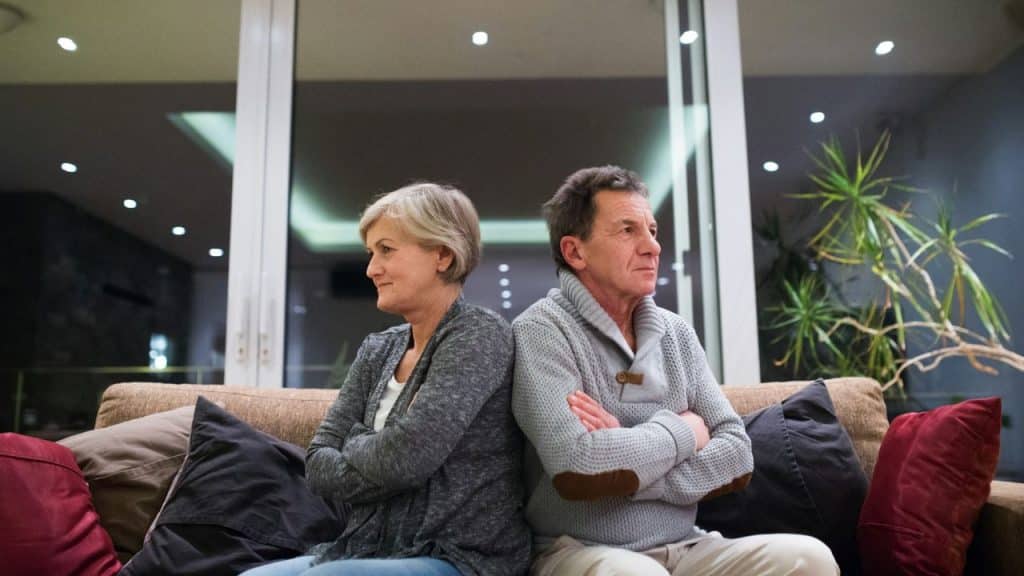
Long-term relationships collect small disappointments. Unmet expectations, uneven effort, broken promises. When these aren’t addressed, resentment stacks up.
It doesn’t explode overnight. It builds slowly, often unnoticed until respect starts fading. Time can either strengthen trust or deepen resentment, depending on how issues are handled.
Growth Isn’t Automatic

Some men assume that being together long enough guarantees maturity and understanding. Growth doesn’t happen by default.
It requires reflection and adjustment. If neither person works on themselves, the relationship stays at the same emotional level it started with. Years pass, but patterns remain.
Commitment Is More Than Endurance

Endurance means staying through hard times. Commitment means actively investing in the relationship even when it’s inconvenient.
You can endure something without improving it. Real commitment includes effort, accountability, and sometimes uncomfortable honesty. Time alone proves endurance, not commitment.
Stability Can Mask Dissatisfaction

From the outside, a stable relationship looks successful. Shared finances, predictable routines, no public drama. But stability doesn’t guarantee fulfillment.
Some couples remain together because the alternative feels riskier. Stability can hide dissatisfaction if no one is willing to question it.
Respect Doesn’t Automatically Deepen With Time

Respect grows from consistent behavior, not just years logged together. If trust is broken repeatedly or boundaries are ignored, respect weakens.
Time doesn’t repair that on its own. Respect has to be rebuilt intentionally. Otherwise, the relationship becomes functional but fragile.
Attraction Requires Maintenance

Attraction isn’t only about looks. It’s tied to energy, ambition, and emotional presence. Over time, it can fade if effort drops.
Men who stop investing in themselves often assume history will carry the relationship. It won’t. Attraction responds to growth, not just longevity.
Love Without Effort Turns Passive

Love can shift from active to passive over the years. Early on, there’s curiosity and initiative. Later, there can be assumption.
Assumption is dangerous. When both people assume love is secure without effort, connection weakens. Time doesn’t replace intentional action.
Shared Responsibilities Don’t Equal Emotional Security

Owning a home together, raising children, or running a business creates strong ties. But shared responsibility is not the same as emotional security.
Emotional security comes from reliability, empathy, and open communication. Responsibilities bind people together, but they don’t guarantee closeness.
Staying Isn’t the Same as Thriving

A relationship can survive for years without truly thriving. Survival focuses on getting through challenges. Thriving focuses on growth and satisfaction.
If the relationship feels more like a contract than a partnership, time isn’t the solution. Real connection requires awareness, effort, and sometimes uncomfortable change. Time matters. Shared years mean something. But time alone is a weak substitute for intention, growth, and real connection.








Ask Me Anything