
Every husband has had that moment where he tries to help and somehow ends up making the situation worse. You walk in thinking you are doing something thoughtful, and a minute later, you are wondering how everything flipped on you. It feels unfair, confusing, and honestly a little ridiculous when you replay it in your head. Marriage has a way of exposing the habits you never knew you had until they blow up at the worst time. These examples will feel familiar, and they will help you avoid the little moves that create big problems.
Jumping In Without Asking

Jumping in without asking often feels supportive in your mind, but it can come across as control in theirs. When you take over too quickly, your partner might think you believe they cannot handle the task, which instantly shifts the mood. The moment turns tense because the intention and the impact do not match. A short pause and a simple question can make you look thoughtful instead of intrusive, and that shift changes everything.
Offering Unsolicited Advice

Giving advice before listening usually lands wrong because the timing is off, not the intention. Your partner might be trying to express frustration or stress, and hearing a solution too early can feel like you are brushing aside what they feel. Most people want understanding before direction, especially during tough moments. When you slow down, listen first, and offer advice only if asked, your help becomes support instead of noise.
Trying to Fix Emotions

Trying to fix emotions can make a difficult moment heavier because feelings are not problems to solve. When you jump into solution mode, it can feel like you are rushing their emotional process. People need space to feel before they can think clearly, and jumping ahead interrupts that. Showing that you can sit with the discomfort while staying present creates more comfort than any fix you can offer.
“Helping” By Doing Everything Yourself

Doing everything yourself sounds helpful, but it often feels like you are quietly rewriting the rules without checking in. Your partner might think you are correcting them or stepping over them instead of teaming up. The gap between intention and impact gets bigger each time this happens, and it leaves both sides feeling misunderstood. Sharing the work and communicating before taking over builds connection instead of resentment.
Bringing Up Past Mistakes While Helping

Bringing up old mistakes while trying to help takes the moment from supportive to defensive in seconds. Your partner stops focusing on the current issue because the past has just been dragged into the room. It derails the conversation and creates a feeling of judgment, even if you meant it in context. Staying rooted in the present keeps the interaction steady and avoids unnecessary tension.
Ignoring the Bigger Picture

Fixating on the small stuff while missing the real issue makes your help feel incomplete. You might tidy a room or adjust a detail, but the actual source of stress is sitting untouched. This mismatch creates frustration because your energy goes to the wrong thing. Slowing down, asking what really matters, and listening closely helps you support the part that actually needs attention.
Making Jokes at the Wrong Time

A joke in the wrong moment feels less like humor and more like dismissal. Your partner might be trying to express something vulnerable, and the joke interrupts the emotional flow. Instead of easing tension, it can add distance between you. Reading the room and choosing empathy first makes your jokes land better when the moment finally lightens.
Assuming You Know Best

Assuming you know best shuts down the teamwork marriage needs. Even if your idea is solid, delivering it with too much confidence can come across as steamrolling instead of helping. Your partner wants input, not dominance, especially when emotions or household decisions are involved. Asking for their perspective before pushing your own creates connection and prevents unnecessary conflict.
Interrupting or Correcting

Interrupting while your partner is talking makes them feel unheard, no matter how good your point is. Correcting too quickly can have the same effect because it signals that you are listening to fix, not to understand. The conversation becomes tense before either of you realizes it. Letting them finish helps them feel respected and makes your input more welcome.
Being Impatient

Rushing to the finish line makes your partner feel like the problem is an inconvenience rather than something you care about. When you get impatient, the pressure in the room rises, and the conversation becomes rushed instead of supportive. It sends the message that efficiency matters more than connection. Taking a breath and slowing your pace shows that you are in it with them, not speeding past them.
Helping Only to Show Off Skills

When your help is fueled by the desire to show how capable you are, it shifts the focus away from what your partner needs. The task becomes a performance instead of teamwork, and your partner might feel overshadowed. This creates quite a tension because it does not feel like shared support. Offering help with humility strengthens a partnership far more than trying to impress.
Comparing to Other Couples

Comparing your relationship to someone else’s rarely makes anything better. Your partner may hear it as criticism, even if you meant it as a harmless example. It introduces insecurity where clarity is needed. Focusing on your own relationship keeps things grounded and prevents comparisons that only create distance.
Doing a Task the “Right” Way
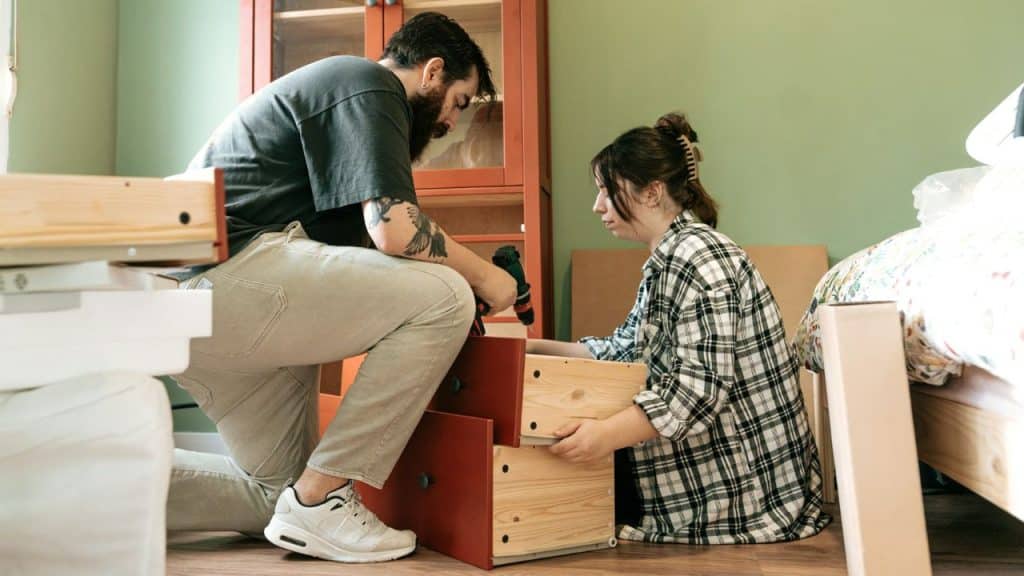
Telling your partner the correct way to do something makes the moment feel like a lesson instead of cooperation. Instead of feeling helped, they feel graded. That creates tension over something that should be simple. Accepting different approaches makes the partnership feel like a team rather than a competition.
Offering Help as Criticism

How you offer help determines how it is received, and the smallest hint of criticism can completely change the tone. If your wording sounds like you are pointing out a mistake, the conversation shifts into defense mode instantly. It becomes an argument instead of support. Framing your help gently keeps things steady and respectful.
Overcomplicating Simple Tasks

Turning an easy job into a grand project usually creates more chaos than comfort. Your partner might just want something quick and simple, not a full overhaul. When you expand the task, the stress grows and the benefit disappears. Keeping things straightforward respects their time and prevents unnecessary tension.
Forgetting Emotional Labor

Emotional labor is invisible but heavy, and ignoring it makes your partner feel alone in the responsibility. You might handle physical tasks, but miss the planning and mental energy that support the household. That gap becomes tiring for them over time. Recognizing emotional work and sharing it shows maturity and awareness.
Stepping In Without Follow-Up

Helping once and walking away leaves your partner holding the loose ends. It creates the impression that your support is temporary or incomplete, which can be frustrating. Consistency matters more than a one-time effort. When you follow through, your help feels dependable instead of unfinished.








Ask Me Anything