
Many husbands are not “bad men,” and many marriages are not “doomed.” Often, the relationship is struggling because a few repeated behaviours slowly drain connection. These behaviours can be easy to miss because they feel normal, practical, or justified. Over time, though, they create emotional distance, resentment, and a sense of being alone inside the marriage. The goal is not to attack husbands, but to highlight common mistakes that are fixable. When these patterns change, many marriages improve faster than people expect.
Assuming Providing Is the Same as Emotional Presence

Providing matters, but it does not replace emotional connection. Many husbands focus on work, finances, and stability and assume that equals love. A wife may appreciate the effort and still feel lonely. Emotional presence includes attention, curiosity, affection, and reassurance. Without it, the marriage starts to feel like a business arrangement. Being present is not about talking all day, it is about being available when it matters.
Waiting Until She’s Upset to Take Issues Seriously

Many husbands underestimate small complaints until they become a blowup. By the time anger is visible, frustration has usually been building for a long time. This creates a dynamic where a wife feels unheard unless she escalates. The husband then feels blindsided and accused. Problems are easier to solve early than late. Taking small concerns seriously prevents big resentment.
Treating Her Feelings Like Problems to Fix

Some husbands respond to emotion by immediately offering solutions. Many wives want validation first, not a strategy. Fixing can feel like dismissal when the real need is empathy. A better approach is asking what she needs at the moment. Emotional support is often more powerful than advice. When feelings are treated like inconveniences, closeness drops.
Being Defensively “Logical” During Emotional Conversations

Logic is useful, but it becomes harmful when it is used to avoid empathy. Some husbands debate details while missing the emotional point. This makes a wife feel like she is on trial instead of being heard. “Facts” can be used as a shield against accountability. Emotional conversations require humility and presence, not courtroom energy. Understanding matters more than winning.
Letting Small Disrespect Become Normal

Disrespect is not only yelling or insults. It is also sarcasm, eye-rolling, dismissive tone, and constant correction. Over time, small disrespect creates emotional defensiveness and kills attraction. Many husbands do not realise how quickly tone changes the relationship climate. Respect is a daily behaviour, not an occasional gesture. A wife can tolerate stress more than disrespect.
Ignoring the Mental Load and Only Helping When Asked

Helping is good, but it is not the same as sharing responsibility. The mental load includes planning, remembering, scheduling, and anticipating needs. When a husband only helps after being asked, the wife still carries the management burden. This often creates resentment because it feels like parenting, not partnership. Initiative is what reduces the mental load. Shared planning is a form of love.
Treating Bedroom Activities Like the Only Form of Intimacy

Bedroom activity matters, but intimacy is broader than just what couples do in the bedroom. Many wives need emotional closeness to feel open to physical closeness. If affection is only in the bedroom, it can feel transactional. Simple touches, warmth, and connection protect the bond. When intimacy becomes pressured, desire often drops. Emotional safety often improves physical connection too.
Neglecting Small Romance Because “We’re Married Now”

Marriage should not end effort, it should deepen it. Many husbands stop dating their wives and assume routine is enough. The relationship then starts feeling like roommates. Small romance keeps attraction alive: planning time, complimenting, initiating fun, and showing thoughtfulness. Romance does not need to be expensive, just consistent. Consistency beats grand gestures.
Not Repairing After Conflict, Then Acting Like It’s Fine

Some husbands reset quickly and assume the argument is over. Many wives need repair to feel emotionally safe again. Without repair, pain stays in the relationship and changes how future conversations feel. Repair can be simple: a sincere apology, a check-in, and a small plan. Avoiding repair teaches a wife that her hurt does not matter. Repair is leadership, not weakness.
Prioritising Comfort Over Growth

Comfort feels good in the short term, but growth protects the marriage long term. Some husbands avoid uncomfortable conversations, therapy, or habit changes because it feels like criticism. The wife then feels like she is carrying the relationship alone. Growth is not admitting failure, it is protecting what matters. Refusing growth creates hopelessness. Hope is built through effort.
Failing to Set Boundaries With Family or Friends

A marriage needs loyalty in small moments, not only major crises. If family members disrespect a wife and the husband stays silent, she feels unprotected. If friends are prioritised constantly, she feels secondary. Boundaries are not aggression, they are protection. A husband can love his family while still defending his marriage. Strong boundaries create safety.
Letting Phones and Screens Replace Connection

Phones steal attention in quiet, constant ways. Couples feel close when they feel chosen over distractions. When a husband is always half-present, a wife often feels lonely even in the same room. Small boundaries around meals, bedtime, and conversations can create big improvements. Attention is a form of love. Presence rebuilds intimacy.
Assuming She Will Always Stay No Matter What

Security is good, but entitlement destroys love. Some husbands get complacent and stop protecting the relationship. A wife may stay physically while emotionally detaching. People do not leave suddenly; they leave after long periods of feeling unseen. Commitment should increase effort, not reduce it. A marriage stays strong when both partners act like it matters.
A Quick Reset That Works in Real Life

A practical reset is choosing one habit to improve for the next 30 days. It could be a daily check-in, proactive help, or a weekly date plan. Small consistent changes often create fast emotional relief. The goal is not perfection, but proof of effort. When a wife sees real change, tension often drops quickly. Change should be observable, not promised.
What Wives Usually Want Most From a Husband
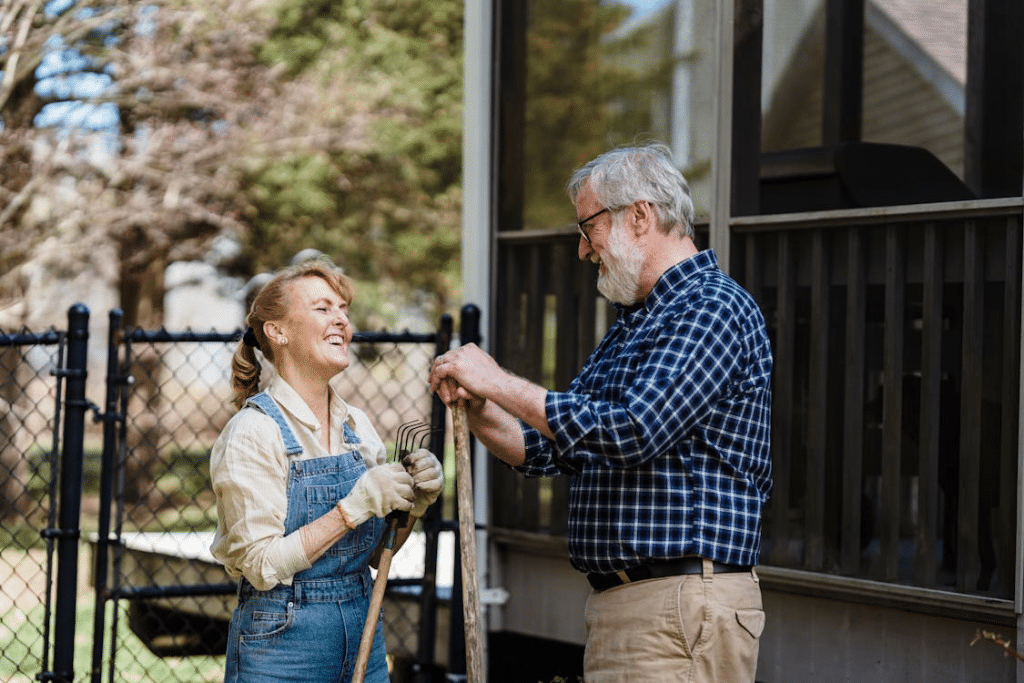
Many wives want emotional safety, partnership, and consistency. They want to feel like their husband is on their side, not just sharing a house. This includes respect in tone, effort in planning, and willingness to repair after conflict. It also includes being seen as a person, not just a role. When these needs are met, many wives become softer and more affectionate.
How Husbands Can Improve Without Losing Themselves

Improving does not require becoming someone else. It requires small upgrades in awareness, communication, and follow-through. A husband can keep his personality while improving habits like listening, initiating, and apologising well. Growth is strength, not weakness, because it protects the relationship. When improvement is framed as leadership, it becomes easier to do. The goal is partnership, not self-erasure.
The 10-Minute Daily Habit That Prevents Most Drift

A simple habit is ten minutes of undistracted time every day with no agenda. No phones, no chores, no problem-solving, just presence and attention. This keeps small emotional connection alive even during exhausting weeks. It also reduces the feeling of being roommates. Many couples do not need more therapy, they need more attention. Ten minutes sounds small, but consistency makes it powerful.
The Two-Question Weekly Check-In That Reduces Resentment

Once a week, ask two questions: “What made you feel loved this week?” and “What felt heavy for you this week?” These questions create clarity without turning into a fight. They also give both partners a way to request change early, before anger builds. The goal is not to debate feelings, but to understand and adjust. When this becomes routine, conflict becomes less explosive and more solvable.
Most Problems Are Fixable When Patterns Change

Most husbands are not failing, they are repeating habits that quietly weaken closeness. These mistakes are common, which also means they are learnable and fixable. Small consistent changes create bigger results than rare dramatic apologies. A marriage stays strong when emotional presence, respect, and teamwork become daily standards. The best time to fix these patterns is before resentment hardens. Love becomes easier when both people feel valued on purpose.








Ask Me Anything