
When a husband emotionally checks out of a marriage, it rarely happens overnight. It’s usually the result of years of unresolved tension, unmet needs, and quiet disappointment that never fully surfaced. By the time most people notice, the emotional withdrawal is already well underway.
What makes this stage especially dangerous is that it can look deceptively calm on the outside. There may be fewer arguments, fewer complaints, and fewer emotional reactions—but that silence often signals resignation, not peace. If you’re paying close attention, the signs are unmistakable.
1. He Stops Arguing Altogether

One of the clearest signs a husband has checked out is that he no longer argues—even when something genuinely matters. Arguments require emotional investment, and when that investment is gone, so is the fight. Instead of pushing back, he shrugs, agrees, or simply disengages. This isn’t maturity; it’s emotional detachment. When a man no longer believes his voice will make a difference, he saves his energy by staying quiet. If this is happening, the solution isn’t to provoke him into a fight, but to create a safe space where he feels heard without consequences.
2. He Becomes Emotionally Flat

Checked-out husbands often develop a neutral, almost numb emotional tone at home. Joy, frustration, excitement, and sadness all start to look the same. This emotional flattening is a defense mechanism—feeling nothing hurts less than feeling constantly disappointed. You might notice conversations feel transactional rather than connective. To address this, focus less on “fixing” emotions and more on rebuilding emotional safety. Small, consistent moments of curiosity and appreciation can slowly reopen the door.
3. He Stops Initiating Conversations

When a husband checks out, he no longer initiates meaningful conversations about the relationship, the future, or even daily life. Communication becomes reactive rather than proactive. This often happens after repeated attempts to connect were dismissed or minimized. Over time, he learns that silence is easier than trying again. If you want to reverse this pattern, resist the urge to interrogate. Instead, invite conversation gently and respond without criticism when he does open up.
4. He Focuses Heavily on Work or Hobbies
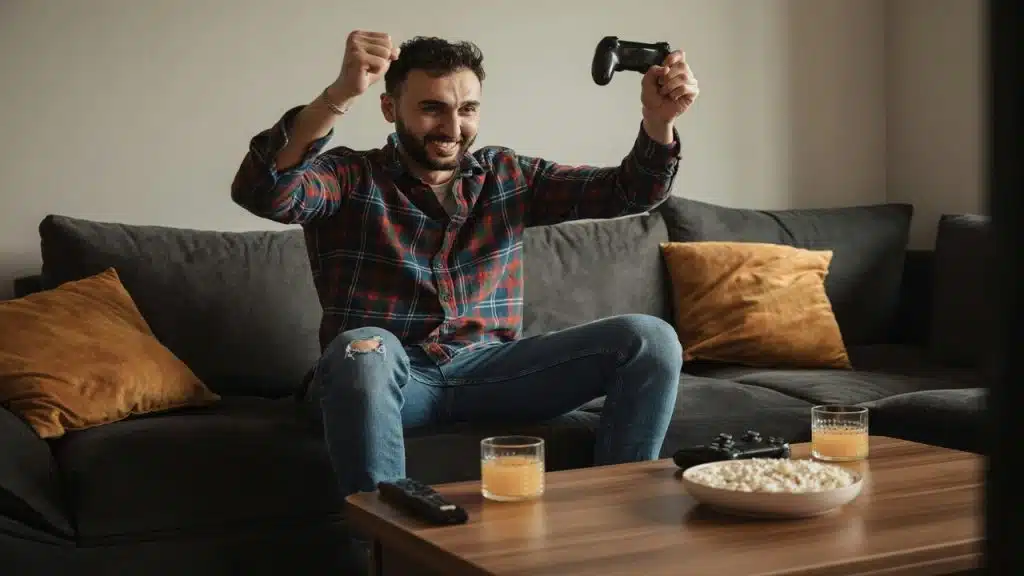
A checked-out husband often redirects his emotional energy into work, fitness, gaming, or hobbies. These areas provide a sense of control and accomplishment that feels absent at home. It’s not always about avoiding family—it’s about finding a place where effort leads to visible results. If this shift feels sudden or extreme, it’s worth addressing without accusation. Ask what those activities give him emotionally, and listen carefully to what’s missing in the relationship.
5. He Stops Making Long-Term Plans
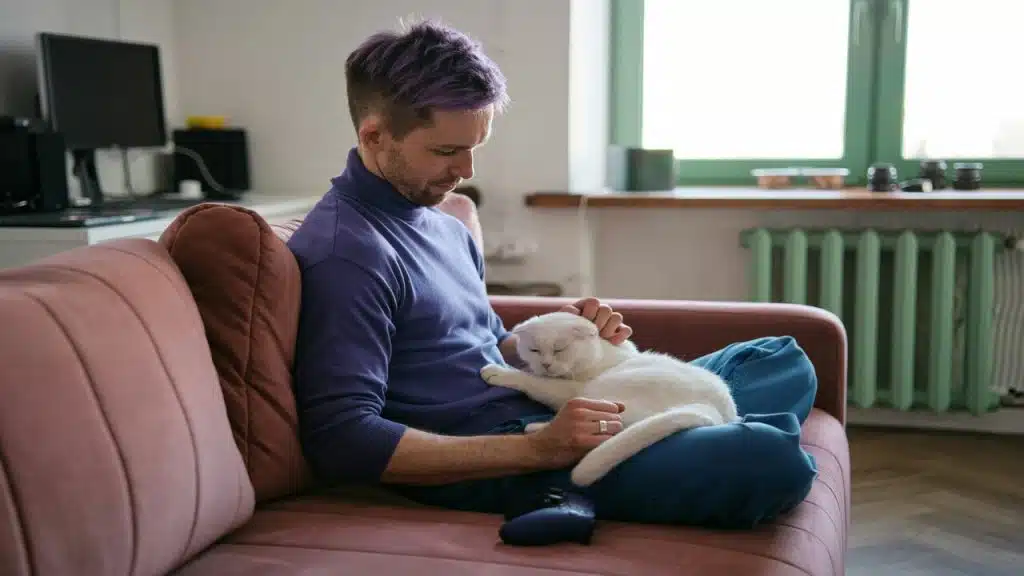
When a man has emotionally exited a marriage, future planning feels pointless. He may dodge conversations about vacations, renovations, or retirement. This hesitation often signals uncertainty about whether the relationship will last. Rather than pushing for reassurance, focus on rebuilding trust in the present. Consistency, reliability, and emotional follow-through matter more than grand promises right now.
6. He Becomes Indifferent to Conflict Resolution
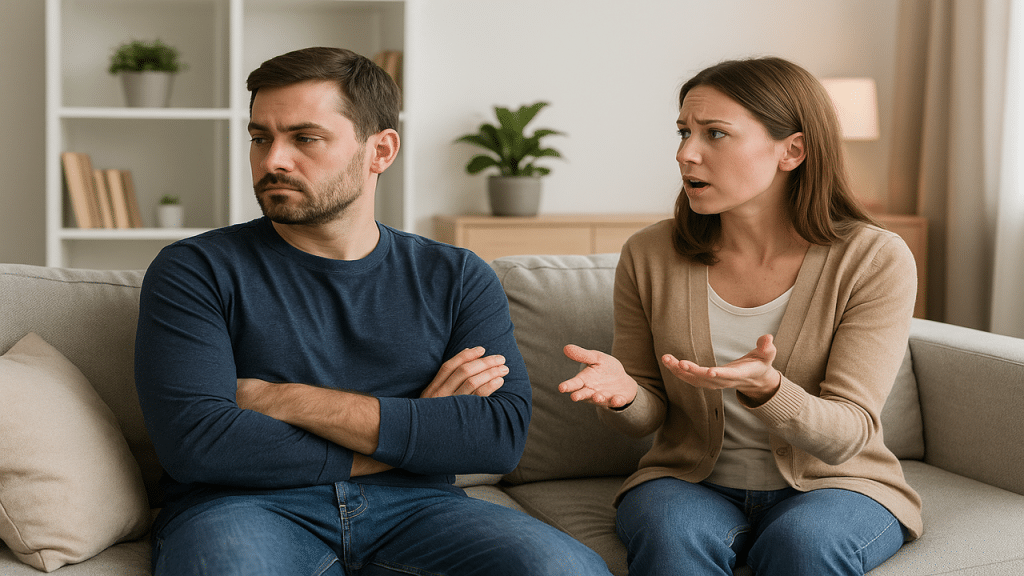
Checked-out husbands often stop caring whether conflicts are resolved. They’ll say things like, “Do whatever you want,” not out of kindness, but resignation. This indifference is dangerous because it signals emotional withdrawal, not compromise. If this is happening, avoid taking control as a win. Instead, pause and address the emotional distance directly, before indifference hardens into permanence.
7. He Pulls Back Physically
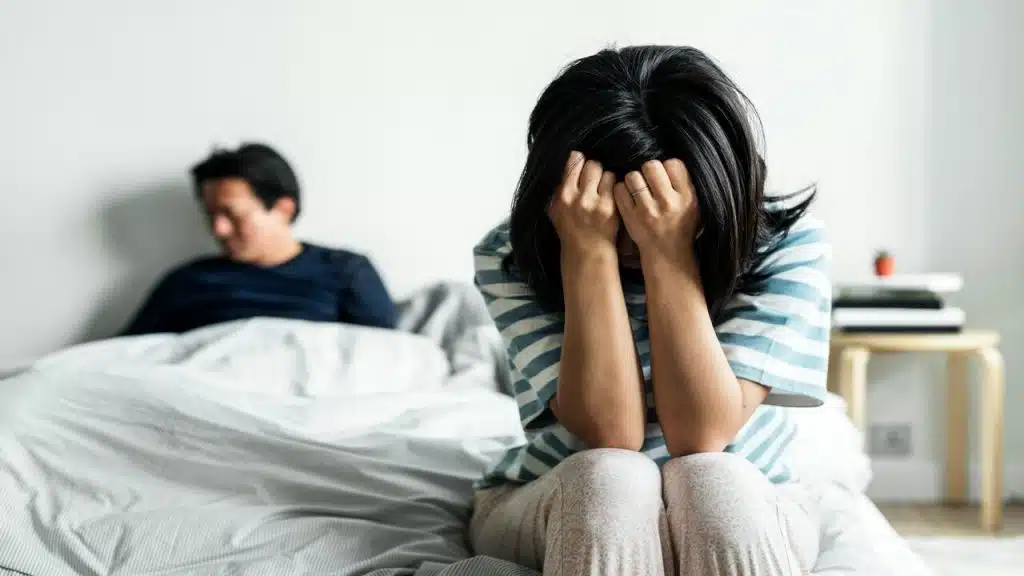
Physical withdrawal—less affection, fewer touches, reduced intimacy—is a common sign of emotional disconnection. For many men, physical closeness requires emotional safety. When resentment builds, physical distance follows. Addressing this requires patience, not pressure. Focus on rebuilding trust and emotional warmth first, rather than treating physical intimacy as the primary issue.
8. He Stops Sharing His Inner World
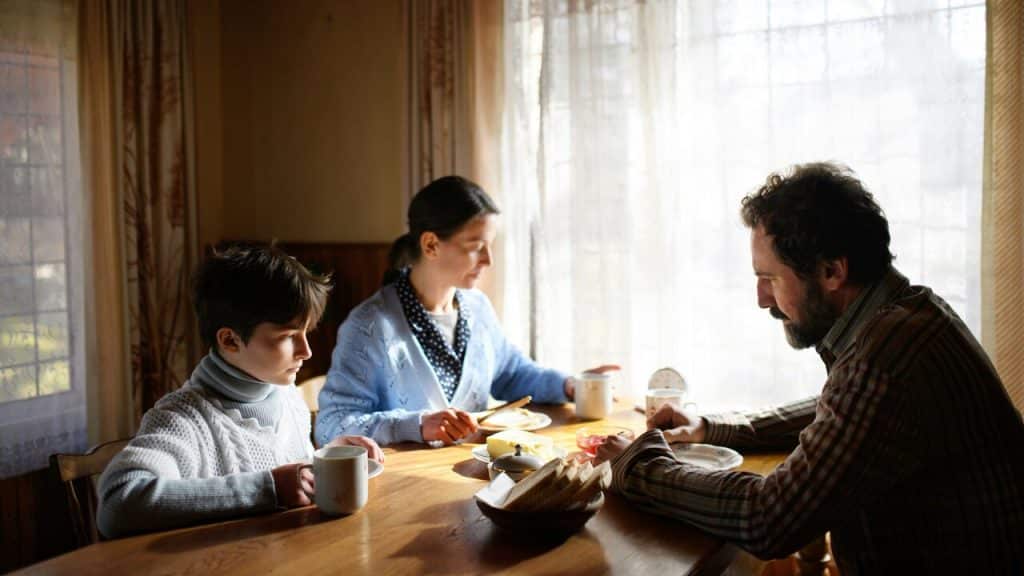
A checked-out husband no longer shares his fears, stresses, or dreams. This often happens after feeling judged, dismissed, or misunderstood in the past. Emotional vulnerability feels risky, so he keeps things surface-level. If you want him to open up again, avoid immediately offering solutions. Sometimes listening without fixing is what rebuilds trust.
9. He Seems Happier Away From Home

When a man appears lighter, more relaxed, or more engaged outside the home, it’s often because those environments feel emotionally safer. This doesn’t always mean infidelity—it often means relief. Pay attention to how home feels emotionally, not just logistically. Creating a calmer, more appreciative atmosphere can make a bigger difference than dramatic gestures.
10. He Stops Defending the Relationship

Checked-out husbands rarely defend the marriage when others criticize it. This silence signals internal disengagement. He may already feel emotionally separate, even if he hasn’t said it out loud. If you notice this, it’s time for honest conversation—not confrontation. Ask how he truly feels about the relationship and be prepared to hear uncomfortable truths.
11. He Avoids Emotional Check-Ins

When asked how he’s feeling, a checked-out husband gives short, vague answers. Emotional check-ins feel exhausting when he believes nothing will change. Instead of pushing for depth, start with small moments of connection. Show appreciation without expectation. Emotional safety grows through consistency, not intensity.
12. He Stops Asking for Help

A man who has checked out often stops asking his partner for help or support. This signals that he no longer sees the relationship as a source of comfort. Independence becomes a shield against disappointment. Rebuilding this requires demonstrating reliability without reminding him of past failures or keeping score.
13. He Becomes Hyper-Independent

Hyper-independence often follows emotional withdrawal. He handles problems alone, makes decisions solo, and limits emotional reliance. This isn’t strength—it’s self-protection. To soften this, avoid criticizing his independence. Instead, offer partnership in low-stakes ways that don’t feel intrusive.
14. He Shows Less Interest in Your Emotional World

When a husband checks out, empathy often fades. He listens less, responds minimally, and seems detached from your emotional experiences. This usually mirrors how disconnected he feels himself. Restoring empathy starts with mutual emotional respect. Validate his feelings first if you want yours to be met with care.
15. He Talks About “Peace” More Than Connection
Checked-out husbands often say they just want “peace.” What they usually mean is emotional quiet, not intimacy. Peace becomes code for avoiding emotional labor. While calm matters, relationships also need engagement. Gently reframe peace as something you build together, not something he escapes into.
16. He Mentally Rewrites the Relationship History

A man who has emotionally left often reframes the past to justify his detachment. He may minimize good memories or focus heavily on old wounds. This mental shift helps him feel less guilty about disengaging. Instead of arguing facts, acknowledge his emotional experience and redirect the conversation toward healing rather than blame.
17. He Starts Letting Go Before You Realize It

Perhaps the hardest truth is that emotional checkout usually happens quietly and internally long before outward changes appear. By the time it’s visible, he may already feel halfway gone. This doesn’t mean it’s too late—but it does mean urgency matters. Honest conversations, accountability, and emotional repair must happen now, not later.








Ask Me Anything