You walk into the room. Your son glances up, then looks away. You’re emotionally somewhere else. Maybe you’re thinking about work, old mistakes, or just grinding through life. But your son senses it: the silence, the half-answers, the “I’m fine” that covers everything and nothing.
Fathers who stay emotionally distant pass on a pattern. One study found that when dads are emotionally unavailable, their sons grow into men who struggle with intimacy and investment.
Avoiding the “How’s Your Day?” Conversation
You’re training him to believe his day doesn’t matter. Research into father‐child closeness found that a lack of meaningful conversation results in emotional distance and deprivation in youth.
Your silence says more than your words ever will, especially to a kid who watches you more than he listens. Soon, you’ll realise you barely know what’s in his head, and neither does he.
Reacting With Irritation Instead of Interest

He shows you something, and you sigh, click your tongue, or say “Not now.” He learns you’re not safe with feelings. Studies show that fathers who suppress emotion contribute to sons developing avoidant patterns in relationships. He stops telling you because your reaction is annoyance. That does far more damage than you think.
Being “Physically Present” But Mentally Checked Out

Emotional closeness is caring to be there. A Penn State study found that father‐child emotional closeness significantly protects adolescents from adjustment problems. Being near is not enough. If your brain’s elsewhere, your son’s heart knows.
Never Showing Vulnerability or Admitting You Struggle

Your son watches. He learns that showing trouble is weakness. He learns to shut down. Men who grew up with emotionally distant fathers believe men invest minimally in relationships. By hiding your feelings, you teach your son to hide his. He’ll carry that quiet damage into how he handles friendships and romance, and you’ll see it.
Not Setting Aside “Us” Time Without Agenda

You don’t go out, and you don’t talk. Your son picks up on that. He learns that bonding has to wait for convenience. Emotional closeness leads to less risk of anxiety or depression in adolescence when dads are supportive. That memory grows. One day, you’ll wonder why he doesn’t call.
Using Sarcasm or Distance as Your Default Communication Style

You tell jokes. You tease. But when your son tries to talk about something serious, you go back to the sarcasm. He can’t separate “you’re joking” from “you don’t care.” Emotional constraint in father-son relationships can lead to distress and poor emotional regulation in sons. He learns to avoid you.
Making Big Decisions Without Involving Him

The pattern teaches him that his voice doesn’t matter. Emotional distance includes the “you’re told” dynamic. As he grows into a young man, he’ll assume he’s not meant to voice input. That assumption damages self-esteem, decision-making, and emotional honesty.
Pick One Night a Week for “Actual Talk”
Make it a non-negotiable. Canceling counts. Because consistency matters. Sit down. Just listen.
It’s a tactical investment in his emotional wiring. Emotional openness leads to stronger father‐son bonding and healthier adult relationships. Your job is to teach that strength includes vulnerability.
Show Your Struggle Out Loud
When you mess up, admit it. When you feel tired, say it. When you’re frustrated, say it. You’ll freak out your old self. But your son will see you’re human, and that’s how men learn. The “always fine” act kills emotional modelling. By showing him struggle + recovery, you give him a roadmap. He’ll learn to do the same.
Ask Him What He Thinks, and Actually Act on It

Involve him in a decision. Then act on his suggestion. Because doing so says: your opinion counts. You used to make the calls. But now you’re guiding a man. The man watching you learns by reflex what he’ll use. Show him that his voice matters.
Acknowledge His Emotions Without Fixing Them
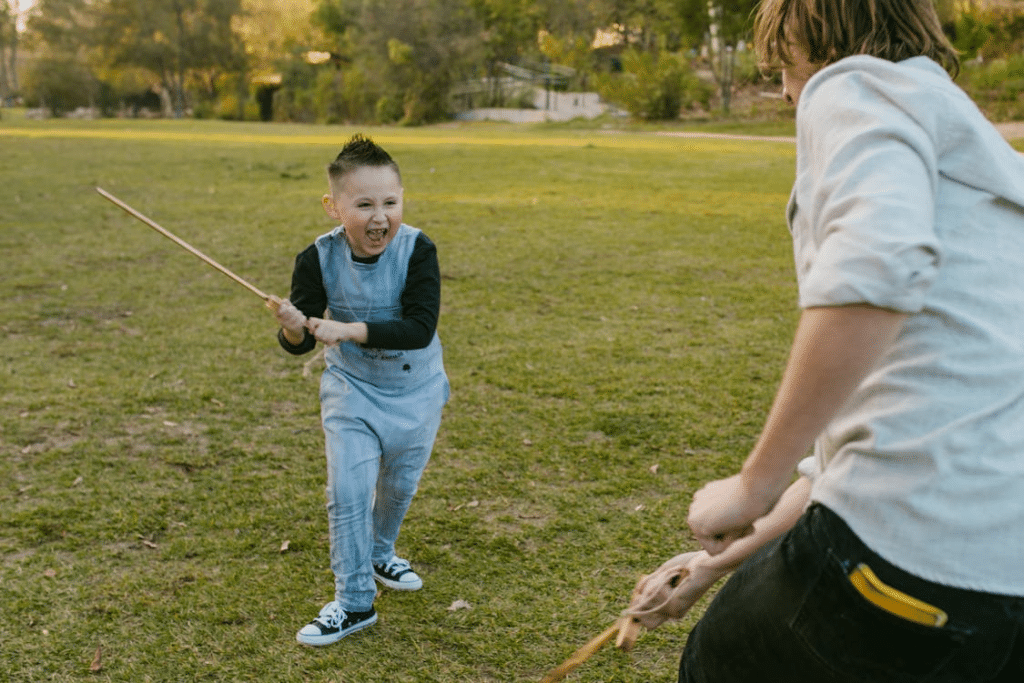
Resist the “It’s okay” or “You’ll get over it.” Instead, say: “I hear you. That sucks.” Then pause. Let him sit with the feeling. It doesn’t mean ignore the problem. But it means don’t hijack it. Emotional discipline is letting it move. That skill alone will give your son a head start you never got.
Be Emotionally Present

Set your phone aside. Make eye contact. Ask follow-ups. Show you’re listening. This is basic. What matters is quality involvement. You might think checking the phones just for five minutes is fine. It isn’t. He knows. That “just five minutes” stacks into evidence that you weren’t really there.
Talk About Your Past

Share a mistake you made at his age. A time you messed up as a son or a partner. It cracks your perfection. He realizes you didn’t have to be flawless and neither does he. That knowledge frees him. Your distance taught him to hide the flaws. This teaches him to own them. That’s real maturity.
Use Physical Rituals

A slap on the back, a shared workout, or a project together. Emotional closeness often builds through shared activity. The game night, the repair job, and the side-by-side moment count. Don’t rely on lectures. Use layers of interaction. These rituals bypass the “fine” mask and go right to connection.
Avoid the “Dad Jokes = Affection” Trap

Humor is good. But when all you ever do is joke to avoid serious stuff, your son learns serious means scary. Mix it up. One joke, one real talk. One serious topic, one joke. Balance. You’re showing him you are multi-dimensional. He’ll then feel free to be the same.
Set Boundaries on How You Deal With Stress

You’re stressed because of work, ageing, or relationship stuff. But when you bring it home unfinished, you dump emotional labour on him. The coping patterns you model matter.
If he watches you shut down, he’ll shut down too. Teach him how to process, not suppress.
Invite His Help For Connection
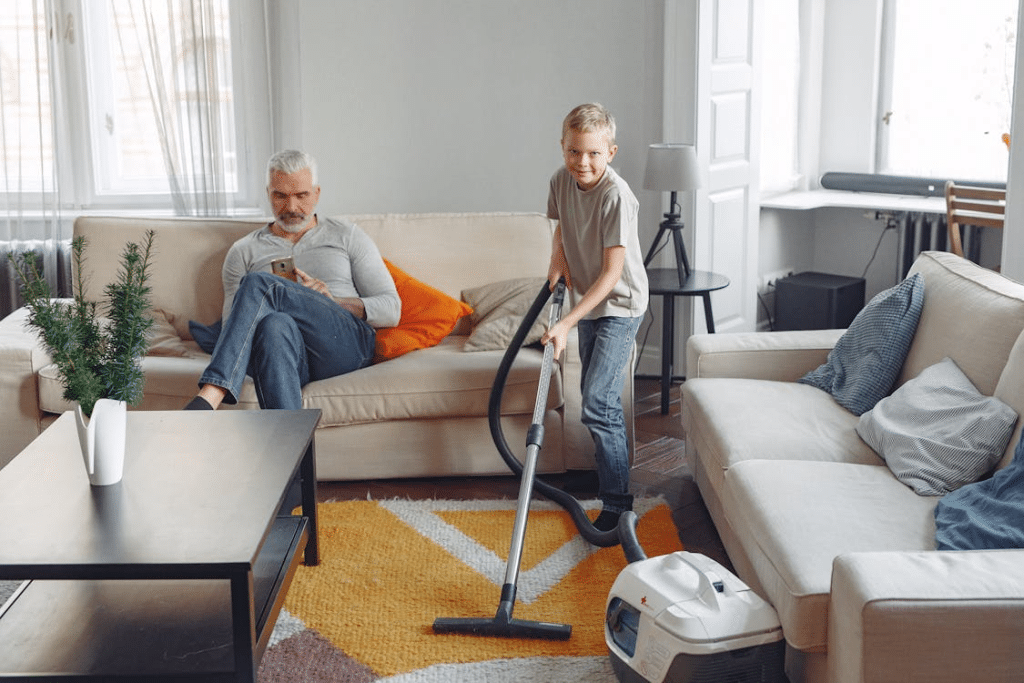
It could be a car repair, computer setup, or whatever. Do it because you want it. He sees you value him. Distance comes from “you don’t need me.” Closeness comes from “I choose you.” That message matters.
Tell Him You’ll Fail But You’ll Try Anyway
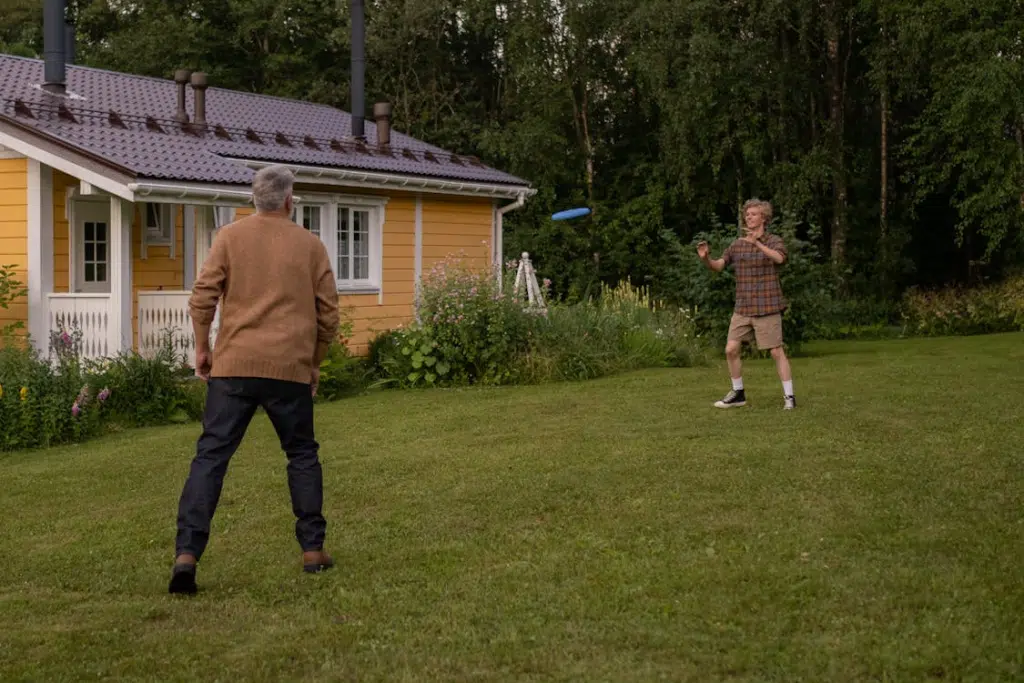
Men don’t always admit vulnerability. But you can shift that narrative. “I’ll probably mess this up,” you say. “But I’ll keep showing up.” That sticks more. He’ll watch how you behave AFTER you mess up, not when you avoid messing up. That teaches grit.
Look for Professional Help if You’re Stuck

This one might sting. If your emotional distance feels built-in, maybe from your own childhood, you’re carrying more than “busy father.” Studies link emotionally constrained fathers to poorer well-being in sons. Getting help is choosing a better legac for him.








Ask Me Anything