
Many husbands say they did not feel supported because their wife did nothing. They felt unsupported because the support did not land in a way they could feel. Support is not only encouragement during big moments. It is also the daily habits that make a man feel respected, understood, and safe at home. Some husbands need reassurance, some need peace, and some need partnership that reduces pressure. The best support habits are not dramatic. They are consistent, specific, and rooted in mutual respect. These habits do not make a wife responsible for her husband’s emotions, but they do strengthen the relationship climate. Here are the habits husbands commonly say made them feel genuinely supported.
Speaking With Respect, Especially During Disagreements

Many husbands say respect is the foundation of feeling supported. They can handle a complaint, but not contempt. A calm tone and fair language make hard conversations feel safer. When respect stays present, defensiveness drops and problem-solving improves. Respect also protects attraction because the relationship still feels dignified. Even strong men struggle when the home feels hostile. Support often starts with how problems are communicated. Respect is not softness, it is strength.
Showing Appreciation for Effort, Not Just Outcomes

Husbands often say they feel supported when their effort is noticed. Praise that is specific hits deeper than general compliments. It communicates, “the work is seen,” even when results are not perfect. This is especially important during stressful seasons. Many men withdraw when they feel like nothing they do is enough. Appreciation keeps motivation alive. It also reduces resentment because the relationship feels fair. Feeling seen is a powerful form of support.
Believing in Him Publicly, Not Correcting Him in Front of Others

Many husbands say public support matters more than people admit. Being corrected or mocked in front of family or friends can feel like disrespect. A supportive wife protects her husband’s dignity in public. That does not mean ignoring real issues, it means choosing the right setting. Public loyalty creates emotional safety. It also strengthens trust because the marriage feels defended. Many husbands remember this more than grand romantic gestures. Respect in public becomes confidence in private.
Bringing Problems Up Calmly Instead of Ambushing

Husbands often say timing and approach make a huge difference. A calm, direct conversation feels workable. Sudden emotional ambushes feel like attacks, even if the concerns are valid. Support shows up in communication style, not only content. Many men listen better when they do not feel cornered. This habit creates more solutions and fewer fights. It also keeps emotional safety intact. Calm delivery makes truth easier to hear.
Letting Him Decompress Without Treating It as Rejection

Many husbands say they need a short transition after work or stress. When that decompression is respected, the home feels safe and restorative. Problems begin when decompression becomes avoidance, but a short reset can be healthy. Support can look like giving space without hostility. It can also look like agreeing on a time to reconnect later. This balance reduces conflict and increases closeness. Many husbands say they feel supported when their nervous system is not pressured immediately. Space with structure creates peace.
Asking Directly What He Needs Instead of Guessing

Some husbands say they feel supported when their wife asks simple questions. “What would help right now?” often lands better than assumptions. Guessing can lead to missed needs and frustration. Direct questions show care without control. They also reduce mind-reading games. Many men appreciate clarity because it feels respectful. This habit builds teamwork instead of tension. Support becomes easier when needs are named.
Being a Teammate With Responsibilities, Not a Supervisor

Husbands often say they feel supported when the home feels like partnership. That includes shared planning, shared stress, and shared responsibility. Feeling managed or constantly corrected creates defensiveness. Feeling teamed with creates motivation. Support is not only helping with tasks, it is sharing the mental load. It also includes fair expectations and clear agreements. A man feels supported when the marriage feels like “us,” not “me versus you.” Teamwork reduces pressure and increases loyalty.
Encouraging His Growth Without Using Shame

Many husbands say support feels real when growth is encouraged respectfully. Shame-based motivation can work short-term but damages intimacy long-term. A supportive wife challenges habits without attacking identity. She celebrates progress and stays honest about needed change. This creates an environment where improvement feels safe. Many men shut down when feedback feels like humiliation. Growth is easier when it feels like coaching, not condemnation. Support includes accountability without cruelty.
Defending the Marriage With Clear Boundaries

Husbands often say they feel supported when the marriage feels protected. That includes boundaries with family interference, disrespectful friends, and outside drama. A wife who holds healthy boundaries reduces unnecessary stress. It also signals loyalty and unity. Many men feel supported when they know their spouse will not invite outsiders into private conflicts. Clear boundaries prevent loyalty conflicts. They also create a stronger “unit” feeling in the relationship. A protected marriage feels safer to invest in.
Not Using Withholding as Punishment

Husbands often say emotional punishment creates lasting damage. Withholding affection, conversation, or warmth to control behavior makes the home feel unsafe. Healthy space is different from punishment. Support shows up in the ability to take a break without turning it into a weapon. Many men prefer direct conversations to silent resentment. When withdrawal becomes a tactic, trust drops. A supportive wife communicates boundaries clearly instead of punishing. Warmth should not be used like leverage.
Listening Without Immediately Turning It Into a Debate

Many husbands say they feel supported when they can speak without being corrected mid-sentence. Some men stop sharing because every conversation becomes a debate. Listening does not mean agreeing with everything. It means letting the full message land. A supportive wife asks questions before making conclusions. This reduces defensiveness and increases honesty. Men often open up more when they feel safe from instant judgment. Listening is one of the simplest forms of support. It also makes intimacy easier.
Reassuring Him When He Is Under Pressure

Many husbands say reassurance helps more than people realize. This can be emotional reassurance, confidence, or a reminder that they are not alone. Stress can make men feel like they must handle everything quietly. A supportive wife helps carry emotional weight through simple encouragement. Reassurance is not babying, it is partnership. It also reduces shutdown because the husband feels safer to stay engaged. Pressure is easier to carry with emotional support. Many men remember reassurance long after the crisis passes.
Treating Home Like a Safe Place, Not a Criticism Zone

Many husbands say they want home to feel like relief. That does not mean avoiding all problems, it means balancing feedback with warmth. When a man expects criticism the moment he walks in, he mentally checks out. A supportive wife communicates issues without turning every day into a complaint session. This habit protects emotional safety. It also keeps the marriage from feeling like a performance review. Warmth makes correction easier to receive. Safety makes partnership stronger.
Supporting His Friendships and Healthy Outlets

Many husbands say they feel supported when their wife respects their need for balance. Healthy friendships, hobbies, and personal outlets reduce stress. Support does not mean isolating each other. It means encouraging healthy independence while keeping clear boundaries. When a wife supports his outlets, he feels trusted. Trust increases closeness because it reduces control battles. Men often feel supported when they are not guilted for healthy recharge. A balanced man is easier to love and live with. Healthy outlets protect the marriage too.
Keeping Intimacy Connected to Emotional Closeness

Many husbands say intimacy feels most supportive when it is connected to affection and warmth. When bedroom activity feels transactional or used as leverage, it creates tension. Emotional closeness makes intimacy feel safe and meaningful. Support can look like affectionate touch, playful warmth, and consistent connection outside the bedroom. It can also look like honest conversations about needs without shame. Many husbands feel supported when intimacy is a shared priority, not a battlefield. Intimacy thrives when both partners feel desired and respected. Connection is the real foundation.
Being Honest Without Being Harsh

Many husbands say they want truth, but delivered with respect. Honesty that feels like attack creates defensiveness and shutdown. Honesty with care creates growth and trust. A supportive wife can be direct without being cruel. She focuses on behaviors and solutions, not character destruction. This keeps conflict repairable. Many men feel supported when feedback is clear and fair. Kind honesty builds stronger marriages than soft silence or harsh criticism.
Celebrating His Wins, Even the Small Ones

Many husbands say support feels real when their spouse notices progress. Celebrating small wins builds confidence and motivation. It also signals that the wife is paying attention in a positive way. Some men rarely hear praise in daily life. A supportive wife becomes a safe source of encouragement. This does not require exaggeration, just recognition. Celebration keeps the marriage lighter. It helps both partners feel like they are on the same side.
Offering Repair Quickly After Misunderstandings

Husbands often say support shows up in repair, not perfection. Misunderstandings happen, but quick repair prevents emotional debt. Repair can be a clear apology, reassurance, or a behavior adjustment. Many men feel supported when conflict does not turn into days of tension. This habit keeps the relationship emotionally clean. It also increases trust because problems do not linger. Quick repair creates long-term stability. A marriage feels safer when repair is normal.
Being Emotionally Loyal When He Is Not at His Best
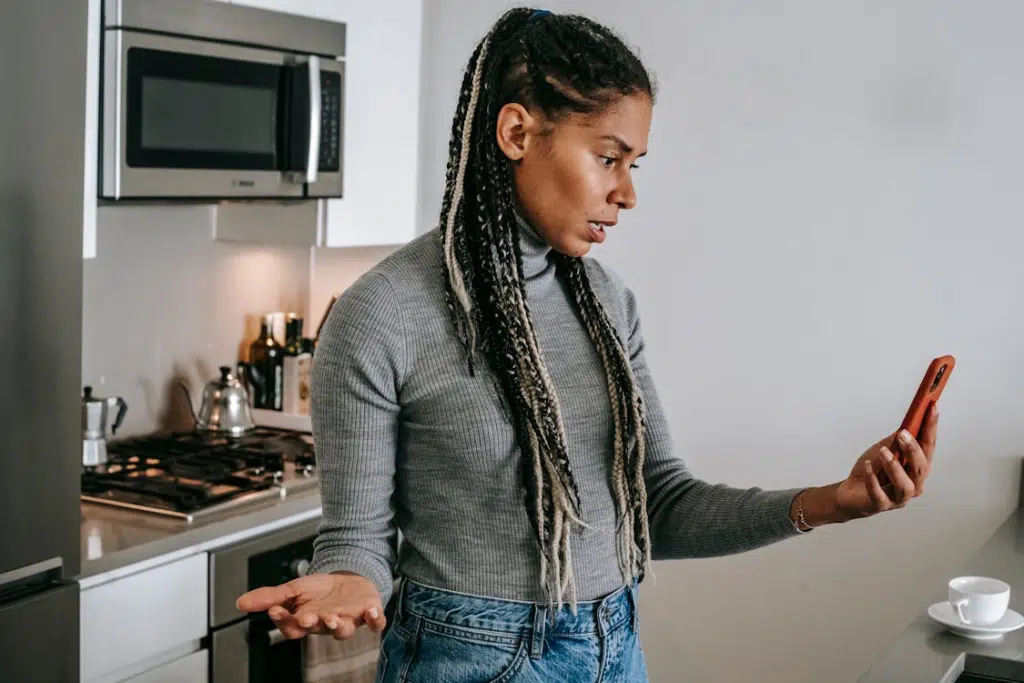
Many husbands say the deepest support is loyalty during low seasons. This does not mean tolerating disrespect or harmful behavior. It means staying committed to the team mindset during stress, mistakes, or setbacks. Emotional loyalty includes speaking with respect, keeping boundaries, and believing in recovery. Many men feel supported when their spouse does not treat hard seasons like permanent identity. Support is not only for the highlight reel. It is for the messy middle too. Loyalty during struggle builds deep trust.
Support Is Built Through Daily Habits, Not Occasional Speeches

Most husbands describe feeling supported through consistent, practical behaviors. Respectful communication, appreciation, teamwork, and emotional safety often matter more than grand gestures. Support is not controlling or fixing a spouse, it is creating an environment where both people can function and grow. These habits also work both ways, because husbands support wives through similar patterns. When support becomes a daily culture, the marriage feels lighter and more secure. Small habits create big stability over time. The healthiest support feels steady, not performative. When both spouses practice these habits, the relationship becomes a true partnership.








Ask Me Anything