
Most men don’t talk about resentment until they’re halfway out the door. But it doesn’t come out of nowhere. It builds in the quiet moments—when you feel unheard, unseen, or like the load keeps getting heavier on your side. Resentment is slow, but it’s loud once it’s there. If you’ve felt a growing edge in your tone, a drop in your patience, or like you’re walking around with a knot in your chest, this is probably what’s behind it. The good news? You can stop it before it turns into something bigger.
One Person Handles Everything at Home

When one partner is constantly doing all the chores, errands, and planning, it’s not just tiring—it’s soul-sucking. If you’re coming home from work and still the one cooking, cleaning, and organizing the week, it starts to feel like you’re parenting a grown adult. Over time, that imbalance doesn’t just cause stress. It builds resentment because it feels like you’re being taken for granted. A marriage is a team, not a hierarchy.
Repeated promises that never stick

A man can only hear “I’ll do better next time” so many times before he stops believing it. If apologies come easily but follow-through never does, it’s a slow death by disappointment. Whether it’s about money, communication, or help around the house, broken promises don’t just let you down—they tell you your needs don’t matter.
Physical intimacy has dried up—and no one talks about it

It’s not just about the act. It’s about connection, feeling wanted, and knowing you still matter in that way. When sex becomes rare or disappears completely, and neither person is willing to have a real conversation about it, resentment follows fast. Physical closeness matters, and pretending it doesn’t only pushes you further apart.
Emotional support feels one-sided

If you’re always the one asking how she’s doing, checking in, or carrying the emotional weight of the relationship, that imbalance adds up. Over time, it makes you feel like your emotions don’t count or that you’re just the support system—not an equal partner. You can’t pour from an empty cup forever.
The parenting load isn’t shared

Kids can test any relationship, but it gets worse when one parent is all-in and the other coasts. If you’re handling bedtime, school forms, and discipline while your partner stays hands-off, that gap gets heavy. The resentment here doesn’t come from the kids—it comes from being left alone in the hard stuff.
You feel like a walking wallet

It’s not about being generous—it’s about being seen as more than just a provider. When your role in the marriage is reduced to “paying for things,” and your needs or opinions don’t carry the same weight, it’s dehumanizing. Financial stress is one thing, but emotional disconnection tied to money hits harder.
You’re constantly managing everything

One of the silent killers of marriage is mental load. If you’re the one who remembers every appointment, birthday, supply list, or car maintenance, it becomes exhausting. Over time, it’s not the tasks themselves—it’s that no one else seems to notice or care. It feels lonely and overwhelming.
You’ve become the default parent

When the kids always come to you and your partner checks out emotionally or physically, it creates a deep divide. You don’t get to “clock out,” and it feels like you’re doing the job of two parents while the other one watches from the sidelines. That can easily shift from frustration to full-on resentment.
She keeps bringing up old arguments

You thought it was over. You apologized. Maybe you even changed. But if your partner keeps bringing up the past and weaponizing it in current arguments, it feels like you’ll never get a clean slate. That kind of scorekeeping poisons the present.
Her family comes first—always

If you constantly have to take a back seat to her parents’ wishes, her siblings’ dramas, or family events you’re expected to attend (but she skips yours), resentment starts growing fast. You’re supposed to be building your own team, not constantly playing second string to someone else’s.
You’re constantly criticized over small things

It’s not the socks on the floor. It’s the tone. When every small mistake gets pointed out and there’s zero grace or humor left in the relationship, it feels like walking on eggshells. Constant nitpicking makes a man shut down. Eventually, he stops trying.
No appreciation for what you do

Doing the right thing every day, showing up, being consistent—it all starts to feel invisible when no one acknowledges it. Men aren’t usually looking for gold stars. But hearing “thank you” or “I see how hard you’re trying” goes a long way. Without it, you start wondering why you bother.
You don’t feel wanted anymore
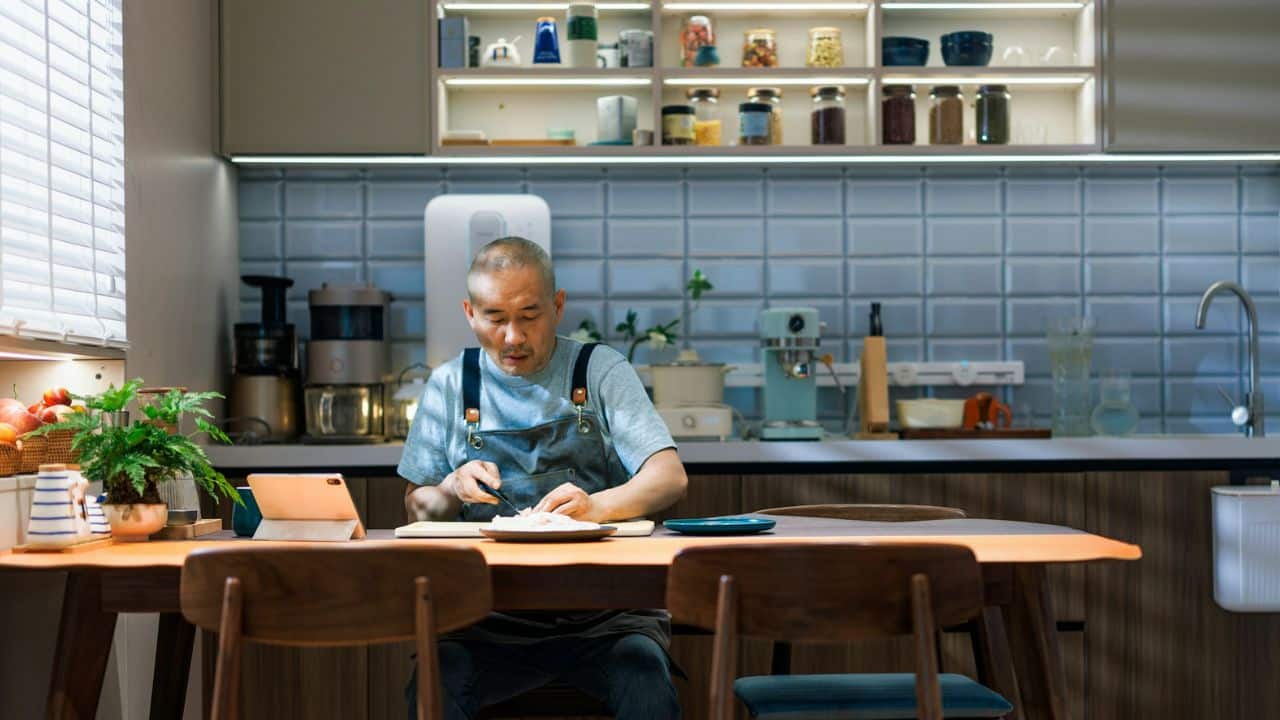
Desire isn’t about ego. It’s about feeling chosen. When the compliments stop, the touches vanish, and your partner stops showing that she finds you attractive or interesting, you start feeling more like a roommate than a husband. That emotional gap hurts more than most men admit.
She never admits she’s wrong

Accountability matters. If you’re the only one who ever says sorry, if every disagreement ends with you giving in just to keep the peace, it builds resentment. Everyone makes mistakes. But when someone refuses to own theirs, it turns every conflict into a power struggle.
Decisions get made without you

You find out plans have been made, money’s been spent, or big choices were decided without even a conversation. That doesn’t just sting—it feels like disrespect. Marriage is about partnership, not one person running the show.
You feel more alone in the relationship than outside it

This is the one that sneaks up. You’re technically “together,” but you feel emotionally isolated. Conversations are surface level, connection is missing, and you find yourself preferring time away just to feel like yourself. That kind of loneliness in a relationship is brutal.
You can’t bring anything up without a fight

When honest conversations always turn into arguments, you stop having them. You bottle things up. And that bottle fills fast. A relationship that can’t handle the truth—or even mild feedback—will drown in silence and bitterness. You can’t fix what you can’t talk about.








Ask Me Anything