
If you want your relationship to truly last, then establishing goals and benchmarks isn’t just helpful–it’s necessary. Too many couples leave things up to chance and wonder why they feel like roommates five years in. Shared goals give your connection direction. They help you stay intentional, keep resentment from building, and remind you both that you’re growing together. Whether you’re just starting out or deep into long-term love, the right approach to goal-setting can make all the difference.
Here are tips you need to know and follow if you want to succeed in your goals as a couple.
1. What Makes a Good Goal?

But before we start, we first need to define what “good” means here. A good relationship goal is one that supports growth without suffocating individuality. It should be clear, mutual, realistic, and rooted in your actual needs–not just vibes or assumptions. If one person is being dragged along or saying yes just to avoid a fight, it’s not a good goal. A strong goal feels like a win for both of you and reflects the kind of life you’re building–not just the status you want to show off.
2. Set S.M.A.R.T. Goals

For you to succeed in your goals, they need to be five things: Specific, Measurable, Achievable, Relevant, and Time-bound. “Let’s communicate better” is vague. “Let’s have 30 minutes of tech-free talk every night after dinner” is specific and measurable. It’s also realistic and easy to track. S.M.A.R.T. goals help prevent misunderstandings and burnout. They shift the focus from abstract dreams to concrete plans.
3. Talk About the Life You Both Want

You and your partner need to establish first that you’re on the same page in terms of the kind of future you both want. Do you picture the same kind of lifestyle? City or suburbs? Quiet or adventurous? Kids or no kids? These questions aren’t just for someday. They influence your daily habits now. The more aligned your visions are, the more seamlessly your goals will come together–and the less likely you’ll grow apart trying to chase different dreams.
4. Align on Values Before You Align on Milestones

You may have the same goals, but do you align in how you see yourselves getting there? What are your core values and boundaries you will never cross? For example, you may both want financial stability, but one of you may value minimalism while the other craves luxury. That’s a recipe for friction if left unspoken. Shared values are the compass that keeps you grounded when milestones get messy or delayed.
5. Get Real About Each Other’s Timing

The chemistry might be electric and you might like them so much you could marry them tomorrow, but relationships run on two separate clocks. One of you might be ready to start a business or a family next year, while the other wants five years to travel and grow. You need to talk about timelines honestly and without guilt-tripping. Misaligned timing doesn’t always mean incompatibility, but it does mean compromise and clarity are essential.
6. Use Weekly Check-Ins, Not Just Anniversaries

Don’t wait until you reach first or second or third year anniversaries before checking in on how you’re doing as a couple. Weekly or biweekly conversations–casual ones, not courtroom sessions–help you realign before little issues become major blowups. Ask: What’s working? What’s been tough? What can we do better? These tiny meetings create a rhythm of accountability and make your relationship feel less reactive and more proactive.
7. Have Goals That Aren’t About Marriage or Kids

When people think about couple goals, marriage and kids are usually at the forefront of that list, and it makes sense and both are a given. However, that’s not the full picture. How do you want to grow emotionally? What adventures do you want to share? What legacy do you want to build? Having non-family-related goals keeps your bond interesting, alive, and not solely defined by your relationship status.
8. Build a Shared Vision Board or Planning System

You might have a set vision for how you want your future to look like, but you also need to come up with a map for how to get there–and that’s where tools come in. Some couples use apps, others use journals or whiteboards, but what matters is having some place where your shared dreams live. A visual system creates emotional buy-in. It keeps your goals from getting buried under the weight of everyday life.
9. Choose One Habit You Can Build as a Team

If you or your partner haven’t been working out, or you both want to save money, or eat healthier–try committing to it together. Don’t go overboard. Choose one doable habit and make it a daily or weekly ritual. It’s not just about the habit–it’s about the mutual discipline and encouragement you build along the way. Small habits can snowball into deeper trust and momentum. If you can do one small thing together, you can move your way up bigger things as time goes on.
10. Don’t Set Goals Just to “Fix” the Other Person

Why do you want to set goals in the first place? Do you just want to change your partner according to their idealized version you made in your head? Or do you truly want to build something side by side? Goals should never be weaponized as a means of passive-aggressive correction. If it feels like a hidden critique, it probably is. Start with acceptance, then move into growth.
11. Identify the Obstacles You’ll Probably Face

When setting goals, a huge part of it is predicting what might derail you. Will it be time, money, in-laws, burnout, fear, or miscommunication? Identify them early–not so you can stress about them, but so you can build strategies around them. Couples who plan for the hard parts don’t panic when things go sideways. They already saw it coming, and they’ve got a game plan.
12. Be Willing to Renegotiate When Life Changes
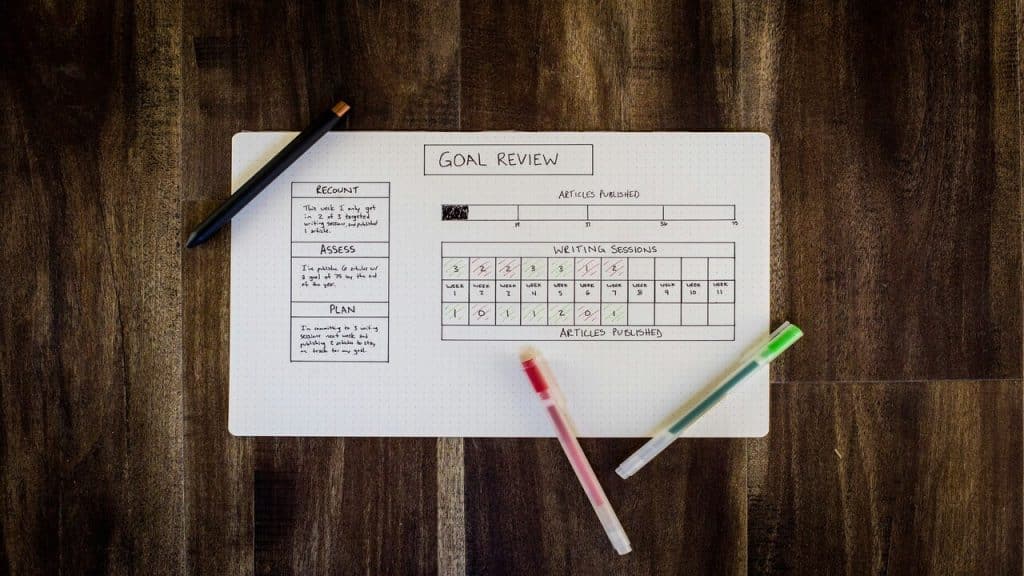
Here’s the thing about goals: They can–and sometimes have to–change. Life throws curveballs. Health issues pop up, careers shift, family dynamics evolve. What once made sense might not anymore. That’s not failure, it’s just growth. Check in regularly to ask: Is this still right for us? Being flexible with your goals doesn’t mean giving up–it means adjusting to keep moving forward.
13. Celebrate Progress (Not Just Results)

If you find that you’re only giving yourselves credit once a big goal is crossed off, you’re missing all the moments that kept you going. Celebrate the Tuesday you didn’t fight, the week you both showed up to therapy, or the month you stuck to your budget. Those little wins keep motivation high and remind you both that this is a journey, not a scoreboard.
14. Include Fun, Pleasure, and Play in Your Plans

All work and no play turns relationships into business arrangements. If your goals don’t include fun, you’ll eventually resent the structure. Plan joy on purpose–vacations, date nights, hobbies, spontaneous getaways. Relationships are meant to be enjoyed, not just maintained. Make room for delight in the plan, not just duty.
15. Don’t Neglect Individual Dreams

Being a team doesn’t mean abandoning your own aspirations. Your personal goals–whether it’s going back to school, starting a business, or running a marathon–matter. A healthy relationship makes space for both people to thrive individually. Support each other’s solo wins. When both of you feel fulfilled independently, your connection gets stronger–not weaker.
16. Recognize When a Goal Is Hurting You Both

Sometimes, a goal that once made sense becomes a source of tension, anxiety, or emotional distance. If it’s starting to drain the relationship, it’s okay to pause or let it go. Check your ego. Sticking with something just to prove a point isn’t worth losing peace–or each other. Prioritize emotional health over performance metrics.
17. Avoid Making Everything a “Couple Project”

Not every goal needs to be shared. You don’t have to do everything together. In fact, you probably shouldn’t. Having separate pursuits keeps things fresh and gives you something to talk about. Let go of the idea that strong couples are always side-by-side. Sometimes the healthiest thing you can do is cheer each other on from a bit of distance.
18. Revisit Your Goals Every Season or Life Phase

People grow. Love evolves. What made sense at 25 may not apply at 35 or 45. Revisit your relationship goals regularly–not just after big life events, but with the seasons. Sit down and ask: What do we want now? What’s changed? What’s next? That rhythm of renewal keeps your bond current. Don’t just set goals. Keep rewriting the story.








Ask Me Anything