
Fights happen–even in the healthiest of relationships. But what separates couples who grow stronger together from those who slowly drift apart is how they handle the aftermath. Beginning again after a big fight isn’t about pretending nothing happened or sweeping issues under the rug. It’s about acknowledging the hurt, learning from the clash, and finding ways to reconnect so you both feel secure again. The truth is, repairing after conflict takes intentional effort, patience, and humility.
If you’ve just had a heated argument, you might feel the urge to withdraw or, on the opposite end, to fix things instantly. Neither extreme is sustainable. What you really need is a roadmap–a set of strategies that helps you pause, reflect, and rebuild without repeating the same cycle. Below are 17 practical, tried-and-true ways to begin again after a big fight.
1. Allow Space for the Dust to Settle

Right after a heated fight, emotions are still running high. Jumping straight into resolution can often make things worse because neither of you is in the right headspace to listen. Take a pause–whether that’s a few hours or overnight–so both of you have time to cool down. This doesn’t mean giving the cold shoulder; it means respecting emotional processing time. Often, clarity comes only after the storm has passed.
2. Own Your Part Without Defensiveness

Blame keeps you stuck in a loop, but accountability moves the relationship forward. When the dust settles, reflect honestly: What did you say or do that escalated things? Admitting fault doesn’t weaken your position–it builds trust because your partner sees that you’re willing to hold yourself accountable. Even a small acknowledgment like “I shouldn’t have raised my voice” can soften the tension dramatically.
3. Resist the Urge to Rehash the Fight Immediately

t’s tempting to go over every detail of the argument to “set the record straight,” but rehashing usually leads to round two of the same fight. Instead, focus on the bigger picture: why you clashed and how to avoid repeating it. Later, when emotions have cooled, you can calmly revisit specifics. Timing is everything–if you want healing, don’t reopen wounds too soon.
4. Use Gentle Touch as a Bridge
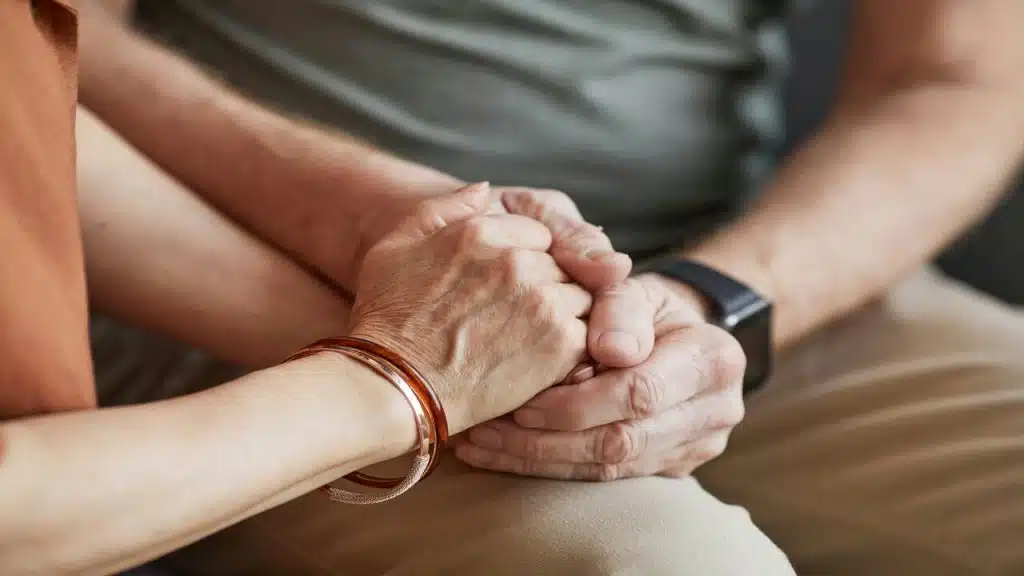
Physical connection is often the first casualty in a fight. A small gesture–holding their hand, a light touch on the arm, or a hug–can communicate volumes without words. These gestures signal safety, warmth, and the desire to reconnect. If your partner isn’t ready, respect their boundaries, but don’t underestimate the healing power of nonverbal affection once they are.
5. Start With a Sincere “I’m Sorry”

Apologies can feel cliché, but when genuine, they’re relationship gold. A meaningful apology doesn’t include excuses or backhanded justifications. Instead, it’s about acknowledging the hurt you caused and expressing regret. Something as simple as “I know I hurt you, and I’m truly sorry” can shift the atmosphere from defensive to collaborative, making way for reconnection.
6. Reframe the Fight as a Shared Problem

Instead of seeing each other as opponents, reframe the issue as something you’re tackling together. This shift turns “me versus you” into “us versus the problem.” When couples adopt this mindset, they stop weaponizing differences and start brainstorming solutions. It’s a subtle but powerful change that strengthens the sense of teamwork in your relationship.
7. Reconnect Through Small Acts of Care

Sometimes healing doesn’t come through big talks but through everyday kindness. Brew them a cup of coffee, leave a thoughtful note, or do a chore they usually handle. These gestures remind your partner that despite the fight, you still care deeply. Small acts of service often pave the way for bigger conversations by lowering defensiveness and restoring goodwill.
8. Avoid Scorekeeping at All Costs

Keeping a mental tally of who was “more wrong” or who has apologized more is toxic. Relationships aren’t about winners and losers–they’re about balance and mutual respect. Scorekeeping may feel like self-protection, but it only breeds resentment. Instead, focus on what both of you can do moving forward to prevent the same pattern from happening again.
9. Revisit the Core Issue When Calm

Once you’ve reestablished peace, don’t just sweep the fight under the rug. Circle back to the root cause in a calm, constructive way. Ask questions like: “What was really bothering you?” or “How can we handle this better next time?” Addressing the deeper issue helps you break recurring cycles and strengthens long-term understanding.
10. Speak in “I” Statements to Avoid Triggering Defensiveness

Language shapes the outcome of post-fight conversations. Replace accusations like “You never listen” with “I feel unheard when I’m interrupted.” “I” statements keep the focus on your feelings rather than placing blame, which encourages your partner to listen instead of gearing up for defense. It’s a communication shift that can dramatically reduce friction.
11. Make Humor Your Ally–When the Time Is Right

Humor can be a powerful diffuser, but only if it’s used thoughtfully. A light joke or playful comment after the intensity has passed can help break the tension and remind you both of your bond. The key is timing–avoid sarcasm or jokes during the heat of conflict, but later, a well-placed laugh can be the bridge back to normalcy.
12. Create a Repair Ritual You Both Agree On

Some couples develop rituals to reset after fights–a walk together, cooking a meal, or simply sitting down for tea. These routines provide a sense of familiarity and safety, signaling, “We’re okay again.” Establishing your own repair ritual not only speeds up reconciliation but also becomes a touchstone for future conflicts.
13. Communicate Your Need for Reassurance

After a big fight, one or both partners may feel insecure about the stability of the relationship. Instead of expecting your partner to read your mind, voice your need for reassurance: “I just need to know we’re okay.” Asking directly prevents misunderstandings and allows your partner to meet your emotional need without guesswork.
14. Acknowledge What You Value in Each Other

Amid conflict, it’s easy to forget why you’re together in the first place. Take time after the fight to express what you love and value about your partner. A simple statement like, “I know we argue, but I wouldn’t want to go through life with anyone else” re-centers your bond and reminds you both that the relationship is bigger than the disagreement.
15. Decide on One Tangible Step for Next Time

Learning from fights means putting prevention strategies in place. Instead of vague promises like “I’ll try to do better,” agree on a specific step–whether it’s lowering your voice, taking a break before things escalate, or checking in when you feel stressed. Concrete commitments build trust because they show you’re serious about change.
16. Don’t Involve Third Parties Prematurely

It might be tempting to vent to friends or family right after a fight, but this often complicates things. Outside opinions can amplify resentment rather than resolve it. Unless the issue is serious and requires professional help, keep the focus between the two of you. Protecting the privacy of your conflict keeps the trust intact and prevents unnecessary drama.
17. Recognize That Repair Is Ongoing, Not a One-Time Fix

Finally, understand that repairing after a fight is a process, not a single conversation. Tension may linger, and that’s normal. What matters is consistent effort–checking in, showing care, and following through on promises. Beginning again isn’t about perfection; it’s about commitment to growth together, even when things get messy.








Ask Me Anything