
Avoidance ruins trust, but ownership builds intimacy. In today’s relationships, emotional maturity is more desirable than perfection. When men take responsibility for past mistakes, whether small missteps or major regrets, they open the door to healing and deeper connection. Here’s how accountability strengthens relationships and sets modern masculinity apart.
Stop Hiding Behind “That’s Just How I Am”

Using personality as an excuse blocks growth. Saying “I’m just not good at communication” or “I get distant when things get serious” doesn’t excuse the impact. Acknowledge the behavior and express willingness to work on it. Self awareness is the first step toward better connection.
Name the Mistake Out Loud

Silence doesn’t heal. Say what happened. “I know I hurt you when I shut down during that argument” is more powerful than vague apologies. Naming the moment shows courage and clarity. It’s how real conversations begin.
Avoid the “Sorry, But…” Trap

An apology followed by a justification cancels itself out. “I’m sorry, but I was just stressed” shifts blame. Own the impact without deflecting. True accountability means sitting with discomfort, not explaining it away.
Ask How It Felt for Them

Once you’ve acknowledged the mistake, ask how it landed. “What did that feel like for you?” shows that you’re prioritizing their emotional experience. It builds safety and shows empathy, key traits in emotionally intelligent men.
Don’t Wait Until You’re Caught

The strongest men take initiative. If you know you dropped the ball, own up before it becomes a bigger issue. Whether it’s a broken promise or a missed boundary, taking responsibility first shows maturity and emotional leadership.
Make Amends That Match the Hurt
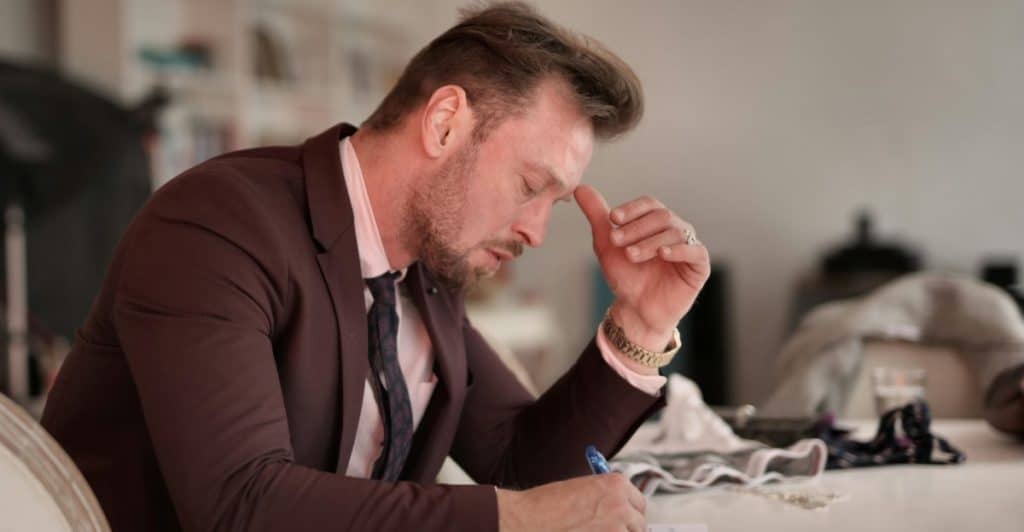
Saying sorry isn’t always enough. Ask what repair looks like: more communication, changed behavior, or small acts of consistency. Making it right matters more than making it go away. Growth is action, not just words.
Learn the Pattern, Not Just the Mistake

If it keeps happening, it’s not just a mistake, it’s a habit. Pay attention to recurring issues like shutting down during conflict or dismissing feelings. Identify what drives the pattern and get support if needed. Change starts with recognition.
Apologize Without Making It About You

Sometimes we say sorry to feel better, not to help the person we hurt. Shift the focus. Let the other person express pain without rushing to fix your guilt. This is about their healing, not your relief.
Drop the Ego, Embrace the Growth

Accountability doesn’t mean you’re weak, it means you’re growing. Men who can say “I messed up, and I’m learning” are seen as trustworthy, grounded, and emotionally safe. That’s real masculinity in 2025.
Don’t Expect Instant Forgiveness

You can’t control how quickly someone heals. Be patient if your partner needs time. Rebuilding trust takes repeated honesty and consistent action. Owning the mistake means accepting their pace, not rushing reconciliation.
Show Growth, Don’t Just Promise It

Words are empty without follow-through. Instead of saying “I’ll be better,” demonstrate it: show up for conversations, check your reactions, and take feedback seriously. Actions prove your commitment to real change.
Let Go of Perfectionism
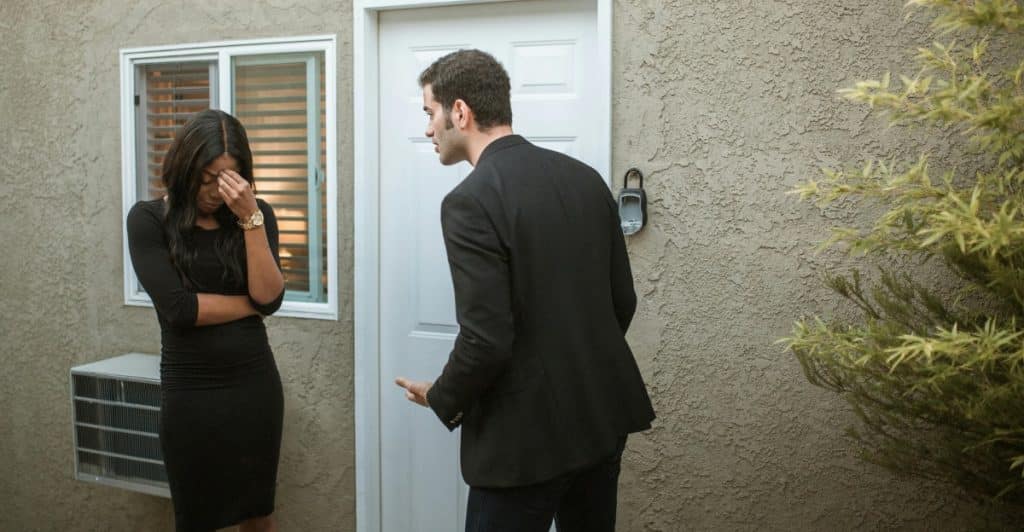
Fear of messing up can cause you to hide mistakes altogether. Being real means accepting you’ll sometimes get it wrong, but you can still repair, learn, and show up better next time. Perfection isn’t the goal, presence is.
Practice Repair After Small Missteps Too

Not every apology has to follow a blowout. Own it when you’re late to text back, when your tone is off, or when you weren’t really listening. Practicing small repairs builds trust before bigger issues arise.
Real Love Thrives on Real Accountability

Owning your past doesn’t weaken your position, it strengthens your relationship. It shows you’re self aware, emotionally intelligent, and ready to build something lasting. In 2025, real love isn’t about being flawless. It’s about being honest, humble, and human.








Ask Me Anything