
Appetite is commonly understood as a response to physical hunger and energy needs. In daily life, however, eating patterns are often shaped by stress responses that build gradually rather than appearing suddenly. These shifts tend to form through small, repeated reactions to pressure, mental load, and fatigue. Over time, stress can influence hunger cues, food preferences, and eating rhythms in subtle ways. In many cases, partners or coworkers may notice changes in eating behavior before men recognize a connection to stress. The following slides explore how stress affects appetite and eating patterns in men and why these changes are not always obvious.
How Stress Changes Hunger Signals

Appetite is guided by a steady exchange between hormones, nerves, and brain pathways. Stress can influence this network even when access to food does not change. Some stress reactions raise hunger, while others reduce the desire to eat. The direction often depends on how strong the pressure feels and how long it lasts. As these reactions repeat, the body may begin to link tension with eating cues instead of physical need. Daily food choices can start to mirror these recurring signals. Eating patterns gradually reflect how often stress is present.
When the Body Stays on Alert

Stress switches on protective systems designed to keep the body alert. Hormones such as cortisol and adrenaline prepare the body for quick action. During brief pressure, digestion may slow and appetite can drop. When activation happens often, normal regulation may shift away from its usual rhythm. Hunger responses can become harder to predict from day to day. The body adjusts to frequent alerts as if they are part of routine life. This steady state can reshape how appetite is expressed.
Cortisol and the Hunger Reset

Cortisol plays a central role in both stress control and energy use. Higher levels are linked with stronger hunger signals in some men. This increase often appears after the stressful moment has passed. Hunger may surface at times that do not match actual energy needs. These swings can feel confusing because activity levels stay the same. Repeated exposure trains the body to expect food following tension. Gradual conditioning helps set a new internal rhythm.
Missing Early Hunger Cues

Stress can dull awareness of early hunger sensations. Men facing ongoing demands may overlook subtle stomach cues. Meals are sometimes postponed without a clear decision to skip them. Irregular timing disrupts the body’s usual feeding rhythm. As this continues, appetite signals become less reliable. Eating begins to depend more on convenience than on internal guidance. The connection between hunger and schedule weakens.
Eating After Stress Instead of Hunger

In certain situations, food follows tension rather than true hunger. A meal or snack may mark the end of a demanding task. This link can form without deliberate intent. Relief becomes paired with eating as part of a learned routine. Emotional timing starts to replace physical cues. Stress and food gradually become associated in the mind. The pattern may repeat whenever pressure eases.
Why Comfort Foods Feel More Appealing

Stress can shape not only how much is eaten but also what feels appealing. Familiar and energy dense options often seem more satisfying during strain. These selections may occur with little thought. Repeated choices create stable preference patterns. The brain tends to favor foods linked with quick relief or comfort. Appetite begins to respond to familiarity instead of variety. Certain items gain a regular place in the diet.
Irregular Meal Times During Busy Days

Pressure can disrupt normal daily schedules. Meetings, deadlines, or exhaustion may push meals later than planned. Irregular timing interferes with the body’s expectation of when food will arrive. Hunger cues might appear suddenly or much later than usual. Eating becomes less organized across the day. The body adjusts to a shifting routine. Internal timing starts to follow workload rather than habit.
Strong Hunger After Stress Ends

After a stressful period ends, appetite may return with noticeable strength. Eating can happen quickly because earlier hunger signals were pushed aside. The body may respond as if it is catching up on missed intake. Portions sometimes become larger than usual without a clear plan. This reaction reflects delayed biological cues rather than a sudden increase in need. Repeated cycles of restraint followed by strong hunger can create an uneven eating rhythm. Over days and weeks, this pattern may feel familiar and expected.
When Eating Feels Like a Task

Stress can change the overall experience of eating. Meals may be finished quickly with limited attention to taste, smell, or texture. Satisfaction can decline even when favorite foods are available. Appetite begins to serve function rather than enjoyment. This shift often happens quietly during busy or demanding periods. Eating becomes another task to complete instead of a pause in the day. The reduced sense of reward may influence how often and how much food is chosen.
Stress-Related Snacking Habits

Stress can increase the tendency toward frequent, smaller eating episodes. Snacking may feel more manageable than sitting down for a full meal during demanding periods. As time passes, this pattern can influence total daily intake without clear awareness. Hunger cues may become fragmented across the day rather than consolidated around meals. Eating often responds to momentary stress shifts instead of physical need. Convenience gradually replaces structure within eating routines.
Fatigue That Confuses Hunger

Fatigue commonly accompanies prolonged stress exposure. Tiredness can alter how hunger signals are perceived and interpreted. Some men experience increased cravings, while others report diminished interest in food. Eventually, fatigue related appetite changes become familiar and predictable. Eating patterns begin to align with energy depletion rather than hunger timing. Appetite cues may feel blurred or inconsistent.
Emotional Pressure and Food Choices

Emotional strain can influence eating even without physical exhaustion. Unexpressed feelings may keep stress pathways active for longer periods. Appetite may begin responding to emotional pressure instead of nutritional demand. Changes in intake can appear without obvious external triggers. Food sometimes becomes linked with calming or distraction. This association forms through repeated experiences that pair relief with eating. Emotional context gradually becomes part of how appetite is expressed.
How Work Environment Affects Meals

Work and social settings affect when, where, and how meals take place. Demanding environments may shorten breaks or limit flexibility around eating times. Meals can become rushed or postponed because tasks take priority. Group culture also influences portion size and food choices. Appetite adjusts to external structure rather than internal rhythm. Daily surroundings interact with stress to guide behavior. Eating patterns often mirror the pace of the environment.
Digestive Changes Under Stress
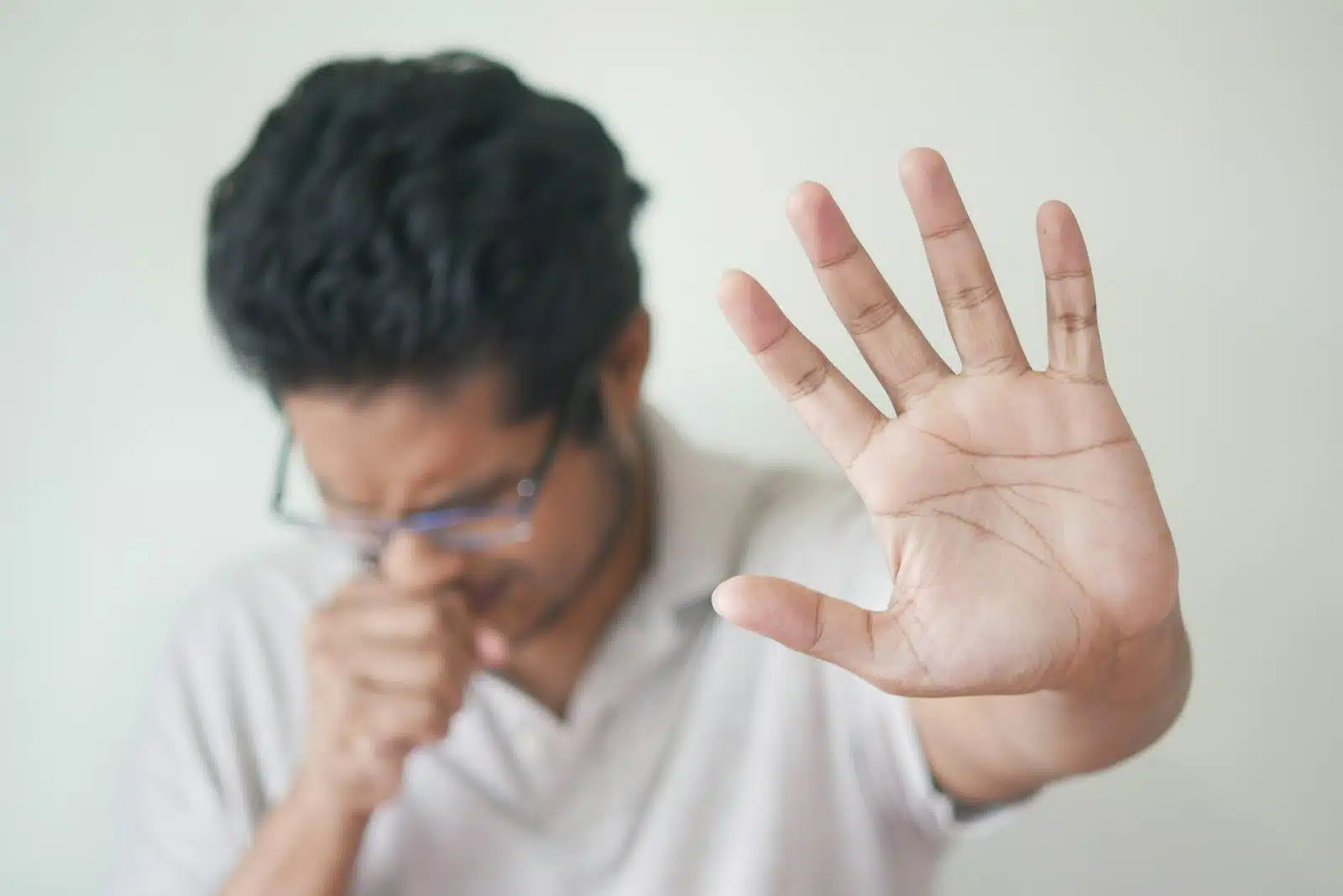
Stress can influence digestion speed, comfort, and regular bowel patterns. Temporary stomach discomfort may reduce the desire to eat at certain times. Uncertain digestive reactions can weaken confidence in normal hunger cues. Meals may feel cautious or inconsistent as a result. Appetite becomes less predictable across different situations. The digestive system and stress pathways remain closely connected through nerve signaling. Physical feedback from the gut can shape future food choices.
Small Changes That Add Up

Stress related appetite differences rarely have a single clear starting point. No specific event fully explains the gradual shift in eating behavior. Patterns form through many small experiences spread across weeks or months. Day to day variations may seem minor and easy to dismiss. Awareness is often delayed because the transition feels subtle. Recognition usually occurs after the routine is already established. Looking back often makes the pattern easier to see.
When Others Notice Eating Changes

Altered eating habits are sometimes more visible to people nearby. Skipped meals, new preferences, or irregular timing may stand out to coworkers or partners. External feedback can appear before personal awareness develops. Repeated observations highlight consistent differences in behavior. Social circles may notice reduced appetite or increased snacking during busy periods. These outside perspectives provide helpful context. Shared routines make gradual changes easier to detect.
Different Stress Levels, Different Hunger Responses

Hunger responses vary with both the intensity and duration of stress exposure. Mild pressure may briefly reduce interest in food as attention shifts elsewhere. Longer periods of strain can increase cravings or raise overall intake. These reactions are not fixed and may change as circumstances evolve. A response that once suppressed appetite might later enhance it. The body adjusts based on repeated experiences. Adaptation becomes part of the broader pattern of regulation.
How Daily Routines Shift Eating Patterns

Frequent pressure can reshape the usual timing and size of meals. Hunger cues may change in both strength and consistency across the day. Eating starts to align with busy and calm periods rather than set hours. New rhythms form around work demands or emotional cycles. What once felt irregular can begin to seem normal after repeated exposure. The body settles into this revised schedule. Established habits then reinforce the new pattern.
Food as a Sense of Control

Stress can influence how control is experienced during demanding routines. Food choices may feel easier to manage than other complex decisions. This connection can strengthen through repeated situations. Eating becomes one area where adjustment appears possible. Appetite reflects both emotional context and physical requirement. A sense of control and consumption begin to intersect. The behavior may repeat whenever pressure rises again.
The Link Between Stress and Appetite

Changes in appetite often reflect accumulated exposure to stress rather than a single disruptive event. Small reactions repeat until they form a recognizable pattern in daily life. Viewing eating behavior through this perspective helps explain why signals can seem inconsistent. Hunger may rise or fall without a clear immediate cause. Understanding the broader context makes these shifts easier to interpret. Appetite represents a blend of biological regulation and lived experience. This lens highlights how routine pressure can shape eating habits across months and years.








Ask Me Anything