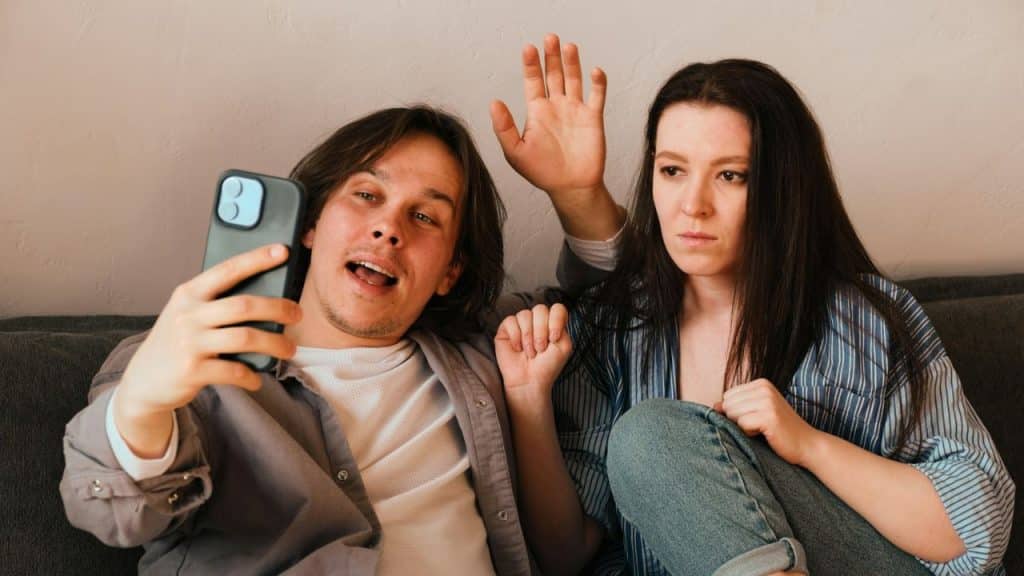
You’ve probably felt it too—the conversations feel shallower, the connections weaker, and dating feels more like marketing than emotion. Social media promised closeness but instead turned real connection into performance. Everyone’s showing their best moments, but no one’s really showing up. It’s made men second-guess themselves, women question sincerity, and both sides forget what it means to actually connect. Let’s break down how this happened and what it’s doing to modern relationships.
Privacy Lost Its Value

Moments that should stay between two people now live online. Oversharing became the norm, and intimacy turned into content. The problem is that once everything is public, very little feels sacred. Relationships thrive on a sense of safety, but that fades when everyone’s watching. Privacy isn’t outdated—it’s underrated.
Time Spent Online Killed Presence

You can’t connect with someone sitting beside you if your mind is somewhere else. Notifications break the moment before it even settles. Constant scrolling steals the quiet space where closeness grows. Being present sounds simple, but it’s becoming rare—and without it, even the strongest relationships feel distant.
Everything Became a Highlight Reel
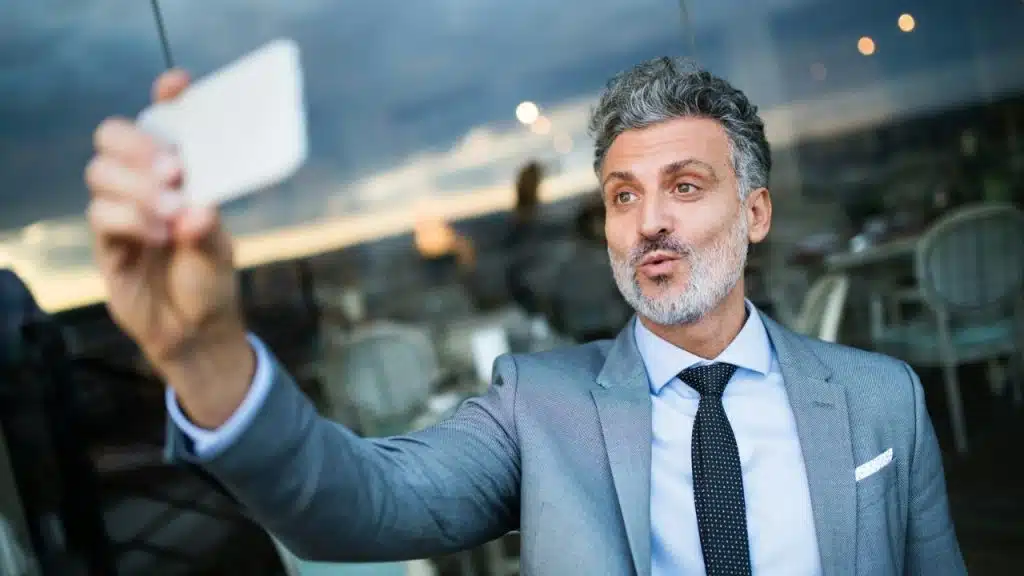
We stopped showing real life and started showing curated versions of it. Every post became a presentation, not a moment. That constant comparison kills honesty because everyone’s too busy proving something. When connection turns into competition, it’s no longer about being known—it’s about being seen. Real relationships don’t need filters, but social media taught us to live like everything does.
Validation Replaced Vulnerability
Likes became emotional currency. Instead of opening up to someone, people wait for that little red heart to tell them they matter. It’s subtle but dangerous. When validation replaces vulnerability, conversations lose depth, and people start performing instead of connecting. Genuine connection needs honesty, not approval.
DMs Became the New “Testing the Waters”

Flirting used to mean confidence. Now it’s as easy as sending a late-night message with zero effort. The problem is, those quick exchanges rarely lead anywhere meaningful. They create the illusion of interest without the courage of real intent. When communication costs nothing, it often means nothing.
The Illusion of Options

Social media makes it feel like there’s always someone better around the corner. A swipe, a follow, a DM—it all gives the sense of endless possibility. But that’s a trap. The abundance isn’t real; it’s distraction dressed up as opportunity. When everything feels replaceable, commitment starts to look like a burden instead of a choice.
Attention Became Currency

Modern connection runs on attention, and everyone’s short on it. Instead of giving focus to one person, we scatter it across dozens of profiles and conversations. That spread makes every connection feel thin. Real intimacy demands presence, and presence doesn’t multitask. The more you divide your attention, the less anyone feels it.
Ghosting Became Socially Acceptable
Disappearing used to mean cowardice. Now it’s normal. Social media made it simple to vanish—no explanation, no accountability. People avoid hard conversations because it’s easier to just stop replying. But ghosting leaves a trail of confusion and insecurity that makes real connection harder the next time around.
Jealousy Went Public

Before social media, jealousy stayed private. Now it’s fueled by likes, comments, and follows that everyone can see. You can’t help but notice who your partner interacts with, and that quiet insecurity grows fast. When every move is visible, trust becomes fragile. Privacy used to protect relationships; now exposure puts cracks in them.
Real Conversations Got Replaced by Reactions

A heart emoji doesn’t equal understanding. A “lol” isn’t listening. Reactions made communication faster but shallower. When people stop talking and start reacting, emotional depth disappears. You can’t build connection on quick replies—it needs time, attention, and words that mean something.
Everyone Became a Brand

Social media turned people into products. Every profile is polished for attention, not authenticity. When dating feels like marketing, no one really knows each other. You end up liking the version someone wants you to see, not the person they actually are. Connection suffers when everyone’s performing for engagement.
The Comparison Trap

Seeing other couples’ highlight reels makes it hard to appreciate your own reality. You start measuring your relationship against curated perfection. That kind of comparison eats away at gratitude and patience. Real connection is messy, imperfect, and quiet, but social media made us expect constant excitement and proof of love online.
Emotional Cheating Became Easier
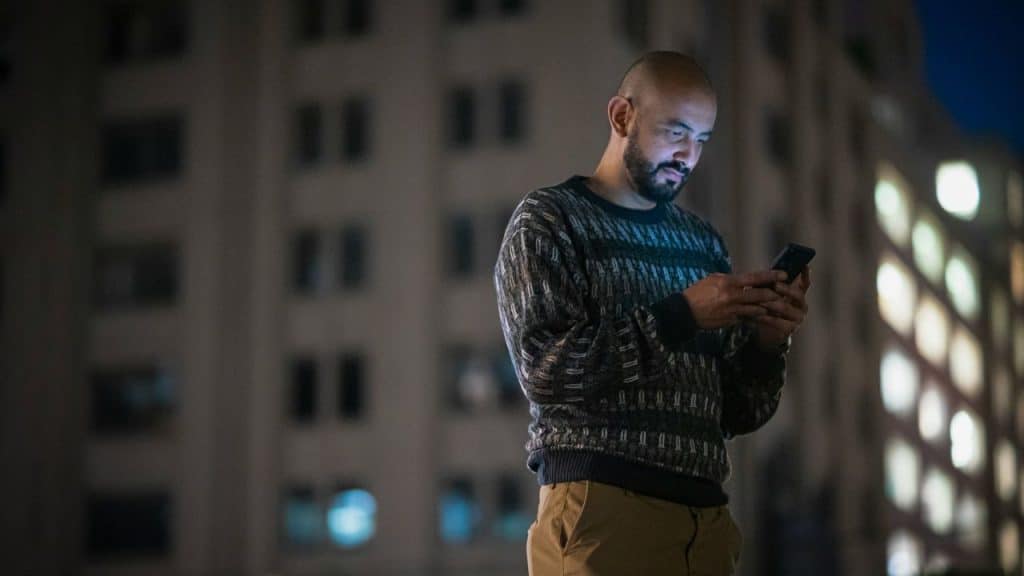
The internet blurred lines that used to be clear. A flirty message, a secret chat, or a “harmless” connection can slowly cross into betrayal. Emotional cheating doesn’t need physical contact; it just needs attention that belongs elsewhere. When connection is one click away, temptation comes easy, and accountability fades fast.
Humor and Banter Got Replaced by Memes
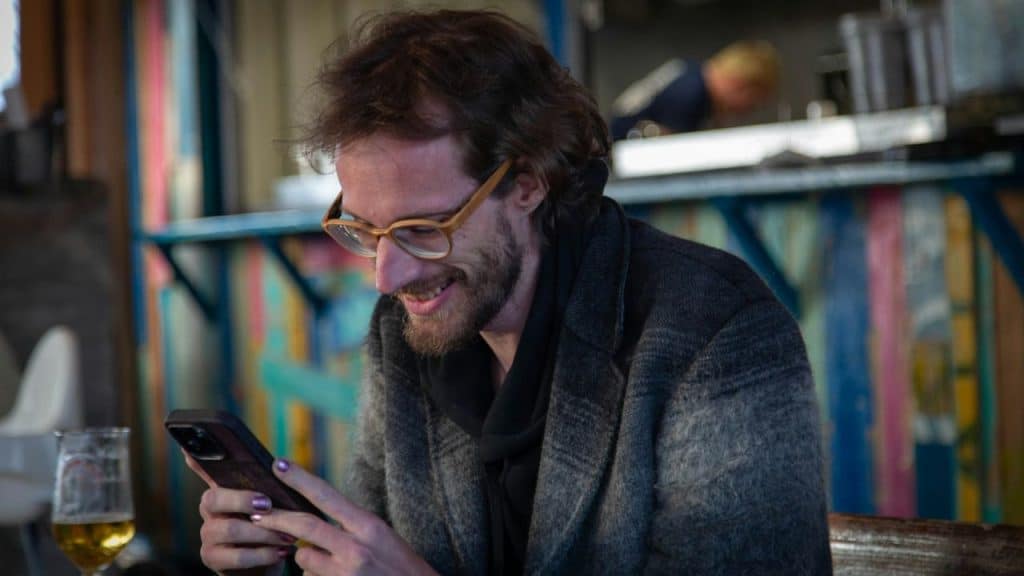
People used to build connection through playful back-and-forth. Now, humor gets recycled through memes instead of conversation. It’s convenient but hollow. Sending memes can’t replace shared laughter or the spark that comes from inside jokes. Connection thrives in the unscripted moments, not pre-packaged content.
We Forgot How to Be Bored Together

Silence used to be a sign of comfort. Now, it’s an excuse to reach for your phone. Couples don’t sit quietly anymore; they scroll side by side. That simple boredom once built patience and familiarity. When we stop embracing those quiet spaces, we lose one of the most natural forms of closeness we ever had.







Ask Me Anything