
Many men don’t see pride as a problem because it doesn’t look like arrogance to them. It looks like self-respect, strength, and not being “soft.” But pride can quietly damage a good relationship when it blocks accountability, emotional closeness, and repair. It turns small conflicts into power battles. It makes a man defend his ego instead of protecting the bond. And it often shows up in subtle habits that feel normal until the relationship becomes colder. Pride doesn’t always explode. Sometimes it slowly hardens the marriage. These are the ways pride quietly damages a relationship that could have stayed strong.
He Treats Apologies Like Losing

Some men avoid saying sorry because it feels like surrender. They’d rather stay silent than admit they were wrong. This makes small issues linger longer than they should. It also teaches the partner that repair won’t happen easily. Over time, resentment builds because nothing gets closed. Apologies aren’t weakness; they’re relationship leadership. A man who can’t apologize creates emotional debt. That debt doesn’t disappear. It compounds.
He Turns Feedback Into a Personal Attack
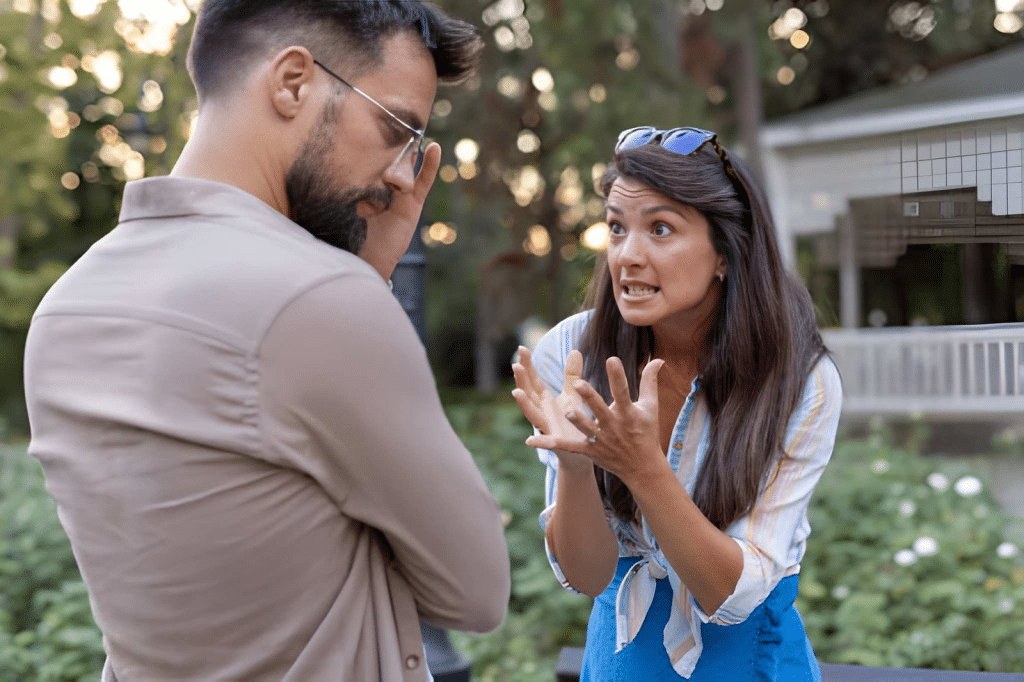
Instead of hearing a concern, he hears disrespect. He focuses on defending his identity rather than understanding the issue. That makes honest communication feel unsafe. The partner starts editing themselves to avoid conflict. Then intimacy shrinks because truth becomes risky. Pride makes a man more sensitive than he admits. He reacts like he’s being judged, even when he’s being asked to improve. Over time, the relationship becomes quiet and tense. That quiet is not peace.
He Needs to “Win” Arguments

Pride makes conflict feel like competition. He focuses on being right instead of being close. He interrupts, debates, and refuses to soften. The partner starts feeling like an opponent, not a teammate. This kills emotional safety because vulnerability gets punished. Even when the topic is small, the tone becomes heavy. Winning creates distance. Understanding creates closeness. Pride chooses victory over connection.
He Uses Silence as Control

Some men shut down to avoid feeling weak. They go cold, stop talking, and wait the partner out. This creates anxiety and emotional loneliness. The partner feels punished for having a concern. Pride makes him refuse to re-engage until he feels powerful again. Over time, the relationship trains itself to avoid truth. Silence becomes the weapon instead of communication. A good relationship can’t survive long-term stonewalling. Pride makes silence feel justified.
He Refuses to Ask for Help or Guidance

Pride tells him he should already know how to be a partner. He avoids therapy, coaching, or even simple advice. This delays growth and keeps the same problems repeating. The partner feels like they’re stuck with a man who won’t learn. Learning isn’t shame. It’s maturity. Pride makes him treat help like humiliation. But refusing help often costs the relationship more. A good relationship needs tools, not stubbornness.
He Confuses “Not Talking” With Emotional Strength

He believes emotional control means emotional silence. He stays locked up and calls it being calm. But emotional silence blocks intimacy. The partner starts feeling shut out. Over time, they stop trying to connect because it feels like talking to a wall. Pride makes vulnerability feel dangerous. But vulnerability is what creates closeness. A man who never opens up becomes emotionally distant. Distance becomes loneliness.
He Can’t Admit When He’s Hurt

Instead of saying he’s hurt, he becomes cold or irritated. He uses attitude to communicate what words could have said clearly. This creates confusion because the partner has to guess. Pride makes him treat emotional honesty like weakness. But hiding hurt doesn’t remove it. It turns into resentment. Healthy men can say, “That hurt,” without losing masculinity. Pride makes him suffer silently and punish indirectly. That poisons the relationship.
He Makes Her Feel Guilty for Having Needs

When she asks for time, affection, or partnership, he reacts like she’s demanding. He implies she’s never satisfied. Pride makes him protect his ego by framing her needs as criticism. This makes her shrink. Shrinking turns into resentment. A good partner makes needs safe to express. Pride makes needs feel like attacks. Over time, she stops asking and starts detaching. Detachment feels like peace until it becomes ending.
He Avoids Accountability With Excuses

Pride makes him defend instead of own. Work stress, childhood, personality, or “that’s just how men are” becomes the shield. Excuses may be true context, but they aren’t repair. The partner hears, “I’m not changing.” Over time, she stops believing his words. Accountability is attractive because it shows leadership. Excuses are unattractive because they show avoidance. Pride chooses excuse over growth. Growth is what keeps love alive.
He Resists Compromise Because It Feels Like Control Loss

Compromise should feel like teamwork. Pride makes it feel like losing power. He digs in even on small issues just to avoid giving in. This creates constant tension. The partner feels like everything is a battle. Over time, she stops negotiating because it’s exhausting. Pride turns normal partnership into power struggle. Power struggle kills softness. Softness is what keeps long-term love warm.
He Uses “Providing” as His Only Proof of Love

He believes his role is to provide and that should be enough. Emotional effort feels optional to him. This creates loneliness for the partner who needs closeness. Pride makes him feel offended when asked for more because he thinks he’s already doing his job. But marriage is not only provision. It’s emotional presence, respect, and shared responsibility. When he refuses that, the relationship becomes cold. Love can’t live on transactions. Pride makes him miss the emotional job.
He Protects His Image More Than the Relationship

He avoids accountability because he doesn’t want to look wrong. He wants to be seen as the good guy. This makes repair harder because honesty would damage his self-image. The partner feels like she’s fighting a reputation, not a real person. Pride-driven image management creates performative change. It looks good for a moment, then fades. Real change is private, consistent, and humble. When image matters more than intimacy, the relationship suffers. Pride makes honesty too expensive.
He Can’t Handle Her Success Without Feeling Threatened

A proud man may feel uncomfortable when his partner grows. He competes, minimizes, or becomes distant. This makes her feel unsupported. Support is a major love signal, and losing it hurts. Pride turns partnership into rivalry. Rivalry kills teamwork. A healthy man celebrates his partner’s wins because it strengthens the unit. Pride makes him treat it like an ego threat. Over time, she stops sharing wins. That reduces closeness.
He Delays Repair Until She Calms Down First

He waits her out instead of addressing the issue. He assumes time will fix it because he doesn’t want to admit wrong. The partner learns that repair depends on her swallowing her feelings. That creates emotional unfairness. Over time, she stops expecting repair at all. Pride makes him avoid discomfort in the moment, but the cost arrives later as resentment. Repair should be mutual, not dependent on her silence. Waiting is not leadership. It’s avoidance.
He Treats Vulnerability Like a Risk Instead of a Bond

He keeps his guard up even with his own partner. He avoids honest emotional moments because they feel exposing. This blocks intimacy. The relationship becomes stable but not close. Pride makes him believe love should be effortless without emotional openness. But intimacy requires access. Access requires vulnerability. Over time, the partner feels emotionally alone. A relationship can’t thrive without emotional bonding. Pride quietly starves it.
He Handles Disagreements With Coldness Instead of Care

He doesn’t yell, but he becomes distant and cold. The coldness feels like punishment. It trains the partner to avoid topics. Over time, honesty disappears. Pride makes him think coldness is control. But control kills closeness. A good relationship needs warmth even in tension. Coldness creates insecurity, not respect. It makes the partner feel unwanted. Pride uses distance as protection, but it becomes damage.
He Refuses to Change Until the Relationship Is at Risk

He ignores feedback until he senses she’s done. Then he panics and offers effort. This teaches her that she must threaten leaving to be valued. That’s exhausting and humiliating. Pride made him feel safe coasting. Fear makes him try. But fear-based change often fades once comfort returns. A good relationship shouldn’t require crisis to create effort. Pride delays action until the cost is high. By then, her energy may be gone.
He Never Admits He Needs Her Too

He acts like independence is strength and need is weakness. So he never expresses appreciation or emotional reliance. This makes the partner feel replaceable. Being loved deeply includes feeling needed in a healthy way. Pride makes him hide softness and gratitude. Over time, she stops feeling special. She may still know he loves her, but she can’t feel it. Love needs expression, not just assumption. Pride keeps love silent.
Pride Protects Ego Today and Destroys Intimacy Tomorrow

Pride often feels like strength in the moment, but it quietly creates distance. It blocks apology, repair, vulnerability, and teamwork. Over time, the relationship becomes colder even if love exists. The solution isn’t a man becoming weak. It’s a man becoming mature. Real strength is being coachable, accountable, and emotionally safe. Good relationships don’t fail because love disappears. They fail because pride makes love impossible to feel. If pride is showing up, the best move is humility before damage becomes permanent.








Ask Me Anything