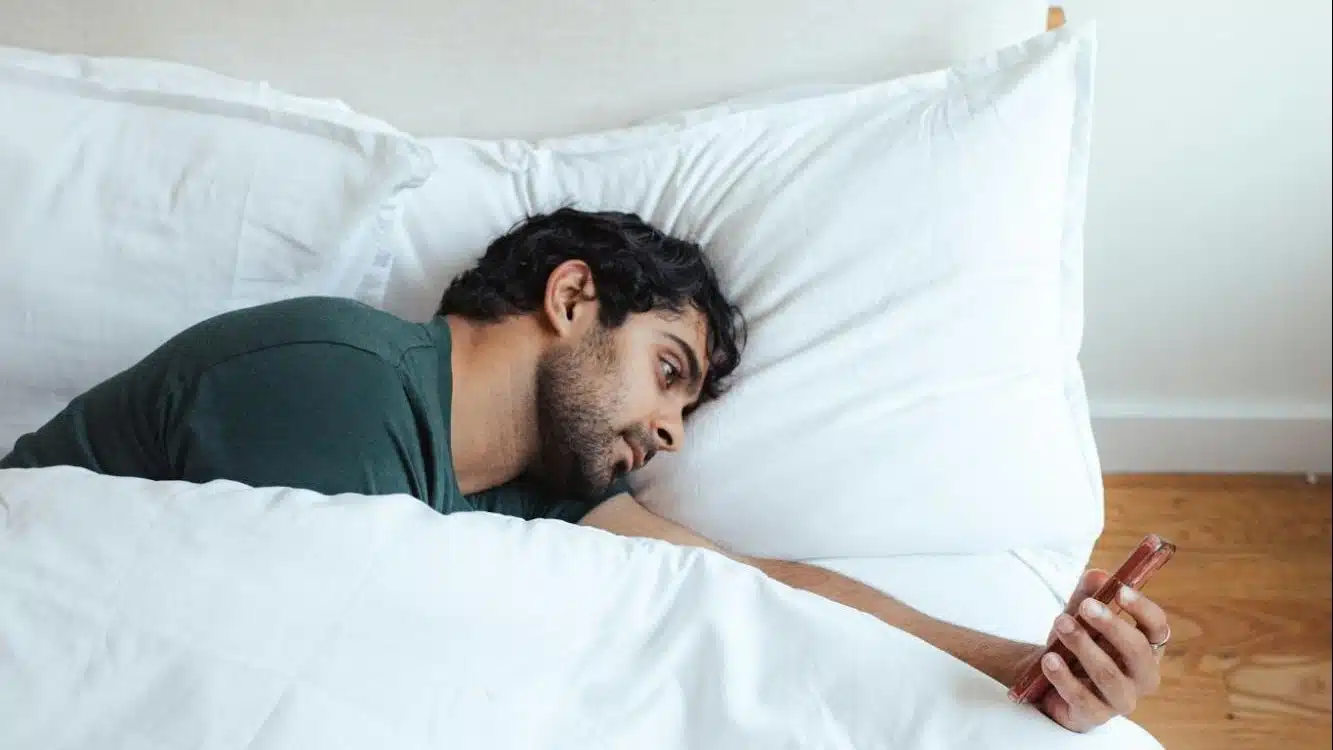
Confidence often develops through repeated social feedback. In modern dating, much of that feedback now occurs through digital platforms rather than in person interaction. Small, frequent experiences such as matching, being ignored, or receiving short replies can gradually shape self perception. These patterns rarely feel significant in isolation, yet their cumulative effect may influence how men interpret attractiveness and desirability. Men who receive fewer matches may notice shifts in confidence earlier, while those experiencing higher engagement may feel temporarily validated before encountering different pressures. The following slides explore how competition, algorithms, rejection, and validation culture on dating apps affect men’s confidence and expectations.
When Swipes Shape First Impressions

Dating apps encourage split-second decisions based largely on photos. Profiles are often judged within moments, leaving little room for nuance. This design places strong emphasis on appearance as the first measure of appeal. When matches are limited, some men may interpret that outcome as a verdict on attractiveness. Repeated exposure to quick judgments can influence how self-image is formed. Confidence may begin to reflect swipe results rather than personal qualities.
When Match Counts Feel Like a Scoreboard

Many platforms highlight match numbers or visible engagement indicators. These figures can feel similar to performance statistics. It becomes easy to compare outcomes with friends or online discussions. Lower match volume may trigger questions about desirability. Higher numbers may provide a brief lift in self-assurance. Visible data can quietly shape confidence levels.
When Unanswered Messages Feel Personal
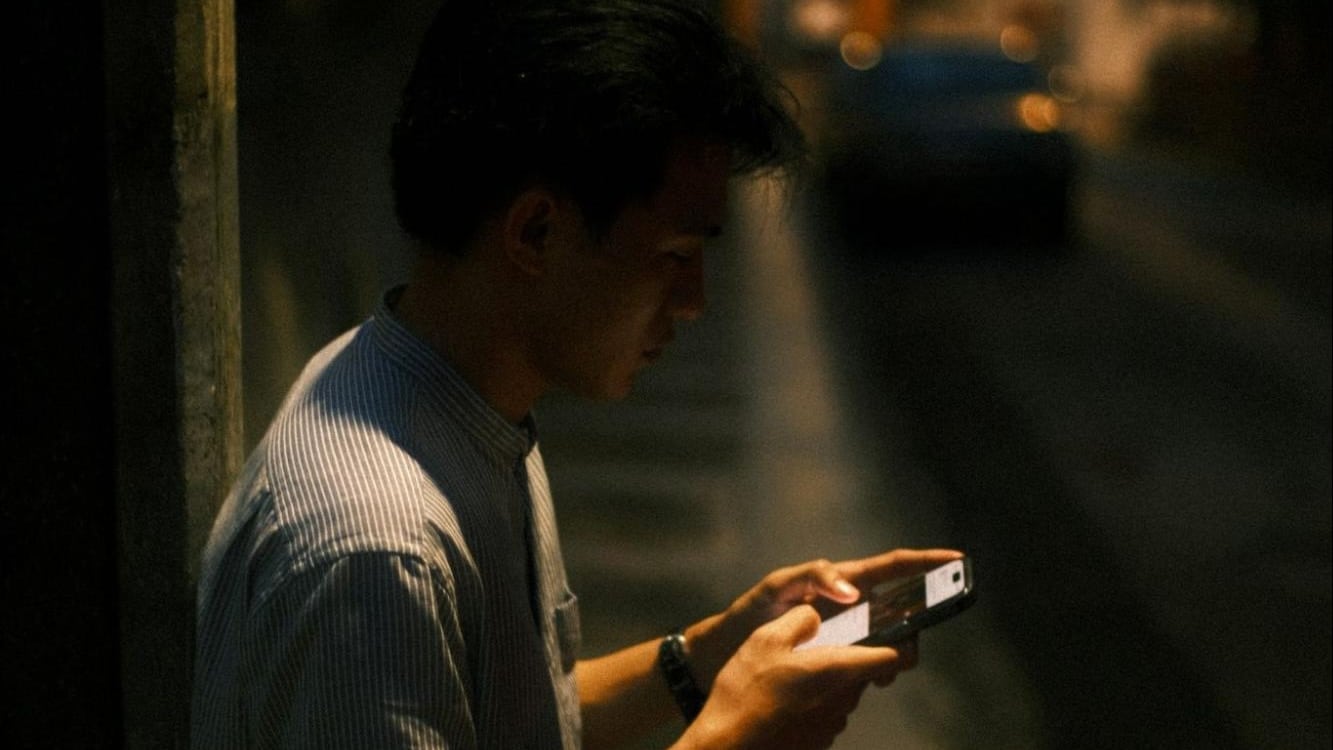
A match on a dating app often creates a sense of possibility. However, that initial spark can fade quickly when messages receive no response. Being ignored without explanation can feel personal, even when the reason is unclear. Silence leaves room for self-doubt to grow because there is no feedback to balance the experience. After multiple unanswered attempts, some men begin to question their communication skills or overall appeal. Repeated non-response can gradually shape how willing someone feels to initiate conversations in the future.
When Competition Feels Constant
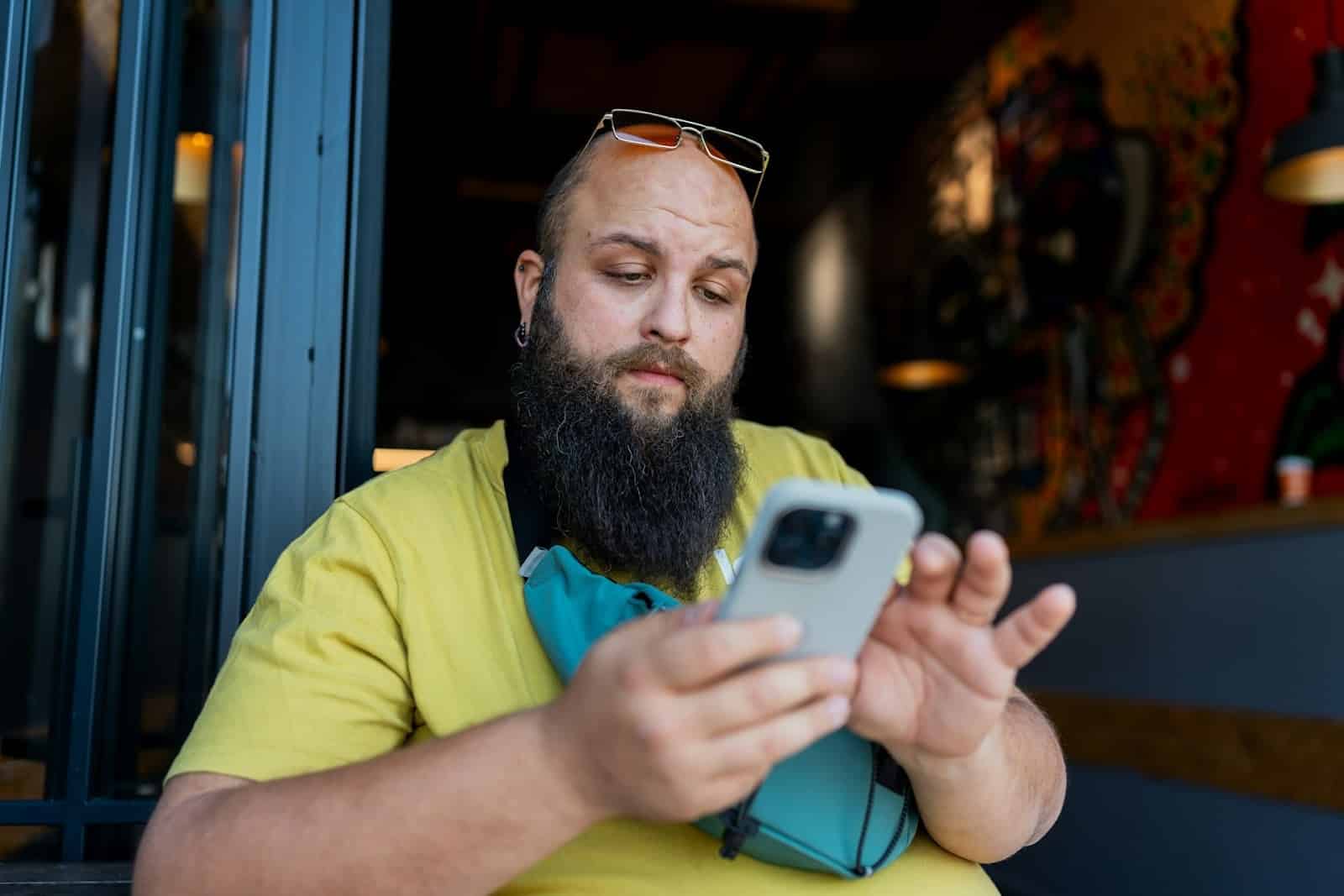
Dating apps connect users to an enormous number of potential partners at once. While this increases opportunity, it also highlights how many alternatives exist. Many men assume they are being evaluated alongside dozens of other profiles in real time. That awareness can create pressure to appear more attractive, more successful, or more interesting than the next person. Instead of focusing on compatibility, attention may shift toward outperforming perceived rivals. Confidence can become linked to how well someone believes they measure up within the larger pool..
When Algorithm Changes Feel Like Rejection

Most dating platforms rely on algorithms to determine which profiles are shown more frequently. Because these systems operate behind the scenes, users rarely understand why visibility rises or falls. A sudden drop in matches may reflect technical adjustments rather than reduced appeal. Without that knowledge, it is easy to interpret lower engagement as a personal failure. The lack of transparency can create unnecessary self-criticism. Emotional reactions often fill in the gaps left by unclear mechanics.
When Notifications Control the Mood

Each notification can trigger anticipation and excitement. Seeing a new match or message often delivers a quick sense of affirmation. When alerts appear regularly, mood may feel lifted and optimistic. When activity slows, the contrast can feel discouraging. This pattern creates a rhythm of highs and lows tied to digital activity. Over time, emotional balance may become sensitive to these small signals.
When Comparison Becomes Automatic

Profiles typically highlight the most flattering photos and impressive details. Viewing polished images of other men can prompt constant comparison. It becomes easy to focus on perceived gaps in appearance, career, or lifestyle. What is often forgotten is that everyone presents a carefully edited version of themselves online. Comparing real life to curated snapshots rarely produces a fair assessment. Still, repeated exposure to idealized portrayals can influence self-confidence in subtle ways.
When First Messages Feel Like Auditions

Sending an opening message can feel like a test of personality. Many men believe they must be clever, confident, and memorable within a few lines. When thoughtful messages fail to receive replies, disappointment can feel sharp. Crafting each interaction with strategy rather than ease may reduce authenticity. Conversations begin to resemble auditions rather than natural exchanges. This performance mindset can affect how freely someone expresses themselves.
When Ghosting Replaces Closure

Conversations on dating apps sometimes end without warning. A promising exchange can suddenly stop with no explanation at all. The lack of closure encourages speculation about what went wrong. Without clear feedback, personal insecurities may fill the silence. Experiencing this pattern multiple times can create guarded expectations. Emotional resilience may be tested by repeated uncertainty.
When Attention Lacks Real Connection

Receiving many matches can feel reassuring at first glance. However, steady engagement does not automatically lead to meaningful conversations. Some men experience attention but struggle to move beyond surface-level interaction. This gap between quantity and quality can create confusion about true compatibility. Confidence built only on numbers may feel unstable. Genuine connection often provides a stronger foundation than volume alone.
When Appearance Becomes the Main Focus
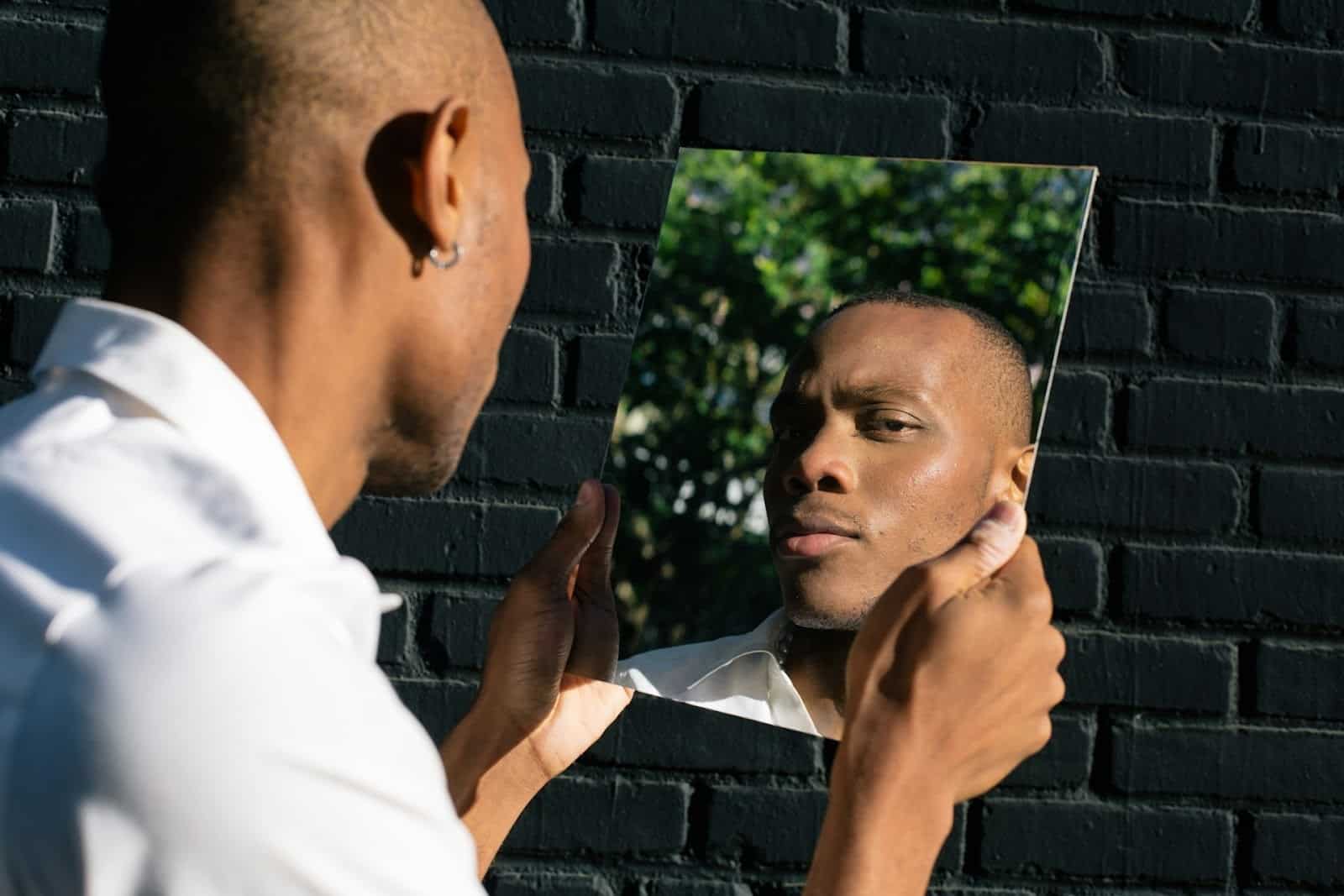
Dating platforms prioritize visual impressions above nearly everything else. Photos are often the deciding factor before personality traits are considered. As a result, many men invest heavily in grooming, fitness, and photography. While self-care can be positive, it may also narrow identity to outward presentation. Approval may feel closely tied to physical traits rather than character. This emphasis can reshape how self-worth is evaluated.
When Delayed Replies Spark Doubt

Modern messaging makes response timing highly visible. When replies take hours or days, assumptions can arise quickly. A delayed message may be interpreted as fading interest or lack of enthusiasm. In reality, busy schedules and competing responsibilities often explain slower communication. Without context, however, the delay may feel personal. Emotional reactions can become closely tied to perceived responsiveness.
When Swiping Turns Into Burnout

Maintaining consistent activity on dating apps requires time and attention. Swiping through profiles and composing messages can become repetitive. When results vary unpredictably, enthusiasm may begin to fade. Some men reduce their effort to protect against disappointment. Lower expectations can feel safer than continued optimism. Fatigue may influence how open someone feels toward new matches.
When Online Feedback Shapes Confidence

Digital platforms provide immediate signals of approval or disinterest. Positive engagement can temporarily strengthen self-image. Reduced activity, however, may trigger self-questioning. Relying heavily on these signals can shift confidence outward. Internal stability may weaken if validation depends on screen-based interaction. Recognizing this pattern helps separate app outcomes from personal value.
When Rejection Feels More Frequent

Traditional dating typically involved fewer simultaneous prospects. Apps expose users to repeated small disappointments within short timeframes. Each ignored message or unmatched profile may seem minor on its own. In combination, these moments can influence overall self-assessment. Frequent rejection may feel routine yet still leave a mark. The scale of exposure changes emotional impact.
When Digital Patterns Affect Real-Life Confidence

Online interactions can influence behavior in offline settings. A man who encounters steady rejection digitally may approach social events with hesitation. Conversely, consistent online success may create heightened expectations. When real-world reactions differ from app experiences, adjustment can feel confusing. Confidence does not always transfer smoothly between environments. Digital history can shape present social posture.
When Profiles Become Performance Projects

Many men repeatedly adjust their photos and biographies in search of better results. Small changes may feel like strategic experiments. While refinement can improve visibility, it may also increase self-scrutiny. Identity becomes something to tweak for improved performance. Balancing authenticity with optimization can feel challenging. Presentation decisions begin to influence self-perception.
When Paying for Matches Raises Expectations

Premium features promise increased visibility and additional tools. Investing money often raises expectations for stronger results. When those expectations are not met, frustration may intensify. The experience can feel transactional rather than relational. Spending introduces another layer of evaluation. Confidence may be affected by whether the investment feels worthwhile.
When Detachment Feels Safer Than Hope
Repeated disappointment can lead to protective distance. Lowering expectations may reduce immediate frustration. However, emotional detachment can also limit genuine engagement. Conversations risk becoming mechanical rather than heartfelt. Guarded interaction may feel safer but less rewarding. Coping strategies influence how confidence stabilizes.
Dating Apps Reshapes Men’s Confidence

Dating apps create continuous cycles of response and evaluation. Swipes, matches, and replies subtly shape self-perception. Some men notice confidence shifts quickly after negative experiences. Others slowly internalize digital outcomes without recognizing the influence. Stepping back to examine these patterns can restore balance. Awareness helps separate online metrics from personal worth.








Ask Me Anything