
Most men screw themselves over in marriage, not because they don’t care, but because they try too hard in all the wrong ways. You say yes when you should speak up. You bury stress instead of sharing it. You throw money, work, or gifts at problems that actually need honesty and presence. Trying to be the “good husband” can backfire fast, and these are the habits that quietly wreck marriages if you don’t catch them early.
Always Saying Yes to Avoid Conflict

You think keeping things calm means agreeing to everything your wife wants, but that usually backfires. Over time, being agreeable without showing your own opinions creates distance. She doesn’t want a silent partner who hides what he really thinks. Respect grows when you can express your needs honestly, even if it leads to a disagreement. A strong marriage doesn’t require constant agreement; it requires trust that both voices matter.
Confusing Support with Control

Wanting to help is natural, but sometimes advice comes across as control. Telling her how to handle every situation can sound dismissive of her independence. Support doesn’t mean taking the wheel; it means walking alongside her. If she feels like you’re managing instead of partnering, resentment grows. Let her know you trust her judgment, and offer help when it’s actually asked for.
Using Money as Love

Buying gifts or spending freely to show love feels generous, but it can hide a deeper problem. If emotional connection is missing, no amount of purchases will make up for it. Money should be a tool for shared goals, not a replacement for intimacy. When affection gets reduced to transactions, the relationship starts to feel hollow. Real love is shown in presence, consistency, and respect, not just receipts.
Overworking to Provide Financial Security

Providing for your family is important, but living at the office is not the same as showing devotion. Many husbands justify long hours by saying they’re doing it for their wife and kids, but money alone cannot replace presence. A partner wants your attention and energy as much as she values your paycheck. If you’re always worn out or too busy, the relationship begins to feel like second place. True security comes when she knows she has both your support and your time.
Burying Stress to “Be Strong”

Many men hide their stress to avoid worrying their partner, but that only creates distance. When you shut down, she can feel the wall even if you think you’re protecting her. Sharing struggles is not weakness, it’s a connection. Vulnerability builds intimacy and trust. Let her in instead of carrying everything alone.
Suppressing Your Own Needs

Putting your wife first sounds noble, but doing it constantly is draining. When you bury your own needs to avoid rocking the boat, resentment builds in silence. A marriage works best when both partners feel seen and valued. Ignoring your own wants doesn’t make you a better husband; it makes you less authentic. Speaking up for yourself is part of staying connected as equals.
Fixing Instead of Listening

Men are problem solvers by nature, but not every problem needs a solution. Often, your wife just wants you to hear her, not fix her life like a mechanic under the hood. Jumping in with answers can make her feel dismissed, as if she isn’t capable of handling her own struggles. A good husband learns when to just sit, listen, and give empathy. Sometimes, presence matters more than solutions.
Avoiding Tough Conversations

No one likes conflict, but avoiding it makes things worse. Small frustrations grow when they’re never addressed, and eventually they explode. A marriage is built on trust, and that trust requires being honest about uncomfortable things. Talking through the hard stuff is how intimacy deepens. Choosing silence may feel like peace, but it leaves important problems unsolved.
Always Putting Kids First

Children deserve love and attention, but a marriage cannot survive if it’s neglected for years. Many couples get so caught up in parenting that they forget to nurture their bond. A strong partnership is actually one of the best gifts you can give your kids. When your marriage is solid, the whole family benefits. Putting kids first should never mean putting your spouse last.
Ignoring Your Own Health

Telling yourself “I’m fine” while ignoring your health only hurts your marriage in the long run. Skipping checkups, sleep, or exercise doesn’t just cut into your energy—it cuts into your future. Your wife married you, expecting to share a long life together. Taking care of yourself is part of taking care of her. Health is not selfish; it’s part of being a dependable partner.
Letting Romance Die Because You’re Comfortable

Comfort is good, but letting romance disappear is not. Many men stop trying once they feel secure in the marriage, assuming stability replaces effort. But your wife still wants to feel chosen, not just settled with. Small gestures, surprises, and intentional time together keep the spark alive. Romance doesn’t need grand gestures, but it does need consistency.
Doing Chores Like a Martyr
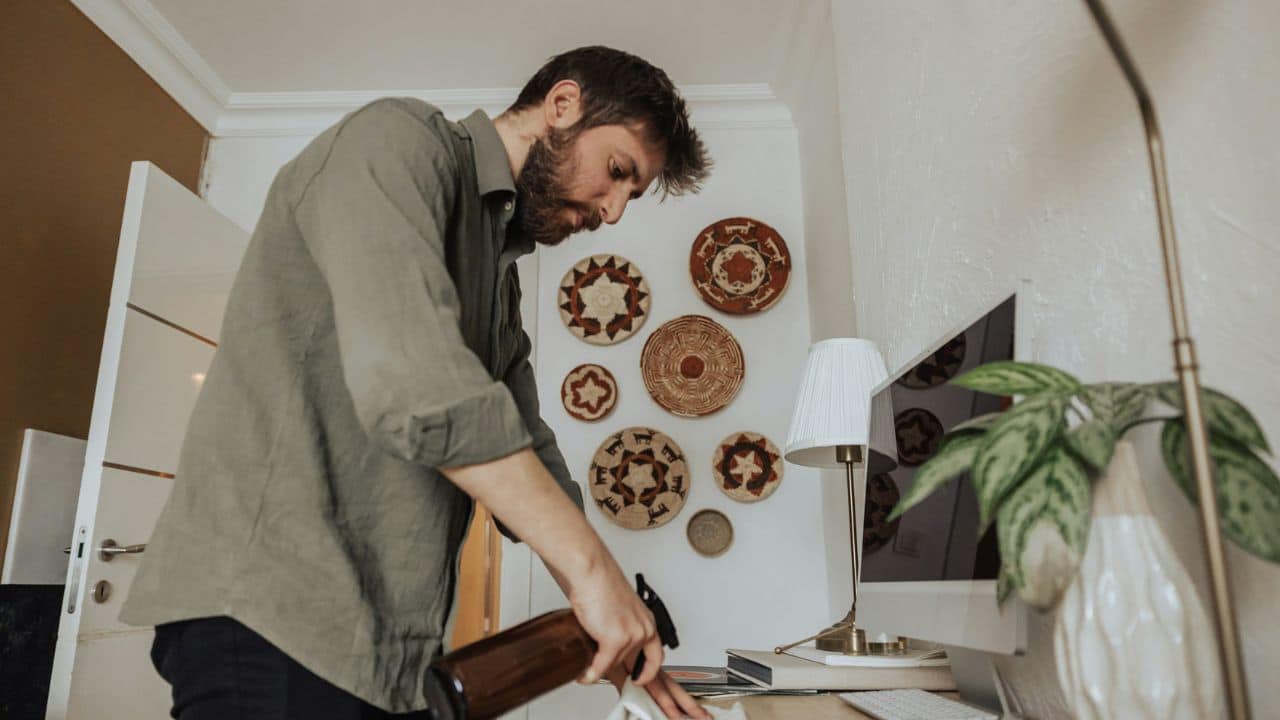
Helping around the house is part of a partnership, but complaining about it ruins the effort. If you do chores while making it sound like a sacrifice, you send the message that teamwork is a burden. A strong marriage needs shared responsibility without scorekeeping. No one wants a partner who constantly reminds them of how much they’ve done. Pitch in willingly, not as a way to earn points.
Trying to Keep Her Happy 24/7

Taking responsibility for your wife’s happiness will drain you. You cannot control someone else’s mood, no matter how much effort you put in. Trying to manage her feelings leads to exhaustion and frustration. Your job is to support, not to be her emotional regulator. A healthy marriage allows both partners to carry their own emotions.
Letting Work Define You

Career success can give you pride, but when it’s your whole identity, your marriage suffers. If your only value is in your job, your wife gets the scraps of whatever is left. She didn’t marry your resume; she married the person behind it. Work is important, but so is showing up as a partner. Don’t let your role at the office swallow the role at home.
Skipping Male Friendships

Your wife cannot be your only source of emotional support. Many men cut off friendships once married, expecting her to fill every role. That creates pressure on the relationship that no partner can fully handle. Friendships with other men provide release, perspective, and balance. A healthier husband does not forget the importance of brotherhood.
Downplaying Your Accomplishments

Staying humble is good, but constantly downplaying yourself can backfire. Confidence is attractive, and celebrating your wins doesn’t mean arrogance. If you always minimize your achievements, you may look unsure of yourself. Your wife wants to see you proud of who you are. Owning your strengths is part of being a strong partner.
Ignoring Boundaries with Extended Family

Family matters, but letting in-laws or parents overstep creates real tension. When you bend too much to please them, your marriage pays the price. Your wife needs to know that the partnership comes first. Clear boundaries show loyalty and respect for your household. Without them, outside voices can control what should be your decisions together.
Losing Yourself in the Role of Husband

Being a supportive husband doesn’t mean losing your individuality. Many men think devotion means giving up hobbies, passions, or personal goals. But those are the same qualities that made you interesting to her in the first place. A healthy marriage is built on two whole people choosing each other. When you lose yourself, you weaken the bond instead of strengthening it.








Ask Me Anything