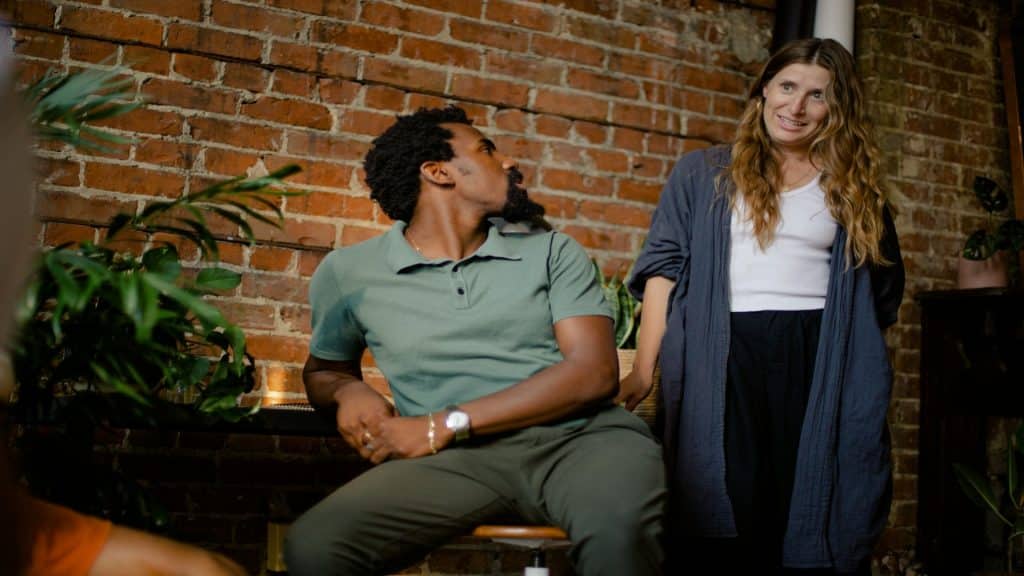
Emotional processing in relationships does not always look the same for everyone. Men, in particular, often experience and handle emotions in ways that are less visible on the surface. This can sometimes be misunderstood as distance, lack of care, or disinterest. In reality, many men are simply taking time to understand what they feel before expressing it. Their process tends to be more internal than outward. This difference can create confusion, especially when a partner expects immediate emotional responses. What looks like silence can actually be reflection. The following slides explore how men tend to process emotions internally and how that shows up in their behavior.
They Process Internally First

Many men tend to process emotions internally before sharing them. Instead of reacting immediately, they take time to think through what they are feeling. This internal approach helps them make sense of emotions in a structured way. From the outside, it can look like they are distant or unresponsive. In reality, they are often trying to understand their own reactions first. Speaking too soon may feel unclear or inaccurate to them. They prefer to express something once it feels fully understood. This can create a delay that is easy to misinterpret.
Silence Does Not Always Mean Disinterest

Silence in emotional situations can often be misunderstood. A man may not respond right away, not because he does not care, but because he is processing. He may need time to organize his thoughts before speaking. This can create a gap in communication that feels uncomfortable. His partner may expect reassurance or immediate feedback. Instead, he offers quiet reflection. This difference in response style can lead to confusion. Silence, in this case, often reflects thought rather than absence.
They Need Time to Understand What They Feel

Emotions are not always immediately clear, and many men recognize that. They may experience a feeling without fully understanding it at first. Instead of expressing something uncertain, they take time to figure it out. This process can take longer than expected. It allows them to respond with more clarity later. Their partner may feel like they are holding back. In reality, they are trying to avoid saying something they do not fully mean. This careful approach is part of how they process emotions.
Talking Comes After Thinking

For many men, communication follows understanding rather than happening alongside it. They prefer to think first and speak after. This is different from processing emotions through conversation. Their partner may want to talk things through in real time. He may need space before he can do that. This difference can create frustration on both sides. He is not avoiding the conversation. He is preparing for it in his own way.
They May Withdraw to Process

Withdrawal is often part of emotional processing for men. When something feels overwhelming or unclear, stepping back helps them think. This can look like distance or disengagement. A partner may feel pushed away during these moments. In reality, the space is often temporary and purposeful. It allows him to sort through what he is feeling. Once he has clarity, he is more likely to re-engage. This pattern can repeat in different situations.
Emotional Expression Can Be Subtle

Not all emotional expressions are verbal or obvious. Men may show how they feel through actions instead of words. Small gestures, consistency, or presence can reflect emotional investment. A partner may expect direct verbal expression. When it is not there, it can feel like something is missing. However, the emotion is still present. It is simply expressed differently. Recognizing these patterns helps in understanding their behavior.
They Prefer Solving Before Sharing

Some men approach emotions with a problem-solving mindset. When something feels off, they try to understand or fix it internally. This can delay emotional sharing. Their partner may want to discuss the issue openly. He may feel the need to process it privately first. This difference in approach can create tension. He is not avoiding the issue. He is trying to handle it in a way that makes sense to him.
They May Struggle to Label Emotions

Putting feelings into words is not always easy. Some men feel emotions clearly but struggle to label or explain them. This can make communication feel incomplete. A partner may ask for clarity that he cannot immediately provide. This does not mean he is hiding something. It often means he is still figuring it out himself. This can create pauses in communication. Those pauses are part of the process.
They Respond Better With Space Than Pressure

Pressure to respond emotionally can sometimes have the opposite effect. When pushed to express something quickly, a man may shut down instead. Space allows him to process at his own pace. This often leads to more honest communication later. His partner may feel the urge to push for answers. This can create tension instead of clarity. Giving space does not mean ignoring the issue. It means allowing time for a more thoughtful response.
They Revisit Emotions Later

Men may not fully process emotions in the moment. Instead, they revisit situations later when they have more clarity. This delayed processing can seem disconnected. A partner may have already moved past the moment. He may still be thinking about it. This difference in timing can feel confusing. However, it is part of how he works through things. Reflection often happens after the situation has passed.
Actions Often Reflect Feelings

Actions can be a strong indicator of how a man feels. He may not always express emotions verbally, but his behavior often shows it. Consistency, support, and presence all carry meaning. A partner may focus on what is said rather than what is done. This can lead to misunderstanding. His actions may communicate more than his words. Recognizing this can shift perspective. Behavior often reflects emotional investment.
They Avoid Saying Things They Do Not Mean

Some men are careful about what they say during emotional moments. They may avoid speaking until they feel sure of their words. This can create delays in communication. A partner may want immediate reassurance or clarity. He may wait until he feels certain. This approach reduces the chance of saying something impulsive. It reflects caution rather than avoidance. His silence often has intention behind it.
Emotional Growth Takes Time

Emotional expression can evolve over time. A man may become more open as he feels more comfortable. This growth is often gradual rather than immediate. Early stages may feel more reserved. As trust builds, expression may increase. This change may not always be obvious. It happens through repeated experiences. Patience plays a role in this process.
They May Not Mirror Emotional Intensity

Men may not always match the emotional intensity of their partner. This does not mean they feel less. It often means they express it differently. A partner may show emotion more visibly. He may remain calm or measured. This difference can create misunderstanding. It may seem like a lack of reaction. In reality, there is a difference in expression style.
They Value Emotional Stability

Stability plays an important role in how men process emotions. Consistent, calm interactions make it easier for them to engage. Highly reactive situations can make them withdraw. They may prefer steady communication over emotional intensity. This helps them feel more comfortable expressing themselves. Stability creates a safer space for processing. It supports clearer communication.
Processing Does Not Mean Avoiding
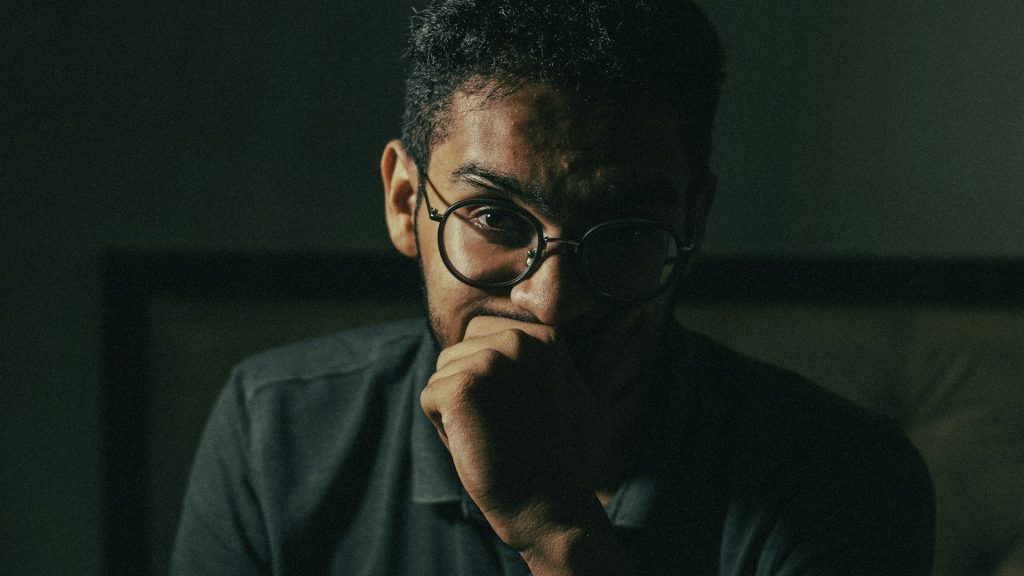
Taking time to process is not the same as avoiding emotions. A man may appear distant while still being engaged internally. This distinction is important to understand. Avoidance involves ignoring the issue. Processing involves working through it quietly. The two can look similar on the surface. However, the intention is different. Recognizing this helps prevent misunderstanding.
They Open Up When They Feel Safe

Emotional openness often depends on feeling safe. When a man feels understood and not judged, he is more likely to share. This does not always happen immediately. It builds through consistent experience. A supportive environment encourages openness. Without it, he may remain more reserved. Safety influences emotional expression. It shapes how he communicates.
Timing Matters in Emotional Conversations

Timing can affect how men respond emotionally. They may not be ready to engage in a deep conversation at any moment. When the timing feels right, they are more open. If approached at the wrong time, they may seem distant. This can create confusion. Understanding timing helps improve communication. It allows for better interaction.
Understanding Reduces Misinterpretation
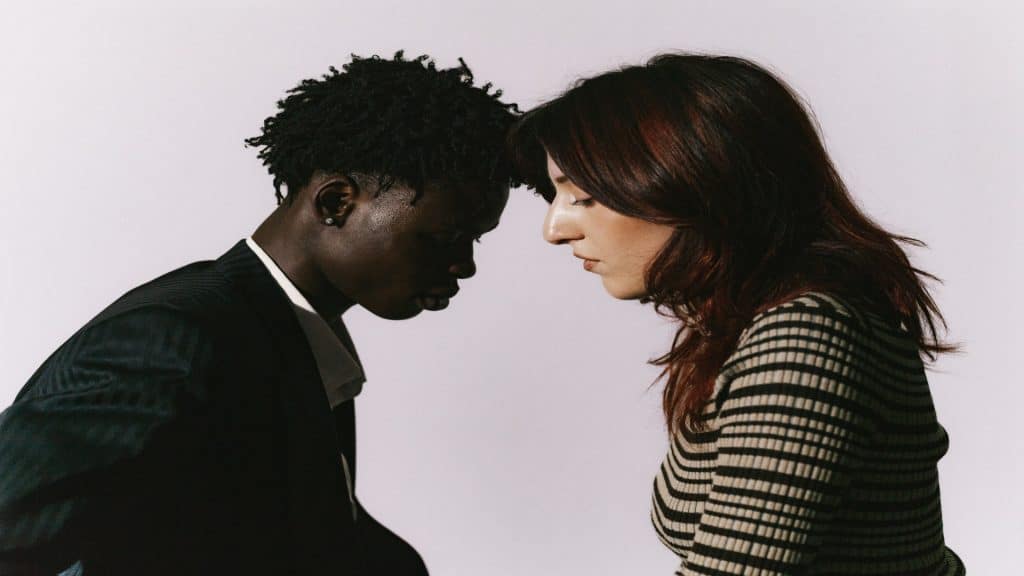
Recognizing how men process emotions helps reduce confusion. What may seem like distance can actually be reflection. Differences in emotional style do not mean lack of care. They reflect different ways of engaging. Understanding these patterns improves communication. It creates more patience in the relationship. This helps both partners connect more effectively.
Emotional Processing Looks Different

Emotional processing is not always visible, but it is still happening. Men may not express everything outwardly, but they still experience it. Their approach may feel slower or quieter. This does not mean emotions are missing. It simply means they are handled differently. Recognizing this difference changes perspective. It helps create better understanding.








Ask Me Anything