
Marriage can feel like a full-contact sport at times. Men often face expectations that pull in every direction—financial, emotional, and household responsibilities. Their responses can seem distant or even frustrating to a partner. Many of these reactions are misunderstood rather than careless or uncaring. Understanding how men manage pressure can help you see the reasoning behind their actions and respond more effectively.
Avoiding Certain Conversations
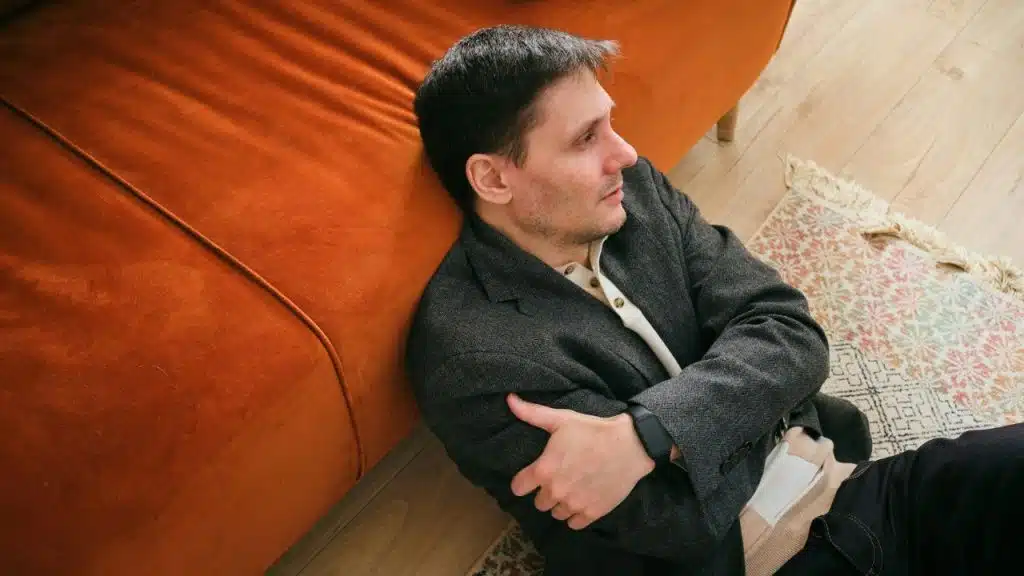
Some men skip emotional talks not because they don’t care but because they feel ill-equipped to express their feelings. Conversations about stress or expectations can trigger discomfort or defensiveness. Avoidance is often temporary, a pause until he can engage constructively. Patience and timing matter more than pushing for immediate discussion.
Expressing Stress Through Body Language

Nonverbal cues often speak louder than words for stressed men. Tense posture, avoidance of eye contact, or fidgeting can reveal pressure before it’s verbalized. Recognizing these signals early allows partners to respond with patience rather than frustration. Paying attention to the body can prevent unnecessary misreading of intentions.
Pulling Back Emotionally

When a man seems distant, it often signals stress rather than a lack of care. Emotional withdrawal gives him space to process thoughts without feeling overwhelmed. It can look cold or indifferent, but it’s usually a pause to handle pressure internally. Recognizing this behavior as a coping mechanism can prevent unnecessary conflict.
Focusing on Work or Projects

Immersing himself in work, hobbies, or side projects is a common outlet for men under pressure. Focusing on something tangible allows him to regain control and reduce mental clutter. It can appear like avoidance, but it’s often his way of handling stress quietly. Giving him room to engage in productive distractions can ease tension for both partners.
Becoming More Critical
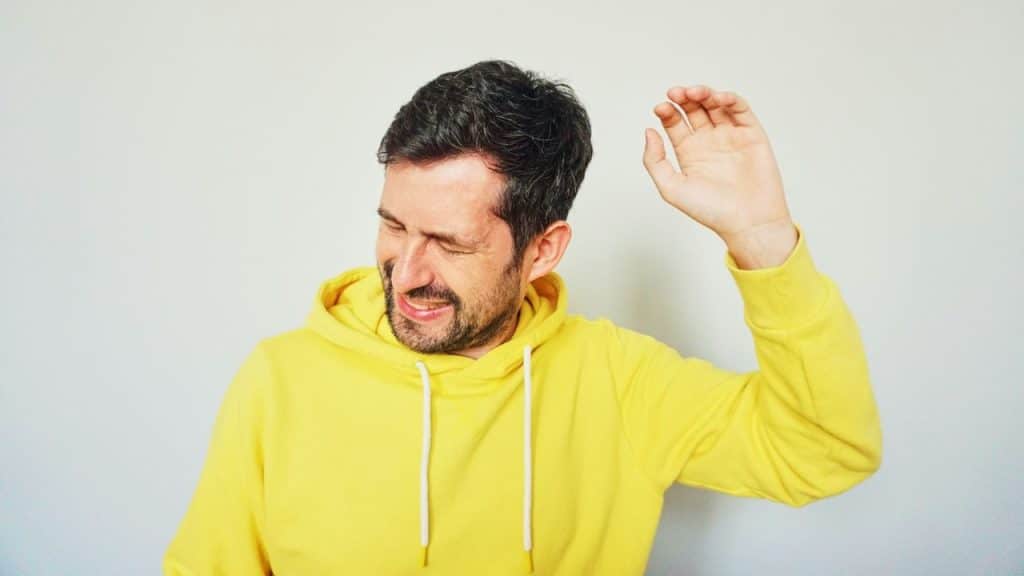
Increased criticism or nitpicking can show up when a man feels pressured. It’s less about attacking a partner and more about venting internal stress. These comments can sting, but understanding the context helps reduce tension. Recognizing patterns can guide calmer responses instead of reacting emotionally.
Seeking Space or Solitude

Time alone is essential for many men to clear their heads. Solitude allows reflection and emotional recalibration without external pressure. Interrupting this can intensify stress rather than reduce it. Accepting brief periods of separation as healthy can strengthen the relationship in the long run.
Using Humor or Sarcasm

Jokes and sarcasm are often defense mechanisms when stress rises. Humor can deflect tension and make difficult situations more manageable. It doesn’t mean the issue is trivial or ignored. Seeing the intent behind the laughter helps bridge communication gaps.
Physical Outlets

Exercise, hands-on projects, or physical activity are ways men release stress naturally. Moving their body helps reset mental strain and brings clarity. These outlets are often prioritized over emotional expression. Supporting or joining in can create a connection without pressuring conversation.
Silent Problem-Solving

Many men prefer to solve issues internally before sharing them. Thinking through solutions allows him to feel prepared rather than reactive. This silent process can look like withdrawal or avoidance. Understanding it as strategic planning rather than disengagement helps reduce misunderstandings.
Shutting Down Temporarily

Brief shutdowns happen when stress peaks and emotions threaten to spill over. Stepping back gives him time to collect his thoughts before re-engaging. Interrupting the pause often escalates frustration. Respecting this temporary retreat can prevent unnecessary arguments.
Overcommitting or Hyper-Planning

Taking on extra tasks can be a way for men to regain control during high-pressure periods. Filling the schedule may mask internal overwhelm or fear of failure. It’s not always about ignoring family or relationship priorities. Recognizing the underlying stress can help guide support rather than criticism.
Comparing With Others

Men often look at peers, friends, or past experiences to measure their own progress or stress. Comparing can provide context and help evaluate options under pressure. It doesn’t mean dissatisfaction with their partner or relationship. Awareness of this pattern can reduce misinterpretation and unnecessary tension.
Seeking Advice From Trusted Friends

Opening up to friends is sometimes easier than discussing stress with a spouse. Trusted peers offer perspective without emotional weight. This approach can help men process problems privately before sharing with their partner. Encouraging external support can improve overall communication and reduce misunderstandings.
Prioritizing Practical Solutions Over Emotional Discussion
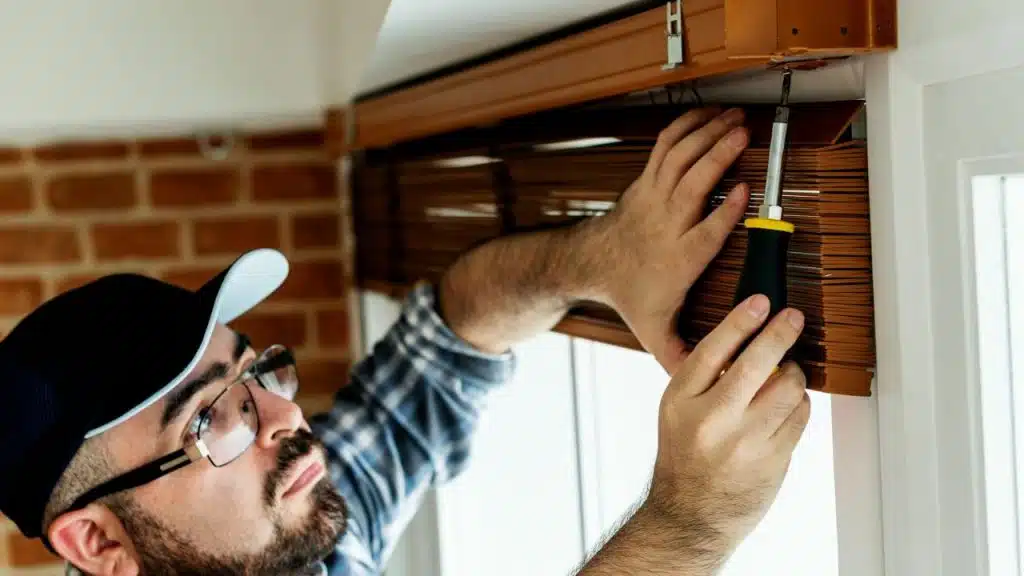
Men often focus on solving problems rather than exploring feelings. Offering solutions can feel like taking action, even when emotional dialogue is desired. This approach can clash with partners who want immediate emotional validation. Understanding his focus helps balance emotional and practical conversations.
Subtle Acts of Reassurance
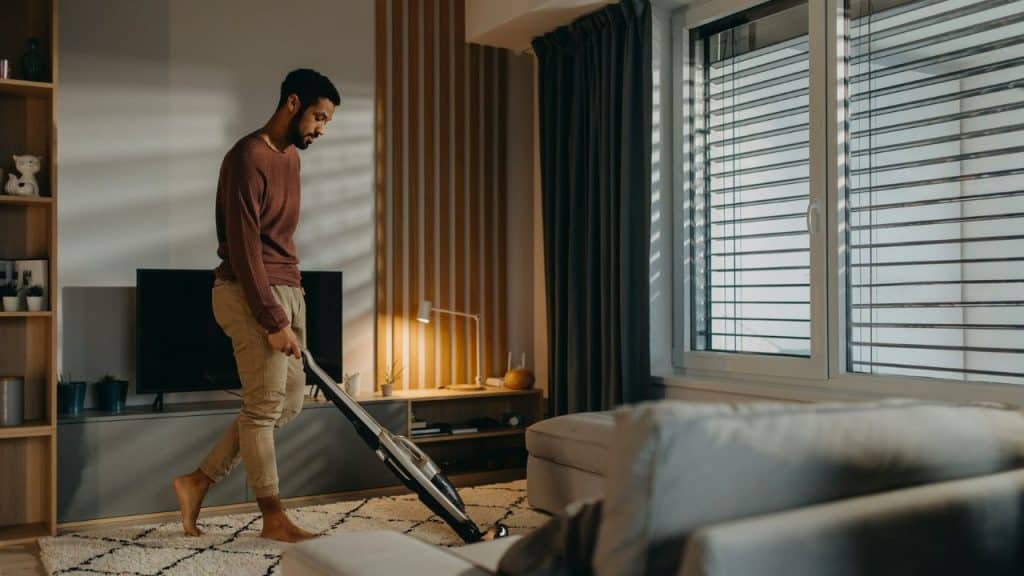
Even under pressure, men often express care through small, tangible actions. Fixing something around the house, leaving a note, or handling a task quietly can signal love without words. These gestures can be overlooked if only verbal communication is valued. Recognizing small acts helps maintain connection during stressful periods.








Ask Me Anything