
Marriage in its current form is quite different from what it was about a generation ago. The conventional roles, expectations, and timelines that it once embodied are being modified by couples who demand greater equality, emotional intimacy, and individuality as time passes.
Modern Marriage is no longer concerned with tradition or obligation. Rather, it is viewed as a deliberate choice. Today’s marriage is founded on shared goals for growth, mutual respect, and a profound comprehension of what partnership really implies in the 21st century. Marriage is evolving, from gender roles to greater emotional connection.
Marriage is No Longer a Requirement

There was a time when there was a certain level of social pressure associated with marriage. It necessitated that people get married as soon as possible. Nowadays, there aren’t many people who are marrying because of this, but rather because they want to. There is no pressure associated with marriage, and new couples don’t buckle under societal pressure or demands in the least. This is indeed a positive change if you ask us.
Equality Matters More Now

Partnerships are changing from the traditional mode that was defined by rigid gender roles towards a balance. This balance extends to include emotional, financial, and domestic aspects of life. No longer are the wife and husband seen as exclusive entities where one holds sway and authority over the other. Both are viewed as partners in a relation that stresses equality above everything else.
Emotional Connection Takes Precedence

Marriage for generations was associated with status and survival. That has changed now because marriage is seen as a conduit for emotional connection and intimacy. Those who willingly enter into this contract are aware that this bond will bring them their desired emotional intimacy and connection via shared values. In fact, these traits have taken the central stage in today’s modern marriage.
It is Alright to Wait Before Marrying

Couples nowadays have different priorities, and they take precedence over the drive to get married. They are interested in enhancing their faculties concerning education, focusing on their careers, and discovering themselves. This gives them the time required for attunement, which is a requirement for marriage. They are wiser, and that is why they delay marriage to strengthen their life in other facets first.
Women are More Independent Now
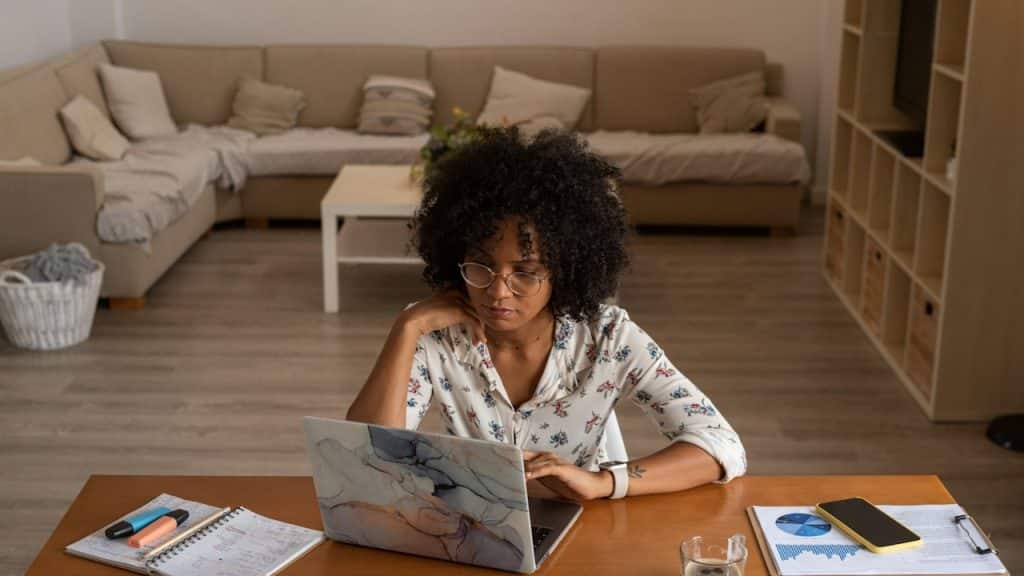
Modern women are more interested in attaining independence and individuality. They prioritize the accomplishment of personal goals and becoming sufficiently empowered. Only then do they think about marriage, and we are all for it.
Dual-income households are the Norm Now

Gone are the days when man was seen as the sole breadwinner for the family while the woman toiled away at home. Nowadays, financial partnership is the norm and is replacing this outdated notion. This stimulates teamwork and places a shared responsibility on both spouses to provide for and improve their family’s standard of living.
More Open and Honest Communication
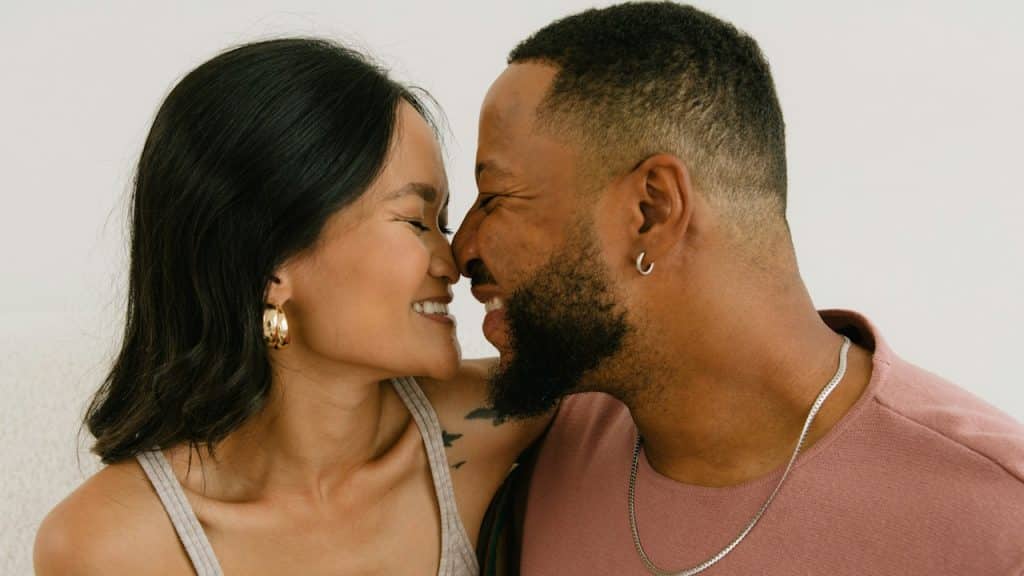
Marriages weren’t exactly known for facilitating mechanisms for open communication amongst spouses in the past. That has changed now since couples are starting to promote open communication instead of obstinate silence or stoicism. This is a move that serves to keep love sustained in the relationship and ensures sustainability and transparency.
Therapy is No Longer Frowned Upon

Marriage counseling and discussing the issues in one’s marriage were considered taboo topics in the past. However, personal growth goals and marriage counseling have become a source of strength and reinforcement in modern marriages. They are regarded as a strength, rather than a weakness. Modern couples feel that emotional maintenance is a part of marriage, and therapy is the key to achieving it.
Technology is Changing the Connection

Technology has certainly altered the dynamics of modern marriage. Texting, video calling, and other means of communication allow couples to manage long-distance relationships effectively. Digital intimacy has also become a prominent part of the modern marriage experience.
Parenting Roles are More Flexible Now
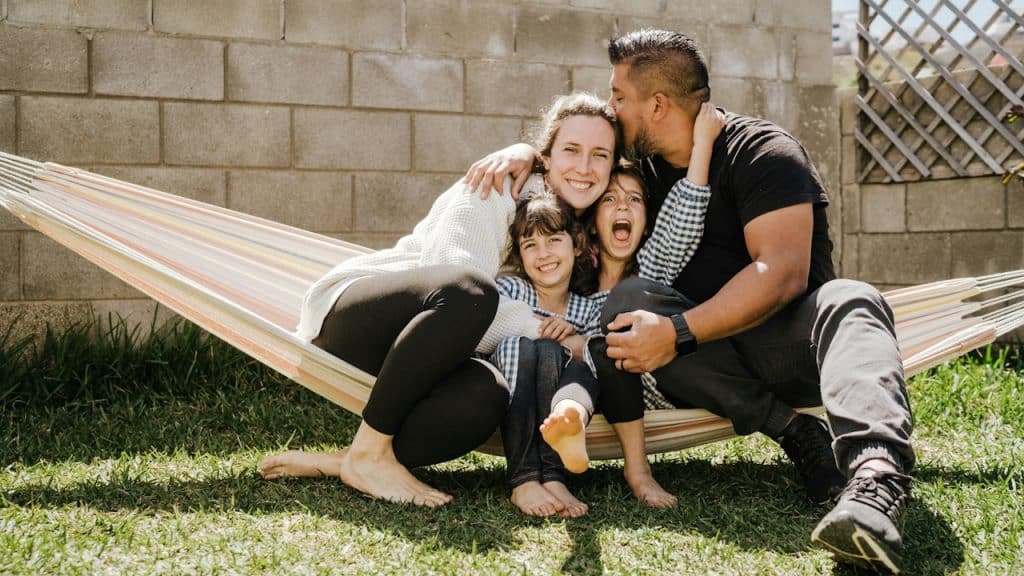
Mothers in marriage were expected to be the sole caregivers and nurturers for the children. They were responsible for feeding, rearing, and caring for the kids. However, as we have already said, this is the era of equality. Modern married couples are more willing to share responsibilities. The fathers play their part more proactively when it comes to parenting. This leaves the mothers free to pursue their professional ambitions, careers, and educational goals. These couples realize that parenting is a shared responsibility and a journey that they need to embark on together.
Conventional Expectations of Gender are disappearing

Modern couples have become more prone to defining and formulating their own rules. This includes roles related to domestic work like cooking and cleaning, who leads in decision making, or who earns more in the household. The traditional gender expectations are starting to fade in the present times.
Nontraditional Modes of Families are Becoming Common
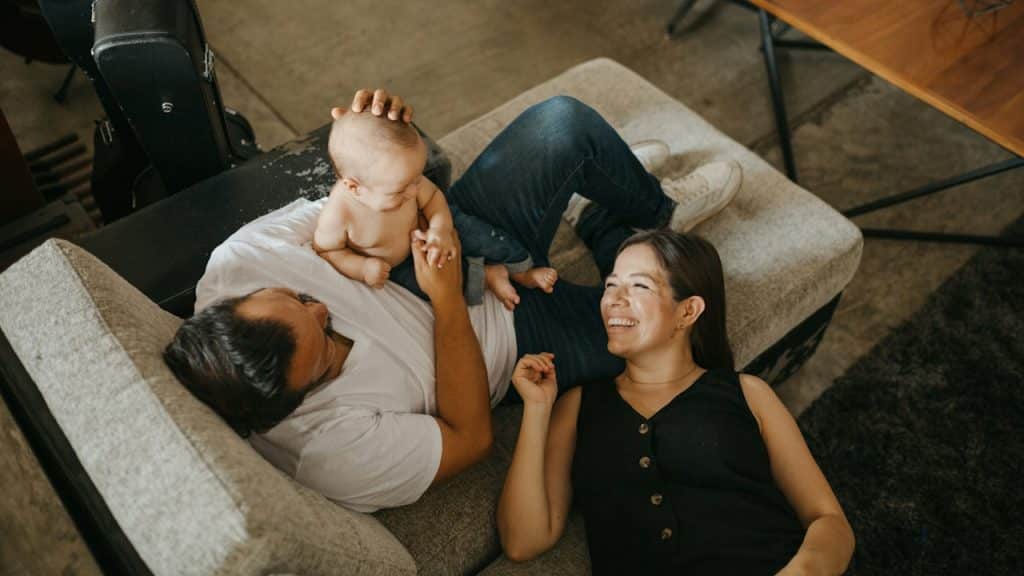
It is no longer unusual to find families with blended or nonconventional structures in society. Stepfamilies, second marriages, co-parenting, and other modes of marriage are quickly becoming the norm. This signifies a more flexible outlook regarding what constitutes a family and love, and is, quite frankly, something to celebrate.
Prioritizing Emotional and Mental Health

Modern partners in marriages have begun to realize that a sound and happy marriage depends upon their mental and emotional health. It is just as important as physical health, and therefore, they take all the necessary steps needed to remain healthy on both levels.
The Fallibility of Marriages is Recognized

No longer do modern couples see marriage as a model of the “Till death do us part” adage. People are aware of the fact that not all marriages are going to stand the test of time. They know that marriages break down and people split up. They are also aware of the fact that ending a marriage doesn’t mean it was a failure, but rather a sign that the two people in it were just incompatible or had evolved.
Companionship is Preferred

Companionship wasn’t a prerequisite for marriage about a generation ago. However, the present has seen the rise of a mentality where people seek out potentially compatible spouses. They seek out those with whom they can form a strong and genuine partnership that is predicated on friendship.
Intimacy Goes Beyond the Physical Plane
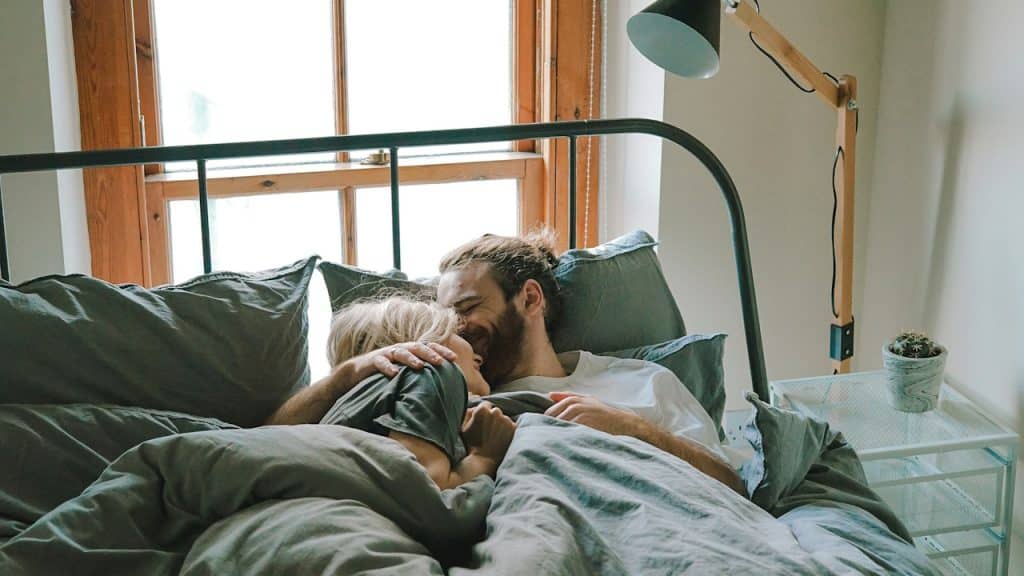
Physical intimacy is great and all, but modern couples know that it doesn’t bring longevity in the relationship. Emotional intimacy, open communication, and having a shared sense of purpose are what really drive the marriage to levels of profundity that mere sex never can.
Marriage is About Growth
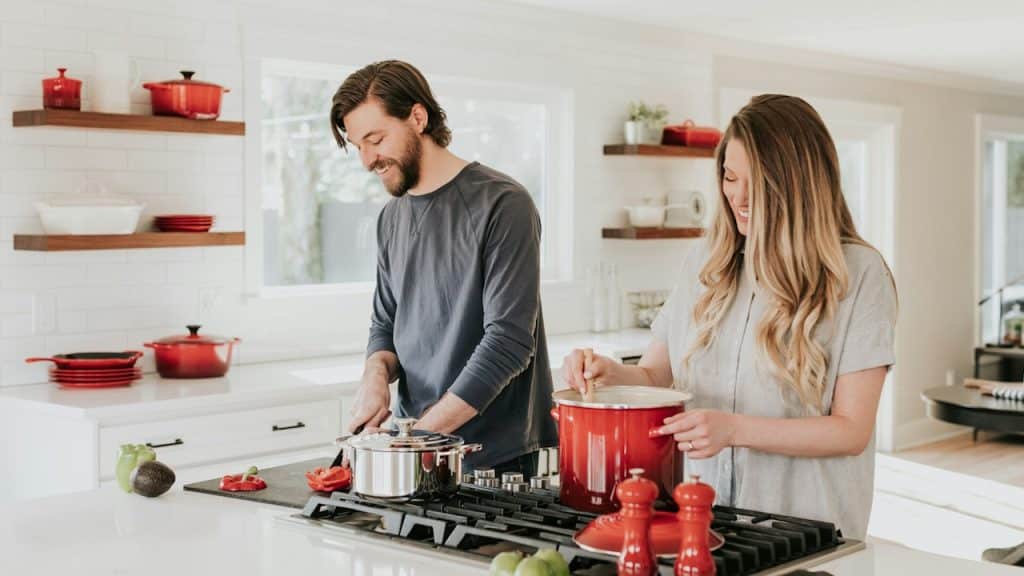
Marriage was seen as a source of stability in one’s life, with growth being a trivial component of the equation. But it has grown to become the main aspiration in modern marriages. Couples today have realized that marriages aren’t static, but rather dynamic. The people in it change over time, and this growth is what strengthens the relationship. That is why, for many, this growth is the true aim that they pursue ardently.
Final Thoughts
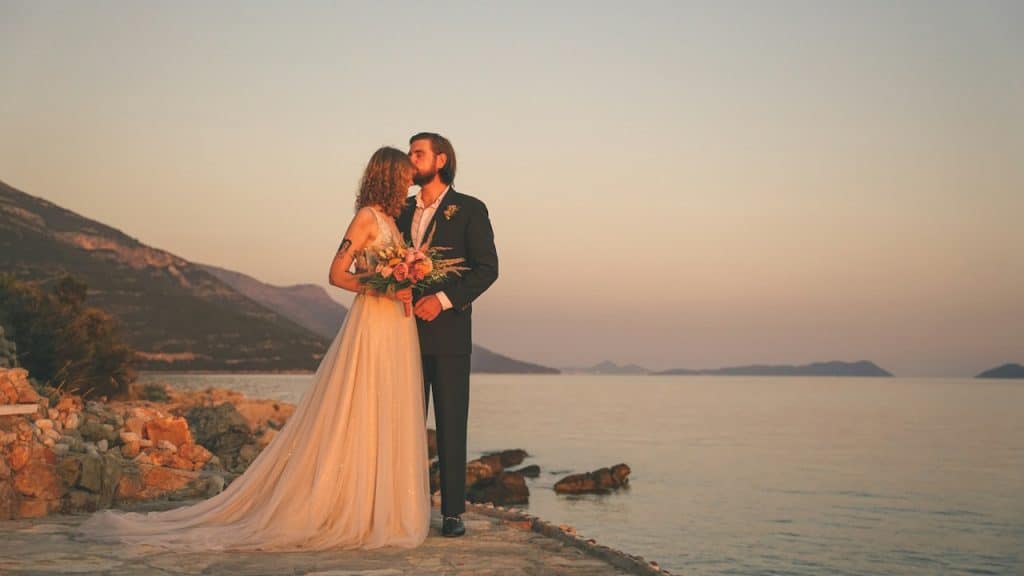
We have come a long way, and the evolution of modern marriage is a testament to this progress. Marriage was a contract filled with rigid and conventional expectations. However, this relationship has grown considerably since then. Some might perceive these changes with disdain, but it is their ignorance that is to blame.
Marriage has become a bond that isn’t bound by tradition, but rather enriched by respect, connection, and shared purpose. It is no more about finding a partner but rather finding one that you love and aligns with your objectives, ideals, and proclivities. In short, it is about finding the right person for yourself.






Ask Me Anything