
Marriage today doesn’t look much like it did in the early ‘90s. Some of the changes are obvious–technology, gender roles, even how people meet. But others are more subtle shifts in expectations, communication, and the way couples see the institution itself. If you were to step back and compare what marriage meant to your parents with what it means now, you’d see a completely different blueprint. The idea of “forever” hasn’t disappeared, but it’s been reshaped by culture, economics, and evolving ideas of partnership.
Let’s break down the biggest ways marriage has transformed in the last three decades.
1. People Are Getting Married Later

Three decades ago, it wasn’t unusual for couples to marry in their early 20s. Now, the average age of marriage has pushed closer to 30. This shift isn’t just about waiting–it’s about building stability first. People want careers, savings, and a clearer sense of self before tying the knot. The upside is that many couples walk into marriage more mature and prepared; the downside is that some may struggle to merge two lives that are already deeply established.
2. Cohabitation Before Marriage Has Become the Norm

In the past, living together before marriage carried stigma. Today, it’s more expected than unusual. Couples use cohabitation as a “trial run” to test compatibility and iron out practical details. While this can prevent surprises later on, it also changes the dynamics of marriage–many couples already feel like they’re married long before the paperwork and ceremony happen.
3. Gender Roles Have Shifted Dramatically

The traditional “husband as provider, wife as homemaker” model has crumbled. Dual-income households are now the standard, and roles in childcare, housework, and decision-making are much more fluid. This evolution has created more equal partnerships, but it’s also forced couples to actively negotiate responsibilities instead of leaning on preset roles.
4. Technology Has Rewritten Communication

Thirty years ago, couples left handwritten notes or made calls from landlines. Now, they text, FaceTime, and send voice notes throughout the day. While technology keeps couples constantly connected, it also introduces new challenges–miscommunication over text, overexposure, or even digital distractions pulling partners away from real conversation.
5. Online Dating Has Reshaped How Couples Meet
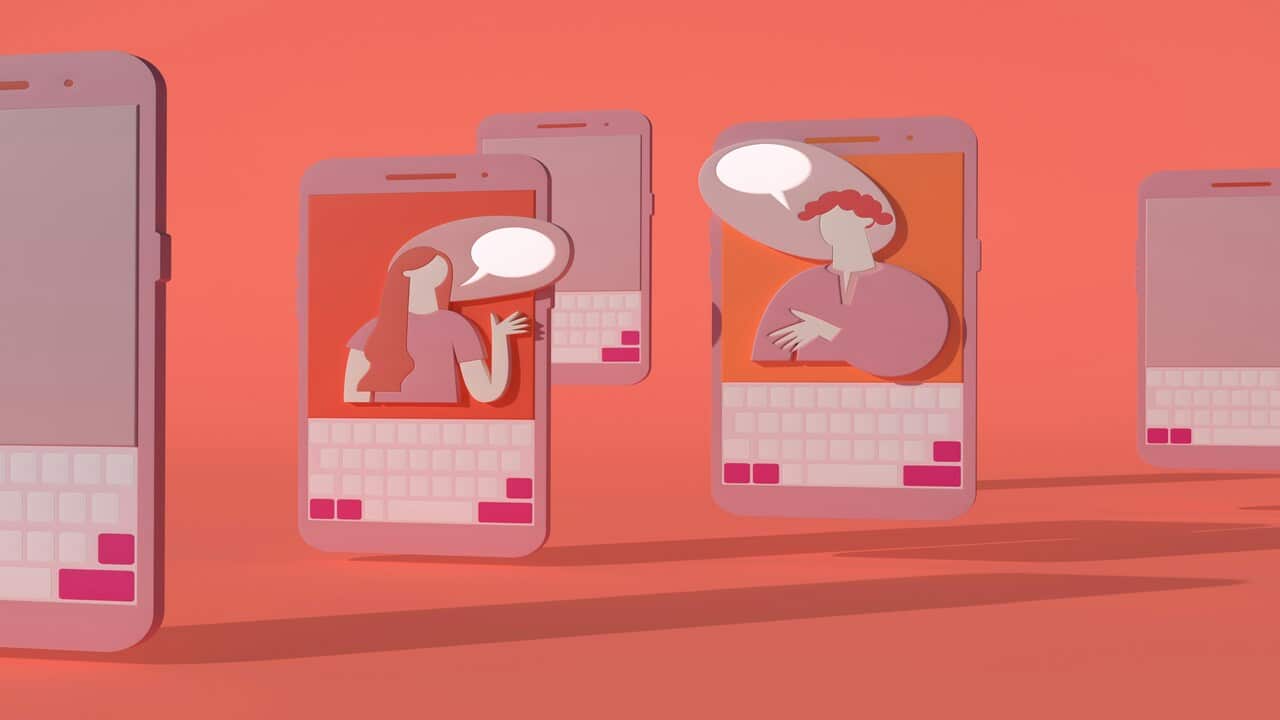
Back then, people typically met through friends, school, or work. Today, apps and dating sites dominate the landscape. This has expanded options, letting people meet outside their immediate social circles, but it’s also made dating–and eventually marriage–feel more transactional. Couples must sift through endless choices, which can sometimes create the illusion that there’s always someone “better” out there.
6. Financial Pressures Are Much Heavier

Student debt, rising housing costs, and inflation have all changed what it means to start a life together. Couples today often carry significant financial baggage into marriage. This makes joint money management more complex, but it also forces partners to have more honest conversations about budgets, debt, and long-term goals than in past generations.
7. Emotional Intimacy Is Prioritized More

Thirty years ago, marriage was often seen as fulfilling practical or social roles. Today, emotional connection sits at the center. Couples expect not just companionship, but deep emotional support, shared vulnerability, and a sense of personal growth within the relationship. The bar for intimacy is higher–and marriages that lack it often struggle.
8. Divorce Carries Less Stigma

In the past, divorce was often whispered about or treated as a personal failure. Now, it’s widely accepted as a valid choice when a marriage no longer works. This doesn’t mean couples enter marriage expecting divorce–it means they enter with the knowledge that leaving is an option if respect and love can’t be sustained.
9. Therapy Has Become Normalized

Thirty years ago, therapy was often seen as a last resort. Today, couples’ counseling and even individual therapy are viewed as healthy, proactive tools. Many couples use therapy not just to “fix problems” but to strengthen communication and prevent issues from escalating. It’s now a sign of investment, not failure.
10. Weddings Are Bigger (and Smaller) at the Same Time
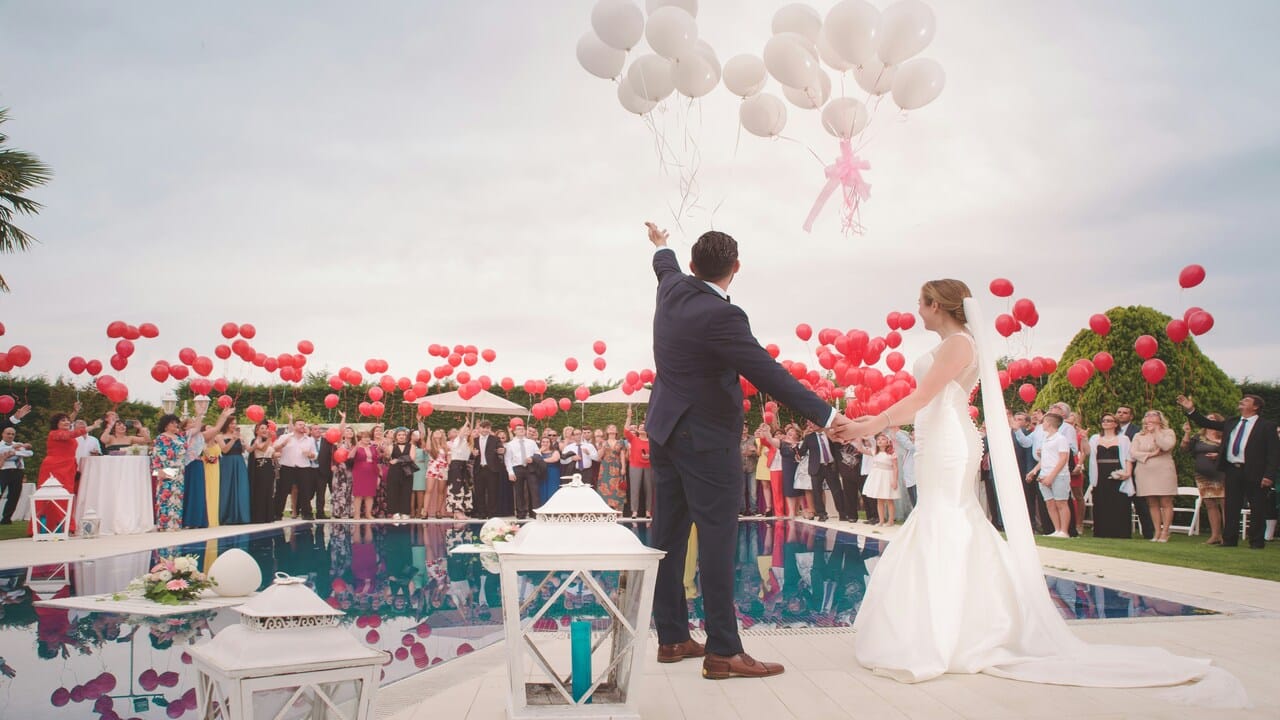
The wedding industry has exploded into a billion-dollar machine, with elaborate events and social media-worthy details. At the same time, some couples are moving in the opposite direction–choosing micro-weddings, elopements, or courthouse ceremonies. The focus has shifted from tradition to personalization, with couples prioritizing what feels authentic rather than what’s expected.
11. Parenting Within Marriage Looks Different

Parenting roles have become more balanced, with fathers expected to be more involved and hands-on than in past decades. Technology, parenting blogs, and social media have also reshaped expectations, putting more pressure on parents to “do it all” perfectly. Couples must now navigate not just raising kids but also filtering out outside noise and judgment.
12. Long-Distance Marriages Are More Feasible

Technology, cheaper flights, and remote work have made it possible for some couples to maintain marriages across cities–or even continents. While distance still creates challenges, constant communication tools and planned reunions have made it workable in a way that wasn’t realistic 30 years ago.
13. Interfaith and Intercultural Marriages Have Increased

Globalization and shifting social norms have led to more couples crossing cultural or religious lines. These marriages can be incredibly enriching, blending traditions and perspectives. But they also require strong communication and compromise to navigate differences that might not have been as common–or as accepted–three decades ago.
14. Household Labor Is Being Rethought
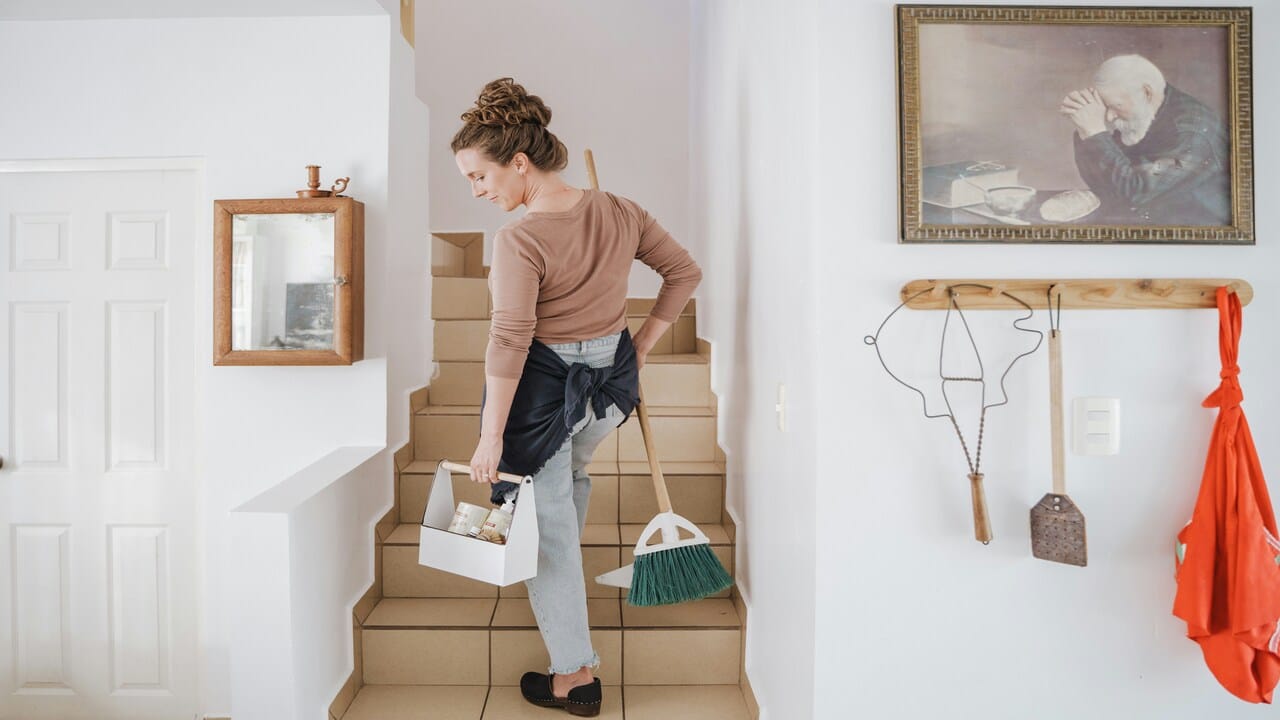
While equality has improved, invisible labor–like emotional planning, remembering birthdays, or managing the household calendar–still often falls unevenly. More couples now openly discuss and redistribute this mental load, challenging the assumption that one partner should quietly “manage it all.”
15. Marriage Is Less Tied to Religion
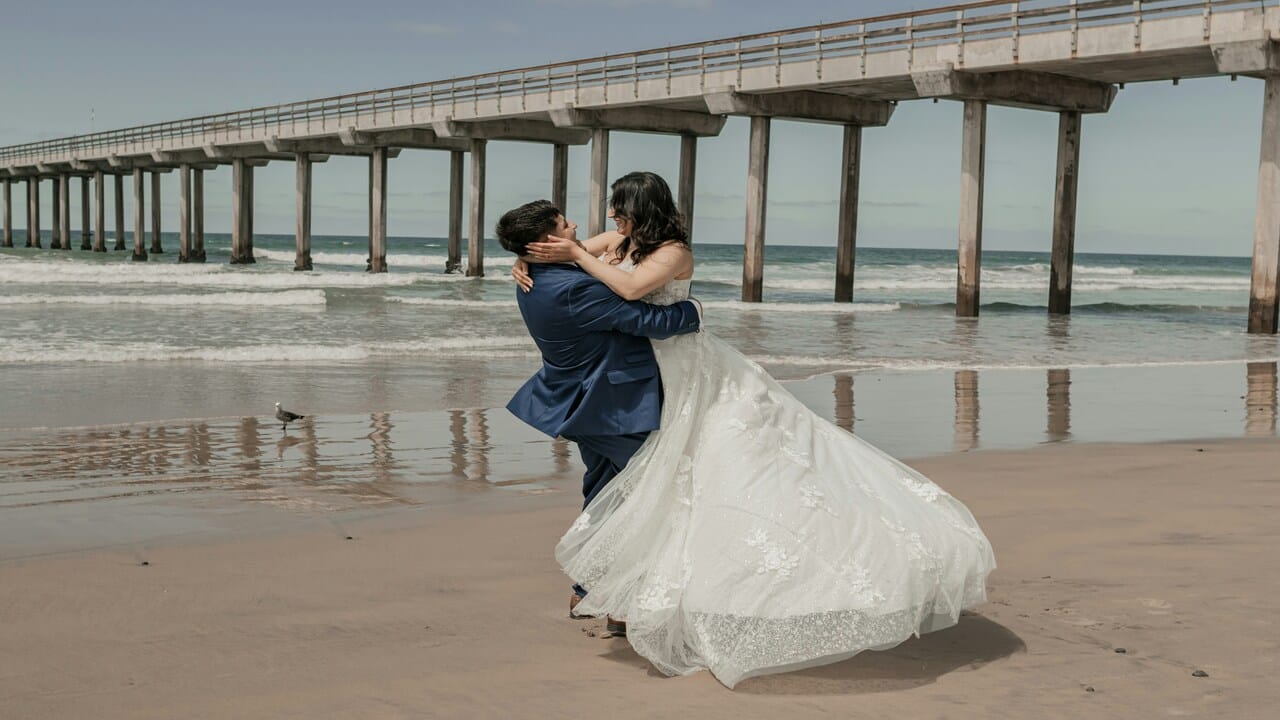
In many parts of the world, marriage used to be inseparable from religious institutions. Today, secular ceremonies are increasingly common, and the decision to marry is often made independent of faith traditions. This allows couples more freedom to define what marriage means to them, but it also removes some of the built-in community support that religious marriages once provided.
16. Blended Families Are More Common
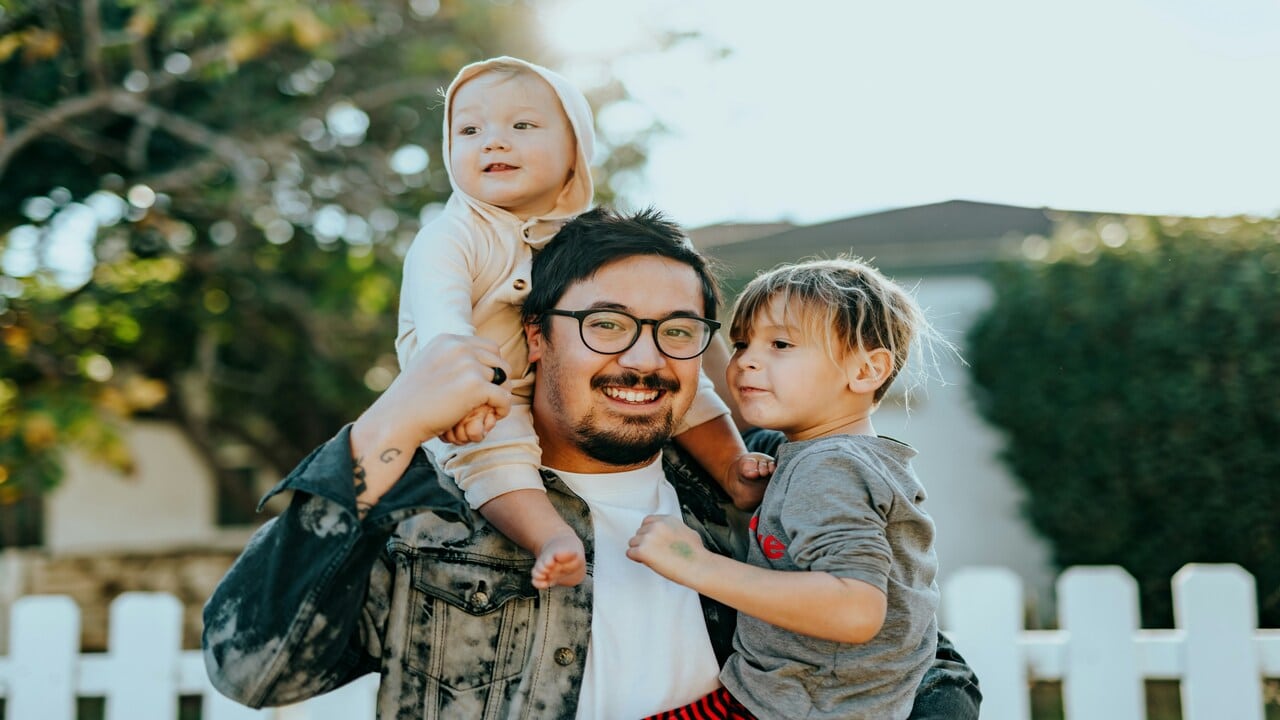
With divorce and remarriage more accepted, blended families have become a normal part of the marriage landscape. Navigating step-parenting, co-parenting with exes, and managing multiple households adds complexity–but it’s also normalized in a way it wasn’t 30 years ago. Many couples now actively prepare for these challenges rather than stumbling into them unprepared.
17. Marriage Is Seen as Optional, Not Mandatory

Three decades ago, staying single past a certain age carried social pressure. Today, being unmarried is no longer viewed as a deficiency. This cultural shift means that people enter marriage by choice, not obligation–which can strengthen the foundation, but also raises the bar for what marriage needs to provide to feel worthwhile.
18. The Idea of Partnership Has Expanded

At its core, marriage has shifted from being a contract to being a collaboration. It’s less about fulfilling preset roles and more about creating a life that works uniquely for both people. Whether that means redefining success, sharing power equally, or questioning traditions, modern marriage is more flexible and personal than it has ever been.








Ask Me Anything