
Not handling rejection well can be a slippery slope, not just for your mental health but also for your relationships. If you let the resentment fester, or if you keep pushing the person to walk back their decision, you risk losing your dignity–or worse, your sense of self.
No one likes being told no and no one enjoys being left hanging. But how you respond to rejection or ghosting can say a lot about who you are as a person. Emotionally mature people don’t pretend it doesn’t hurt, but they also don’t let it break them. Instead, they move through it with grace, self-awareness, and a whole lot of compassion for themselves.
Here’s how they do it and how you can, too.
They Validate Their Feelings

As soon as the rejection or ghosting happens, don’t shove it under the rug. Take a deep breath, and as painful as it is, bask in all the spectrum of emotions you’re feeling. Take time to actually feel it. Cry if you have to. Vent. Sit in silence. Whatever it looks like for you, let it move through you. Don’t be afraid to accept all the conflicting feelings, no matter how negative they are. It’s not about wallowing; it’s about giving your pain room to breathe so it doesn’t spill over later in ways you can’t control.
They Set Some Distance
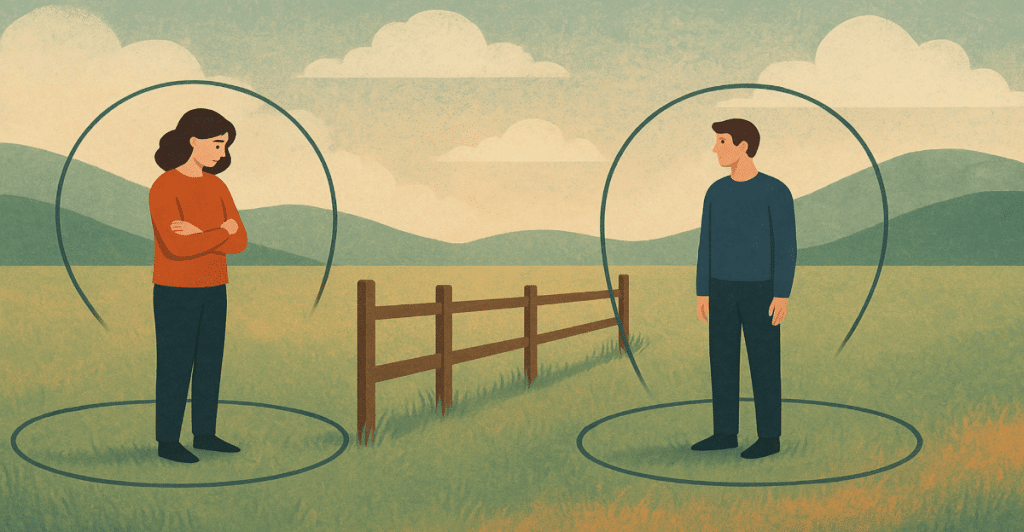
It may be tempting to keep groveling at the person’s feet, especially if you really like them, but if they were very clear about not being interested, then pulling back is the healthiest thing you can do. Not for them, but for you. It’s not punishment. It’s protection. Removing yourself gives you space to grieve without prolonging your pain. You’re not being dramatic. You’re just being intentional about guarding your peace.
They Talk It Out

If you have safe people in your life, people who you know have your best interests at heart and won’t aggravate your resentment, let them in. Not to gossip or to place blame, but to simply release. To hear your own story aloud and sort through the pieces with someone who cares. There’s a difference between venting and processing–and emotionally mature people know when they need to do both.
They Accept What Happened

It may be hard to swallow, but emotionally mature people don’t spend too much energy trying to rewrite the narrative in their favor. They also don’t create excuses or fantasies where things still work out. They deal with what’s in front of them. Acceptance doesn’t mean you’re okay with how it went down. It simply means you’re not going to let denial keep you stuck. It’s the first real step toward moving on.
They Practice Self-Compassion

In the face of rejection, it’s so easy to fall into the trap of thinking that there must be something wrong with you. But emotionally mature people stop that voice in its tracks. They speak kindly to themselves even when their ego is bruised. They remind themselves that this one person’s choice doesn’t define their worth. And they treat their emotional wounds like real ones: With gentleness and care.
They Journal and Reflect

One thing emotionally mature and attuned people do is to reflect on the things that happen to them, both good and bad. They don’t just let experiences pass through; they digest them. They sit down and write. They ask questions like: What did I feel? What do I still need to heal? What did this reveal about what I want, or don’t want, in future connections? They reflect not to overanalyze, but to understand.
They Focus on the Positive

While the pain of rejection always stings, there are still plenty of things to be thankful for. For one, the universe, God, or whoever you believe in–might be protecting you or sparing you from more pain. Maybe they weren’t the right fit. Maybe the rejection or ghosting would be the best thing that happened to you. Either way, emotionally mature people don’t ignore their sadness, but they also know how to scan the rubble for the gold.
They Develop a Growth Mindset

Emotionally mature people understand that as long as they’re living, there will always be an opportunity to grow and improve. Why not take this opportunity to grow from rejection too? Ask yourself: What could I do differently next time? What am I learning about my boundaries, my patterns, my desires? Every painful moment can be a mirror, and they’re not afraid to unpack that.
They Don’t Speak Ill of the Person
One of the most tempting things to do after a rejection is to “get back” at the person or to speak ill of them to others, but emotionally mature people know that’s just a sugar rush for your ego. It might feel good in the moment, but it won’t help in the long run. They choose dignity over drama. They vent their pain privately, not publicly. They don’t let someone else’s no, turn them into someone they’re not.
They Don’t Isolate

There’s nothing like the pain of heartbreak and rejection that pushes people to hide in their bedrooms all day, but emotionally mature people fight that urge. They reach out. They keep showing up. Even if it’s just to text a friend or take a walk. It doesn’t mean pretending everything is fine, it just means refusing to suffer alone. Healthy connections with trusted friends, even in small doses, is a healing balm to the rejected soul.
They Look at Things From All Angles

Always taking a step back to gain a bigger perspective is one of the markers of an emotionally mature person. They ask questions like: What else could be true here? Was this about timing? Were they dealing with their own stuff? It’s not about excusing or tolerating bad behavior; it’s about refusing to stay locked in a one-sided narrative. Perspective gives pain context, and context brings peace.
They Don’t Take It Personally

“It’s not you, it’s me” is an incredibly cliché line people say not just when they break up but also when they reject someone who pursues them, but sometimes it’s true. What if it really isn’t you? What if you’re not the problem? Emotionally mature people can hear a no without internalizing it. They understand that rejection doesn’t mean they’re unlovable. It means the fit wasn’t right–and that’s not always personal.
They Bring the Lessons with Them

All the lessons you learned through this experience are yours to keep and carry forward. Is there anything you wish you had done differently? Would you have treated them better? Would you have been more clear about your intentions? Knowing the part that you played in the rejection will help you do better next time, so don’t waste it. Journal it. Keep it. Use it. And move on with the knowledge that you’re a little bit older and wiser the next time a person you’re interested in comes along.
They Put Themselves Out There Again

When you’re ready, you try again. Maybe slower and more cautiously, but you still try. Emotionally mature people don’t let one painful experience define their whole dating story. They know rejection hurts, but regret hurts more. So they heal, they grow, and when their heart feels safe again, they open it. Because they know the only way to find love is to risk being hurt again. And they’re brave enough to do it anyway.








Ask Me Anything