
Divorce does not just end a marriage. It quietly rewires how you show up emotionally, especially when you start dating again. You might think you are being cautious, logical, or drama-free. In reality, divorce can train you to keep emotional distance without you even noticing. This shows up on first dates, in situationships, and even with women you genuinely like. You are not broken, and you are not cold. You are responding to what hurt you before.
You Learn to Keep Conversations Safe and Surface-Level

After a divorce, you stop volunteering personal details because openness once cost you a lot. You talk about work, hobbies, and travel because they feel low-risk. You avoid emotional topics even when the moment calls for it. On dates, this can come off as charming but distant. You might notice women saying you are fun but hard to read.
You Start Equating Vulnerability With Losing Control

Divorce teaches you that showing emotion can shift power fast. You remember moments when honesty was later used against you. Now you associate vulnerability with giving someone leverage. You stay composed, even when you feel something deeper. This makes you feel strong in the moment but disconnected over time. Emotional closeness cannot grow without shared risk.
You Confuse Independence With Emotional Isolation

You pride yourself on being self-sufficient after divorce. You rebuilt your life, your routines, and your peace. Somewhere along the way, you stopped letting people in emotionally. You tell yourself you do not need anyone, which feels empowering. But dating is not about neediness or independence. It is about interdependence, and that requires openness.
You Avoid Emotional Check-Ins to Prevent Conflict

In your marriage, emotional talks may have led to fights or shutdowns. Now you avoid checking in about feelings to keep things calm. You think silence equals stability. On dates, this comes across as emotional neutrality. Women may feel like they are guessing where they stand with you. Closeness grows through communication, not avoidance.
You Default to Logic Instead of Empathy

Divorce trains you to analyze instead of feel. You solve problems quickly and move on. When someone shares something emotional, you respond with advice instead of understanding. This makes sense in survival mode. In dating, it can feel dismissive or cold. Emotional closeness needs presence, not fixes.
You Pull Back When Things Start Feeling Good

As the connection deepens, your instincts kick in. You slow replies, stay busy, or emotionally downshift. This is not because you are uninterested. It is because closeness reminds you of what you once lost. Your nervous system equates attachment with danger. Awareness is the first step to changing this pattern.
You Keep Emotional Score to Avoid Overinvesting

After a divorce, you closely track your effort. You notice who texts first and who plans dates. You do this to avoid giving more than you receive. While this feels fair, it limits the flow of emotions. Dating becomes transactional instead of connective. Emotional closeness grows when you give without constant calculation.
You Use Humor to Deflect Emotional Depth

You learned that humor can quickly redirect heavy moments. Jokes help you stay likable and in control. When conversations get emotional, you crack a line and move on. This works socially but blocks intimacy. Emotional closeness requires staying present with discomfort. Not everything needs a punchline.
You Avoid Talking About the Future Too Early

Divorce makes future talk feel risky. You avoid discussing plans, intentions, or long-term goals. You keep things open-ended to protect yourself. Women may interpret this as a lack of seriousness. Emotional closeness grows when intentions are shared honestly. Avoiding the future keeps the connection shallow.
You Detach Quickly When Red Flags Appear

Divorce sharpens your ability to spot warning signs. Sometimes this is healthy. Other times, you overcorrect and exit too fast. You detach emotionally at the first sign of imperfection. This keeps you safe but also lonely. Closeness requires discernment, not emotional withdrawal.
You Keep Your Emotional Life Compartmentalized
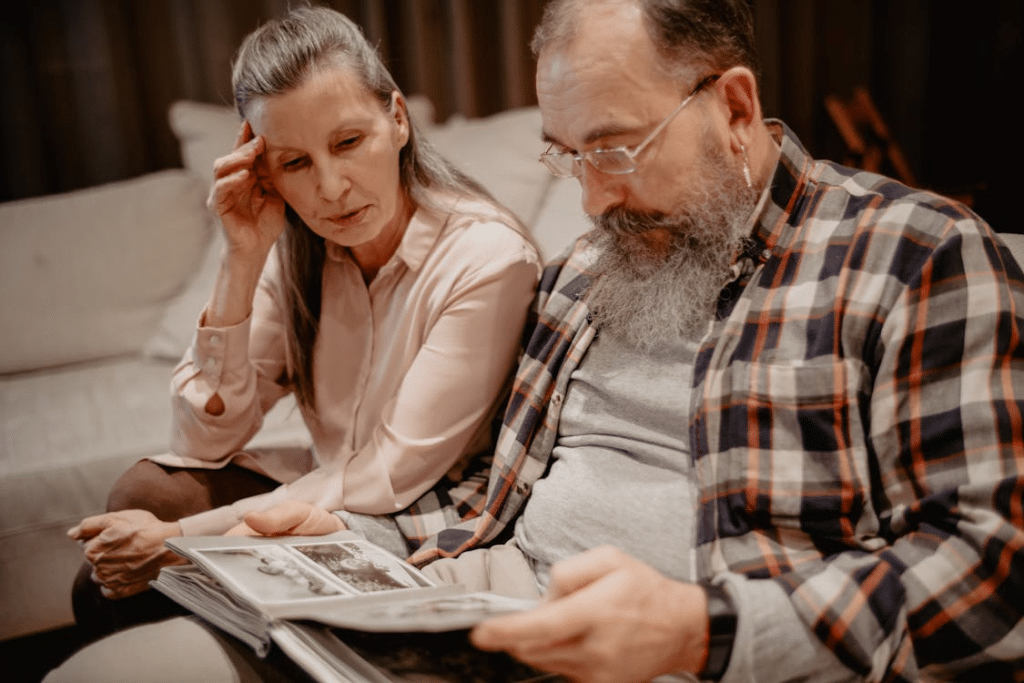
You separate dating from the rest of your life. Friends, kids, and emotions stay in different boxes. This makes dating feel controlled and manageable. But it also limits integration. Emotional closeness grows when someone sees your real life. Compartmentalizing keeps the connection partial.
You Avoid Expressing Needs to Stay Low Maintenance

You do not want to be seen as demanding after a divorce. You minimize your needs and preferences. You tell yourself you are easygoing. Over time, this creates emotional distance. Closeness requires expressing what you want. Needs are not burdens, they are bridges.
You Wait for Proof Instead of Building Trust

Divorce teaches you to trust evidence, not feelings. You wait for consistency before opening up. While this sounds smart, trust is also built through shared vulnerability. Emotional closeness cannot be earned only through time. It grows through mutual risk. Someone has to go first.
You Normalize Emotional Distance as Maturity

You tell yourself you are calmer and more evolved now. You frame emotional restraint as wisdom. In reality, some of that restraint is fear-based. Emotional closeness does not mean emotional chaos. It means emotional availability. Maturity includes knowing when to open up.
You Fear Becoming Emotionally Dependent Again

Divorce reminds you how painful dependency can feel. You guard against needing anyone too much. You keep one foot out emotionally at all times. This protects your autonomy but limits intimacy. Emotional closeness is not dependency. It is a connection with boundaries.
You Believe Time Alone Means You’re Healed

You assume that the passage of time since the divorce equals emotional readiness. You function well, date casually, and feel stable. But emotional patterns do not disappear on their own. They show up in connection. Dating reveals what healing still needs attention. Awareness gives you a choice instead of repetition.








Ask Me Anything