
Many couples think the relationship will stay the same if love stays the same. But years together change people, and people changing changes the marriage. Some changes are beautiful, like deeper trust and easier teamwork. Others are risky, like drifting into routine and losing curiosity. The key is that change is not a sign something is wrong. It is a sign life is happening. What matters is whether the couple grows together or grows apart. Long-term love has seasons, not a straight line. These are the ways couples commonly change after years together, often without realizing it.
They Stop Performing and Start Being Real

Early relationships often include a “best version” performance. Over time, couples relax and become more natural. This can create deeper comfort and authenticity. It can also reveal habits that were hidden early on. The relationship becomes less about impressing and more about living. Some couples find this freeing. Others feel disappointed when the romance energy drops. The healthiest couples keep authenticity without letting effort die.
Small Habits Start Feeling Bigger
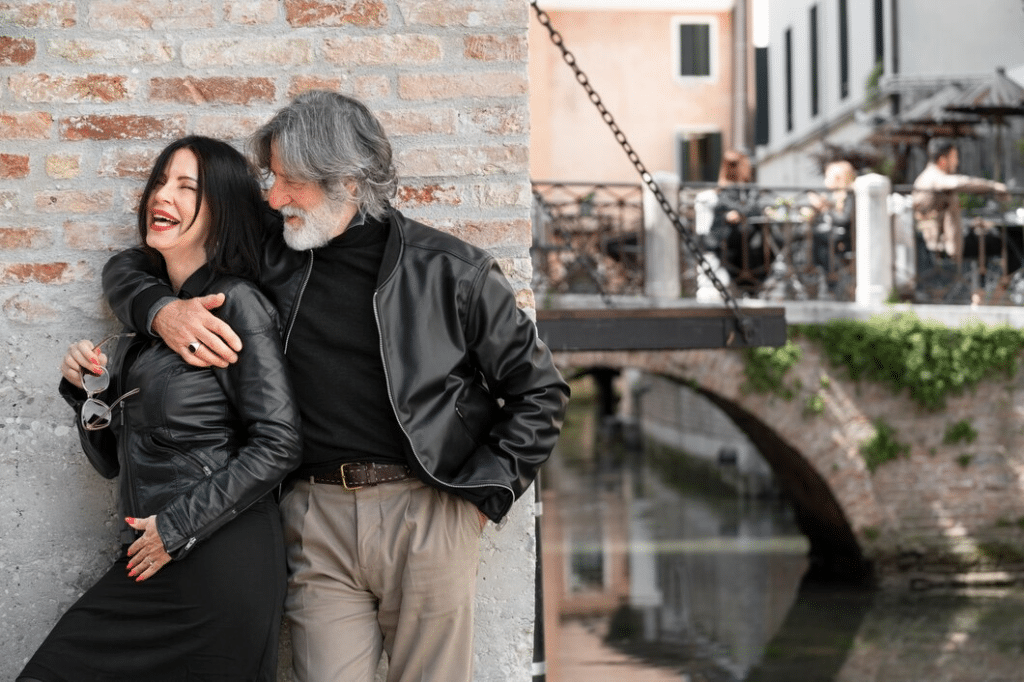
In the beginning, small flaws feel cute or easy to ignore. Years later, the same habits can feel louder. This is because repetition gives habits weight. A small annoyance becomes a symbol of deeper issues like respect, effort, or consideration. Couples start reacting to what the habit represents, not just the habit itself. This is why the same argument repeats with new details. Long-term love requires addressing patterns, not just moments. What is tolerated early often becomes resented later.
They Learn Each Other’s Triggers Too Well
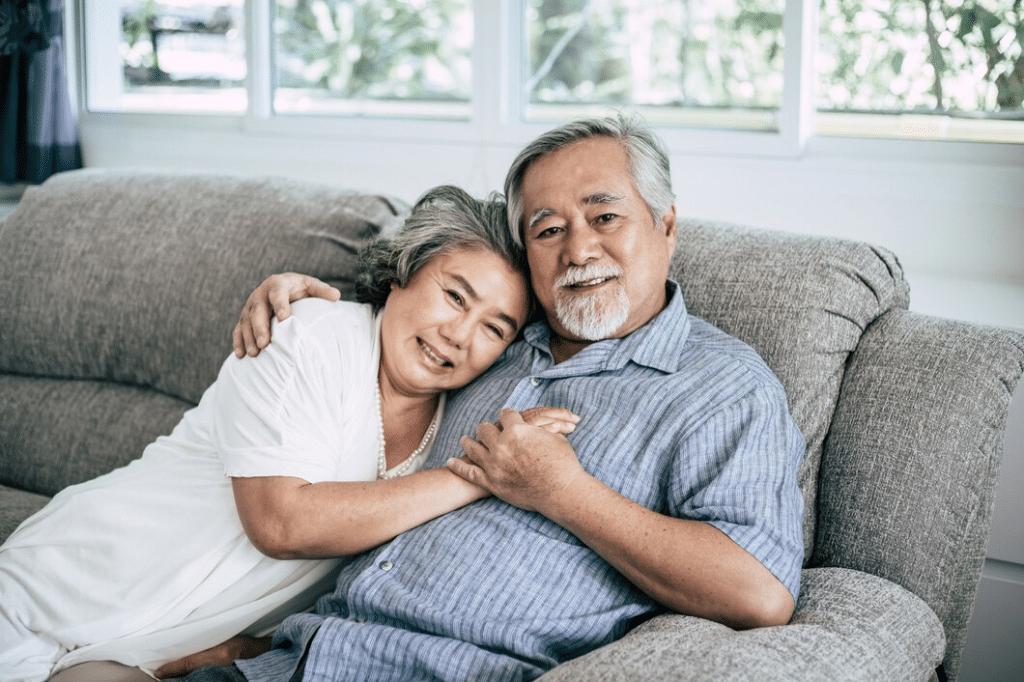
Long-term couples become experts in what upsets each other. This knowledge can create gentleness and better conflict management. It can also be used unfairly during fights. Some couples learn to avoid landmines instead of repairing issues. Others use triggers to win arguments. The healthiest couples use trigger knowledge to protect each other, not control each other. Knowing where someone is sensitive is power. Long-term love requires using that power responsibly. Emotional safety depends on it.
Conversations Shift From Discovery to Maintenance

Early conversations are full of curiosity and new stories. Later conversations often become updates, planning, and routine. This shift is normal but risky if it becomes extreme. Couples can communicate constantly and still feel emotionally disconnected. Discovery talk keeps intimacy alive. Maintenance talk keeps life running. The healthiest couples protect both. Without discovery, the relationship starts feeling flat.
The Relationship Becomes a System

After years together, couples develop roles and routines. One may manage money, the other manages schedules. This can create efficiency and stability. It can also create imbalance if one person carries too much. The relationship starts running on autopilot like a machine. Systems are helpful, but they can hide emotional problems. When the system works, people assume the marriage is healthy. Emotional health still needs attention. A strong couple updates the system as life changes.
They Get Better at Reading Nonverbal Signals
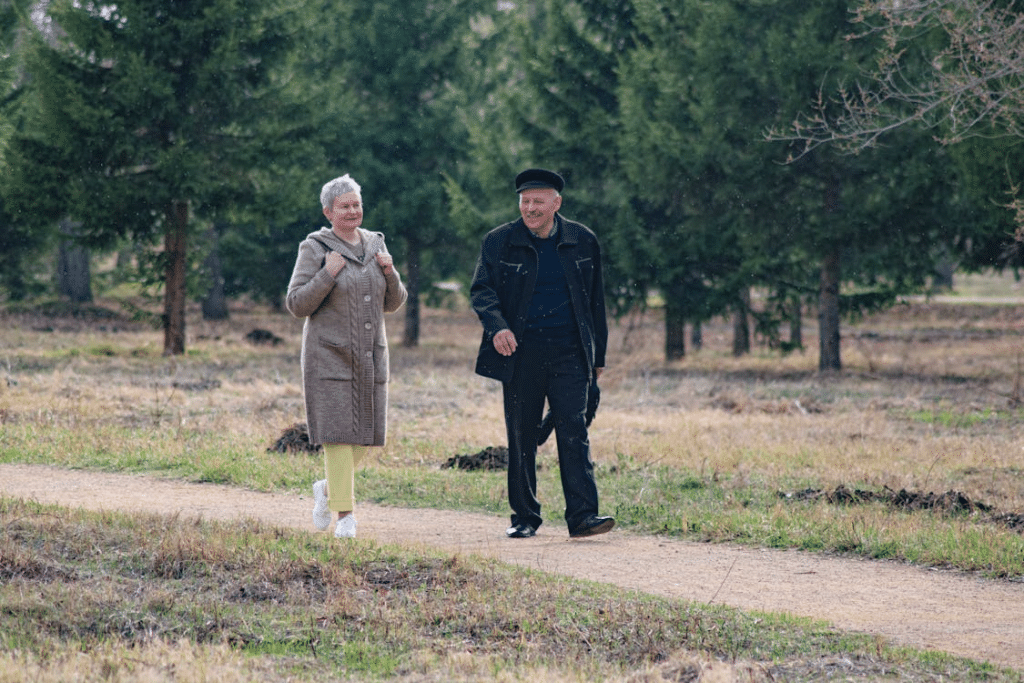
Years together often create a shared language. A look, a tone shift, or a pause can communicate a lot. This can increase closeness because partners feel understood quickly. It can also create misunderstandings when assumptions replace questions. Some couples stop checking because they believe they already know. The best couples still clarify instead of mind-reading. Nonverbal awareness should create care, not certainty. Knowing someone is helpful, but curiosity must stay alive. Otherwise, misinterpretation grows.
Attraction Starts Depending More on Emotional Climate
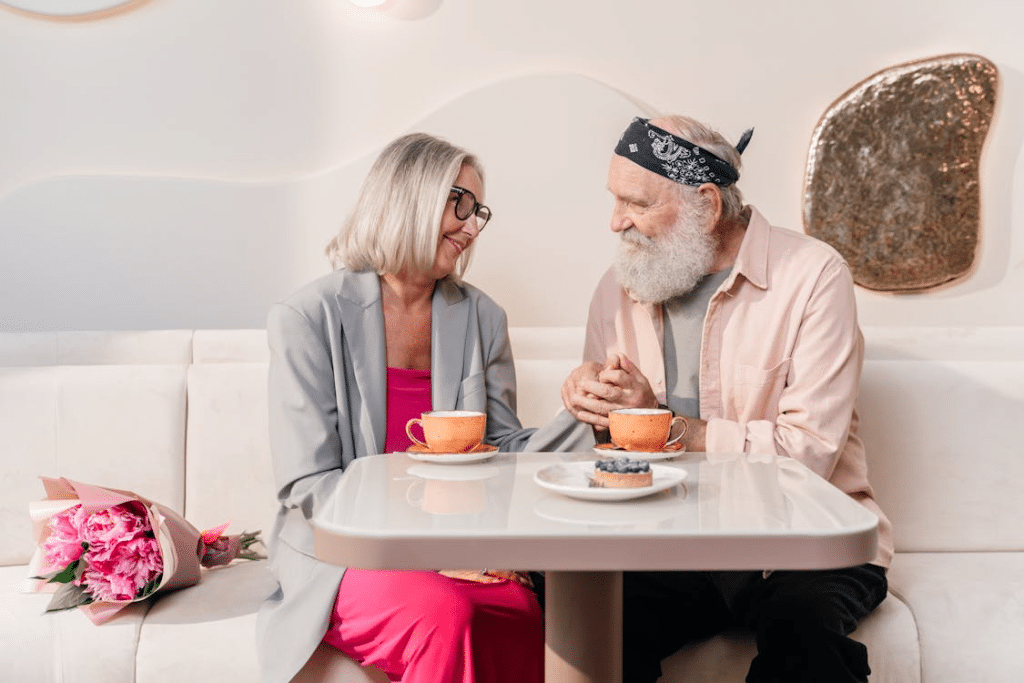
In the early stage, chemistry can carry a lot. Over time, attraction often becomes tied to emotional safety, respect, and effort. When a partner feels criticized or taken for granted, desire can fade. When a partner feels supported and appreciated, desire often increases. This is why small daily behaviors matter more in long-term relationships. Attraction becomes less about looks and more about how the relationship feels. The emotional climate becomes the real fuel. Couples change when they realize intimacy is built outside the bedroom too. Emotional closeness shapes physical closeness.
They Become Less Sensitive to Each Other’s Good Traits

At first, good traits feel exciting and impressive. Later, they can become invisible because they are consistent. A dependable partner starts feeling “normal,” not special. This is where gratitude often fades. Couples stop noticing the things that make the relationship stable. Over time, they focus more on what is missing than what is present. This shift creates unnecessary resentment. Long-term love requires practicing appreciation on purpose. What is not appreciated becomes taken for granted.
Conflict Becomes More About Patterns Than Events

Early fights are often about specific moments. Later fights are often about long-term patterns. “You forgot the dishes” becomes “I feel alone in this marriage.” The event is small, but the meaning is heavy. This makes conflicts feel more intense. Couples change when they realize they are rarely fighting about the surface topic. They are fighting about respect, effort, or feeling chosen. The healthiest couples address the pattern directly. Otherwise, the same fights repeat for years. Patterns become relationship culture.
Their Social World Shrinks or Shifts

Years together often change friendships and social life. Some couples become more private and less social. Others become more community-based through parenting, work, or shared hobbies. Social shifts can affect the marriage mood. If one partner feels isolated, they may lean too heavily on the spouse. If one partner has a strong social life, the other may feel neglected. Balance matters. Couples change when they realize social life is part of relationship health. Healthy independence protects intimacy. Isolation often increases pressure on the marriage.
They Start Protecting Peace More Than Being Right

Many couples mature and stop wanting constant drama. They learn which battles are worth it. This can create stability and emotional calm. It can also become avoidance if peace is protected by silence. The difference is whether peace comes from understanding or suppression. Some couples stop fighting because they learned repair. Others stop fighting because they gave up. Long-term love requires honest peace, not quiet resignation. Peace should feel warm, not cold. Couples change when they learn the difference.
They Become More Practical About Love
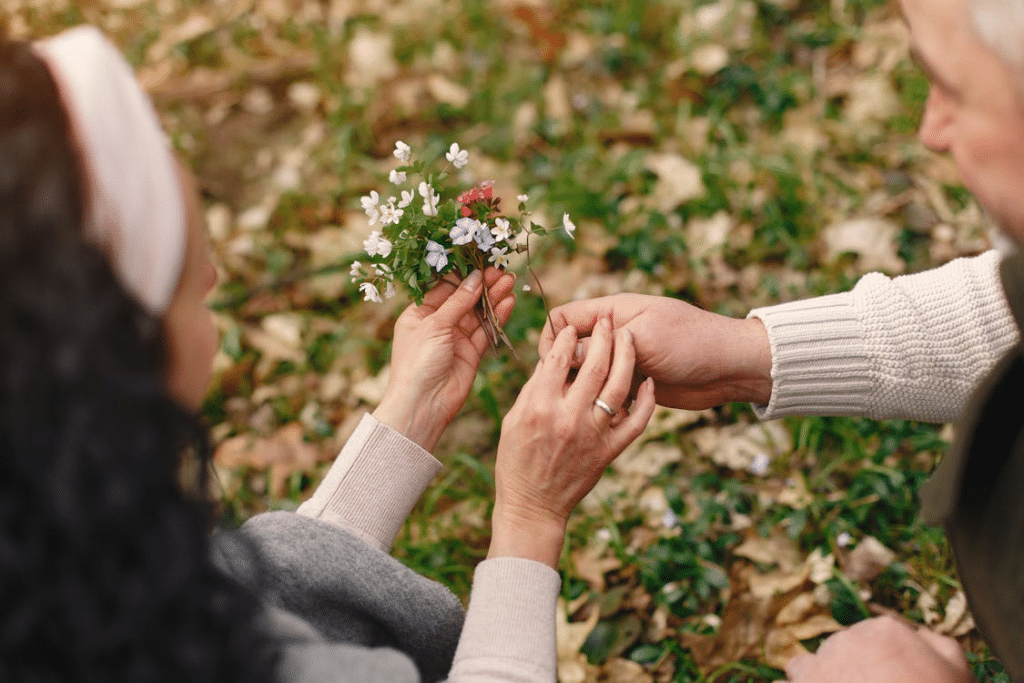
Early love feels emotional and idealistic. Long-term love often becomes practical and grounded. Couples value reliability, teamwork, and stability more than constant excitement. This shift can feel less romantic, but more real. Many partners start appreciating calm more than intensity. They also start defining love through daily effort. This is why small habits matter more than big gestures. Practical love keeps relationships stable under pressure. Couples change when they stop chasing highs and start building consistency.
They Face Different Versions of Each Other

People change across years. Career shifts, confidence changes, health changes, and identity growth all affect the relationship. Couples often love multiple versions of the same person. This can deepen the bond because of shared history. It can also create friction if one person grows and the relationship does not adapt. Long-term love requires updating how partners support each other. Old roles may stop fitting. Couples change when they realize love is not only staying, it is adapting. Adaptation keeps the relationship alive.
They Learn the Cost of Unrepaired Hurt
Some couples carry old wounds quietly. They move on without repair and assume time will heal it. Time does not heal what is repeatedly triggered. Years later, old hurt still shapes trust and intimacy. Couples change when they realize repair is not optional. Repair means accountability, reassurance, and behavior change. Without repair, tenderness becomes harder. Emotional debt grows and affects everything. Long-term love requires cleaning emotional messes, not stepping over them. The past stays present if it is not repaired.
They Stop Needing Constant Reassurance, or They Need More

Some couples become more secure with time and need less reassurance. Others need more because life stress increases and vulnerability grows. Needs can shift with parenting, work pressure, or past disappointments. Problems happen when couples assume needs stay the same forever. Long-term love requires regular updates. Reassurance is not weakness, it is connection. The healthiest couples ask what the other needs now. What worked five years ago may not work today. Couples change when they stop assuming and start checking.
The Relationship’s Weak Spots Become Predictable
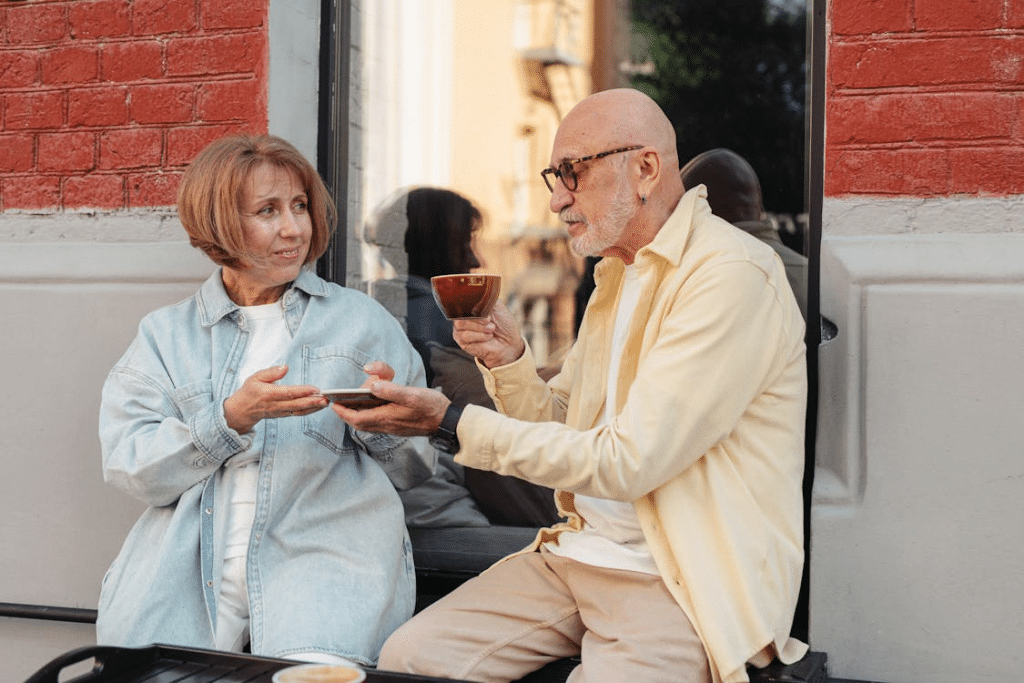
After years together, couples know where the marriage struggles. They know the recurring fights and the recurring misunderstandings. This predictability can help them manage issues better. It can also create hopelessness if nothing changes. Some couples accept weak spots as permanent without trying to improve. Others build strategies and routines to protect the relationship. Long-term love improves when weak spots are handled with humility and tools. Predictable problems can be reduced with consistent repair. Couples change when they stop being surprised and start being intentional.
They Become More Sensitive to Being Taken for Granted

Time can increase comfort, but it can also increase complacency. Partners start expecting loyalty and effort as automatic. When one person feels unseen, resentment rises faster because the history is long. The pain is not only the current neglect, it is the realization of being overlooked. Many couples change when they realize appreciation must be practiced, not assumed. Feeling special is maintained through daily recognition. The more history there is, the more it hurts to feel invisible. Long-term love requires continued choosing. Comfort should not erase care.
They Understand That Intimacy Is a Mirror
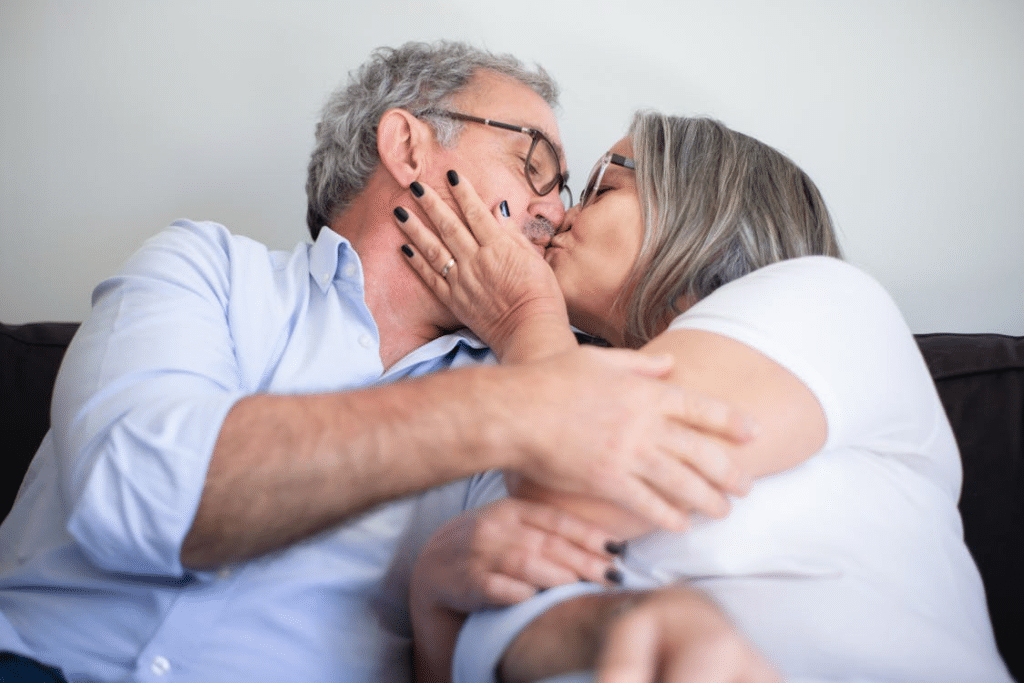
Intimacy often reflects the emotional climate. When the relationship feels safe and warm, bedroom activity often feels easier and more natural. When resentment and stress rise, intimacy often becomes harder. Couples change when they stop treating intimacy as a separate issue. They realize it mirrors respect, appreciation, and connection. This can be a wake-up call because it shows what the relationship atmosphere has become. Intimacy improves when the emotional bond improves. It is not only physical, it is relational. Bedroom closeness is often the result, not the fix.
They Either Grow Together or Start Living Parallel Lives
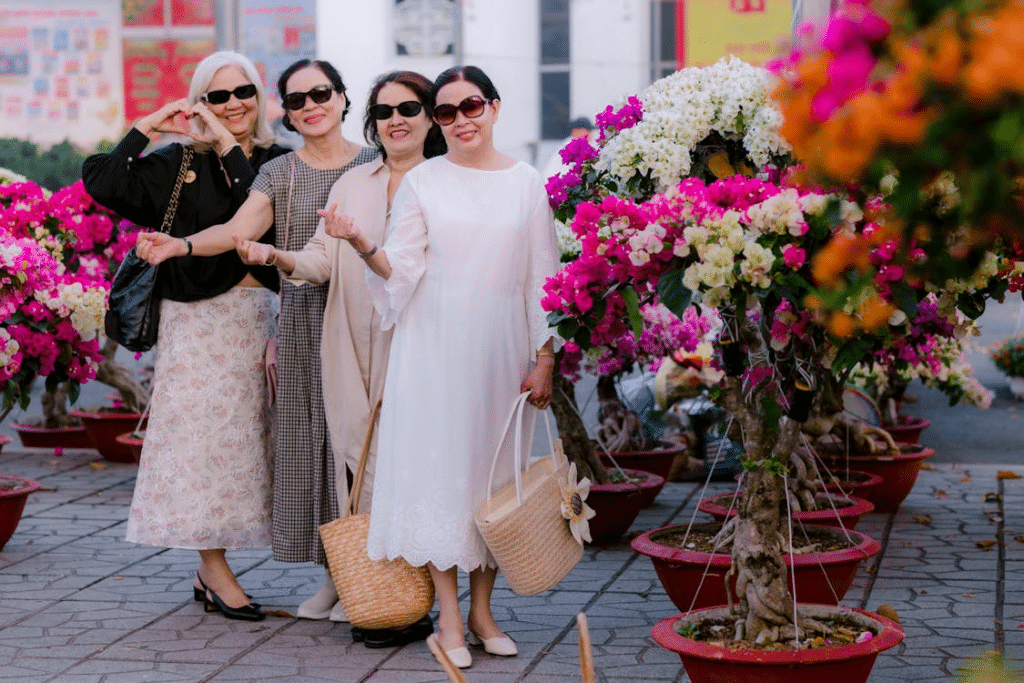
After years together, couples often choose one of two paths without realizing it. They either keep building a shared life intentionally, or they drift into parallel routines. Parallel living looks stable but feels lonely. It is the relationship continuing without connection. Growing together requires shared goals, shared rituals, and shared emotional honesty. Drift happens when effort becomes optional and autopilot takes over. Couples change when they realize time alone does not create closeness. Intentionality does. The direction is decided by daily habits.
Years Together Can Create Depth or Distance
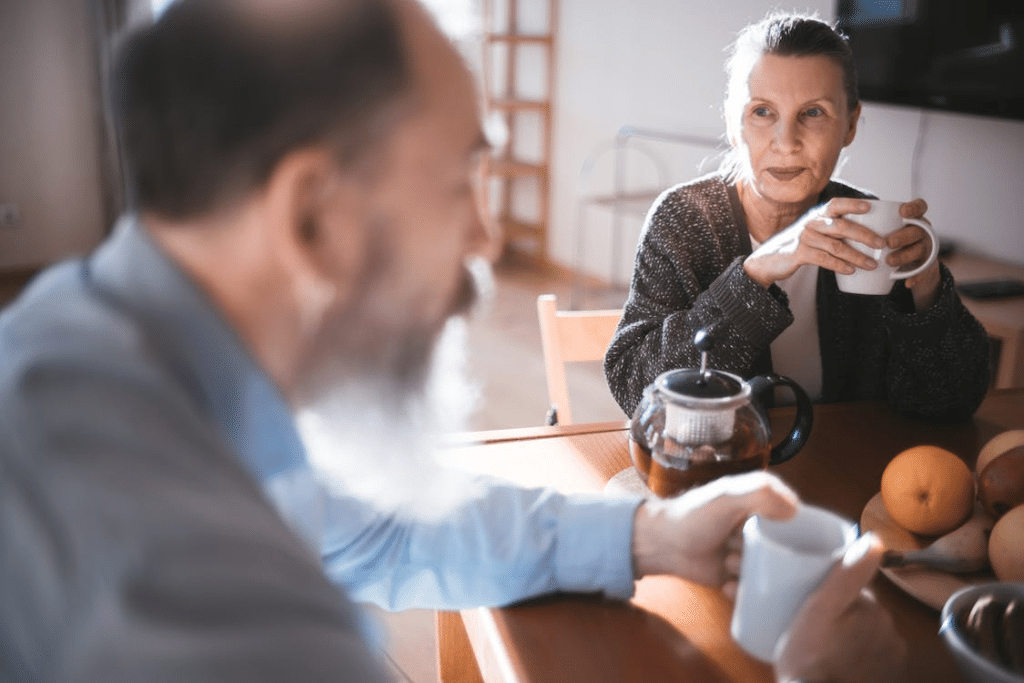
Spending years together changes a couple whether they notice it or not. The best changes create deeper trust, easier teamwork, and stronger emotional safety. The risky changes create routine, assumptions, and quiet distance. The difference is not luck, it is attention. Couples who keep curiosity, appreciation, and repair skills stay close longer. Couples who rely on history alone often drift. Long-term love is not about staying the same. It is about adapting without losing warmth. Time will shape the relationship either way. The healthiest couples choose to shape it on purpose.








Ask Me Anything