
Caffeine sharpens focus, but it can also silence the body’s natural cues. Many men rely on it to push through exhaustion, stress, and low mood. The problem isn’t coffee itself, it’s using it to override what the body’s trying to say. Over time, the signals don’t stop, they just get harder to hear. Eventually, the crash always comes.
When Tiredness Isn’t Just Tiredness

That morning grogginess might be more than poor sleep. It could be chronic stress, overwork, or sleep debt. But caffeine masks the signal by forcing alertness. Instead of rest, men reach for more stimulation, ignoring the real need underneath. The body isn’t lazy; it’s asking for recovery.
That Second (or Third) Cup Before Noon

When one cup isn’t enough, it’s easy to assume it’s just a busy day. But needing more and more to “feel normal” is a red flag. It suggests the nervous system is running on fumes. Rather than powering up, the body may be powering through.
Energy Without Appetite

Caffeine is an appetite suppressant. That buzz might feel efficient, but it can lead to skipped meals. Without fuel, blood sugar dips and mood swings rise. What looks like productivity may actually be depletion in disguise.
Irritability That Comes Out of Nowhere
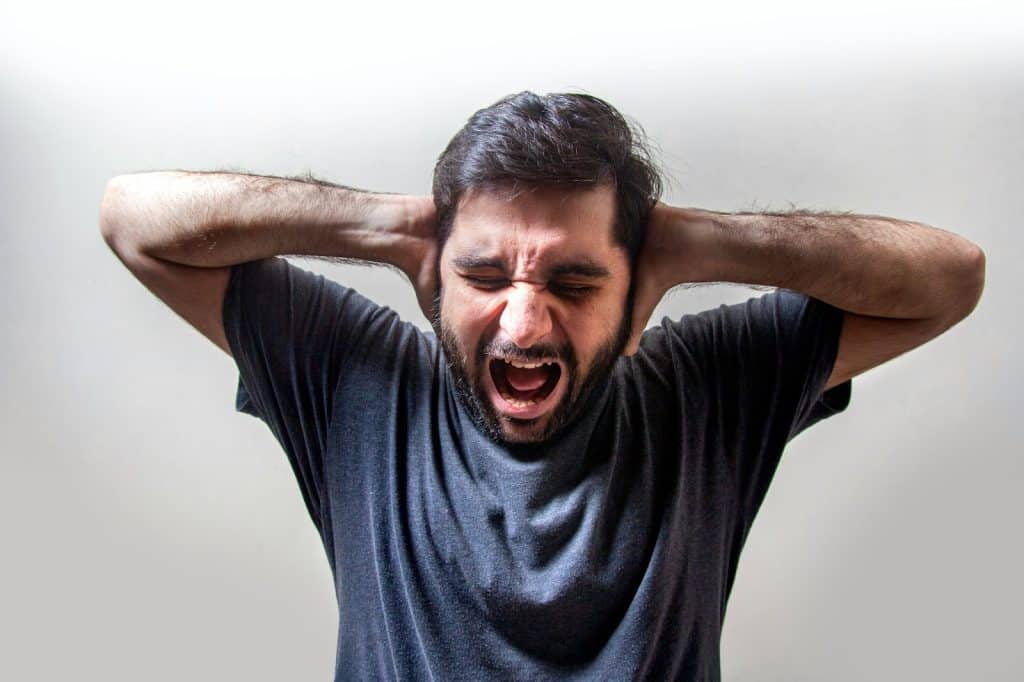
Jitters, restlessness, and snapping at small things? Caffeine amps up the stress response. If patience runs low after that latte, it’s likely not a personality flaw. The body’s in overdrive, and reacting accordingly.
Anxiety That’s Hard to Name

Racing thoughts, tight chest, unease without cause, caffeine intensifies these. Especially under existing stress. Many men confuse this with general anxiety, unaware that their stimulant intake is spiking cortisol. The result feels like emotion, but it’s often chemical.
Burning Out at 3PM

That midafternoon crash isn’t a mystery. After hours of artificially maintained energy, the body hits a wall. The slump isn’t just about food or sleep, it’s a delayed cost of early-day stimulation. More caffeine won’t fix it, it just resets the cycle.
Can’t Sleep, Even When Exhausted

Caffeine has a long half-life, often lingering into the evening. Men who feel “tired but wired” at night may not connect it to their noon espresso. Restless sleep and early waking are signs the nervous system is never powered down. Deep rest can’t compete with chemical alertness.
Mood Swings Without Warning
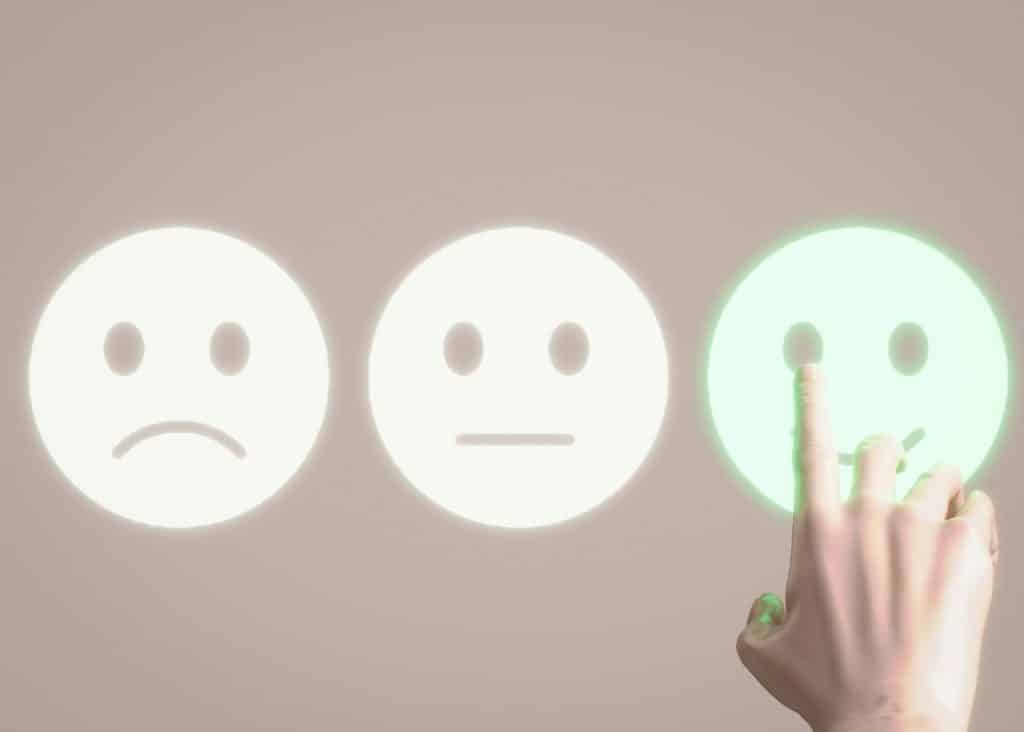
Highs and lows in energy often come with emotional shifts. When caffeine fades, so can emotional regulation. Sudden frustration or unexpected sadness might not be about life, it could be the body reacting to withdrawal. What feels like instability is sometimes just imbalance.
Ignoring Real Hunger Cues

Caffeine dulls hunger signals, especially when stress is high. Men often eat too little during the day and overeat at night, confusing fuel with fatigue. The rhythm gets disrupted, and so does digestion. The body speaks through appetite, and it doesn’t like being silenced.
Using Coffee Instead of Rest

Grabbing a cup instead of taking a break is common. But each time rest is skipped, the body files a complaint. Muscles stay tight, thoughts get foggy, and fatigue builds behind the scenes. Coffee fills the gap, but only temporarily.
The Bigger Problem Beneath the Brew

Caffeine isn’t the enemy, it’s the dependency that hides the issue. The more men rely on it, the less they notice their body’s real needs. It’s not about cutting coffee out completely. It’s about listening before the volume gets drowned out.
Making Space for Real Energy

Sustainable energy comes from balance, not stimulation. Sleep, food, sunlight, breaks, these restore energy at the root. When the body speaks, it often whispers. The sooner it’s heard, the less loudly it needs to shout.
Building Awareness Without Quitting Cold Turkey

Going caffeine-free isn’t the only solution. Reducing intake slowly can bring body awareness back online. Swapping the afternoon coffee for water or a walk is a gentle start. Even noticing when and why the urge to sip strikes is progress.
Listening to the Signals Before They Scream

The body rarely shuts down without warning. It usually whispers, through fatigue, irritability, or cravings. When caffeine keeps masking those whispers, the message has to get louder. Creating space to hear and respond is a sign of strength, not weakness.








Ask Me Anything