
A marriage rarely falls apart in a single moment. It’s usually chipped away–quietly, slowly–by everyday habits that feel harmless at first. These tiny behaviors often don’t lead to big fights, but they create distance, weaken admiration, and eventually drain the spark out of a once-loving bond.
The danger? Many couples don’t even notice these habits forming until affection has faded and the relationship starts running on autopilot. If you want to protect attraction–not just love–you have to actively maintain it. Here’s how to spot (and stop) the subtle patterns that silently erode connection over time.
1. Taking Each Other for Granted
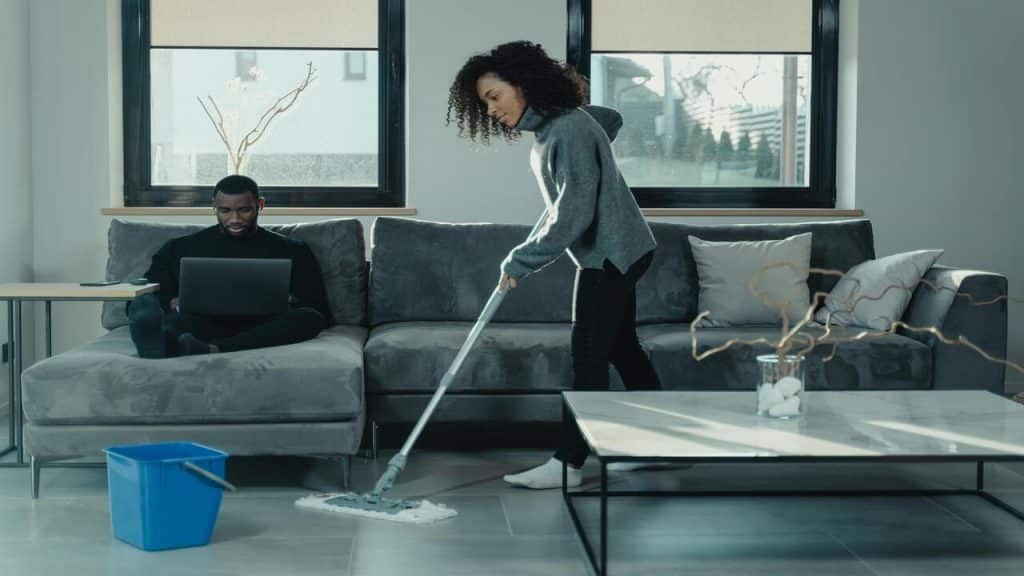
One of the quickest ways attraction fades is when gratitude disappears. When “thank you” is replaced with silent expectation, the marriage begins to feel transactional instead of special. Over time, being taken for granted makes a spouse feel invisible and unappreciated, which kills desire more than any argument could. The fix? Make appreciation a daily habit–say it, show it, mean it. Compliments, small gestures, and simple acknowledgments may seem minor, but they protect emotional closeness like nothing else.
2. Living Like Roommates Instead of Partners

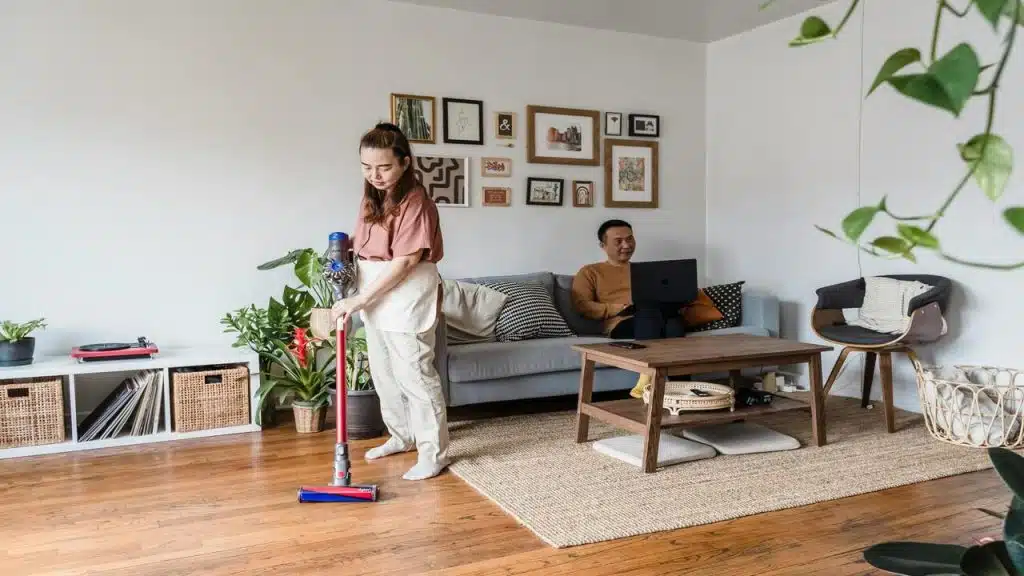
Couples often slip into running errands and managing logistics while forgetting they’re still supposed to date each other. When all conversations revolve around schedules, bills, and responsibilities, attraction fades quickly. Romance needs intentional energy–not leftovers. Even short weekly rituals (a walk, a movie night, a breakfast date) can shift the dynamic from “teammates surviving life” to “partners choosing each other.” Attraction feeds on effort.
3. Neglecting Physical Affection
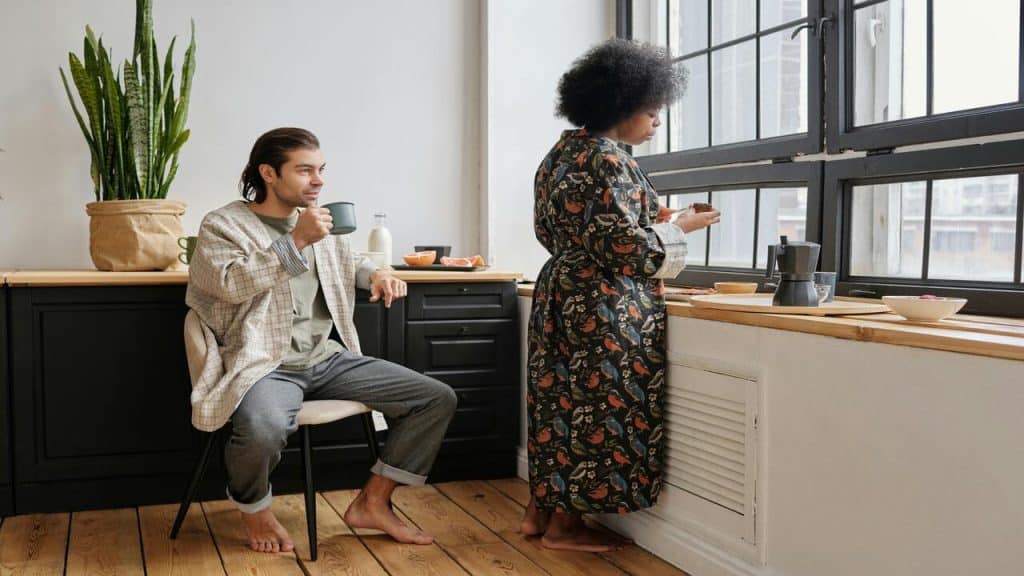
You don’t need grand passion every day–but subtle touch matters more than couples realize. A hand on the back. A kiss on the forehead. Sitting close while watching TV. When a relationship loses non-sexual affection, the emotional connection slips too. It becomes easier to see each other as co-parents or co-workers rather than romantic partners. Attraction doesn’t disappear overnight–it drains when touch is replaced by distance.
4. Over-Focusing on Flaws

Once the brain is trained to notice what’s wrong, it starts ignoring what’s right. Constant micro-criticisms–how they drive, how they load the dishwasher, how they talk–may seem harmless, but they create a feeling of not being good enough. And attraction rarely grows in environments of judgment. A good shift: Try catching them doing something right and call it out. Respect and admiration are quiet attractants–and they’re completely fixable with mindset.
5. Letting Personal Growth Stop

When someone stops evolving, it’s not just unproductive–it becomes unattractive. Ambition, curiosity, and self-respect are magnetizing traits, even in long-term marriages. If one or both people just “settle,” stagnation creeps in and admiration fades. The healthiest couples give each other space to chase goals, learn new skills, and have personal wins. Attraction often reignites in motion–not comfort zones.
6. Avoiding Difficult Conversations

Silence doesn’t keep the peace–it builds tension. Many spouses avoid uncomfortable topics to “keep things smooth,” but buried feelings eventually surface as resentment, coldness, or detachment. Ironically, conflict handled well maintains attraction because it shows honesty and emotional maturity. Set ground rules for fair conversations–no blaming, no yelling, just clarity and listening. Communication done right is deeply attractive.
7. Using Sarcasm as a Defense Mechanism

Playful teasing is one thing–constant sarcasm is another. When humor becomes a cover for criticism or emotional distance, it stops being funny. Sarcasm, especially in public, can make a partner feel disrespected or subtly attacked. It tells them, “I won’t be vulnerable with you.” Healthy humor builds intimacy. Defensive humor builds walls. Know the difference.
8. Comparing Your Marriage to Others

Social media fuels unrealistic expectations. The more you compare your spouse–or relationship–to others, the more disappointed you become with what you actually have. That disappointment may stay silent, but it shows through tone, energy, and attitude. Attraction can’t thrive in the shadow of comparison. Instead, focus on what’s unique to your bond. Create your own rituals, jokes, and story–not someone else’s highlight reel.
9. Only Focusing on Kids or Work
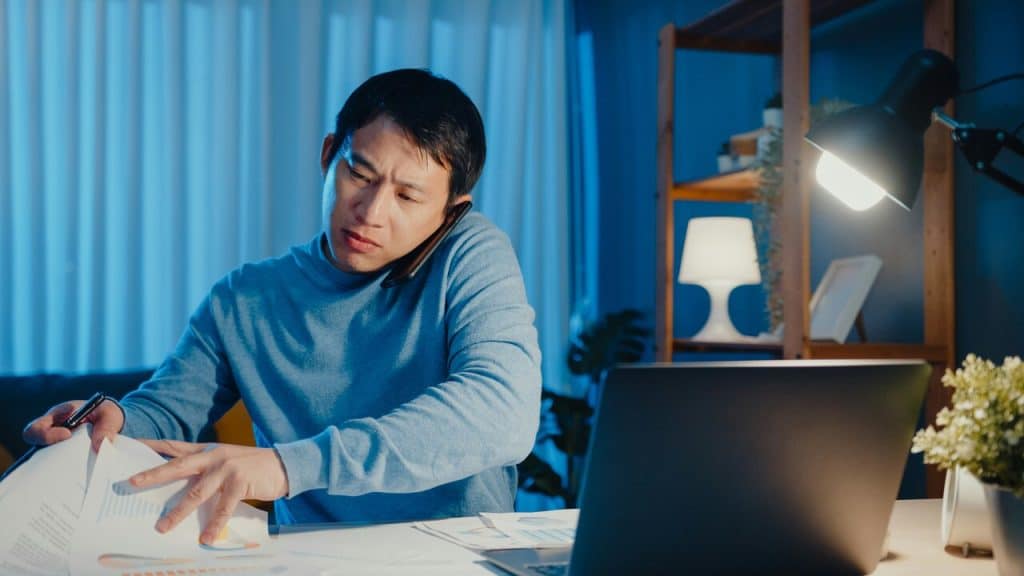
Some marriages become so child-centered or career-centered that the relationship becomes an afterthought. Yes–life is busy, but neglecting the romantic foundation eventually leads to emotional distance. A simple guiding question helps: “If the kids moved out tomorrow, would we still feel connected?” If the answer isn’t a confident yes, it’s time to prioritize your marriage again.
10. Letting Resentment Sit Unaddressed

Unresolved frustrations don’t disappear–they ferment. A comment here, a sigh there, and emotional distance begins to form. Resentment is quiet but deadly to attraction. It blocks admiration and invites emotional withdrawal. Instead of waiting for the “right moment,” set aside time weekly for emotional check-ins. Resentment thrives in silence–but dissolves in clarity and empathy.
11. Forgetting to Play Together
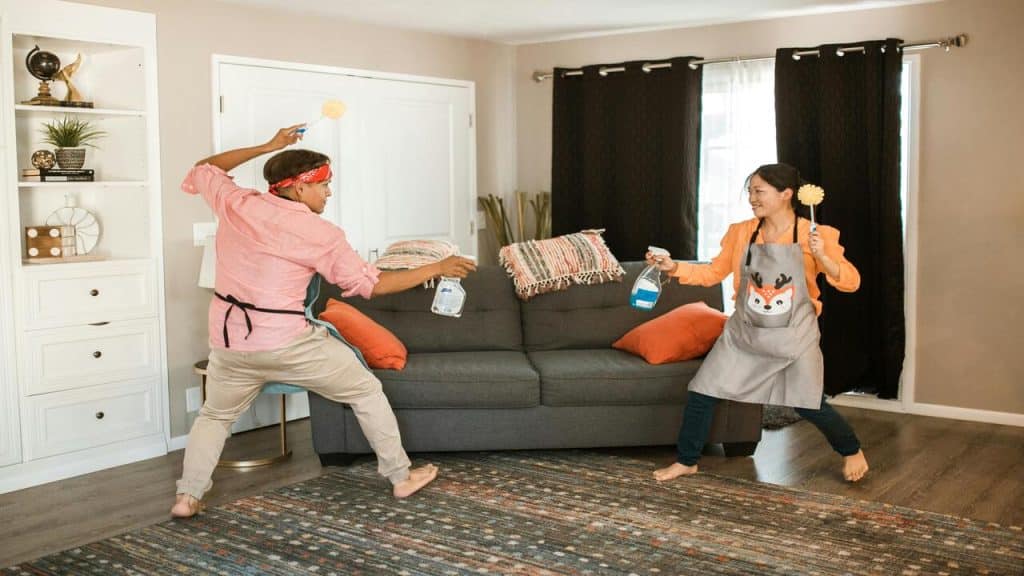
Laughter does more for marriage than most books on communication. When everything turns serious–money, chores, goals–fun falls off the schedule, and so does attraction. Shared laughter reminds the brain: I like this person. Playfulness doesn’t require a vacation–it can be board games, silly dancing in the kitchen, inside jokes, or spontaneous dates. Marriage needs joy, not just stability.
12. Acting Like You Always Know Better

Correcting your spouse every time they talk–or insisting your way is the “right” way–slowly kills respect. When one person plays expert and the other becomes student, the dynamic shifts away from partnership. Attraction grows in equality and mutual learning. Try asking more questions instead of giving more answers. Curiosity is more attractive than superiority.
13. Losing Emotional Transparency

Over time, spouses sometimes hide their real feelings to seem strong or avoid stress. But emotional walls block attraction–not protect it. Vulnerability is the bridge that keeps intimacy alive. Instead of only sharing surface-level details of your day, talk about fears, dreams, or what made you think. You don’t need therapy-level talks every night–but emotional access should remain open.
14. Letting Technology Replace Presence

A phone in hand sends a clear message: something else is more interesting than the person beside you. The problem isn’t technology–it’s priority. When scrolling becomes the default mode during dinners, car rides, and bedtime, spouses stop feeling seen. Try screen-free zones or hour blocks. Attraction deepens when attention is undivided and eye contact returns.
15. Expecting Mind-Reading Instead of Communication

“I shouldn’t have to explain this–you should just know.” That mindset ruins connections quickly. Healthy love doesn’t demand telepathy–it practices clarity. Expecting a partner to guess your needs leads to disappointment and emotional disconnection. State what you need. Ask what they need. Clear communication isn’t unromantic–it’s what makes romance sustainable.
16. Letting Health and Self-Care Slide

Attraction isn’t just about looks–it’s about energy. When someone stops caring for their body or health, it signals resignation. And resignation isn’t attractive. Self-care is not vanity–it’s vitality. Even small improvements like better sleep, short walks, drinking more water, or dressing with intention can reignite confidence–and confidence is magnetic in marriage.
17. Forgetting to Say “I Love You”–and Mean It

Those three words become background noise if they’re said mindlessly or not backed by action. But genuine emotional expression keeps the heart open and the bond alive. Text it randomly. Whisper it in passing. Write it on a note. Attraction doesn’t just live in grand gestures–sometimes it lives in sincerity spoken at the right moment.
18. Stop Investing in Mystery and Surprise
Predictability is comfortable–but a little mystery fuels attraction. When every day feels identical, the excitement fades. Surprise doesn’t need to be expensive–a new restaurant, a handwritten note, a spontaneous adventure, even a change in routine can spark interest again. The healthiest marriages protect familiarity and novelty. Attraction needs both to survive.








Ask Me Anything