
Behind every confident smile or calm exterior, many men carry fears they rarely voice–even to the women they love. These fears don’t come from weakness but from the pressure to always appear strong, capable, and emotionally composed. Whether shaped by past heartbreak, upbringing, or cultural expectations, they quietly influence how men love, communicate, and connect.
Understanding these hidden fears isn’t about pity–it’s about empathy and awareness. Because when you can see what’s really behind a man’s silence or hesitation, you open the door to deeper trust, honesty, and emotional safety for both of you.
1. Fear of Not Being Enough
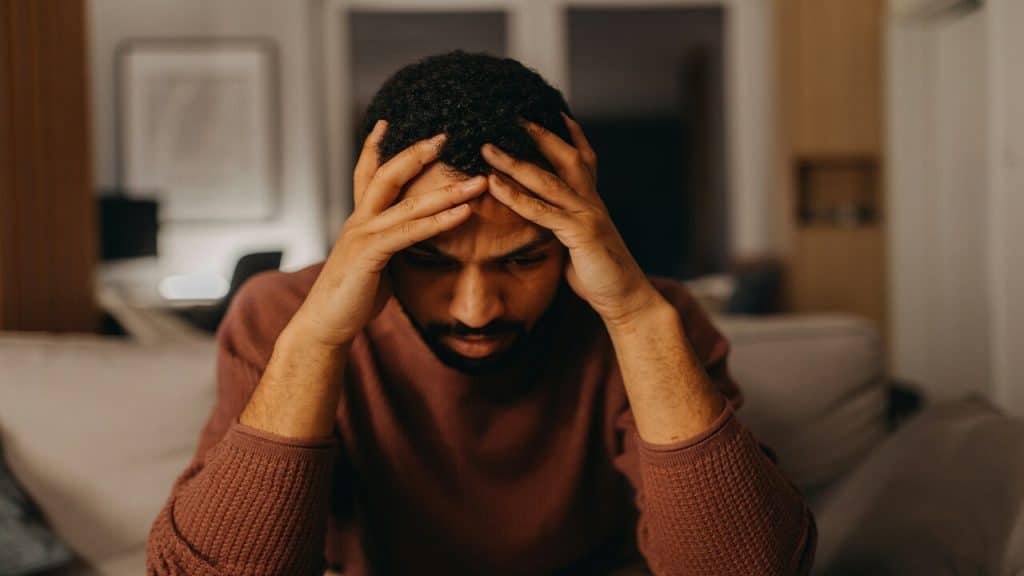
Many men secretly fear they’ll never measure up–whether it’s financially, emotionally, or physically. Even when they appear confident, they’re often comparing themselves to invisible standards of success and worth. In relationships, this fear can make them overcompensate or pull away when they feel inadequate. The best thing a partner can do? Remind him that emotional presence and consistency mean more than perfection. Appreciation often dissolves the quiet anxiety that he’s failing you.
2. Fear of Emotional Vulnerability

Society teaches men early that emotions are signs of weakness. So even when they want to open up, the fear of being judged–or worse, rejected–for showing emotion keeps them guarded. This fear isn’t about lack of feeling; it’s about not knowing if it’s safe to express it. Encourage openness by responding with empathy, not correction. When a man realizes he won’t lose respect for being real, emotional intimacy can finally grow.
3. Fear of Rejection

Rejection hits men differently because they’re often taught to equate acceptance with value. Whether it’s a woman turning them down or a partner pulling away, it taps into a deep fear of unworthiness. That’s why some men hesitate to initiate, even in long-term relationships–they fear being dismissed or misunderstood. Partners can ease this fear by communicating clearly, showing affection first, and not assuming confidence means immunity to insecurity.
4. Fear of Losing Independence

Many men fear that love means losing themselves. They worry that commitment might erode their freedom, passions, or sense of individuality. This fear doesn’t mean they don’t want closeness–it’s a sign they value autonomy. Healthy relationships balance connection and independence. Encourage time apart as much as time together, and you’ll show that love doesn’t have to mean losing selfhood.
5. Fear of Failing as a Provider

Even in modern relationships, many men still carry the old expectation of being the “provider.” When they can’t meet that ideal–financially, emotionally, or otherwise–it can feel like a personal failure. This pressure creates quiet stress and self-doubt, even if the partner doesn’t expect traditional roles. Let him know that partnership isn’t about who earns more–it’s about building stability and support together.
6. Fear of Being Misunderstood

Men often struggle to express complex emotions because they’re afraid of being misunderstood or dismissed. When they finally try to share, they fear it’ll backfire or be used against them later. The best remedy is curiosity instead of criticism. Ask what he means, not just what he said. When a man feels heard accurately, he becomes more willing to open up the next time.
7. Fear of Emotional Disconnection

When the emotional distance starts growing, men may not always voice it–but they feel it deeply. The fear of drifting apart can quietly eat away at their confidence in the relationship. Instead of assuming withdrawal means apathy, look for signs of stress or self-doubt. Reassuring him through touch, shared activities, or honest conversations can bridge that emotional gap before it becomes a wall.
8. Fear of Past Hurts Repeating

If a man’s been betrayed, manipulated, or dismissed before, he often carries that wound into the next relationship. Even if he trusts you, there’s still that lingering fear of “what if it happens again?” The best way to help is through consistency–small, dependable acts of trustworthiness over time. Words heal slowly; actions rebuild belief faster.
9. Fear of Losing Respect

For many men, respect is love’s foundation. When they sense criticism, contempt, or comparison, it cuts deeper than they let on. The fear of losing a partner’s respect can make them defensive or withdrawn. Instead of focusing on flaws, highlight strengths. Respect breeds connection, and affirmation helps quiet the fear that he’s no longer seen as capable or valued.
10. Fear of Not Being Desired

Men may not always admit it, but they crave being desired just as much as women do. When affection fades or physical intimacy declines, they fear they’ve lost their appeal. It’s not just about sex–it’s about feeling wanted. Small gestures, flirtation, and verbal reassurance can go a long way in easing that quiet insecurity. Desire makes men feel alive and emotionally anchored.
11. Fear of Conflict Escalating

Men often avoid arguments not because they don’t care, but because they fear things will spiral into anger or rejection. Many grew up seeing conflict end in emotional damage, so they shut down instead of speaking up. Create an environment where disagreement isn’t dangerous. When he knows he can disagree without losing your love, communication becomes safer and more productive.
12. Fear of Being Controlled

A subtle but common fear is feeling trapped or micromanaged in a relationship. Men value agency–the sense that they can make choices and maintain self-direction. When they feel overly monitored or criticized, it triggers resistance, not rebellion. Instead of control, aim for collaboration. Invite input on decisions and show trust; it builds mutual respect rather than quiet resentment.
13. Fear of Failing Emotionally

Men are taught to “fix” problems–but relationships often require emotional attunement, not solutions. When they can’t “solve” their partner’s pain, they feel helpless or like they’re failing. Encourage him to simply be present, not perfect. Sometimes, just listening with empathy is the greatest form of emotional competence there is.
14. Fear of Losing Attraction Over Time

Many men quietly wonder if their partner will still find them attractive as they age, gain weight, or change. It’s not vanity–it’s vulnerability. Physical affirmation, small compliments, and continued intimacy are powerful reassurances. Remind him that attraction isn’t static–it’s something nurtured by attention, humor, and care.
15. Fear of Not Being Appreciated

When effort goes unnoticed, men can begin to feel invisible. Whether it’s small daily tasks or emotional support, they often crave acknowledgment but hesitate to ask for it. A simple “thank you” or expression of gratitude reinforces that what he does matters. Appreciation fuels effort–and keeps resentment from quietly building.
16. Fear of Disappointing Their Partner

Men often place immense pressure on themselves to make their partners happy. When they sense disappointment, even for small things, it can spiral into guilt or shame. What helps most is reassurance that you value effort over outcome. When men feel they’re allowed to be imperfect yet still loved, they show up with greater confidence and authenticity.
17. Fear of Emotional Abandonment

Even if a man looks self-sufficient, many harbor a deep fear of being emotionally left behind. When communication fades or affection cools, they interpret it as rejection rather than space. Nurturing emotional consistency–through regular check-ins, affection, and verbal affirmation–helps anchor that sense of safety. Connection, not perfection, quiets this fear.
18. Fear of Not Being Truly Seen

At their core, most men want to be seen beyond what they do–to be loved for who they are. The fear of invisibility runs deep, especially in a world that praises output over authenticity. When a partner notices his inner world–his humor, thoughts, and struggles–it creates profound intimacy. The greatest gift you can give a man is to see him fully and love him anyway.








Ask Me Anything