
Heart attacks aren’t just for older adults anymore. A growing number of men under 40 are experiencing serious cardiac events. Stressful lifestyles, overlooked symptoms, and poor health habits are quietly increasing the risk. Understanding what’s driving this trend is essential. These risks aren’t always obvious and can be dangerously easy to ignore. Here are 11 surprising reasons men under 40 are more vulnerable to heart attacks today.
Chronic Sleep Deprivation

Skipping sleep to hustle or game late into the night? Chronic sleep loss affects heart health more than most people realize. It raises blood pressure, triggers inflammation, and disrupts the hormones that regulate cardiovascular function. Over time, these effects accumulate. Many men in their 20s and 30s don’t prioritise rest, unknowingly increasing their risk. Good sleep is more than recovery, its protection against serious conditions like heart disease.
High-Stress Lifestyles

Work pressure, financial insecurity, and the constant pressure to succeed are major stress triggers. Long-term stress floods the body with cortisol, damaging arteries over time. The result is often elevated blood pressure and an increased risk of cardiac issues. Younger men often suppress emotional strain instead of dealing with it, which makes the impact even worse. Ignoring stress can be just as risky as ignoring physical symptoms. Stress management isn’t soft, it’s survival.
Too Much Energy Drink Consumption

Energy drinks are a go-to for pulling all-nighters or gym boosts, but their high caffeine and sugar content strain the heart. These drinks can spike blood pressure and disrupt heart rhythms, especially when consumed regularly. Unlike coffee, they often contain other stimulants that multiply cardiovascular risks. Mixing them with physical exertion only increases the danger. Over time, the effects can contribute to long-term heart damage.
Undiagnosed Sleep Apnea

Think snoring is harmless? For many men, it signals sleep apnea, a serious condition that cuts off breathing during sleep. This disrupts oxygen supply, increases blood pressure, and stresses the heart. Many cases of sleep apnea go undiagnosed in younger men, allowing damage to build silently over time. Recognising and treating it early can prevent years of strain on the heart.
Sedentary Work + Gym Imbalance

Sitting all day and then hitting the gym hard isn’t a full fix. Hours of inactivity slow metabolism and affect heart health, even with regular workouts. The imbalance between prolonged sitting and bursts of intense activity puts unique strain on the heart. Movement throughout the day matters, not just what happens in the gym. Incorporating short, frequent breaks can make a significant difference.
Hidden High Cholesterol

Cholesterol problems often run in families, and many men under 40 never get tested. Without symptoms, high LDL cholesterol quietly builds plaque in arteries. Over time, this narrows blood vessels and increases the risk of heart attacks. It’s easy to miss the signs until it’s too late. Early screenings could prevent years of damage and potentially save lives.
Ignoring Mental Health

Anxiety and depression don’t just affect the mind, they weigh on the heart. Studies show strong links between poor mental health and cardiovascular disease. Men often avoid seeking help, thinking it’s a weakness. This stigma prevents early treatment and leads to long-term physical consequences. Left untreated, emotional stress can become a physical threat.
Crash Dieting and Yo-Yo Weight
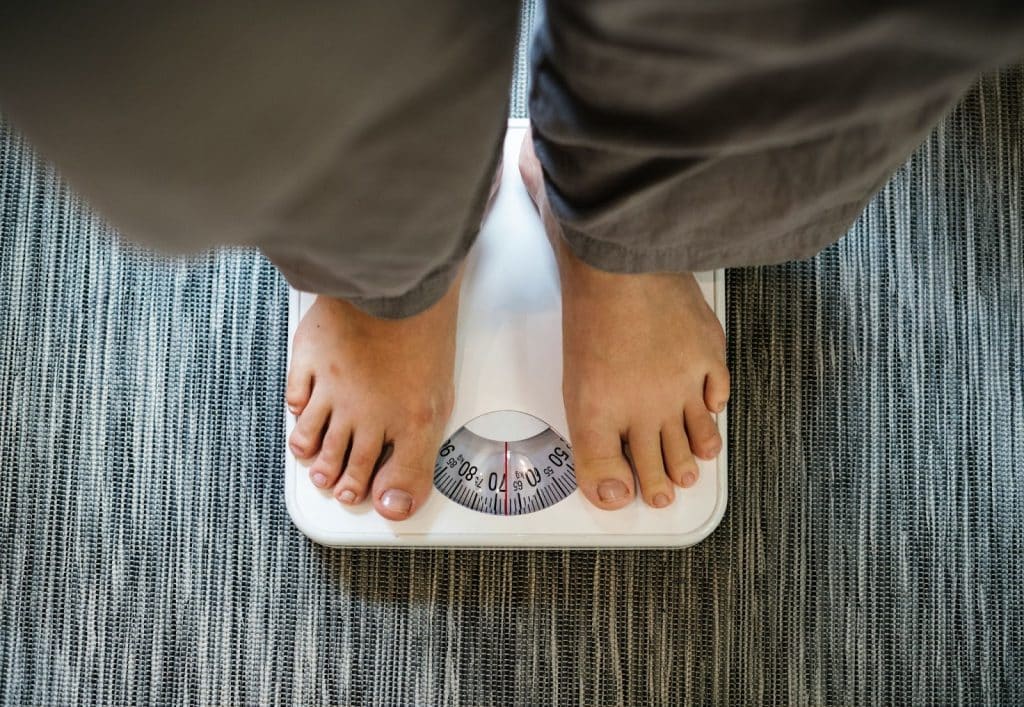
Extreme dieting to bulk up or slim down quickly is common but dangerous. Rapid weight changes disrupt blood pressure and cholesterol levels, stressing the heart. These fluctuations also confuse your metabolism and can lead to longer-term health issues. This on-again, off-again pattern adds more long-term damage than steady habits would. Sustainable changes are safer and far more effective.
Smoking Alternatives That Still Harm

Vaping, hookahs, and smokeless tobacco are often seen as safer than cigarettes, but they’re not harmless. Many contain nicotine and other chemicals that damage blood vessels and raise heart disease risk. Even “nicotine-free” versions may contain other harmful substances. Young users may feel safe, but the long-term effects are catching up. The risks are real, and often overlooked.
Excessive Gym Supplements

Pre-workouts, mass gainers, and testosterone boosters may promise results but can overload the heart. Some contain unregulated ingredients or high stimulant doses. When taken without guidance or medical clearance, they turn fitness into a risk factor. Misuse or overuse adds unnecessary pressure on your cardiovascular system. Knowing what you’re taking, and why, matters more than marketing.
Family History Men Ignore

Genetics play a huge role in early heart disease. Men with a parent or sibling who had a heart attack before 55 are especially at risk. But many ignore their family history or assume they’re too young to be affected. This mindset delays preventive action. Knowing your background can be life-saving and help you make smarter lifestyle choices early on.
Why This Matters

The rise in early heart attacks isn’t just a health statistic, it’s a warning. These risk factors aren’t obvious and often show up without symptoms. Ignoring them can lead to life-altering events. A heart attack in your 30s or even late 20s isn’t just rare anymore. Awareness is the first step to prevention, and action must follow.
What Men Can Start Doing

Simple changes make a big difference. Regular screenings, balanced routines, stress reduction, and better sleep all help. Building healthier habits doesn’t mean overhauling your life overnight. It’s not about perfection, but consistency. Taking ownership of health in your 20s and 30s sets the tone for the decades ahead.
How Partners and Friends Can Help

Support matters. Encouraging check-ups, sharing health goals, or just starting honest conversations can push men to take action. When loved ones show that health isn’t taboo or “unmanly,” it becomes easier to prioritise. Creating a safe space for vulnerability can be life-saving. Together, early intervention becomes possible.








Ask Me Anything