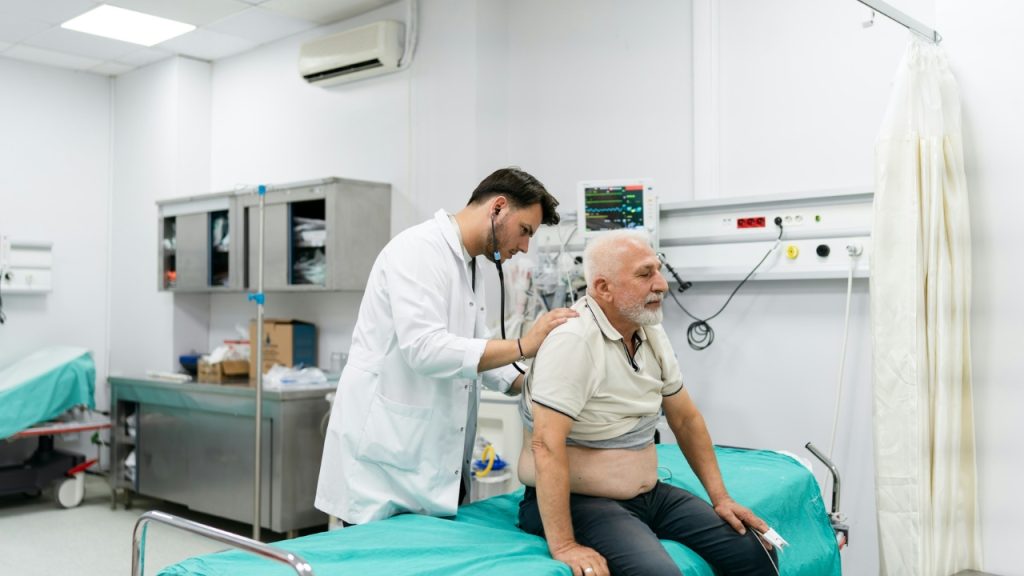
Most men don’t decide to skip checkups. It just happens. One year passes, then another, and suddenly “I’ll get to it” becomes the plan. You feel fine, work is busy, and nothing feels urgent enough to book an appointment. That pattern feels harmless, but it isn’t accidental. These are the real reasons men avoid routine checkups, even when they know better.
You think feeling fine means being fine

Feeling okay has become your unofficial medical clearance. If nothing hurts, you assume nothing’s wrong. What gets ignored is how many serious conditions stay quiet for years. By the time symptoms show up, the situation is usually more complicated. Feeling fine is not the same as being healthy.
You don’t want bad news on a random Tuesday

A routine visit feels risky because it might turn into something. You worry about hearing words you weren’t planning for or dealing with follow-ups you didn’t ask for. So you delay, hoping silence equals safety. It doesn’t, but it feels easier in the moment.
You treat checkups like a time luxury you don’t have

Work meetings, family responsibilities, and daily logistics always win the calendar battle. A checkup feels optional compared to everything else. The irony is that health problems don’t wait for your schedule to open up.
You don’t like being told to change things you enjoy

Doctors have a reputation for pointing out habits you already know aren’t perfect. Diet, exercise, sleep, alcohol, stress — it all comes up eventually. Avoiding the visit feels like avoiding the lecture. It’s not logical, but it’s common.
You assume serious problems come with obvious warning signs

There’s an expectation that major health issues announce themselves loudly. Chest pain, dramatic weight loss, or constant fatigue are signals to watch for. Many conditions don’t play by those rules. They show up quietly and stay that way.
You don’t love the vulnerability of the setting

Being examined isn’t anyone’s favorite experience. It puts you in a passive role, answering personal questions you don’t usually talk about. That discomfort alone is enough to keep many men away longer than they admit.
You don’t have a regular doctor, so starting feels annoying

Not having a go-to doctor makes the whole process feel heavier. Finding one, filling out forms, and explaining your history feels like work. So you put it off, even though that first step is usually the hardest part.
You believe you’ll handle it if something actually happens

You quietly worry about the cost
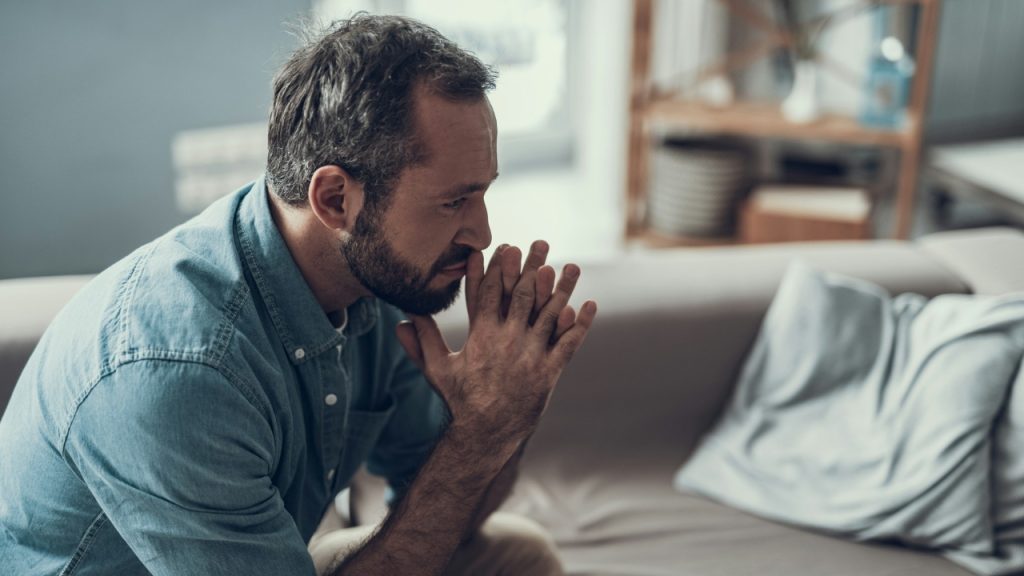
Even with insurance, medical visits can feel unpredictable financially. Co-pays, tests, and follow-ups add uncertainty. Avoiding the appointment feels like avoiding surprise expenses, at least for now.
You don’t want to feel judged

Whether real or imagined, judgment plays a role. Weight changes, stress levels, and lifestyle habits can feel exposed in that room. Skipping the visit avoids that awkward feeling, even if no one is actually judging you.
You’ve convinced yourself you’re healthier than most guys

It’s easy to compare yourself to worse examples. Maybe you don’t smoke, or you stay active, or you eat pretty well. That comparison creates a false sense of security. Average health still benefits from regular check-ins.
You rely on online advice more than you should

Quick searches and social media tips feel convenient and reassuring. They also lack context and accuracy. Using them as a replacement for actual medical care creates blind spots you don’t see coming.
You associate checkups with getting older

Routine screenings feel like something for later. Going now feels like admitting a new stage of life. That mental resistance keeps many men away longer than necessary.
You don’t want to open a door you can’t close

Once you go, there might be follow-ups, referrals, or lifestyle adjustments. That commitment feels permanent. Avoiding the first step feels like staying in control, even if it’s temporary.
You underestimate how fast things can change
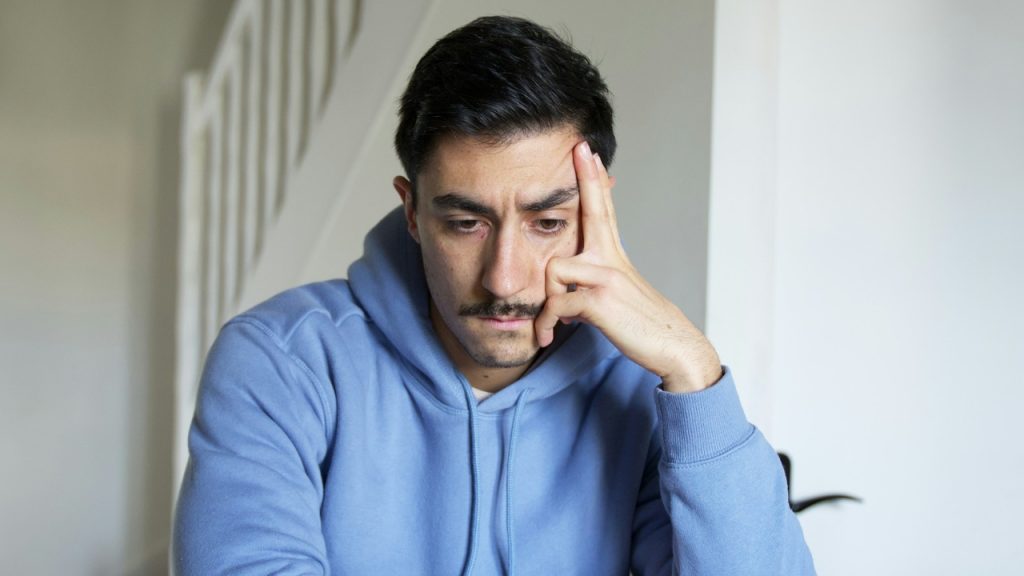
Health doesn’t always decline slowly. Sometimes it shifts quietly, then suddenly matters a lot. Regular checkups aren’t about expecting the worst. They’re about not being surprised by it.








Ask Me Anything