
Do you want to appear–or more importantly–be more professional in your line of work? You’re in luck, because it’s never too late to start. Being seen as “professional” doesn’t just come down to job titles or power suits. It’s in the little things–the way you show up, follow through, and treat the people around you. The truth is, anyone can develop a professional presence.
Here are 15 small habits you can start cultivating today.
1. Listening Actively

During meetings, are you present and engaged? When your colleagues are talking to you, do you look them in the eye and actually listen, or are you just waiting to speak? Active listening means putting away distractions, showing empathy, and asking thoughtful follow-up questions. It’s one of the fastest ways to earn respect–because people can tell when they’re being heard. You’d be surprised how rare that actually is in most workplaces.
2. Dressing Well

©Andrea Piacquadio/pexels.com
A man looking at his phone in front of the window
It doesn’t matter if your role is not client-facing or if your office has a relaxed dress code–how you dress still says a lot about how seriously you take your work. You don’t have to spend a fortune to do it, too. Clean, well-fitting clothes, polished shoes, and attention to detail go a long way. Looking sharp sends a message that you value yourself and your role. It’s not about vanity–it’s about showing up ready.
3. Proper Grooming
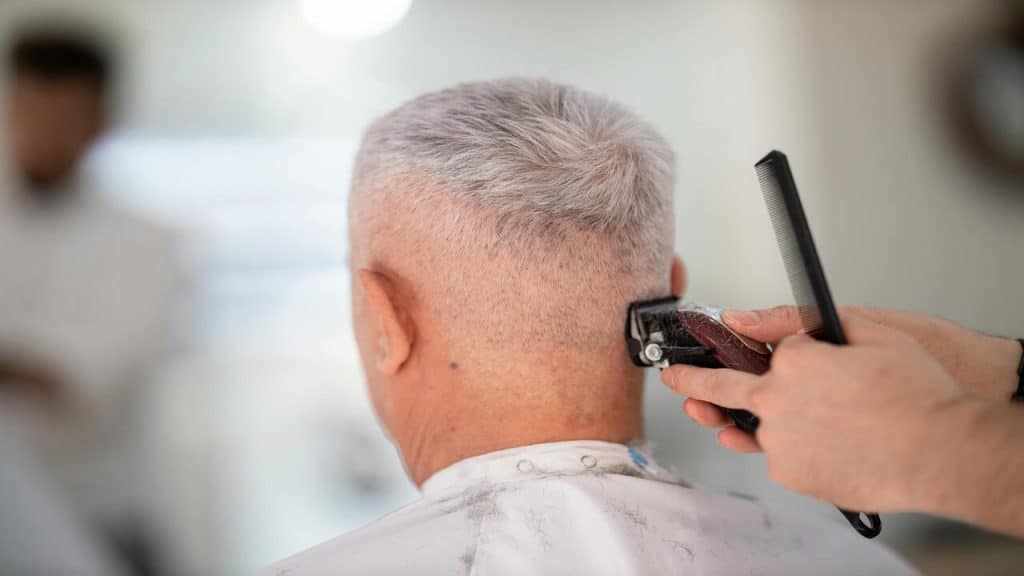
Your hair, skin, and nails can make or break your overall appearance–even if you’re wearing the right clothes. Professionalism is also about hygiene. A clean shave (or well-groomed beard), trimmed nails, and fresh breath sound basic, but they’re often overlooked. These are the little cues that others pick up on, consciously or not. If you can’t take care of yourself, why would anyone trust you with a client?
4. Time Management

One of the most surefire ways to look unprofessional is by not managing your time well–especially if others are relying on you. Being consistently late or always in a rush shows poor boundaries and a lack of control. On the flip side, punctuality and preparedness make you stand out in the best way. Use a calendar. Set alarms. Plan your day. Respecting your time helps others respect theirs, too.
5. Positive Attitude

Are you the type of coworker who people can count on to stay calm under pressure, or are you the first to complain when things get tough? A positive attitude doesn’t mean faking happiness–it means staying constructive, even when problems arise. A steady, encouraging presence makes you someone others want on their team. And that kind of emotional reliability? That’s professional gold.
6. Continuous Learning

Someone who truly cares about their professional life will never shy away from learning. Whether it’s reading industry news, asking for feedback, or picking up a new skill, growth-minded people radiate competence. You don’t have to wait for a company-mandated course. Be the kind of person who invests in themselves. It shows initiative, curiosity, and pride in your craft.
7. Welcoming Spirit

When there are new employees joining the team, do you make them feel seen–or do you leave them to figure things out on their own? A true professional doesn’t act territorial and they don’t haze the newbies. They know that part of their role is to foster a healthy culture. Be the one who remembers names, introduces people, and helps others get settled. That kind of grace doesn’t go unnoticed.
8. Following Deadlines

Dependability is one of the biggest markers of professionalism–and nothing signals that faster than meeting your deadlines. If you say you’ll deliver something by Friday, then it better not arrive next week. Even when things change, keeping others informed (early!) builds trust. Being deadline-driven doesn’t mean you’re uptight. It means you understand the ripple effect your work has on others.
9. Network-Building

If you’re someone who only speaks to colleagues when you need something, it shows. But when you take time to build real connections, you become more than just a name in the org chart. Professionals who actively network are better collaborators, better communicators, and more resilient in the face of change. Small acts–like asking someone to coffee or checking in after a meeting–go a long way.
10. Staying Organized
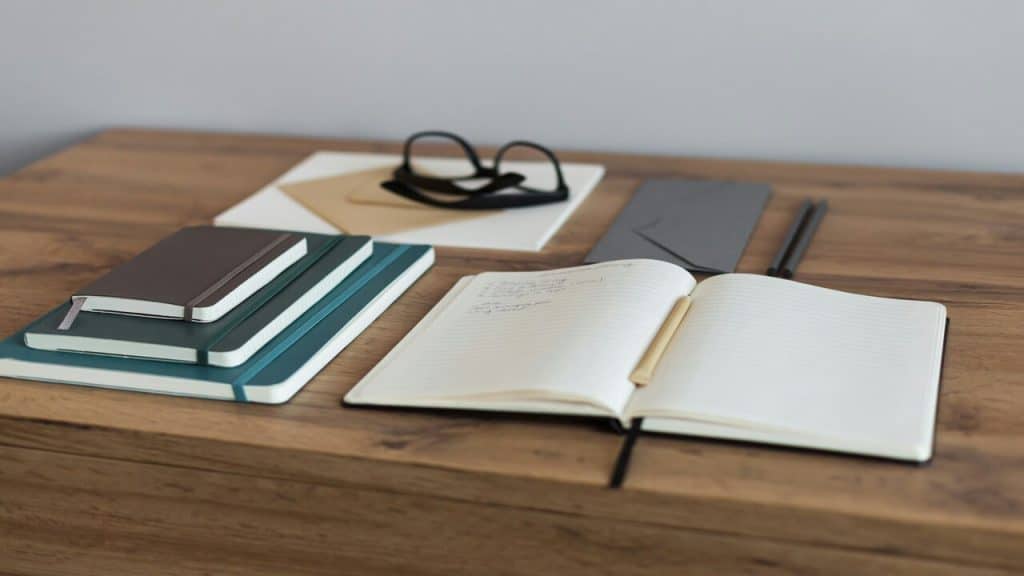
Whether you’re working on-site or from home, your workspace reflects your mind. Are your files in order? Do you know where to find things? A cluttered digital or physical setup slows you down–and makes others think you’re overwhelmed. Organization helps you move with clarity and confidence. It’s not about being a perfectionist–it’s about reducing chaos so you can focus on what matters.
11. Clear Communication

As they say, “Clear is kind and unclear is unkind.” They usually say this in the context of relationships, but it can also apply at work. Vague emails, rambling reports, or passive-aggressive feedback don’t serve anyone. Clear communication is concise, respectful, consistent, and direct. And the more you practice it, the more people will trust what you say–and how you say it.
12. Owning Mistakes with Grace

Because none of us will ever be perfect, it’s how we own up to our mistakes that makes the difference. Blaming others or getting defensive chips away at your credibility fast. But when you admit an error, take responsibility, and offer a solution, people see you as honest, mature, and capable. The truth is, professionals don’t avoid mistakes–they recover from them with integrity.
13. Good Stress Management

Knowing how to regulate and manage your stress is a skill–and yes, it’s a professional one. If you’re constantly frantic, reactive, or emotionally checked out, that energy spreads. Professionals develop healthy coping strategies. Whether it’s taking breaks, breathing exercises, or simply setting better boundaries, the goal is the same: don’t let your stress leak into your work relationships.
14. Excellent Manners

Do you say please and thank you? Do you open doors for people? Do you acknowledge the janitor as much as you do the CEO? Good manners never go out of style–and in professional settings, they stand out even more. Politeness signals emotional intelligence, humility, and class. It costs nothing to be courteous, and yet it elevates your presence instantly.
15. Practicing Gratitude
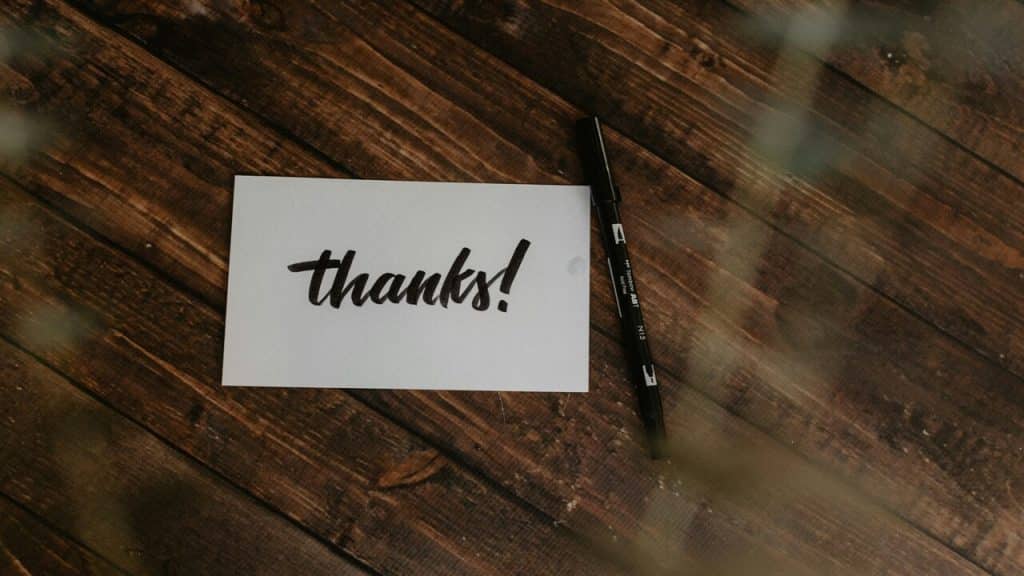
And perhaps one of the most important, yet underrated habits: Showing appreciation. Say thank you often. Acknowledge people’s help. Celebrate small wins. Gratitude creates a culture of respect, and professionals who express it regularly are more grounded, more respected, and more connected. It’s not soft–it’s strategic. Because people remember how you made them feel.








Ask Me Anything