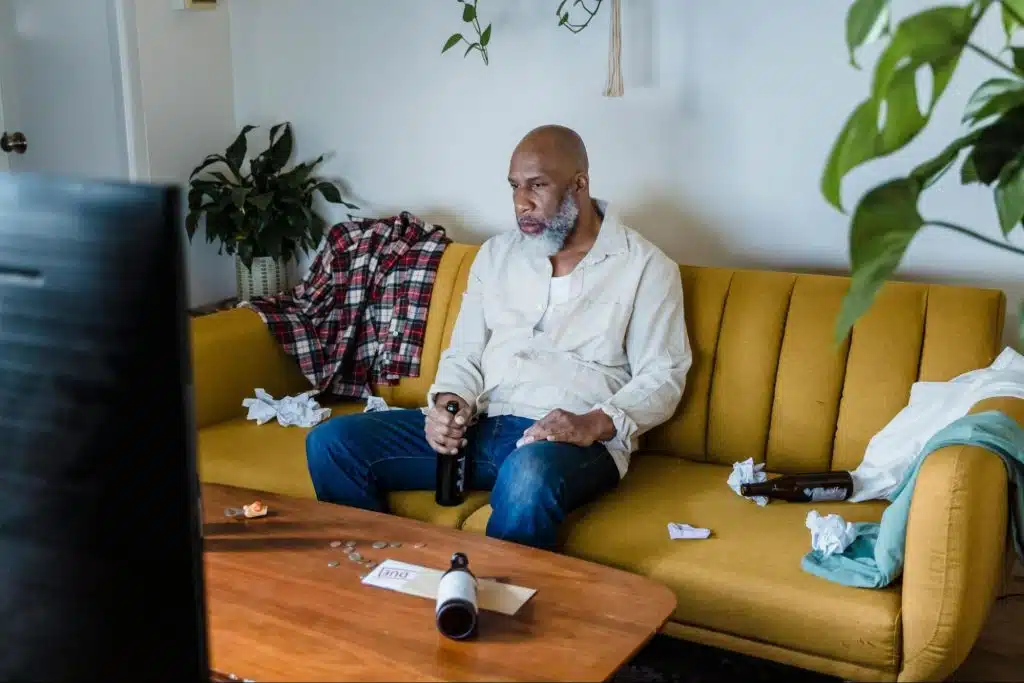
Attraction in long-term relationships is rarely lost in one dramatic moment. It usually fades through small daily habits that change how a partner feels in the relationship. Many men assume attraction is mainly physical, but at home it often becomes emotional and behavioral. The way someone speaks, contributes, and shows up matters more over time than a single romantic gesture. These habits are often unintentional, which is why they go unnoticed. But patterns shape desire because patterns shape safety and respect. This list breaks down subtle habits that make a partner feel less drawn in over time.
The “Comfort Zone” That Turns Into Complacency

Comfort is healthy, but complacency often feels like being taken for granted. When effort drops at home, attraction often drops with it. Many men do not realize that “relaxed” can start reading as “checked out.” The home environment becomes less playful, less warm, and less emotionally engaging. Desire tends to follow attention, not entitlement. When attention fades, attraction fades. These habits often start as convenience and end as distance.
He Stops Initiating Connection and Calls It Normal

A subtle attraction killer is never starting anything. No date ideas, no spontaneous plans, no playful messages, no small moments of pursuit. The partner starts feeling like the relationship runs only on routine. Over time, she may stop initiating too, and the relationship goes quiet. This is often interpreted as “things are stable,” but it can be an emotional flatline. Attraction grows when someone feels chosen, not simply included. Initiation signals desire in a non-verbal way. When initiation disappears, interest often cools.
He Treats Home Like a Rest Stop, Not a Relationship
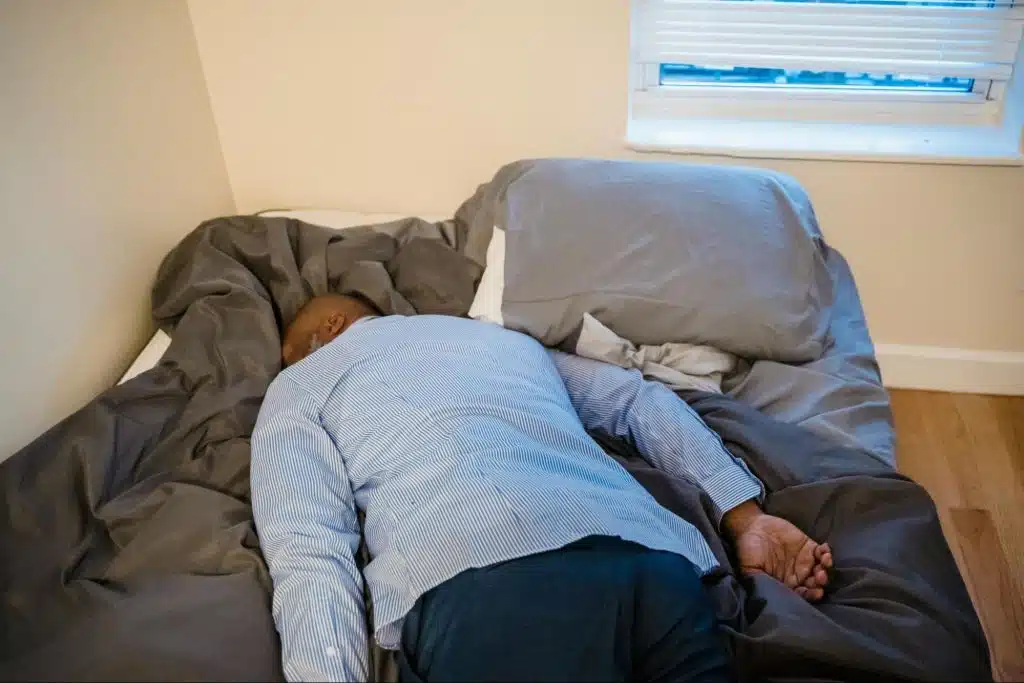
Some men come home and immediately disappear into screens, naps, or “decompression.” Rest is valid, but consistent disengagement creates emotional distance. The partner starts feeling like she gets leftovers of attention. Even small daily connection rituals matter, such as greeting warmly, asking about the day, or sharing a moment. When those disappear, home becomes a shared space, not a shared life. Attraction is linked to emotional presence. Emotional presence is difficult when someone is always mentally elsewhere. Over time, the partner stops expecting connection.
He Lets Basic Self-Care Slide and Calls It Real Life
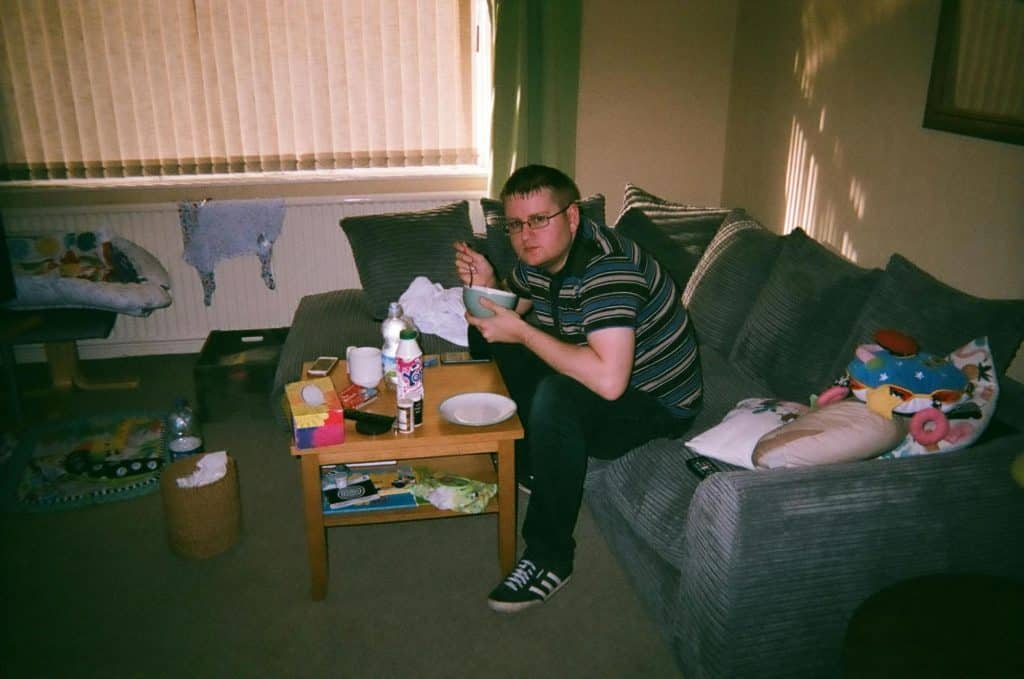
Long-term attraction includes effort, not perfection. When hygiene, grooming, and basic health habits decline, it affects desire. It is not about looking like a model at home. It is about showing respect for self and the relationship. Many partners interpret self-neglect as low energy and low self-respect. That can change how attraction feels in everyday life. Small self-care habits often signal pride and vitality. Vitality is attractive. Neglect can communicate, “This no longer matters.”
He Turns Every Conversation Into Complaints

A constant complaint loop makes home feel heavy. Stress is real, but how it is expressed matters. When most interactions are negative, the partner starts associating him with tension. That association reduces warmth and closeness over time. Complaining can also crowd out curiosity and humor. A relationship needs positive emotional moments to stay magnetic. If home feels like a complaint session, attraction fades. Partners want to feel like a source of comfort, not a dumping ground. Emotional balance matters more than occasional venting.
He Uses Humor That Cuts Instead of Connects

Playful teasing can be healthy, but sarcasm and “jokes” that sting create insecurity. Over time, the partner becomes guarded. Guarded partners are less affectionate, less playful, and less open. Many men do not realize how quickly cutting humor kills desire. Attraction grows in emotional safety. Safety disappears when someone feels mocked. Even small jabs can accumulate into resentment. What is called “just joking” can still create lasting emotional impact. Warm humor bonds; sharp humor separates.
The Respect Drift: Small Disrespect That Adds Up
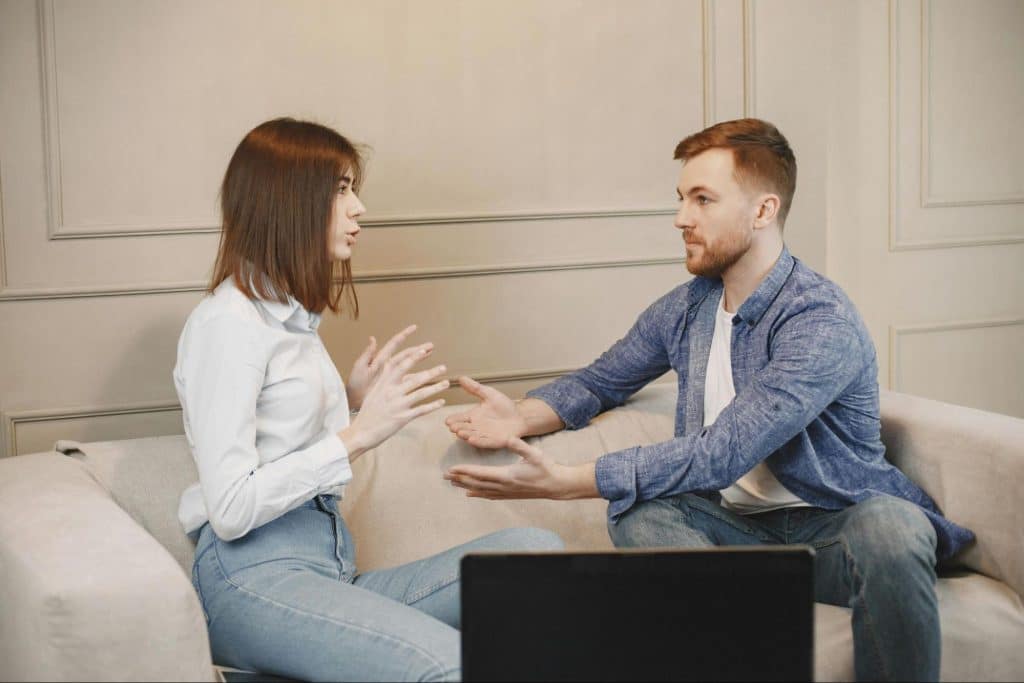
Attraction requires respect, and respect often dies through tone. Dismissive replies, eye-rolling, interruptions, and talking down are quiet desire killers. Even if love exists, disrespect makes closeness feel unsafe. Many men underestimate how much tone affects attraction. A partner may not argue about every moment, but she registers the pattern. Over time, she stops feeling cherished. Feeling uncherished reduces affection and intimacy. Respect is not a special occasion behavior. It is a daily habit.
He Corrects Instead of Listening
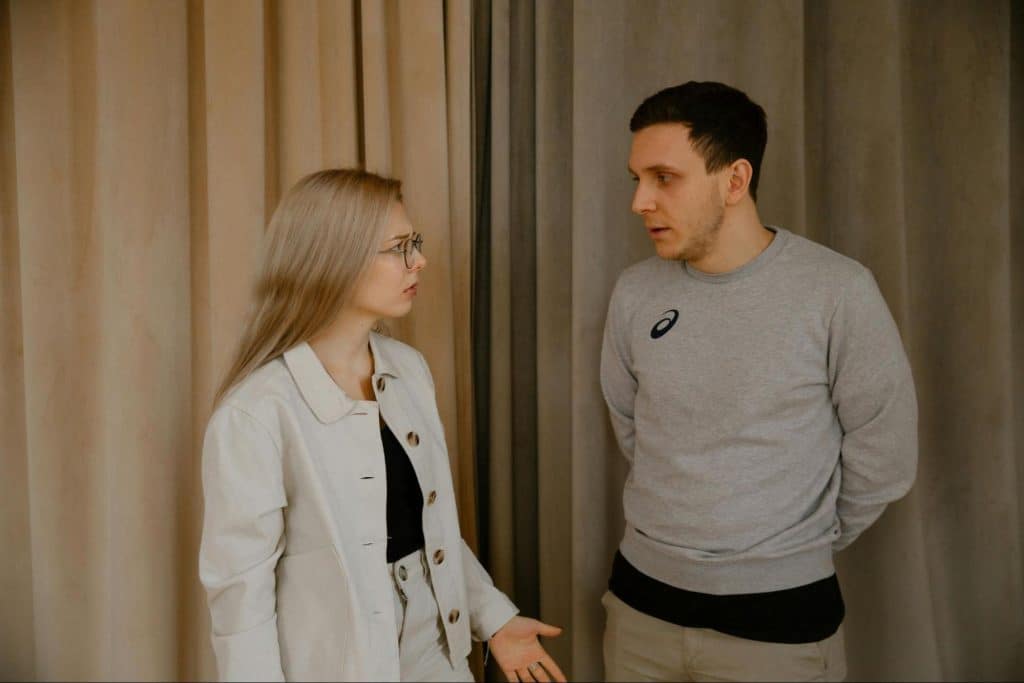
A common habit is responding to feelings with logic and correction. The partner shares frustration, and he debates details or offers a fix immediately. This can make her feel unheard or minimized. Over time, she shares less because it feels pointless. Emotional intimacy reduces when feelings are treated like mistakes. Listening is not agreeing; it is understanding. Understanding makes a partner feel safe and close. Constant correcting creates emotional distance. Distance is rarely attractive.
He Acts Like Help Is “Assisting,” Not Sharing
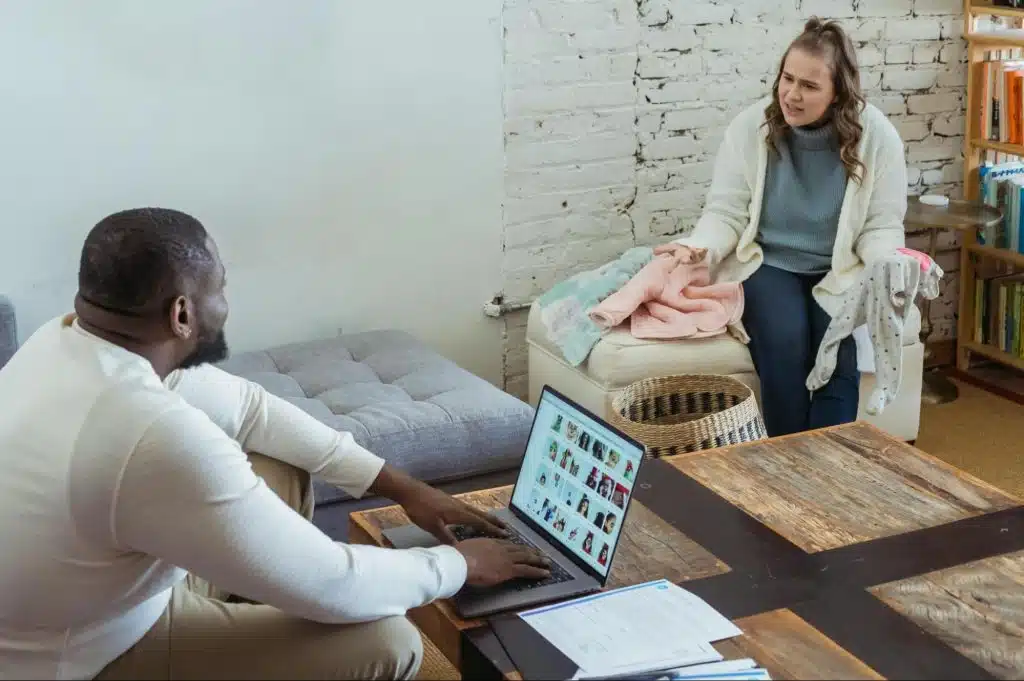
When chores and responsibilities are framed as “helping,” it creates imbalance. The partner starts feeling like the manager of home life. Management is not sexy; it is tiring. Many men do not see how quickly unequal responsibility affects attraction. Attraction struggles when one person feels like a caretaker rather than a partner. Shared responsibility protects respect and energy. Energy is a core ingredient of desire. When the partner is exhausted, desire naturally drops. Partnership is attractive; parenting a partner is not.
He Leaves Emotional Labor to Her

Emotional labor includes remembering plans, keeping track of needs, smoothing conflict, and maintaining connection. When one person carries all of it, resentment builds quietly. The man may be loyal and hardworking, yet the partner feels alone in the relationship work. Over time, she stops bringing things up and starts detaching. Detachment reduces warmth and affection. Many men do not realize the “invisible work” is real work. When it is ignored, appreciation fades. When appreciation fades, attraction often follows.
He Avoids Repair After Conflict
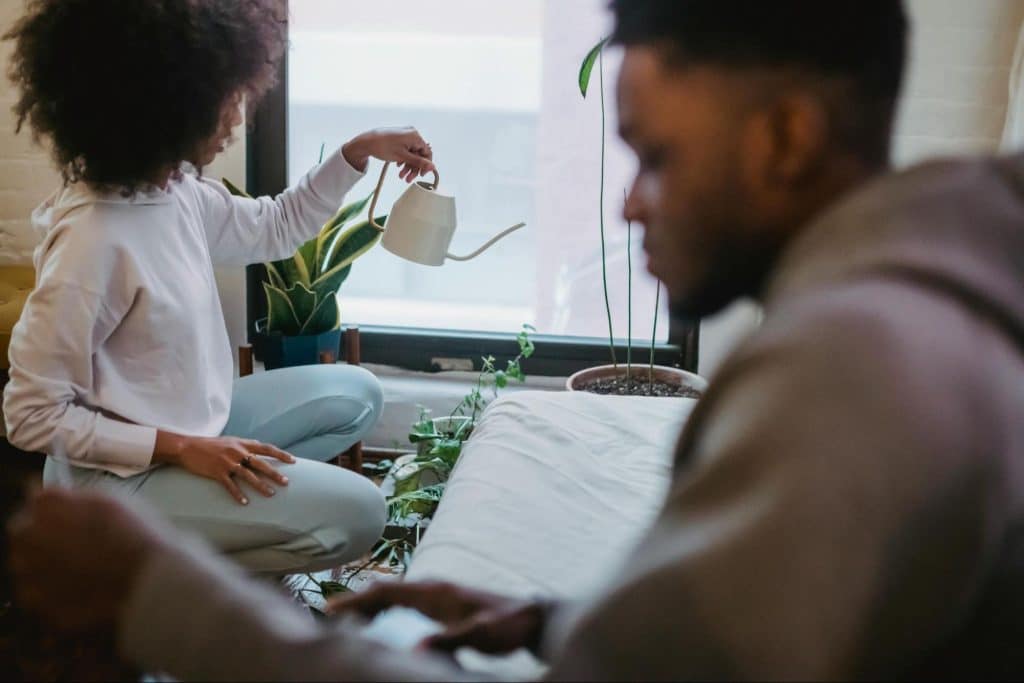
Conflict is not what kills attraction; unresolved conflict does. If arguments end with withdrawal, silence, or avoidance, resentment accumulates. The partner may forgive outwardly but stay emotionally guarded. Guardedness reduces intimacy. Repair can be simple: accountability, reassurance, and behavior change. Without repair, each conflict becomes a scar. Scars reduce emotional closeness. Emotional closeness fuels attraction. Avoiding repair is like letting a wound stay open.
The Bedroom-Adjacency Problem: Affection Only When He Wants Physical Intimacy
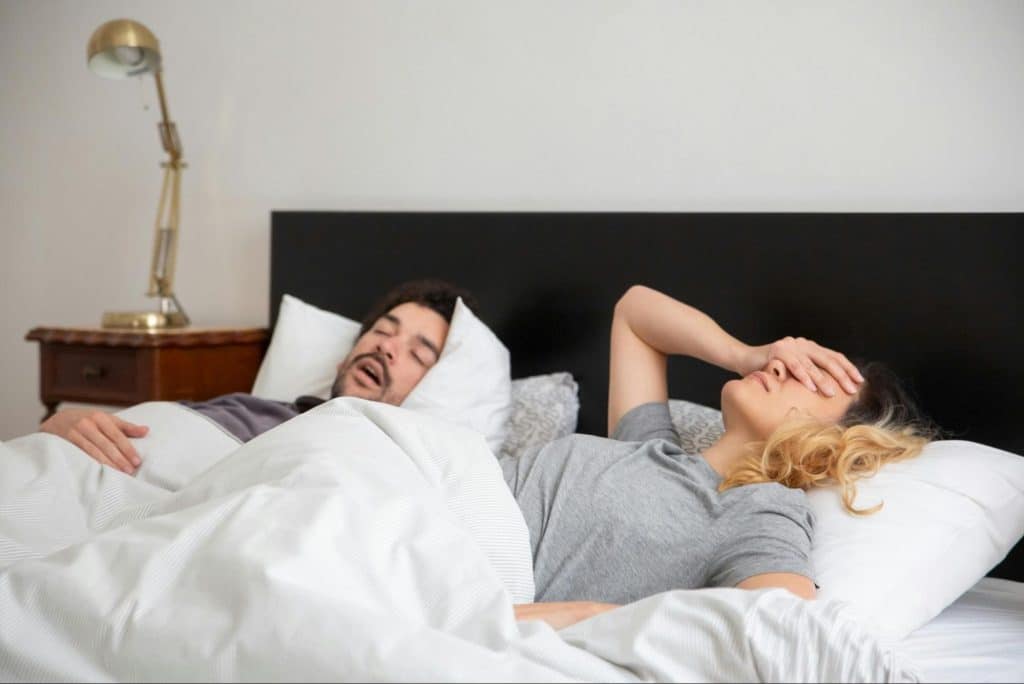
When affection appears only as a pathway to physical intimacy, it feels transactional. The partner begins to distrust affection because it comes with pressure. Over time, she may avoid touch entirely to avoid expectation. This creates a cycle of less affection and less closeness. Attraction thrives when affection exists without an agenda. Non-sexual warmth builds safety. Safety makes intimacy more natural, not forced. Many men do not notice how timing shapes perception. Consistent affection throughout the day changes everything.
He Stops Being Curious About Her

Curiosity is a quiet form of romance. When questions disappear, the relationship becomes stale. The partner feels less known and less interesting in his eyes. Feeling uninteresting reduces desire and confidence. Many men assume they already “know” their partner, but people keep evolving. Asking about thoughts, feelings, and goals keeps connection alive. Curiosity also prevents the roommate dynamic. Roommates share space; partners share inner life. Losing curiosity often means losing connection.
He Makes Everything About Control and Efficiency
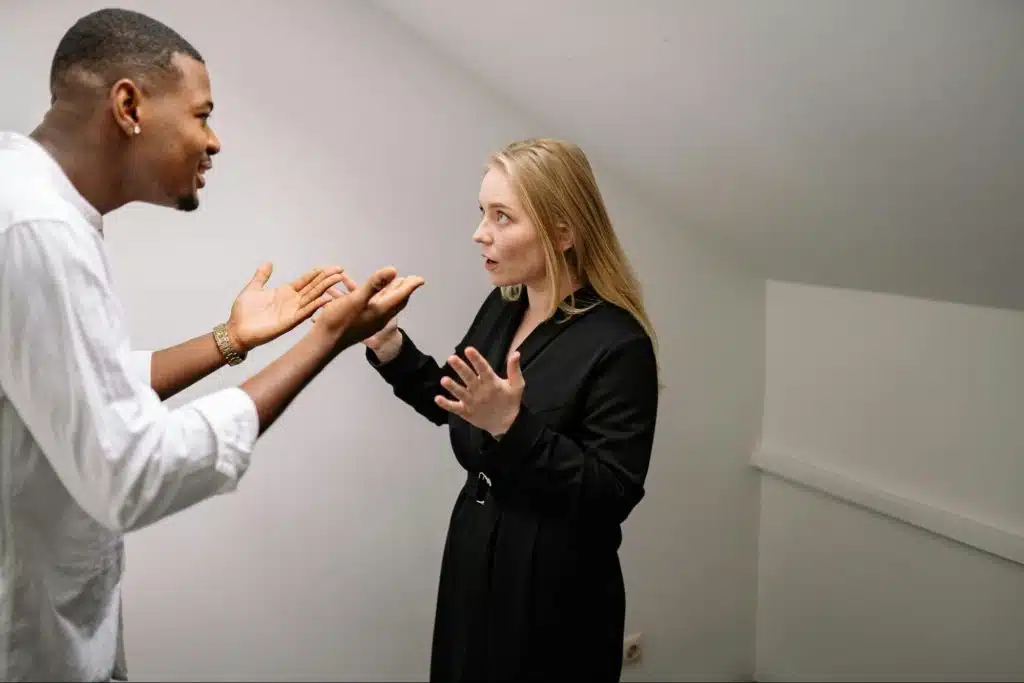
Some men manage home like a project. They focus on rules, order, and efficiency, but forget warmth. This can make the partner feel like she is living in a system, not a relationship. Over time, the home feels rigid. Rigid environments reduce playfulness. Playfulness is a major attraction ingredient. When everything is corrected, scheduled, or optimized, spontaneity dies. Spontaneity keeps love feeling alive. Control can create stability, but too much control kills romance.
He Becomes Emotionally Flat and Calls It “Being Mature”

Calm is attractive; emotional absence is not. Some men shut down emotionally and call it strength. They stop expressing appreciation, excitement, or affection. The partner starts feeling like she is living with a wall. Walls do not create intimacy. Intimacy requires emotional presence and responsiveness. Emotional flatness can come from stress, depression, or burnout, but it still affects attraction. Many partners interpret flatness as lack of interest. Interest needs to be felt, not assumed.
He Takes Her For Granted in Small Daily Ways
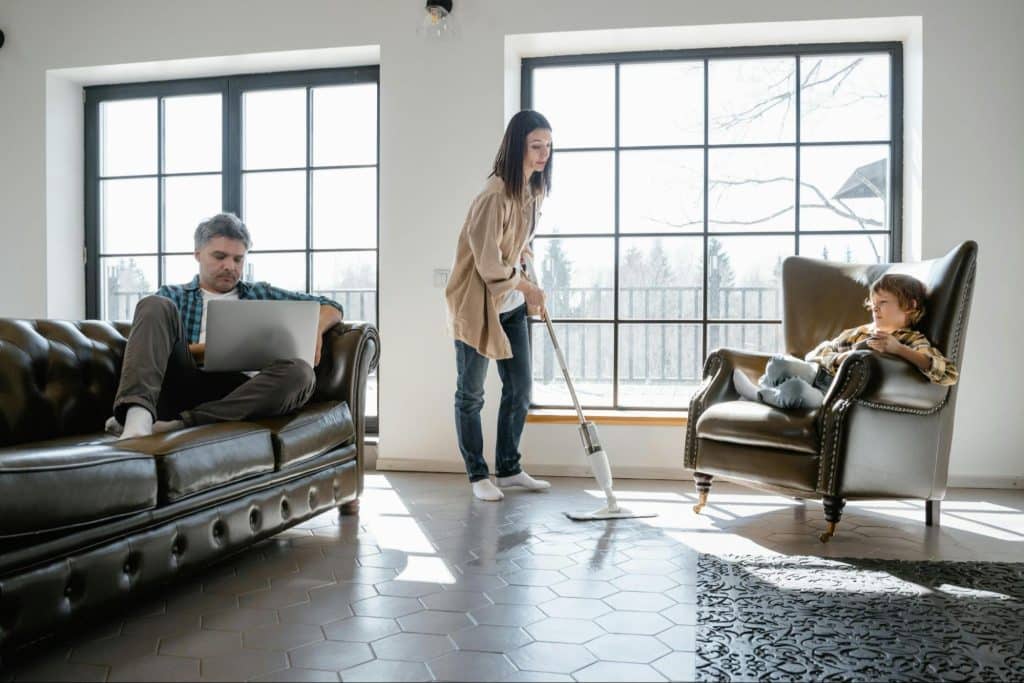
This shows up in small moments: not saying thank you, not acknowledging effort, not noticing changes, not offering kindness. Over time, the partner stops feeling valued. Feeling undervalued changes how love feels in the body. Many men only notice the shift when affection is gone. But the shift started earlier, in small daily neglect. Appreciation is one of the easiest attraction protectors. It costs nothing but attention. When appreciation disappears, connection thins. When connection thins, attraction follows.
Tips: How to Reverse These Habits Without Overdoing It

Start with one consistent daily connection ritual, such as a real greeting and five minutes of attention. Make self-care basic and steady rather than dramatic. Replace sarcasm with warmth and curiosity, especially during stress. Take responsibility for shared life tasks without being asked. Offer appreciation in specific ways, not vague praise. Practice repair after conflict with accountability and reassurance. Make affection normal, not conditional. Consistency beats intensity every time.
Tips: How to Create Attraction in Everyday Moments

Attraction grows in small predictable behaviors: eye contact, kindness, and play. Humor that feels safe builds closeness fast. Listening without correcting increases emotional intimacy. Planning small dates keeps the relationship from becoming only logistics. Sharing decisions and responsibility keeps respect high. Showing curiosity keeps the partner feeling seen. Emotional presence makes home feel warmer. Warm homes create more affection naturally.
Tips: How to Know If It’s Working
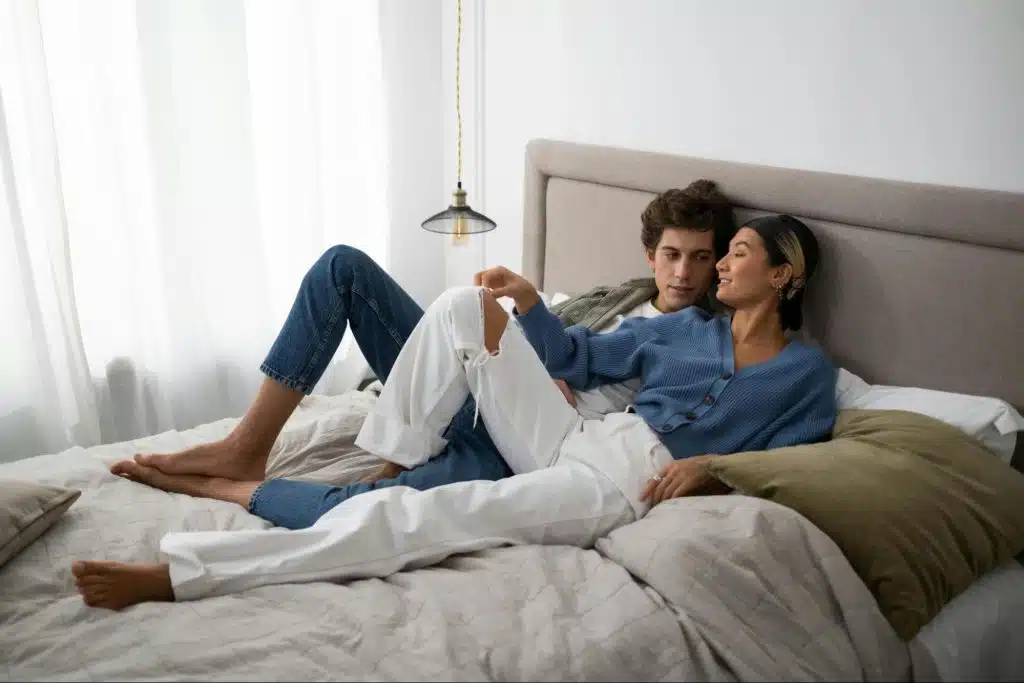
Look for a change in emotional climate first, not instant romance. The partner becomes more relaxed, more playful, and more responsive. Conversations feel less tense and more cooperative. Touch becomes easier and less guarded. Appreciation becomes mutual instead of one-sided. Conflict becomes shorter because repair improves. The relationship starts feeling lighter. Lightness is often the first sign that attraction is returning. Attraction rarely returns through pressure. It returns through safety, respect, and consistent effort.
Attraction at Home Is a Habit, Not a Mystery

Many men lose attraction at home without realizing it because it fades through small everyday habits. These habits usually communicate low effort, low presence, or low partnership, even when love is real. The good news is that attraction is often repairable when behavior changes consistently. Small shifts in respect, responsibility, curiosity, and affection can change the entire emotional climate. The goal is not to perform romance. The goal is to build a home environment where love feels safe, warm, and chosen. When a partner feels chosen, desire often follows. Attraction is not only about appearance. It is about how someone feels living next to a person every day.








Ask Me Anything