
After 40, many people reach a turning point. The priority shifts from chasing validation to protecting peace of mind. Relationships become more intentional, boundaries become clearer, and quiet moments start to feel like luxury.
This isn’t about becoming rigid or isolated–it’s about choosing quality over chaos. And if you pay attention, you’ll notice certain habits in people over 40 that signal one powerful truth: they’re done wasting time on drama. Below are the behaviors that prove peace is now the main priority.
1. They Say “No” Without Explaining Themselves

They stop justifying every decision and no longer feel guilty for protecting their time. “No” becomes a complete sentence–not an apology. In their 40s, they realize the fastest way to attract drama is by overcommitting and underprioritizing themselves. They choose clarity over people-pleasing and only say yes when they truly mean it. That shift alone makes space for better health, better relationships, and better days.
2. They Keep Their Social Circle Small, But Solid

At 40, popularity stops mattering and loyalty becomes the priority. They don’t need 50 people to call friends; three supportive ones are enough. They may unfollow, mute, or distance themselves from high-maintenance people–not out of bitterness, but self-preservation. They invest in relationships that feel light, honest, and mutual. Less noise, more depth–that’s the new rule.
3. They Prefer Walking Away Over Winning Arguments

People over 40 learn that peace is worth more than being right. They no longer take every debate personally or feel the need to explain themselves to people who don’t want to listen. They disengage early when conversations turn unproductive and save their words for people who value them. Silence becomes a strategy–not a surrender.
4. They Put Rest and Recovery at the Top of Their List

Late nights and burnout no longer feel glamorous. They protect their sleep like it’s medicine because they’ve seen what exhaustion does to mood, focus, and patience. Instead of trying to push through fatigue, they build routines that allow them to recharge–mentally and physically. A quiet evening becomes something to look forward to–not avoid.
5. They Don’t Chase Anyone–Ever

People over 40 stop running after attention, approval, or affection. If someone drifts away, they let them. They believe that real connections flow naturally, and anything forced isn’t worth keeping. This shift eliminates anxiety and brings healthier relationships into their life–because drama only survives where insecurity lives.
6. They Enjoy Being Alone

Solitude becomes a sanctuary, not a punishment. They discover they can enjoy a quiet morning, a solo walk, or even dinner for one without feeling lonely. They no longer need constant validation or background noise to feel okay. Instead, they build a strong inner life–and when they do choose company, it’s intentional.
7. They Avoid Conversations That Go in Circles

They’re done having the same arguments on repeat. If a problem has been discussed but not solved, they either act on it–or move on. They refuse to spend hours justifying their feelings or trying to change someone’s mind. Their new motto? If it doesn’t evolve, it ends.
8. They Choose Stability Over Excitement

The thrill of chaos fades, and consistency starts looking attractive. They look for people who are steady, not dramatic. They prioritize reliability, emotional maturity, and follow-through. Excitement is still fun–but peace is sustainable, and sustainability wins.
9. They Don’t Share Every Opinion

People over 40 understand that not every thought needs to be spoken. They don’t argue online, don’t police everyone’s choices, and don’t offer unsolicited advice. Instead, they choose their words with intention–and speak when it matters, not just when they feel like it.
10. They Stop Oversharing

They become more private–not because they’re hiding, but because they’re healing. They don’t broadcast every struggle or achievement. They realize that peace grows in quiet places, not in public ones. The more they guard their personal life, the calmer everything feels.
11. They Lower Their Reactivity

They respond instead of react. Instead of firing off emotional messages or taking things personally, they pause. They think. They process. This simple habit lowers anxiety, prevents conflict, and keeps unnecessary drama out of their life. Control of emotion equals control of outcomes.
12. They Stop Trying to Change People

They stop exhausting themselves trying to “fix” others. If someone shows who they are, they accept it–or walk away. They understand that change only happens when someone wants it for themselves. Peace arrives when expectation leaves.
13. They Protect Their Energy

People over 40 track how every person and activity makes them feel. If someone constantly drains them, they don’t ignore it–they adjust for it. They start treating time and energy like currency: spend wisely, protect fiercely, and don’t hand it out for free.
14. They Embrace Routine Instead of Running From It
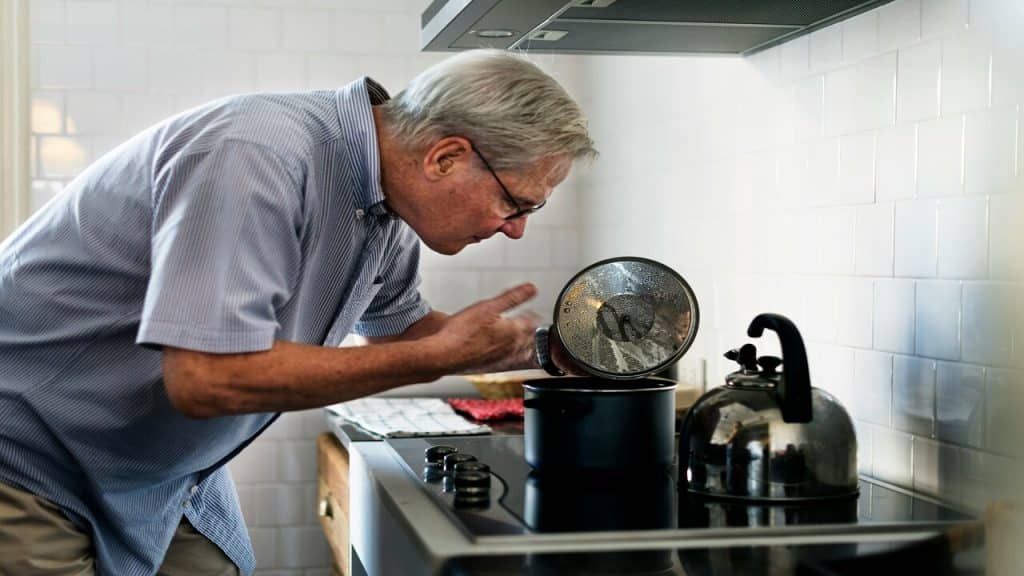
What once felt “boring” now feels grounding. They create systems–morning habits, financial structure, weekly plans–that reduce stress and decision fatigue. They don’t see structure as limiting; they see it as freeing. When life is organized, the mind is calm.
15. They Don’t Compete With Anyone

The comparison game fades away. They don’t measure success by someone else’s timeline. They focus on growth, health, and fulfillment–not bragging rights. They cheer for others without feeling behind, because they’ve learned that life isn’t a race–it’s a custom path.
16. They Choose Healing Over Blaming

Blaming others keeps people stuck, and they know it. Instead of pointing fingers, they look inward and ask, “What can I learn from this?” They stop replaying painful moments and start rewriting their future. Emotional maturity becomes their quiet form of strength.
17. They Spend More Time Creating Than Critiquing

Criticism is easy–but creating takes courage. People over 40 shift their energy toward building, improving, learning, and contributing. They write, cook, plant, teach, repair, imagine, and share. They don’t sit in the stands–they step onto the field. When they begin creating instead of critiquing, they finally feel alive.








Ask Me Anything