
Marriage doesn’t crumble in a single moment, it weakens gradually through small, overlooked habits. These behaviors may seem harmless in the beginning, but over time they erode trust, affection, and respect. What begins as minor frustrations can slowly turn into emotional distance if left unaddressed. The truth is, love alone isn’t enough; it must be supported with intentional effort. Here are 18 habits that, if ignored, can quietly break down even the strongest marriages.
Avoiding Difficult Conversations

Conflict avoidance may seem like keeping the peace, but it often builds silent resentment. When issues go unspoken, they don’t disappear, they grow in the background. Partners begin to feel disconnected because their concerns are never addressed. Honest, even uncomfortable, conversations strengthen trust. Marriage thrives when problems are faced directly instead of buried.
Interrupting Instead of Listening

Constantly cutting in while a partner is speaking makes them feel unheard. Over time, this creates the sense that their thoughts don’t matter. Interrupting often shifts the focus from understanding to winning. Listening with patience communicates respect and validation. Active listening repairs what constant interruptions tear down.
Overusing Criticism

Pointing out flaws more often than offering encouragement drains a relationship’s positivity. Frequent criticism can make partners feel inadequate or unappreciated. While constructive feedback is necessary, it must be balanced with recognition of strengths. Love grows when appreciation outweighs critique. A marriage filled only with criticism becomes heavy with negativity.
Shutting Down With the Silent Treatment

Silence after conflict isn’t the same as healthy space, it’s a withdrawal that leaves wounds unhealed. Over time, the silent treatment feels like rejection rather than reflection. It prevents resolution and fosters insecurity. Constructive communication, even after cooling off, is vital. Marriage weakens when silence replaces dialogue.
Neglecting Small Gestures of Affection

Love isn’t sustained by big moments alone, it’s nurtured in daily gestures. Forgetting to hold hands, say goodnight, or give a hug can make affection fade. These small habits communicate warmth and care. Without them, relationships start to feel more like coexistence than partnership. Marriage thrives on everyday intimacy.
Taking Each Other for Granted

Familiarity sometimes leads to complacency. When partners stop acknowledging each other’s efforts, love begins to feel invisible. Taking one another for granted turns connection into routine. Recognition, no matter how small, reignites appreciation. A thriving marriage never assumes, it always values.
Failing to Show Gratitude

Gratitude is the antidote to entitlement. Forgetting to say “thank you” makes a partner feel unappreciated. Over time, the absence of gratitude creates emotional distance. Regular acknowledgment of effort strengthens bonds. Gratitude is a daily habit that keeps love alive.
Letting Resentment Build Unchecked

Unspoken frustrations don’t fade; they accumulate. Bottled-up resentment eventually surfaces in explosive arguments. Each unresolved hurt adds weight to the marriage. Addressing issues early prevents long-term damage. Letting go and moving forward is healthier than carrying emotional baggage.
Prioritizing Work Over Marriage

Careers matter, but when work consistently comes before the relationship, love suffers. Long hours and constant distractions signal misplaced priorities. Marriage requires balance, success feels empty if it costs connection. Time invested in each other is as important as professional achievement. Neglecting the relationship for work weakens the foundation.
Ignoring Quality Time Together

Being in the same room isn’t the same as being present. Skipping quality time allows emotional distance to grow. Shared experiences, even small ones, build intimacy. When couples stop spending intentional time together, they drift apart. Quality time is the glue that prevents separation.
Allowing Technology to Distract

Phones, screens, and constant notifications often steal attention meant for partners. Over time, divided focus communicates disinterest. Technology becomes a quiet wedge in intimacy. Setting boundaries for screen time shows intentional care. Marriage requires presence, not multitasking.
Forgetting to Celebrate Milestones

Anniversaries, birthdays, and small achievements deserve recognition. Forgetting them signals neglect, even unintentionally. Celebrating milestones reinforces shared history and values. They serve as reminders of commitment and joy. Neglecting them makes love feel overlooked.
Withholding Honesty

Even small secrets create cracks in trust. Withholding truth, whether about feelings or decisions, makes marriage unsafe. Honesty doesn’t guarantee comfort, but it guarantees stability. Transparency allows couples to face challenges together. Without it, doubt takes root.
Dismissing Each Other’s Stress
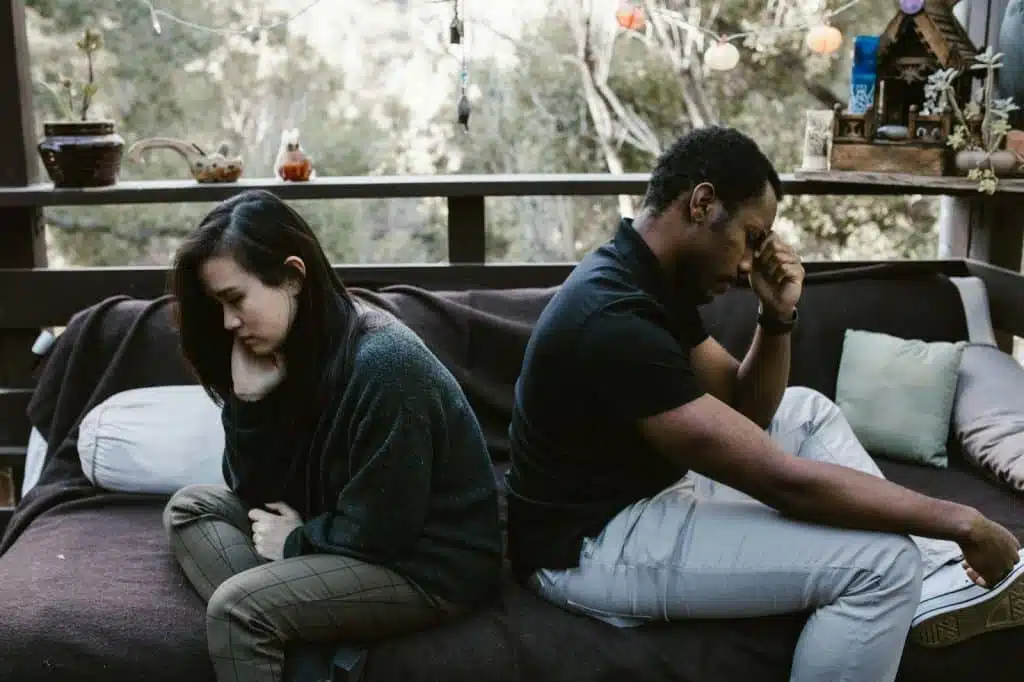
Minimizing a partner’s worries makes them feel unsupported. What seems small to one may feel overwhelming to the other. Dismissing stress builds emotional walls. Validating feelings creates safety and empathy. Marriage grows stronger when both carry the weight together.
Using Sarcasm as a Weapon

Sarcasm used carelessly disguises criticism as humor. Over time, it chips away at respect. What may seem like light teasing can feel belittling. Respectful communication builds trust, while sarcasm erodes it. Marriage suffers when humor consistently wounds.
Comparing a Partner to Others

Comparisons undermine self-worth and trust. Whether spoken directly or implied, they signal dissatisfaction. Every relationship is unique and should never be measured against outsiders. Admiration builds confidence; comparison breeds resentment. A marriage filled with comparisons loses its foundation of acceptance.
Refusing to Compromise

Stubbornness over small things eventually hardens into resentment. Refusing to bend makes a partner feel disregarded. Compromise isn’t about losing, it’s about balancing needs. Flexibility keeps love alive. A marriage that resists compromise risks breaking under pressure.
Conclusion

Marriages don’t collapse in one moment, they slowly weaken when unhealthy habits go unchecked. Avoiding conversations, neglecting affection, or prioritizing distractions over love may seem minor, but over time they erode trust and closeness. The good news is that each of these habits can be replaced with healthier choices, listening instead of interrupting, gratitude instead of neglect, empathy instead of dismissal. Forever isn’t automatic; it’s intentional. Couples who recognize and change these patterns protect their bond and build a love that truly lasts.








Ask Me Anything