
There’s a reason some men rarely feel financial pressure, regardless of income level. They operate with discipline, clarity, and long-term thinking—because money isn’t just about what you earn, it’s about how you manage it. These habits aren’t flashy or complicated, but they create real, lasting control. While others react to every paycheck or setback, financially stable men follow systems that keep them grounded. If you’re serious about building wealth and avoiding financial stress, these are the habits worth adopting.
They Treat Time as a Financial Asset

They protect their schedule like they protect their wallet. Whether it’s outsourcing tasks, setting work boundaries, or skipping pointless meetings, they know time is money. Every hour spent wisely adds up. They don’t waste energy on things that don’t move them forward.
They Know Exactly What They Spend Each Month

Men who don’t run out of money don’t guess where their paycheck went. They track every dollar, not just when things feel tight. This isn’t about obsessing; it’s about staying honest. When you see the truth in your numbers, you make smarter choices. Clarity brings control, and control keeps money from slipping through the cracks.
They Automate Their Savings First

They don’t rely on willpower to save. Money is automatically moved to savings as soon as it hits the account. It’s treated like rent or a mortgage—non-negotiable. No pausing, no waiting until “things settle down.” That habit builds wealth while removing the daily decision-making.
They Avoid Lifestyle Inflation

Just got a raise? Doesn’t mean it’s time for a luxury car. These men stick to what works and funnel the extra into savings, investing, or future-proofing their lives. They live below their means, not out of fear, but because freedom matters more than flash. That’s how they stay ahead while others keep upgrading their stress.
They Have a “No-Stupid-Purchases” Rule

Impulse buys are fun until they become monthly regrets. Men who stay financially solid create personal rules—no purchases over $100 without a 24-hour pause, or no shopping when stressed or bored. Those small boundaries save them thousands. They train themselves to recognize a want from a need, and that changes everything.
They Use Credit Cards Strategically, Not Emotionally

They don’t swipe blindly. Every charge has a reason, and it’s paid off before interest shows up. Credit card rewards? Great. But the real win is avoiding the trap of carrying a balance. They don’t view credit as extra money. It’s a tool they control, not something that controls them.
They Budget Like a CEO

A business wouldn’t survive without a budget. The same goes for personal finances. These men create categories, set goals, review the numbers monthly, and know what’s working and what’s not. It’s not complicated—it’s just consistent. They treat their money with the same seriousness they bring to work.
They Say “No” Without Guilt

They know their priorities and stick to them. Saying no to that extra dinner out or random fundraiser doesn’t make them cheap; it makes them smart. They don’t explain or apologize. Time and money are limited, and they spend both with intention.
They Don’t Play the Comparison Game

Watching neighbors buy things they can’t afford? That’s a trap they’ve stopped falling for. These men know what matters to them, and that’s what drives their choices. They aren’t chasing approval or appearances. Their financial moves are based on long-term peace, not keeping up with the competition.
They Read the Fine Print

Contracts. Subscriptions. Insurance. These guys read it all. They don’t get caught off guard by automatic renewals, hidden fees, or tricky clauses. Taking five minutes to understand the details has saved them hours of frustration and stacks of money.
They Keep Emergency Funds Ready
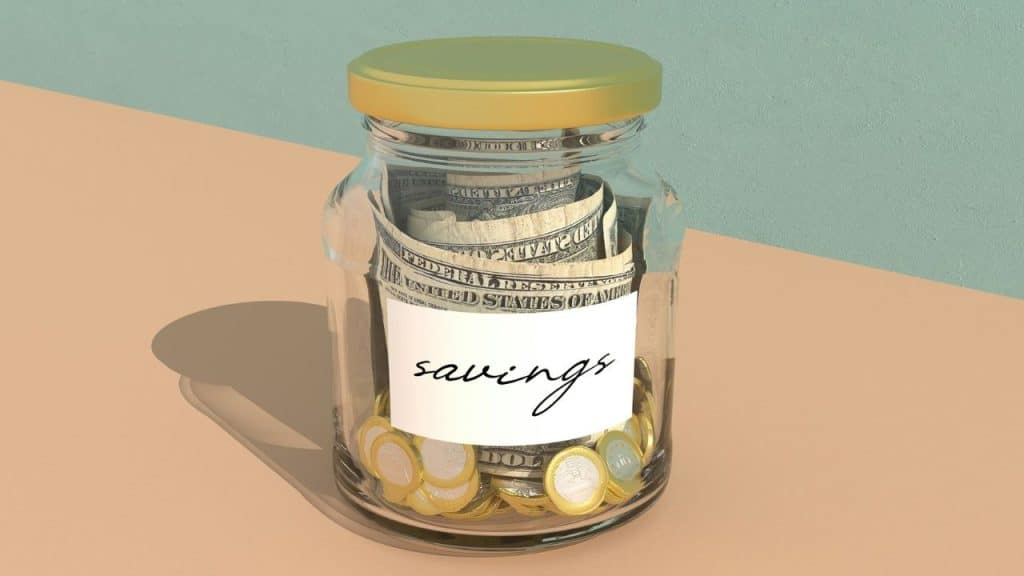
They don’t invest this money. They don’t touch it for upgrades or “just in case” wants. It sits there—quiet, accessible, and ready when life hits hard. Peace of mind isn’t flashy, but it’s powerful. That boring emergency fund is what keeps chaos from turning into crisis.
They Know the Real Cost of Debt

They’ve done the math. High-interest debt isn’t just a payment—it’s financial quicksand. These men either avoid it completely or make it their top priority to crush it fast. They know that freedom from debt isn’t just a goal; it’s the baseline for building real wealth.
They Buy Quality Once Instead of Cheap Often

Cheap boots fall apart. Cheap tools break. Smart men buy fewer, better things and avoid the cycle of repeat spending. That up-front investment saves money (and stress) over time. They aren’t chasing the cheapest option; they’re thinking long-term.
They Review Subscriptions Twice a Year

They don’t let $12.99 vanish monthly for something they forgot they had. Every six months, they go through every auto-renew and cancel what’s no longer needed. This one habit quietly saves hundreds. It’s quick, easy, and way more satisfying than you’d expect.
They Plan for Irregular Expenses

Birthdays. Car repairs. Vacations. These aren’t surprises; they’re just poorly planned. Men who manage money well build it into the budget ahead of time. That way, when the expense hits, it doesn’t derail everything else.
They Set Financial Goals and Track Them

“Save more” isn’t a plan. These guys set numbers, deadlines and keep track monthly. Whether it’s paying off a loan or building an investment fund, they treat their financial goals like real commitments. Progress is measured, not guessed. That’s why they hit their targets instead of hoping for the best.
They Keep Investing Simple and Consistent

They’re not chasing crypto spikes or jumping on every hot stock tip. They invest in things they understand: low-cost index funds, real estate, or long-term holdings. They don’t time the market. They just show up consistently and let compound growth do the work.
They Learn About Money Even When They’re Doing “Fine”

Comfort breeds complacency. These men don’t settle. They read books, listen to finance podcasts, ask questions, and stay curious. Because money management isn’t a one-and-done; it’s something you keep learning, especially when you’re doing okay. That mindset is what keeps them from slipping.








Ask Me Anything