
Fear of loss can show up in ways that don’t look like fear at all. Many men, when they feel their relationship might be slipping away, unconsciously adopt habits meant to hold things together. These habits often go unnoticed, even by them, but speak volumes beneath the surface. It’s not always about control or jealousy; sometimes, it’s quiet overcompensation. These behaviors don’t mean the love isn’t real, they just mean there’s uncertainty underneath. Here’s how it tends to show.
Over-Explaining Every Move
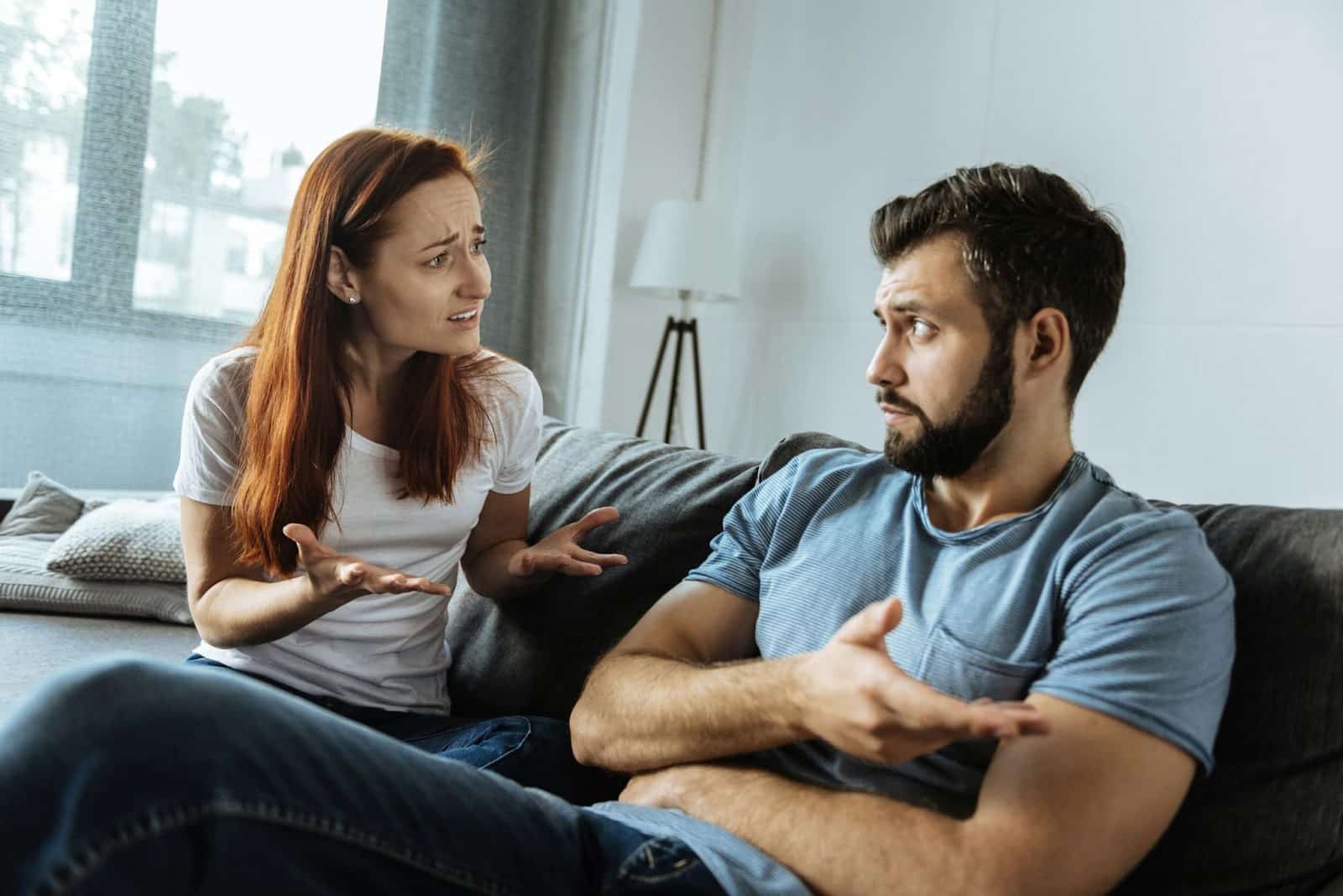
Suddenly justifying every action, even trivial ones, is a subtle sign of anxiety. This can stem from a fear that any small misunderstanding might trigger distance or conflict. Instead of simply living, he starts narrating his choices to avoid being misread. It’s not about control, it’s about reassurance. The constant explaining often reflects a deeper need to feel emotionally safe.
Saying “Yes” to Everything
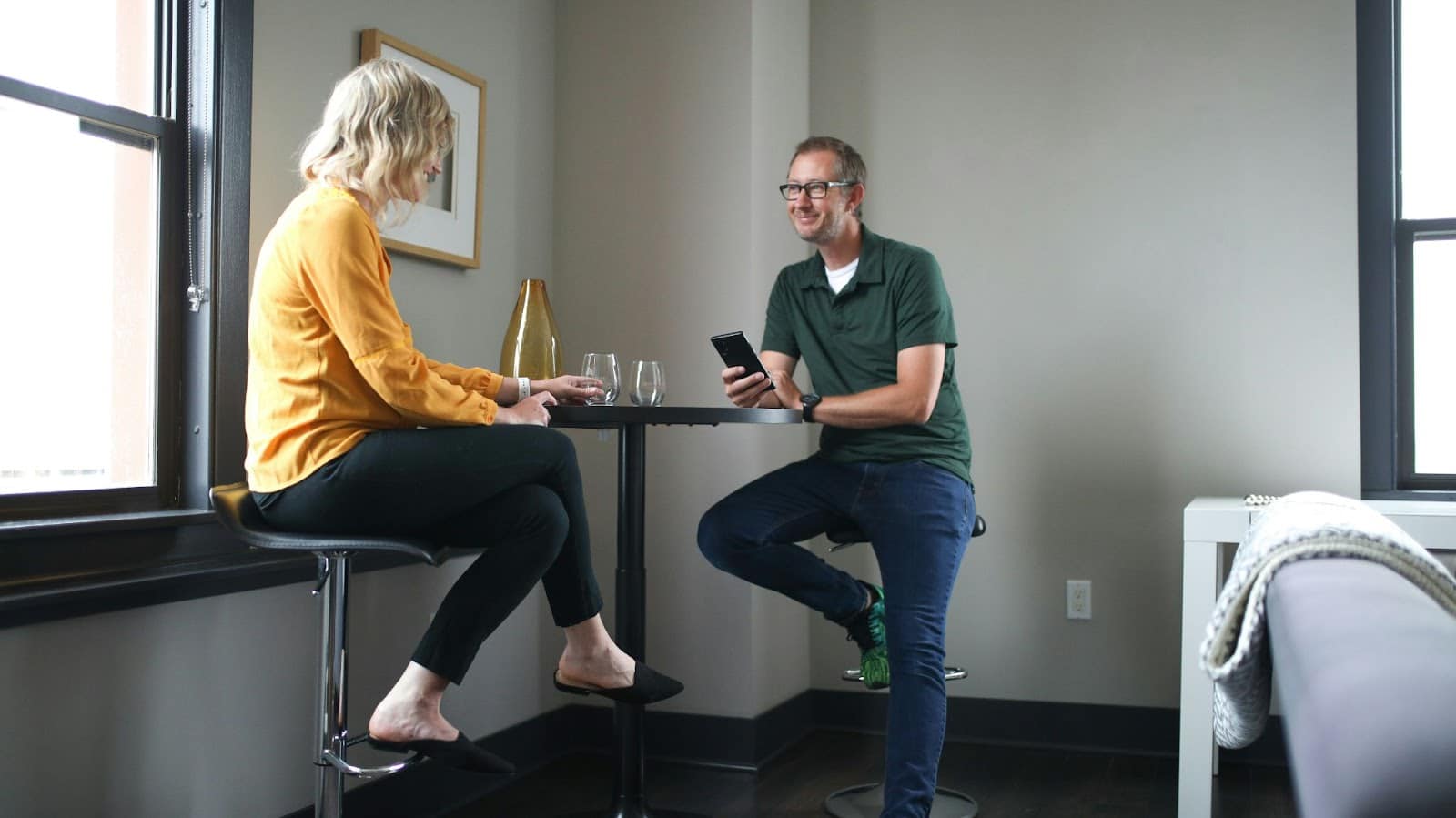
Agreeing too quickly or too often can be a sign he’s afraid to rock the boat. It’s not genuine alignment, it’s a reflex to avoid rejection. When a man fears losing his partner, “yes” becomes a survival strategy. Over time, this can lead to resentment or burnout. But at the moment, it feels like a necessary way to keep things intact.
Constantly Checking In

More messages, more calls, more “just making sure you’re okay.” It may seem thoughtful, but it often stems from an internal panic. These check-ins can mask insecurity disguised as care. What feels like closeness can actually be an anxious attempt to control unknowns. This pattern grows when fear replaces trust in the connection.
Avoiding Important Conversations

Paradoxically, fear can make men quieter about the things that matter most. If a man is scared that honesty might “ruin” the relationship, he’ll hold back concerns, needs, or frustrations. Conflict feels like risk, so silence becomes the safer option. But this emotional withholding creates a gap that only widens with time.
Overdoing Grand Gestures

Lavish gifts, surprise trips, or frequent “I love yous” might seem sweet. But when these come in rapid succession during moments of tension, it’s often about overcompensating. It’s not manipulation, it’s desperation cloaked in romance. The gestures may be real, but their timing reveals something deeper than love: fear of loss.
Acting Unusually Agreeable Around Friends or Family

Trying too hard to win over her inner circle can signal more than just wanting to fit in. It’s a way to secure emotional territory, if they like him, he might feel more secure. Over-polishing his image can be a subtle way of holding onto a relationship that feels shaky beneath the surface.
Sudden Jealousy Over Small Things

Fear can make minor moments feel major. A delayed reply, a glance at someone else, or a slight change in tone can trigger unexpected jealousy. He might not fully understand where it’s coming from, it just feels like something’s off. Jealousy here is less about control and more about fear of being replaced.
Making Himself Indispensable
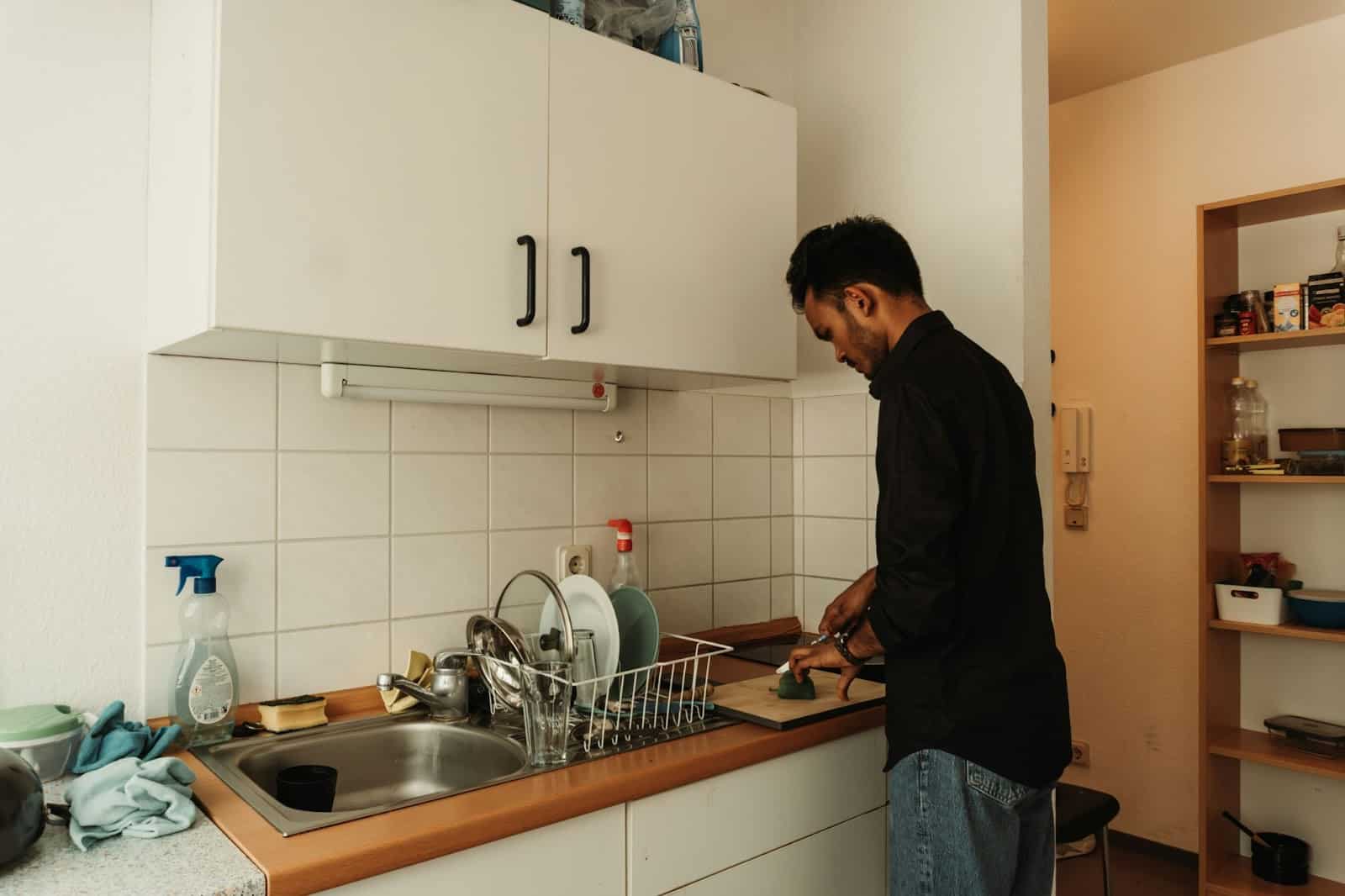
He might start doing everything, handling chores, solving every issue, showing up before being asked. It’s framed as helpfulness, but it can be rooted in a fear of being left. The mindset becomes: “If I’m needed, I won’t be abandoned.” But love built on utility risks becoming transactional.
Sacrificing Hobbies or Passions
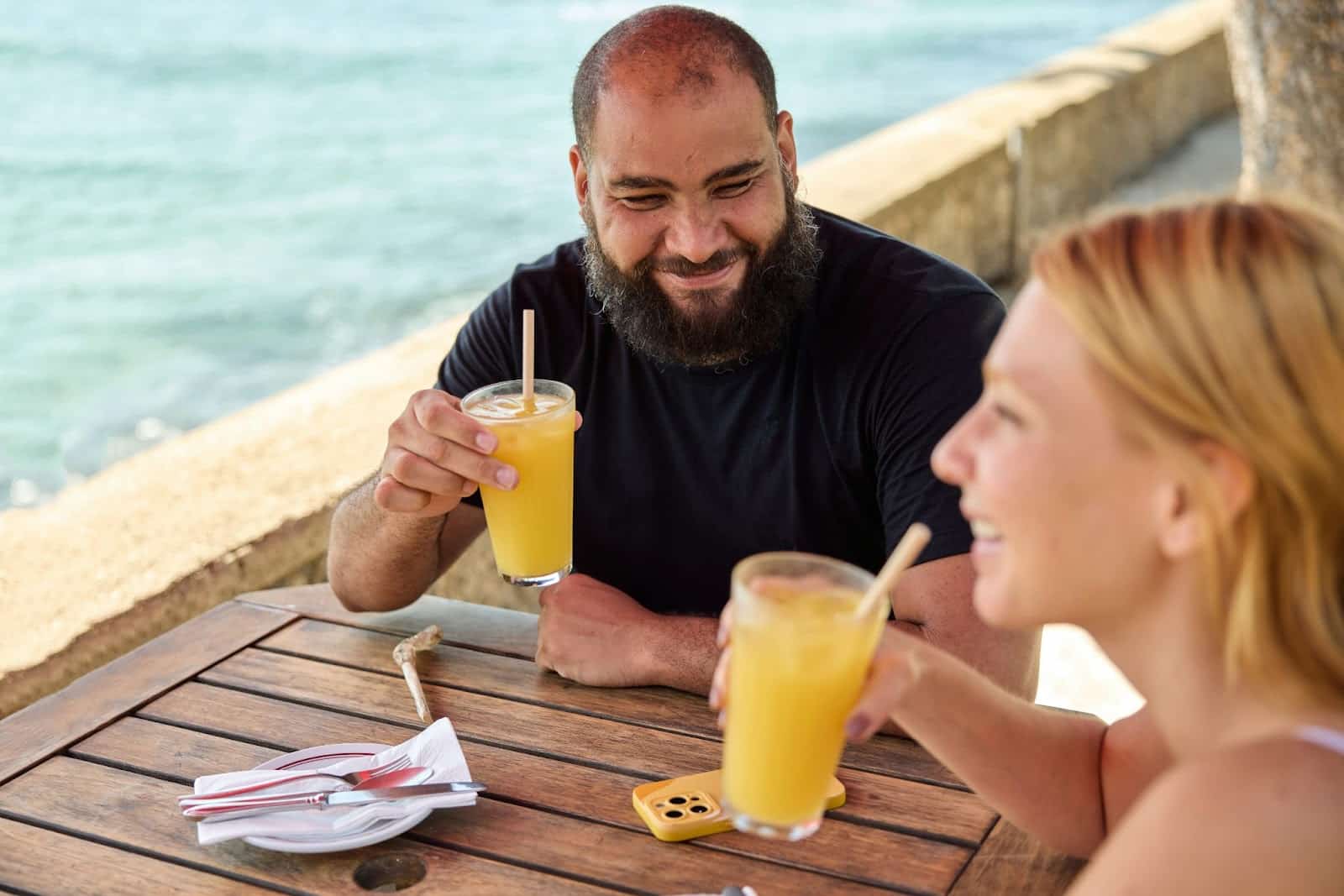
Men who fear being left may stop doing the things they love to be more available. The gym, music, gaming, or friends might quietly fall away. It can seem like prioritising the relationship, but it often leaves him emotionally unbalanced. When identity fades, insecurity grows.
Overthinking Every Interaction

Replaying conversations, decoding tone, obsessing over what was said, it’s a mental spiral. He’s not just recalling a moment; he’s scanning it for signs of rejection or loss. This kind of mental overdrive can be exhausting, but it’s often invisible to a partner. It’s anxiety masked as thoughtfulness.
Apologizing Too Quickly or Too Often
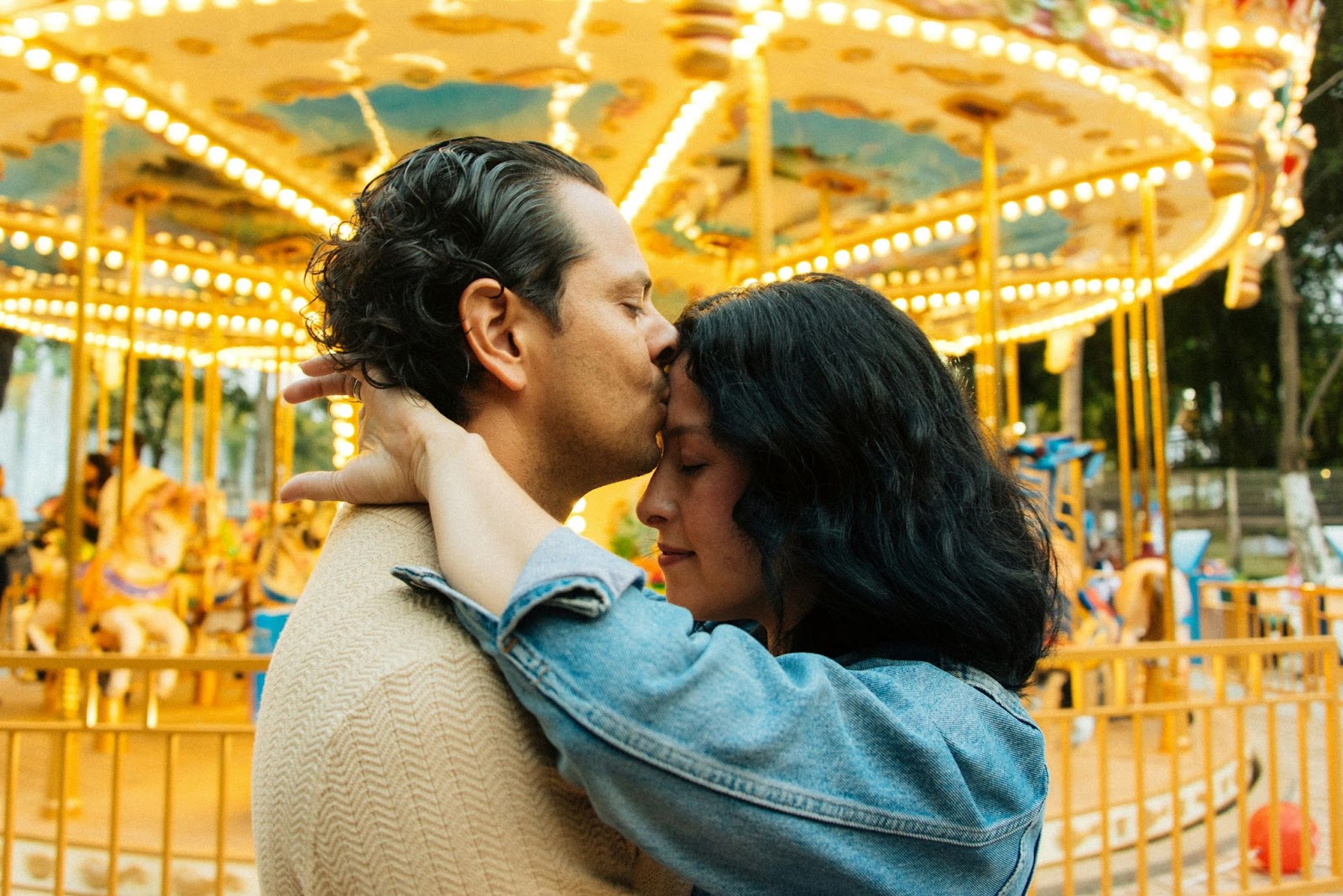
Even for things that aren’t his fault, he might apologize. It’s not always about being wrong, it’s about wanting peace. The apology becomes a reflex, not a resolution. It’s a habit driven by fear that conflict could lead to distance, or worse, disconnection.
Holding in Resentment
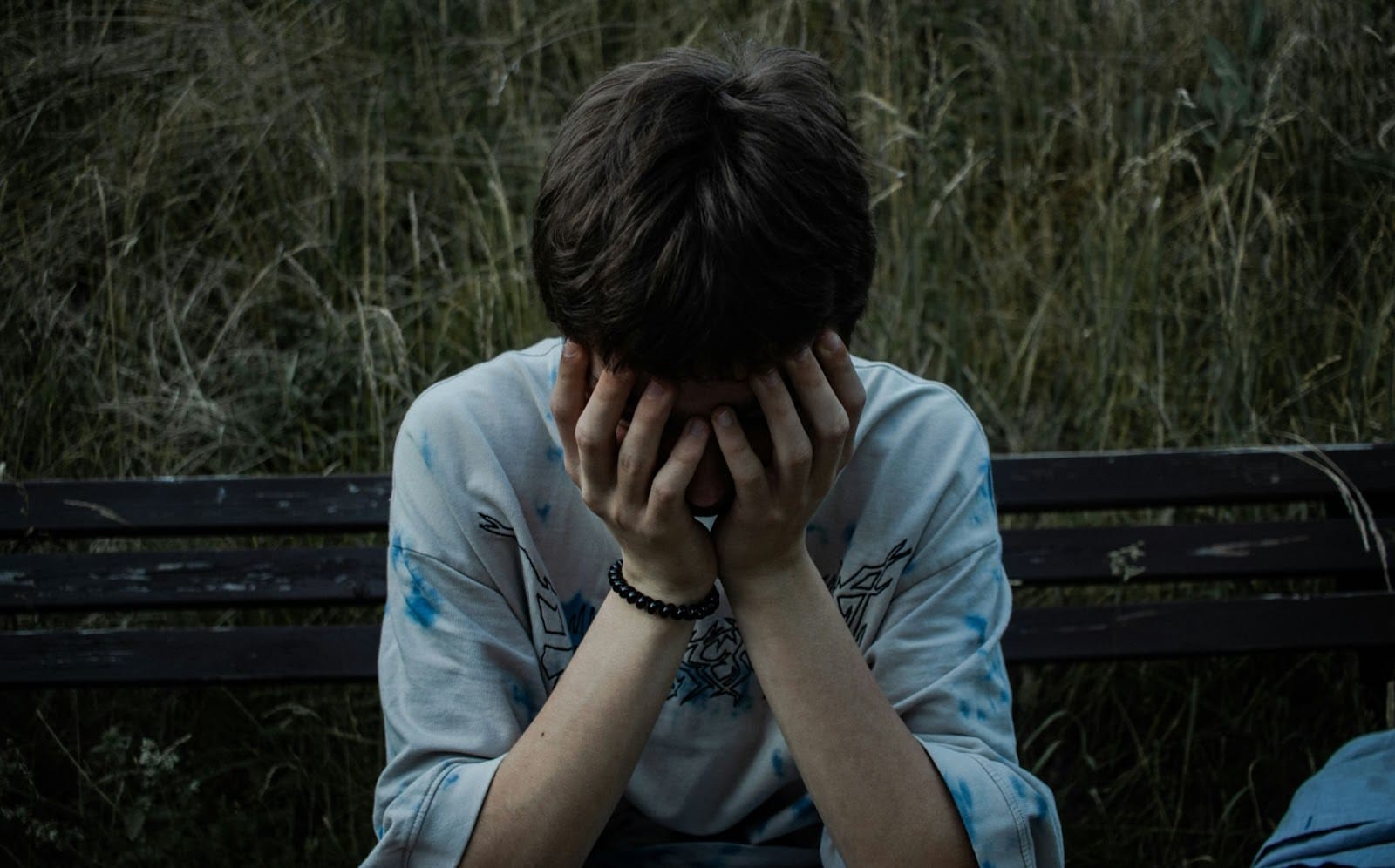
When a man says “it’s fine” but clearly isn’t, it’s often fear speaking. He doesn’t want to seem ungrateful or difficult. But unresolved resentment doesn’t go away, it festers. And over time, it creates emotional walls between two people who were once deeply close.
Avoiding Talking About the Future

A man afraid of losing his partner might become hesitant to make long-term plans. It’s not always because he doesn’t want a future, it’s that he’s unsure he’s part of hers. By not asking, he avoids the potential pain of the answer. But the silence says more than words ever could.
Becoming Emotionally Reactive
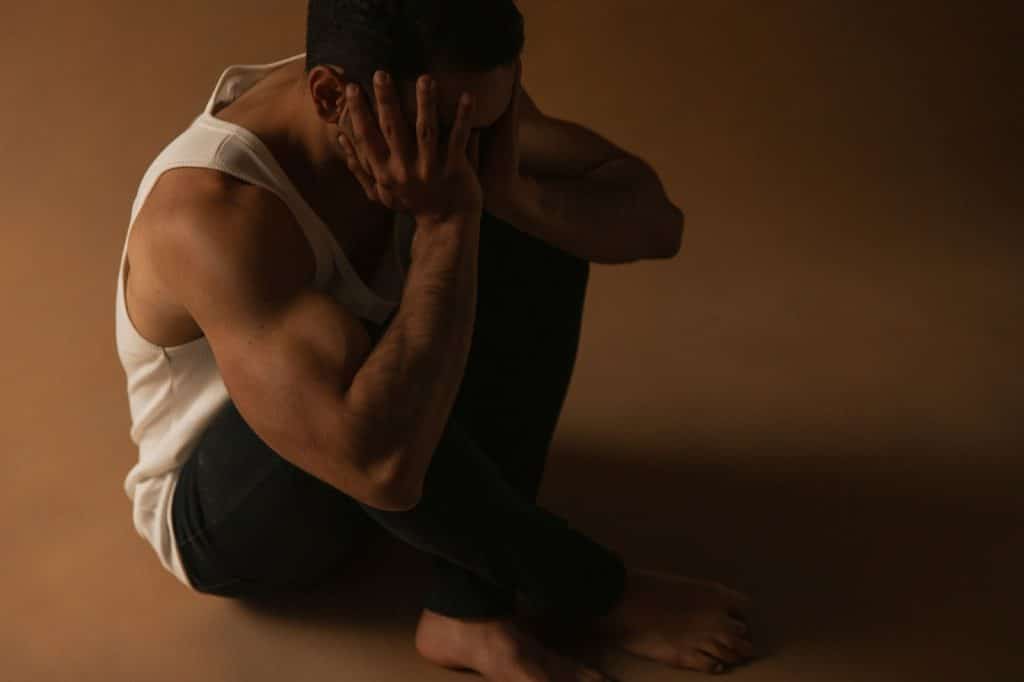
When fear is bottled up, it leaks through frustration, mood swings, or sudden detachment. A small disagreement can trigger a big emotional response. He may not even realise he’s acting from fear, it just feels overwhelming. Emotional reactivity is often a cry for reassurance that never got voiced directly.








Ask Me Anything