
Aging well doesn’t happen by accident, it’s the result of habits formed long before the signs show up. While genetics play a role, how men eat, move, think, and recover plays an even bigger one. Aging well isn’t just about looking younger, it’s about staying sharp, mobile, resilient, and fulfilled. The habits in this list don’t demand extreme routines or overnight transformations. They’re realistic, sustainable actions that add up over years. The goal isn’t perfection, it’s progress that pays off for decades.
Practicing Strategic Solitude

Solitude isn’t isolation, it’s intentional time to reset and reflect. Men who age well often have a habit of stepping away from noise to process, plan, and recharge. This helps prevent emotional burnout and supports sharper decision-making. Even just 15–30 minutes daily without screens or distractions can have a major impact. Mental clarity increases when stillness becomes routine.
Daily Mental Reps

The brain ages like the body, it strengthens with challenge. Reading, puzzles, strategy games, or even learning new skills helps preserve cognitive function. A sharp mind can delay age-related decline and keep men confident in leadership roles. Mental exercise doesn’t require hours, consistency matters more than volume. The strongest men sharpen both mind and muscle.
Practicing Emotional Regulation

Men who age well often show emotional discipline, not suppression. They’ve developed the habit of pausing before reacting, even under stress. This reduces inflammation, preserves relationships, and builds inner calm. Journaling, breathwork, and therapy aren’t signs of weakness, they’re tools for longevity. Emotional mastery strengthens every other area of life.
Strength Training with Purpose
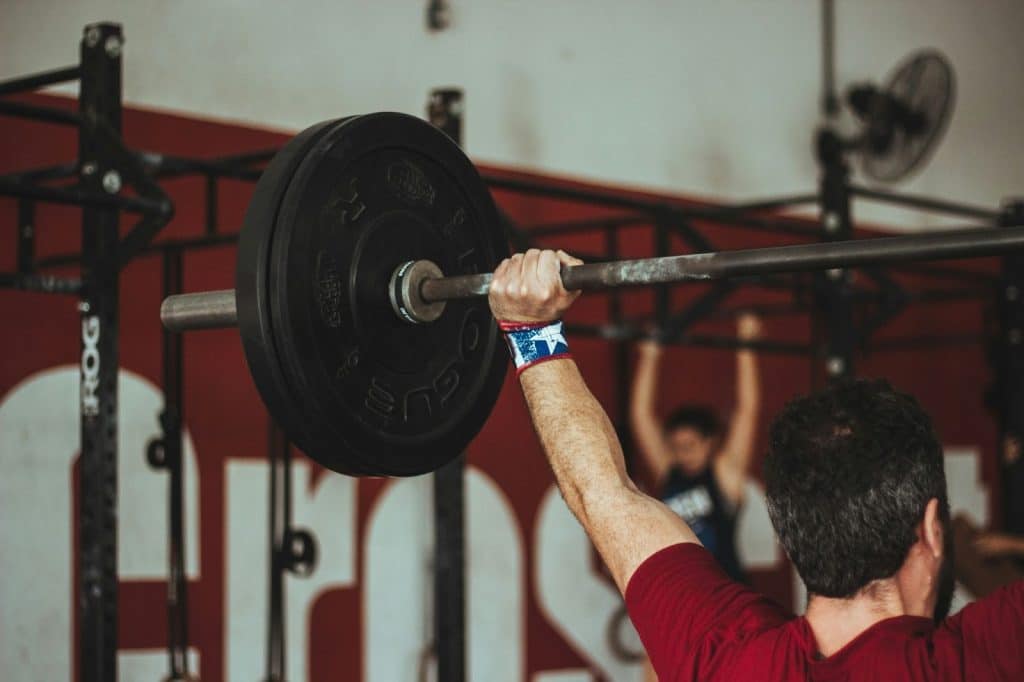
After 30, muscle mass naturally declines, unless it’s actively preserved. Regular strength training helps maintain mobility, posture, and metabolic health. It also reduces the risk of injuries and supports healthy testosterone levels. Lifting heavy doesn’t mean going extreme, form and consistency matter more than ego. Men who prioritize strength tend to stay independent longer.
Morning Mobility Work

Stiffness becomes a quiet enemy as men age. A daily 10-minute routine of joint mobility, stretching, or dynamic movement keeps the body fluid and ready. This habit improves posture, reduces back pain, and enhances athletic performance. It’s a small act that builds up long-term flexibility and injury resistance. Moving well now prevents limitations later.
Prioritizing Grip Strength
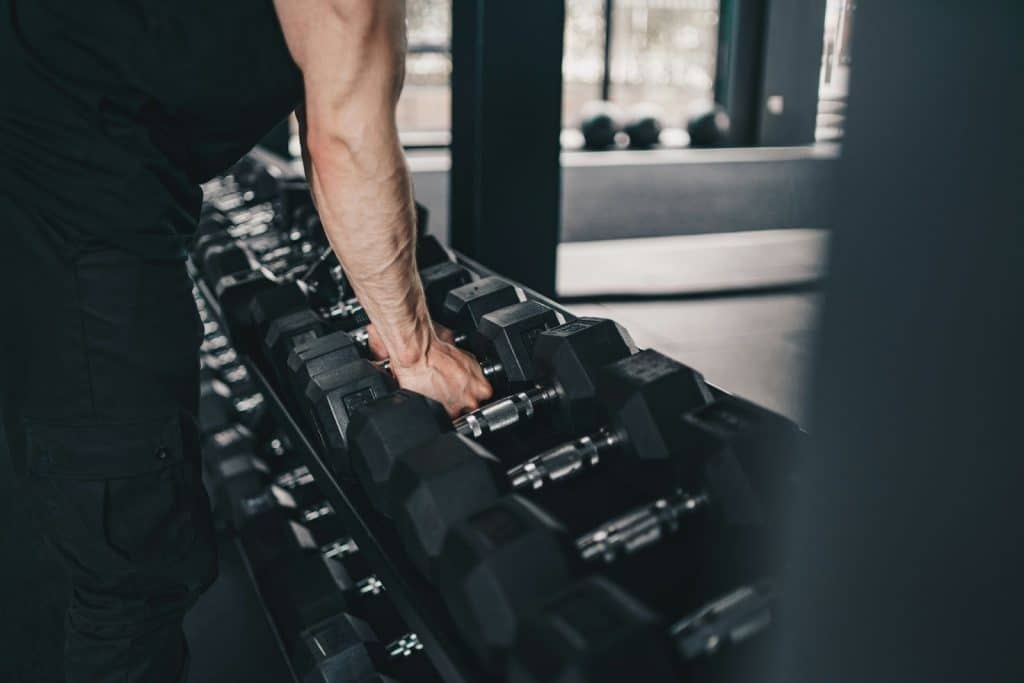
Grip strength is directly correlated with heart health and longevity, yet often ignored. Training grip through dead hangs, farmers carries, or hand tools can signal overall vitality. A weak grip in later years often predicts declines in mobility and confidence. Building grip strength early supports daily function and long-term resilience. It’s a small but powerful physical edge.
Tracking Micronutrient Intake

Men focused on macros often overlook the impact of vitamins and minerals. Magnesium, zinc, B12, and omega-3s all play critical roles in energy, cognition, and recovery. Deficiencies can show up as fatigue, irritability, or poor sleep. Regular bloodwork and mindful eating help close these gaps. Micronutrient awareness leads to long-term energy and wellness.
Protecting Sleep Like It’s Sacred

Sleep is when the body repairs, hormones rebalance, and the brain resets. Men who age well develop strict sleep hygiene habits, cool rooms, screen limits, and consistent bedtimes. Cutting corners on sleep might work short-term, but the cost always comes due. Deep, high-quality rest is foundational, not optional. Prioritizing it pays off in focus, mood, and muscle.
Hydration That Goes Beyond Water

Staying hydrated means more than just drinking water, it’s about electrolytes, too. Men who sweat frequently or drink caffeine need to replenish sodium, magnesium, and potassium. Dehydration impacts cognition, digestion, and even testosterone. A hydration strategy with balance keeps performance sharp at every age. Small tweaks here create big shifts in how you feel.
Maintaining a Mission Beyond Work

Retirement from work shouldn’t mean retirement from meaning. Men who age will often maintain passion projects, volunteer roles, or personal missions. Having something to build, give, or grow toward supports mental health and satisfaction. Purpose delays cognitive decline and fuels daily energy. Life after 50 thrives on intentionality, not passivity.
Practicing Presence with People
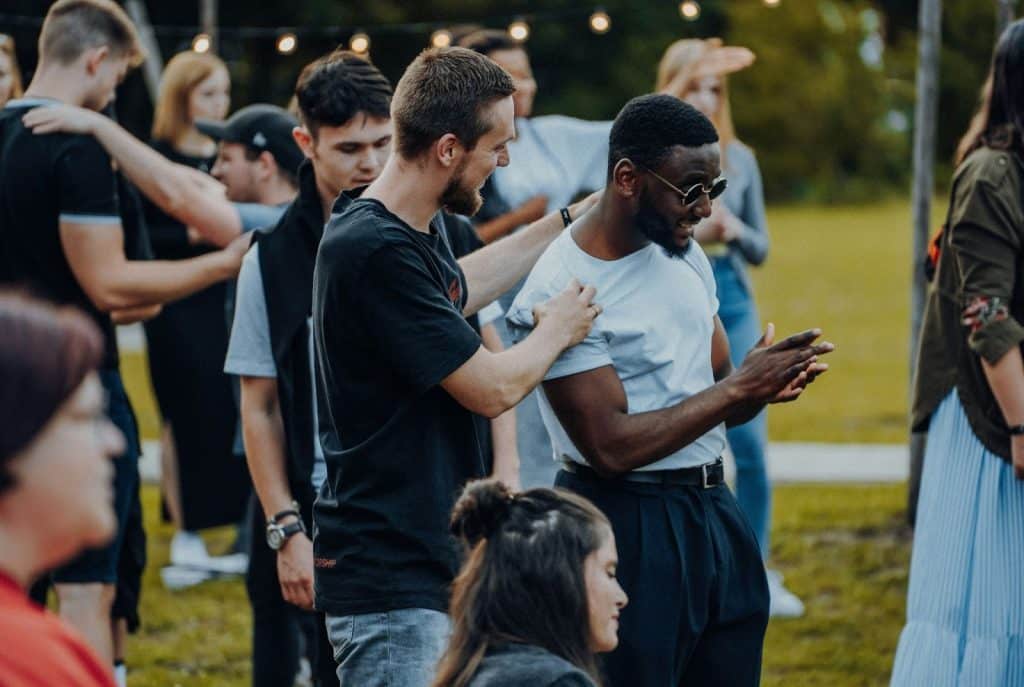
Loneliness is linked to higher mortality than obesity or smoking. Men who age well invest in meaningful relationships, not just networking. They make time for connection, deepen conversations, and stay engaged in their communities. Presence isn’t just being around others; it’s being available, focused, and open. Social fitness matters just as much as physical fitness.
Conducting Weekly Self-Reviews

Men who live intentionally often review their progress weekly. This isn’t about guilt, it’s about course correction. Reviewing wins, habits, and goals helps align actions with purpose. Over time, this habit prevents drift and keeps life on track. Reflection builds self-awareness, which is a superpower at any age.
Annual Medical Checkups with Data Tracking

Waiting for symptoms to appear is a risky approach. Men who age well take control of their health data before problems emerge. Annual checkups, labs, and biomarker tracking offer early warnings and peace of mind. Knowing your numbers helps tailor nutrition, exercise, and recovery for maximum impact. Prevention isn’t fear, it’s power.
Cycling Out Stimulants Regularly

Caffeine and other stimulants can quietly become dependencies. Men who age well build in regular “resets”, weeks without caffeine or alcohol, to restore natural energy cycles. This helps prevent tolerance, adrenal fatigue, and mood instability. It’s not about quitting forever, it’s about control and recalibration. Strategic breaks help preserve long-term vitality.
Training the Eyes

As screen time increases, eye strain has become a silent stressor. Regular eye exercises, breaks using the 20-20-20 rule, and outdoor time help preserve vision. Men who age well incorporate habits that support ocular health, not just glasses. Strong vision supports balance, confidence, and independence. Protecting it early preserves freedom later.
Maintaining a Personal Code

Having a clear code, values, standards, and non-negotiables, provides internal direction. Men who age well live by principles, not trends. This builds confidence, filters distractions, and creates consistent character. Integrity isn’t about perfection, it’s about alignment. Living by a personal code reduces stress and sharpens identity.
Saying “No” with Confidence

As priorities shift, so must boundaries. Saying “yes” too often leads to burnout and diluted presence. Men who age well develop the habit of saying “no” to protect energy, time, and focus. It’s not selfish, it’s strategic. Knowing what to decline is just as important as knowing what to pursue.
Learning Something Hard Every Year

Whether it’s a new language, instrument, or trade skill, learning tough things keeps the brain young. Men who age well challenge themselves with unfamiliar, uncomfortable growth. This builds adaptability, confidence, and mental sharpness. Annual learning goals create long-term resilience. Aging with curiosity keeps the mind expanding.
Conclusion
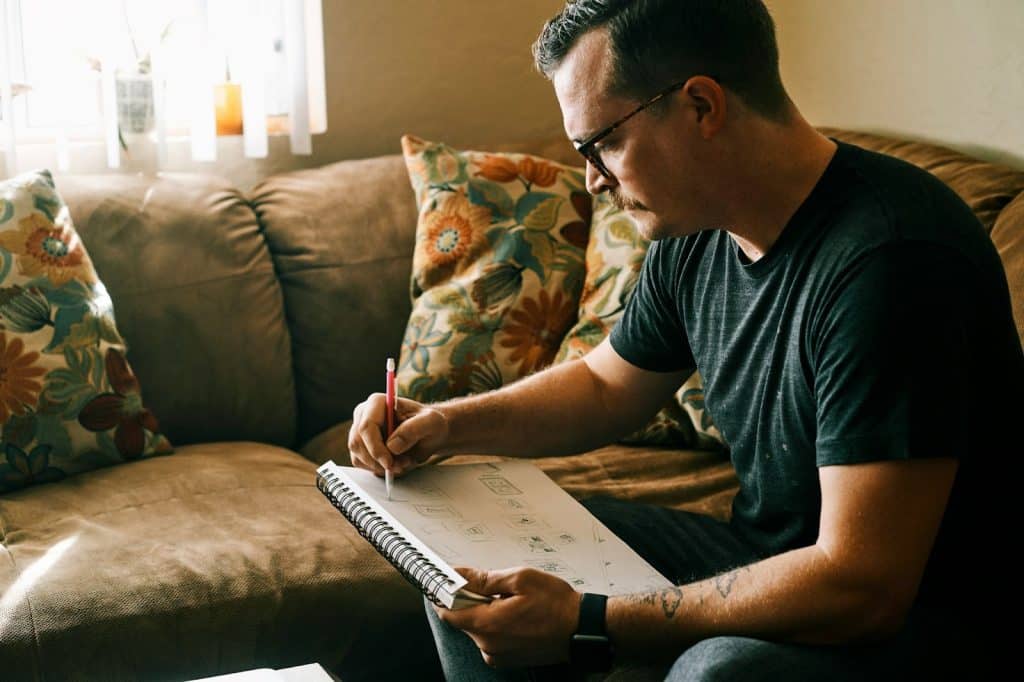
Aging well doesn’t require extremes, it rewards consistency. These high-impact habits aren’t trends or hacks, they’re foundations. Men who adopt them gain energy, clarity, purpose, and edge as the years pass. Strength isn’t just measured in youth, it’s proven in longevity. Build now for the man you want to be later.








Ask Me Anything