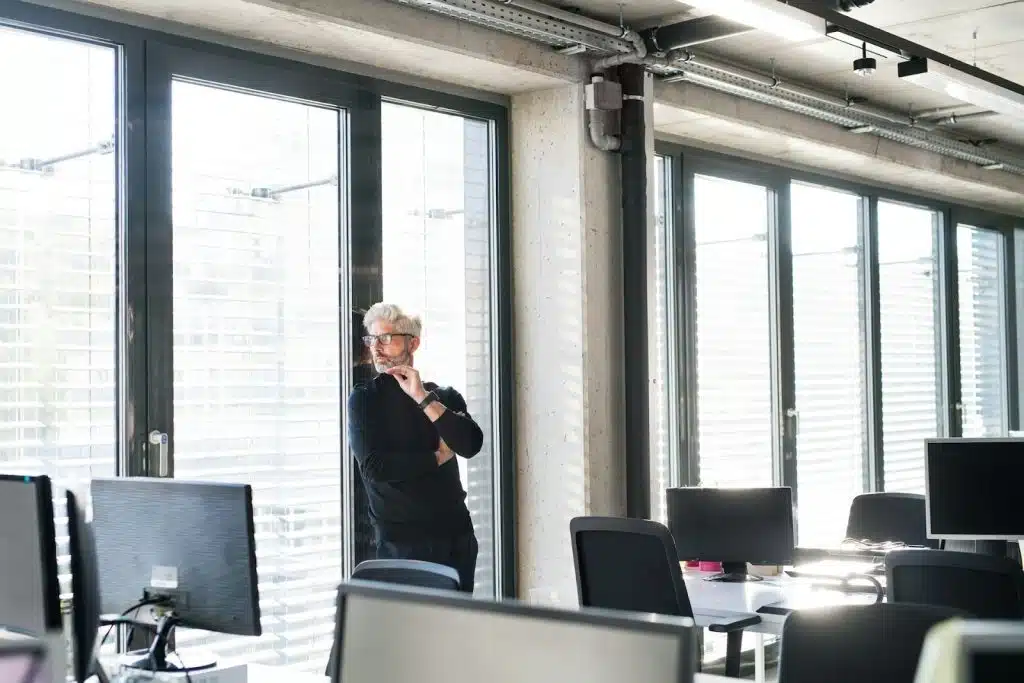
Mental health is widely recognized as a core part of overall well being. Yet anxiety rarely appears suddenly or dramatically. Tight schedules, financial pressure, shifting social roles, and internal expectations may accumulate over time. Partners, coworkers, or family members often notice irritability, restlessness, or withdrawal before anxiety is clearly identified. Because anxiety can influence sleep, concentration, and physical health, its impact often extends beyond mood alone. Public conversations increasingly acknowledge that anxiety may present differently in men compared to traditional stereotypes. The following slides explore how anxiety manifests, why awareness is expanding, and why early recognition plays an important role in long term stability.
When Anxiety Doesn’t Look Like Anxiety

Many people picture anxiety as constant worry or visible nervousness. In men, it often appears differently. Instead of looking fearful, a man may seem tense, impatient, or deeply absorbed in work. These behaviors can hide inner pressure that is not openly discussed. Because these signs do not match the usual image of anxiety, they may be dismissed as personality traits. Friends and family might describe him as driven, serious, or easily annoyed without recognizing what lies beneath. Understanding that anxiety has different faces allows us to notice quiet changes that might otherwise go unnoticed.
Why Irritability Can Be a Warning Sign

For some men, anxiety shows up as irritation rather than fear. Small inconveniences may trigger strong reactions. A delayed message, traffic, or minor mistakes can lead to frustration that feels out of proportion. What looks like anger may actually be tension searching for release. When this pattern continues, it can strain relationships at home and at work. Loved ones may feel confused by sudden mood shifts. Recognizing that irritability can signal emotional distress helps shift the focus from blame to understanding
How Physical Symptoms Signals Anxiety

Anxiety often announces itself through physical discomfort. Headaches, tight shoulders, stomach upset, or a racing heart may appear without a clear medical cause. These sensations are frequently labeled as “just stress.” However, the body and mind are closely linked. Ongoing tension can keep the nervous system on alert, leading to repeated physical symptoms. When aches and fatigue keep returning, it may be helpful to consider emotional strain as part of the picture. Listening to physical signals can open the door to deeper awareness.
When Anxiety Disrupts Sleep Patterns
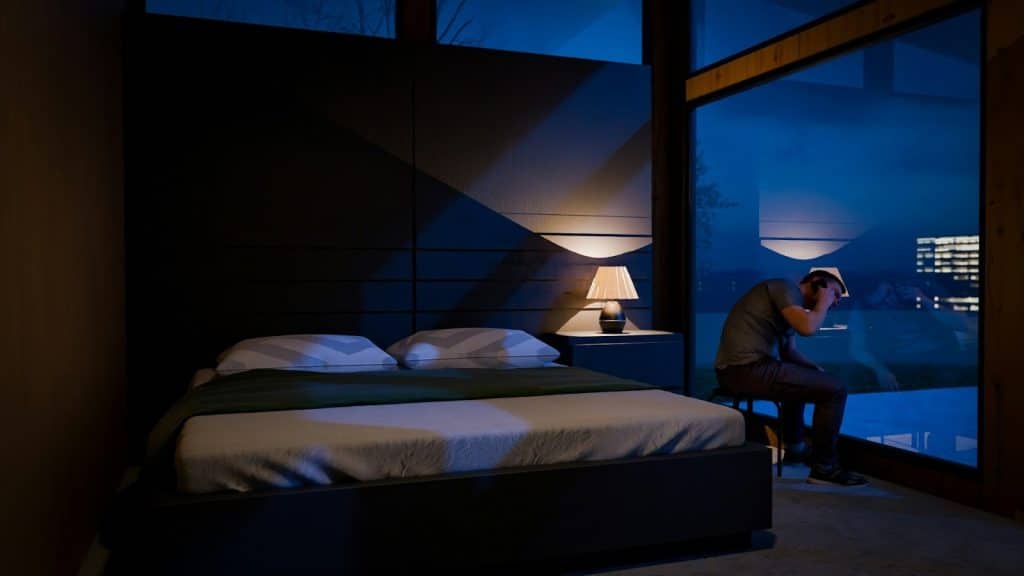
Sleep problems are common among men dealing with anxiety. Quiet evenings can make worries feel louder. Thoughts about work, finances, or family may replay in cycles. Difficulty falling asleep or waking in the middle of the night can leave a person drained the next day. Lack of rest then makes it harder to manage stress, creating a draining loop. Changes in sleep patterns often appear before someone realizes they are struggling emotionally. Paying attention to rest can provide an early clue.
The Hidden Weight of Workplace Pressure
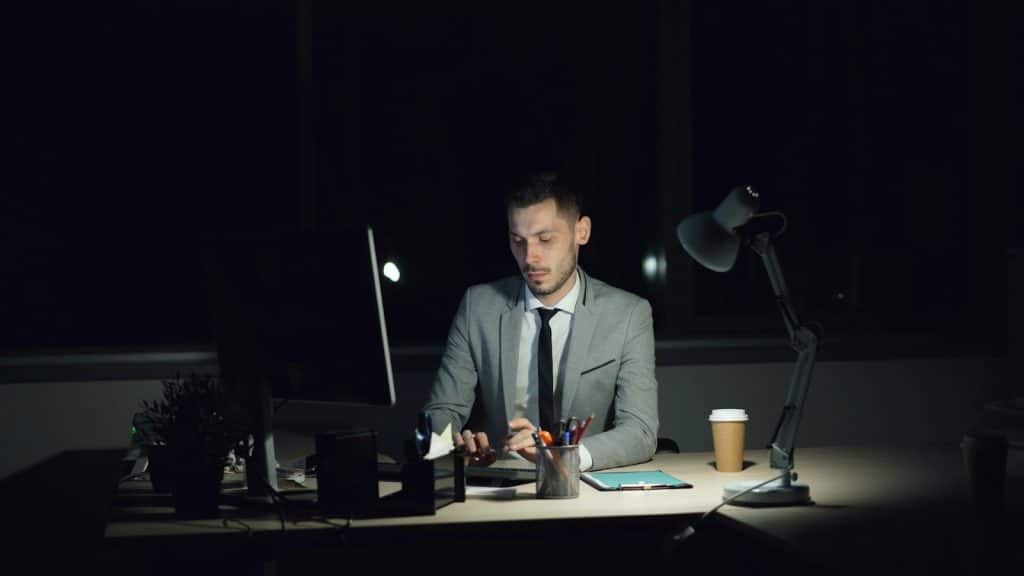
Work can be a major source of identity and responsibility. High expectations, deadlines, and financial obligations may create constant pressure. Some men respond by pushing themselves harder, staying late, or taking on more tasks than they can reasonably handle. This dedication may earn praise, yet it can also hide exhaustion and worry. When professional demands leave little room for rest or connection, emotional strain can build quietly. A strong work ethic does not protect someone from anxiety.
The Quiet Cost of Always Appearing Strong

Many cultures teach men to remain calm and composed at all times. Showing vulnerability may be mistaken for weakness. As a result, some men learn to hide fear or sadness behind silence. They may believe that managing emotions alone is part of being responsible. This expectation can delay honest conversations about mental health. When strength is defined only as endurance, emotional needs may be ignored. Expanding the meaning of strength to include openness creates room for healthier expression.
Alcohol Becomes a Coping Mechanism

Turning to alcohol or other substances can feel like quick relief from tension. A drink after work may seem harmless, especially if it temporarily quiets racing thoughts. However, relying on substances can make anxiety worse and create additional problems. What begins as occasional use can become a habit that masks the real issue. Instead of resolving stress, it delays facing it. Recognizing this pattern is an important step toward healthier coping strategies
Pulling Away From Relationships

Anxiety can lead to emotional distance. A man who feels overwhelmed may avoid serious talks or spend more time alone. Silence can feel safer than explaining feelings that are hard to name. Partners may sense something has changed even before it is spoken. Reduced communication can slowly weaken closeness and trust. Understanding withdrawal as a possible sign of distress encourages compassion rather than conflict.
Financial Stress and Constant Worry
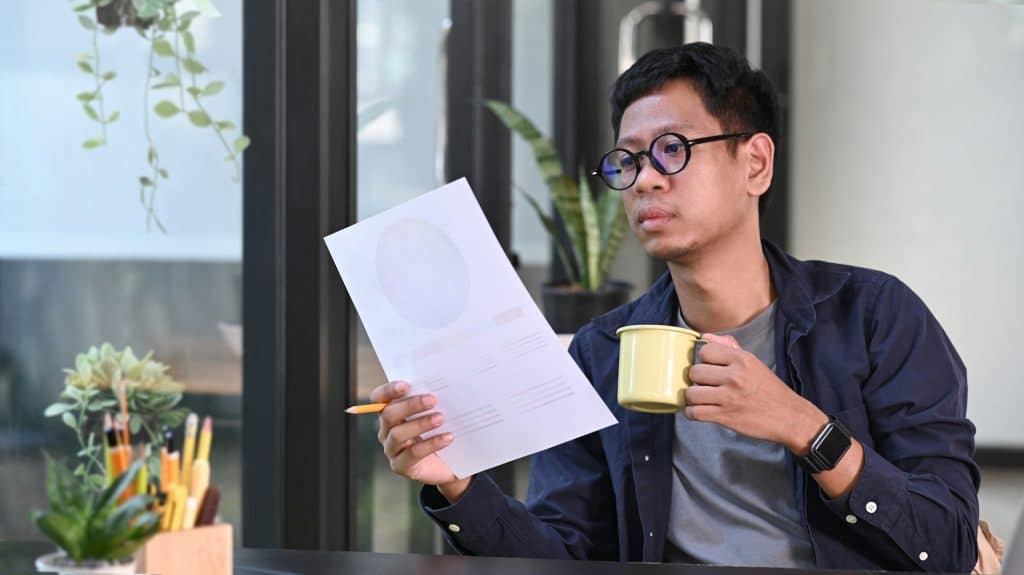
Concerns about money can weigh heavily. Providing for a family or maintaining stability often feels tied to personal worth. Even without an immediate crisis, ongoing uncertainty may create persistent tension. Thoughts about bills, savings, or job security can linger throughout the day. This steady pressure may affect mood, sleep, and concentration. Recognizing financial worry as a mental health factor helps normalize conversations around it.
How Physical Symptoms Can Amplify Anxiety
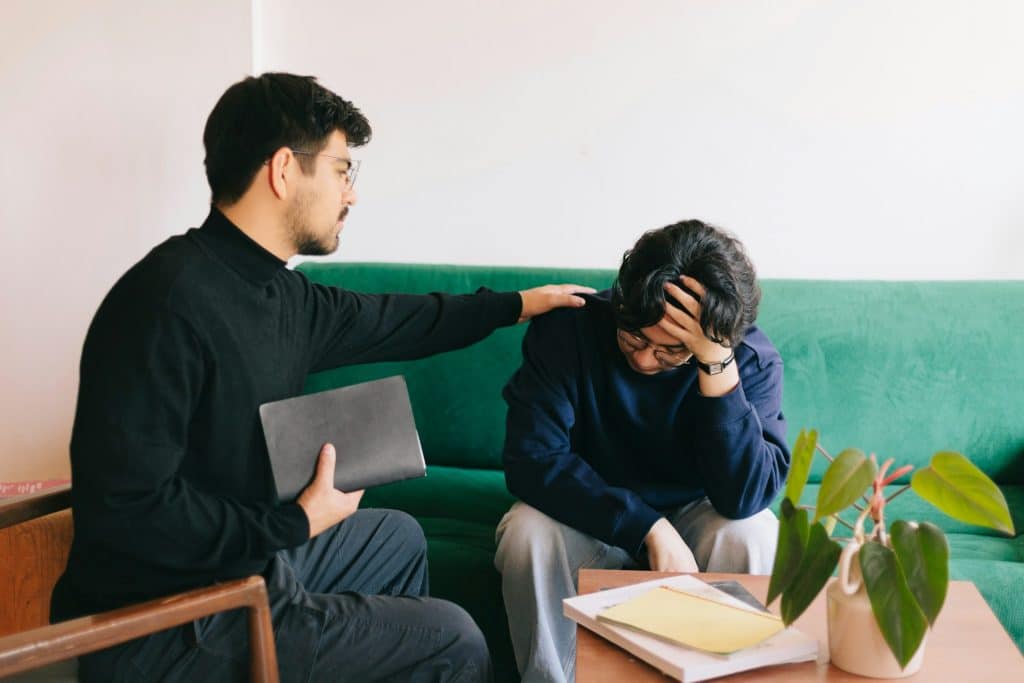
Some men focus intensely on physical symptoms. Minor aches or small changes in the body may spark serious concern. Frequent checking, researching symptoms, or repeated doctor visits can increase stress rather than calm it. Physical vigilance sometimes hides deeper fears that are difficult to express directly. Seeing the connection between emotional strain and health worries can bring clarity.
Staying Busy to Avoid Feelings

Constant activity can serve as distraction. Filling every hour with tasks leaves little space for uncomfortable thoughts. Productivity may appear admirable, yet nonstop work can also prevent emotional reflection. When exhaustion becomes normal, it may signal that busyness is covering deeper tension. Balance between effort and rest allows room for awareness.
Shifts in Appetite and Energy

Changes in eating habits or energy levels can accompany anxiety. Some men lose interest in food, while others eat more for comfort. Energy may drop, making daily tasks feel heavier. But most of the time, restlessness replaces fatigue. These shifts may seem minor at first but can influence overall health. Paying attention to appetite and stamina provides additional insight into emotional well-being.
When Loved Ones Notice First

Partners and close friends often observe subtle mood changes. Increased defensiveness, impatience, or distance may prompt concern. A gentle conversation can sometimes reveal stress that has been kept private. Outside perspective plays an important role in recognition. Supportive dialogue creates an opportunity for understanding rather than criticism
Generational Shifts in Talking About Mental Health

Younger generations are generally more open about discussing anxiety and therapy. Older men may have grown up with stronger stigma around emotional struggles. These differences shape how comfortable someone feels seeking help. Public conversations about mental health continue to grow, making it easier for many men to speak honestly. Social change influences personal choices.
How Anxiety Affects the Heart and Body
Anxiety does not stay only in the mind; it also affects the body. It can increase heart rate, tighten muscles, and raise blood pressure during moments of stress. When this stress response happens frequently, the body remains in a constant state of alert. This ongoing strain may place pressure on the cardiovascular system and reduce overall energy. Many men overlook these physical changes because they seem like normal reactions to a busy life. Recognizing the connection between emotional tension and heart health encourages earlier care and prevention.
When Isolation Intensify Anxiety

Spending long periods alone can intensify anxious thoughts. Without conversation or reassurance, worries may grow stronger and feel more convincing. Silence often allows negative ideas to repeat without challenge. Some men withdraw to avoid burdening others, believing distance is helpful. In reality, reduced connection can increase emotional strain and limit perspective. Reaching out, even in small ways, can soften the weight of private concerns.
The Power of Public Dialogue in Mental Health

Public discussions about men’s mental health are becoming more visible. Media stories and awareness campaigns are helping reduce stigma around anxiety. When men see others speak openly, it becomes easier to reflect on their own experiences. Honest dialogue challenges the belief that emotional struggle must remain hidden. Cultural change happens gradually through repeated exposure to these conversations. Increased visibility encourages understanding within families, workplaces, and communities.
Early Support Changes the Direction
Addressing anxiety early can prevent symptoms from becoming more severe. Small warning signs such as irritability or sleep problems deserve attention. Seeking support does not require a crisis to be valid. Talking to a therapist, doctor, or trusted person can provide clarity and coping tools. Practical strategies like structured routines and stress management techniques also make a difference. Early action often leads to better emotional balance and long-term stability.
Building Emotional Awareness From Within

Many men were not taught how to describe complex emotions clearly. Feelings such as tension or fear may simply be labeled as stress. Developing awareness begins by slowing down and noticing internal reactions. Writing, reflection, or guided conversations can help identify specific emotions. Clear language reduces confusion and supports thoughtful responses. As emotional awareness grows, confidence in handling anxiety strengthens.
Anxiety Is Manageable and Does Not Define a Man

Anxiety among adult men is gaining attention as awareness increases. Symptoms often develop gradually through repeated stress responses. Mood shifts, sleep changes, and physical discomfort may appear before anxiety is recognized. Viewing these patterns as manageable creates room for improvement. Anxiety is not a character flaw but a health concern that can be addressed. Open dialogue and timely support allow men to move toward stability and resilience.








Ask Me Anything