Walk through any grocery store and you’ll find labels screaming low-fat, organic, or natural. But behind those feel-good buzzwords, many items are still loaded with sugar, preservatives, or processed ingredients that cancel out the health benefits. It’s not about fear-mongering, it’s about knowing where marketing ends and real nutrition begins. Some products wear a healthy mask while doing your body no favors. This list breaks down those sneaky impostors so you can make more informed choices. Because eating smart isn’t just about what you add to your diet, it’s also what you leave out.
Flavored Yogurt
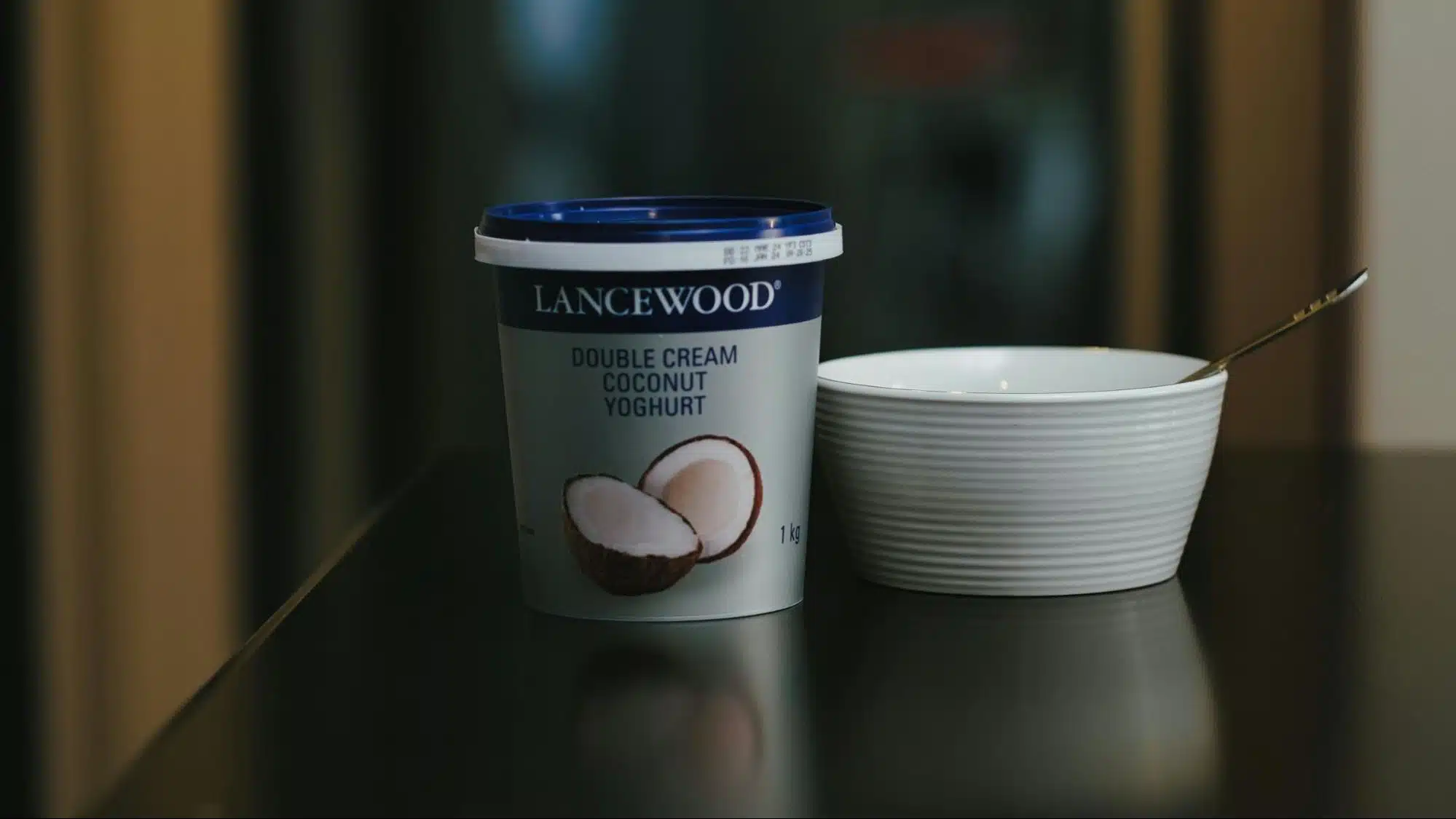
Flavored yogurts often disguise dessert-level sugar behind a probiotic halo. Many contain added sweeteners, artificial flavors, and barely any real fruit. They’re also often low in fat, which sounds good until you realize the fat is replaced with more sugar for taste. A single serving can rival a small soda in sugar content. Opting for plain Greek yogurt with real fruit gives you more control and fewer surprises.
Granola
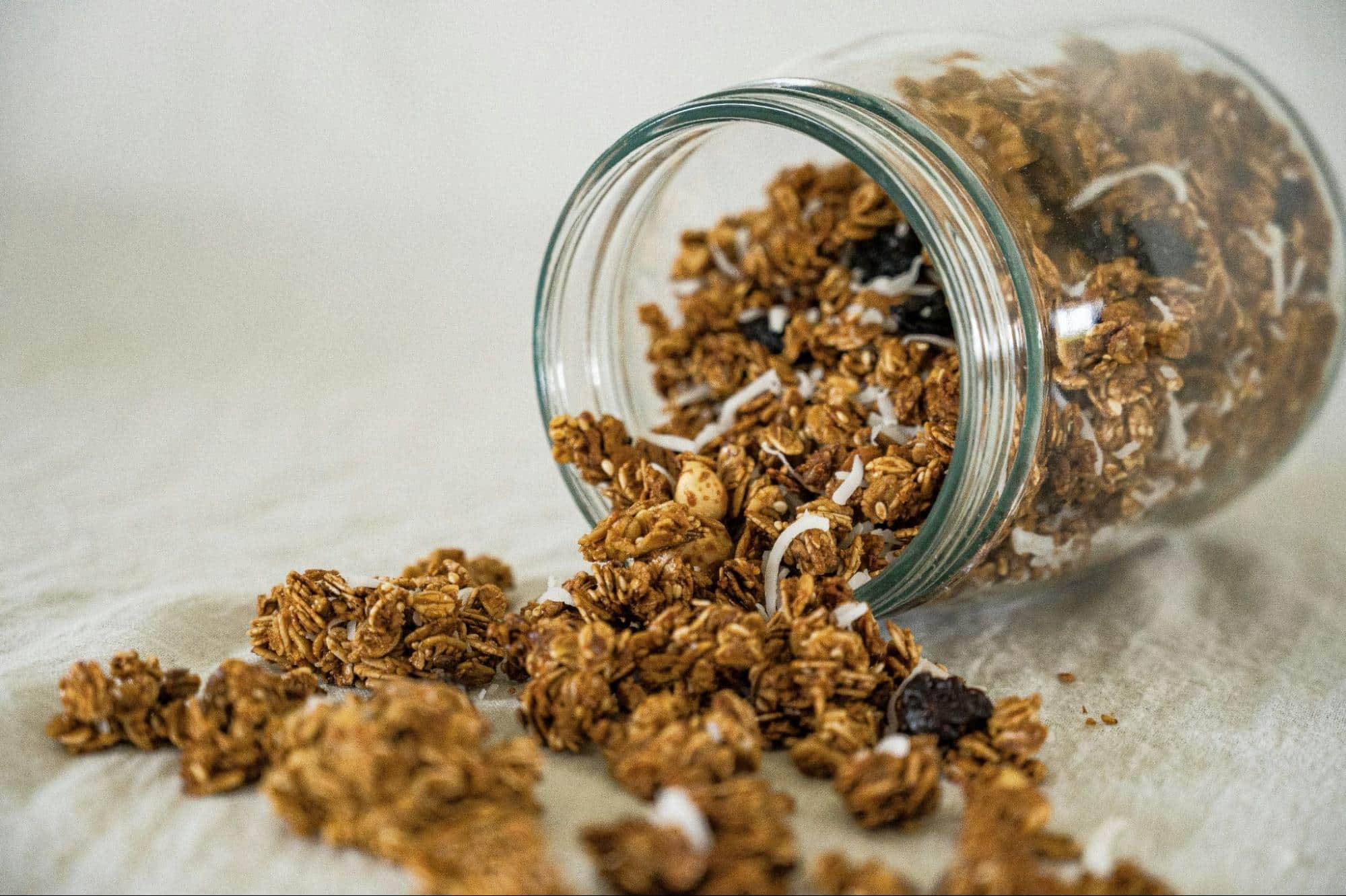
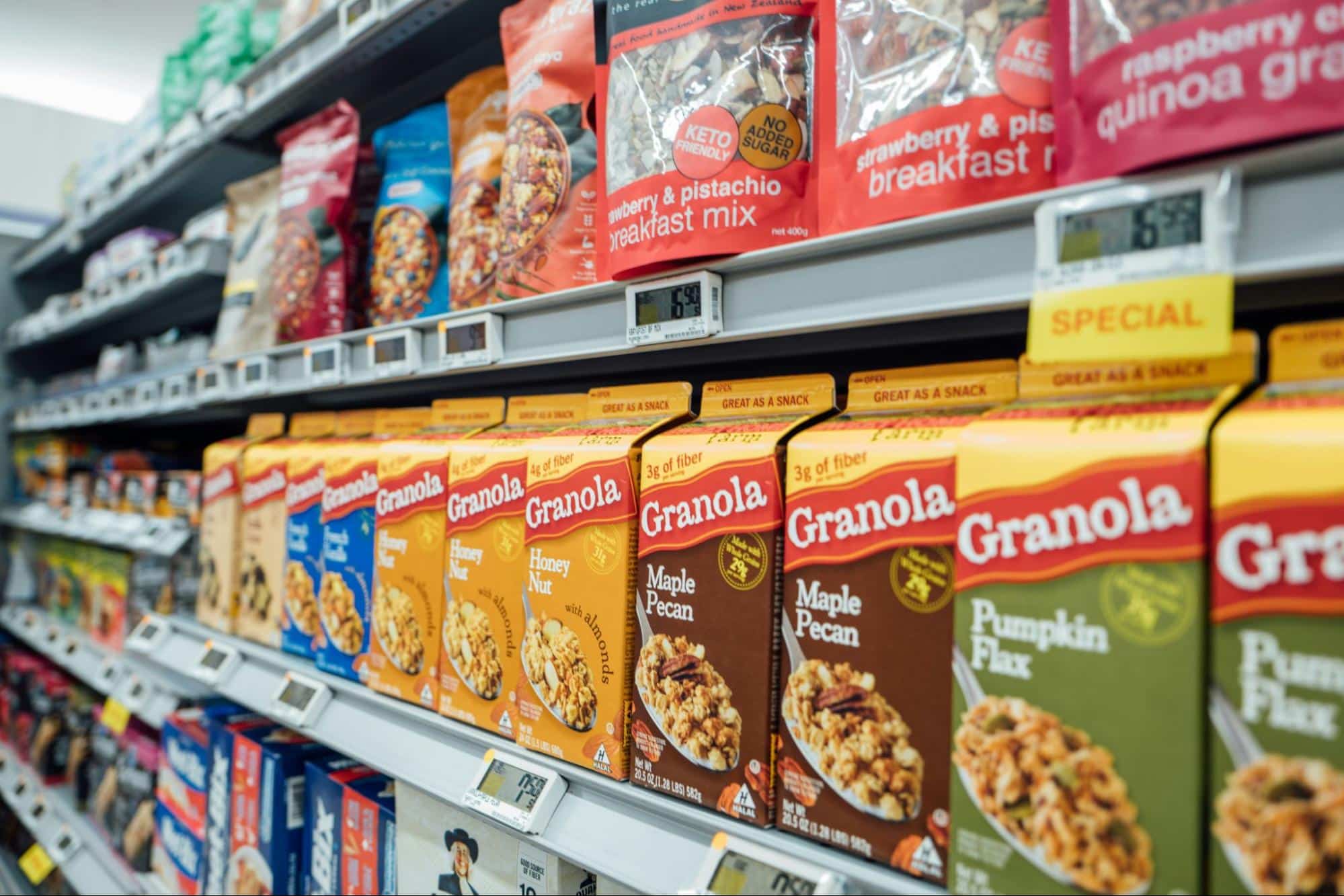
Granola is often marketed as a clean, energizing breakfast, especially when sprinkled over yogurt. But most packaged varieties are high in added sugars, oils, and calories. Just half a cup can clock in at 200–300 calories before adding milk or toppings. It’s easy to overeat thinking you’re doing your body a favor. A better alternative? Homemade granola or oats with fruit and nuts.
Veggie Chips
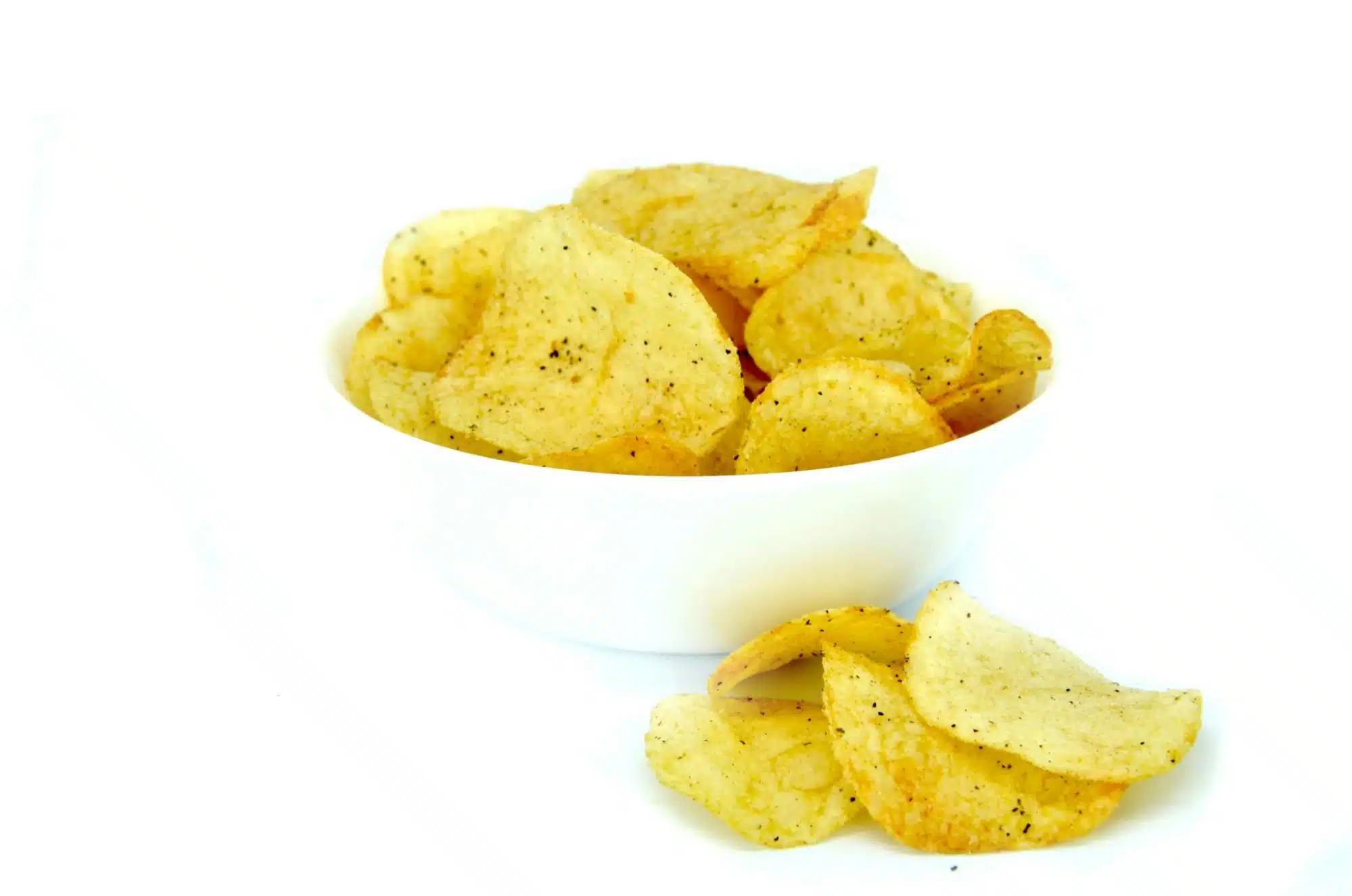
They sound healthier than regular chips, but most veggie chips are just regular potato snacks with a dusting of spinach or beet powder. They’re still deep-fried or baked in oil, contain loads of sodium, and offer minimal actual vegetable nutrition. Don’t be fooled by the color or name, they’re still a salty snack. If you want a crunchy bite, try roasted chickpeas or real sliced veggies instead.
Bottled Smoothies
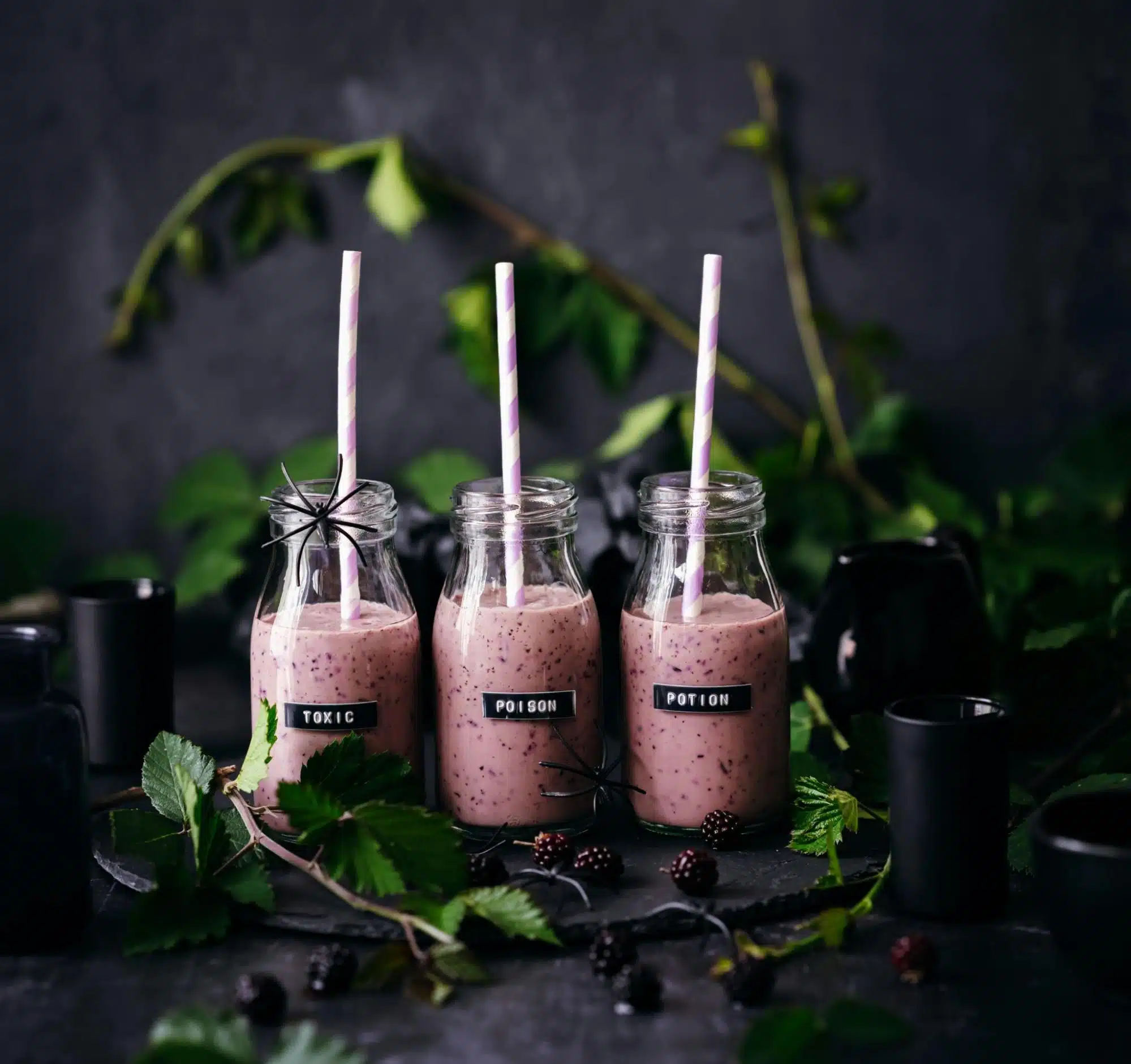
Bottled smoothies sell themselves as convenient health fixes, but they’re often packed with fruit juice concentrates, not whole fruits. That means you’re drinking more sugar and fewer nutrients than you think. Some bottles contain 40–50 grams of sugar in a single serving. Even “green” versions can be misleading if greens are low on the ingredient list. Making your own at home keeps the fiber intact and the sugar in check.
Multigrain Bread
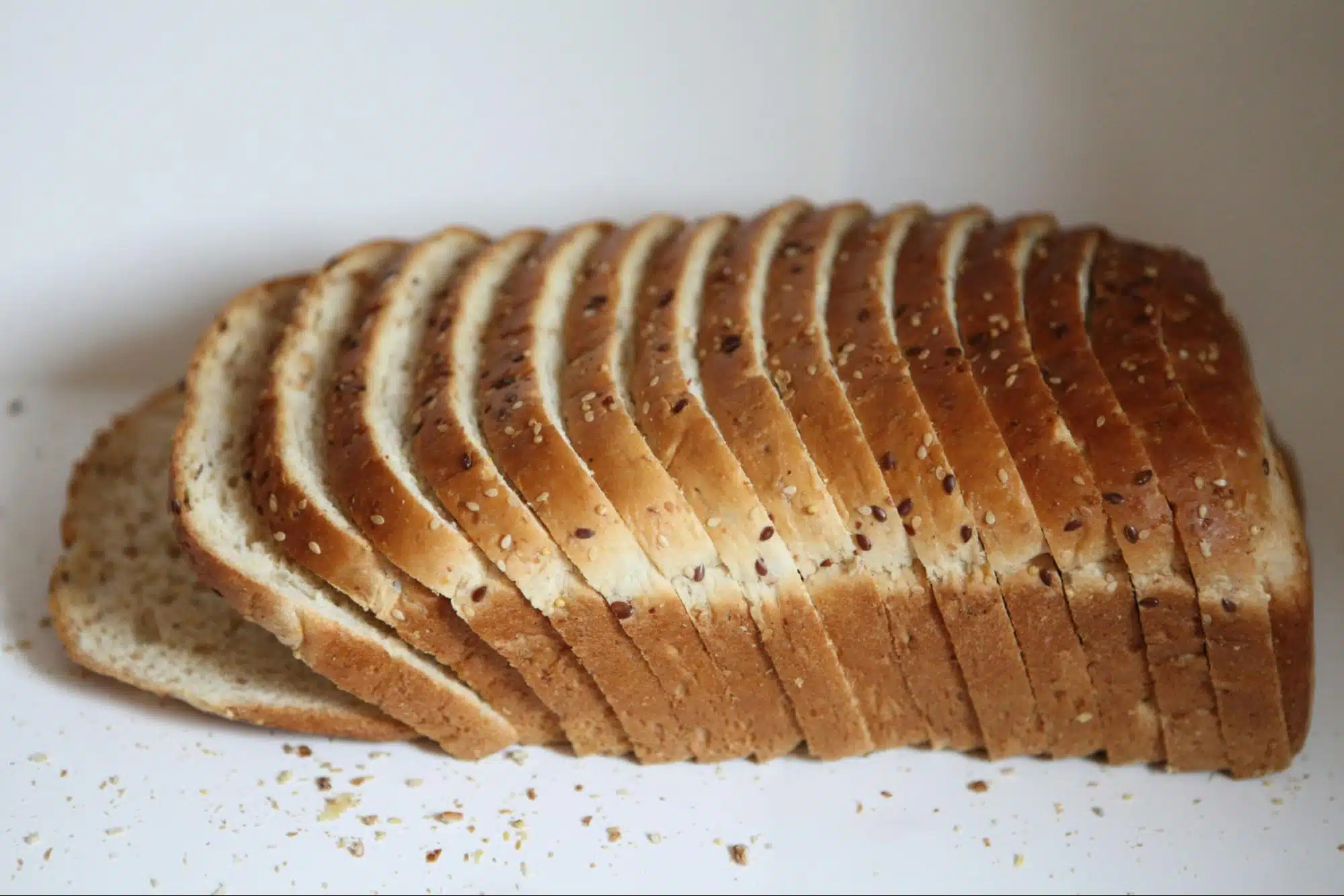
“Multigrain” just means multiple grains were used, it doesn’t guarantee they’re whole grains. Many brands use refined grains with only trace amounts of whole grain, leaving you with bread that spikes blood sugar just like white bread. Don’t rely on the front label, check for “100% whole grain” in the ingredients list. Whole grains provide better fibre, more nutrients, and sustained energy.
Protein Bars
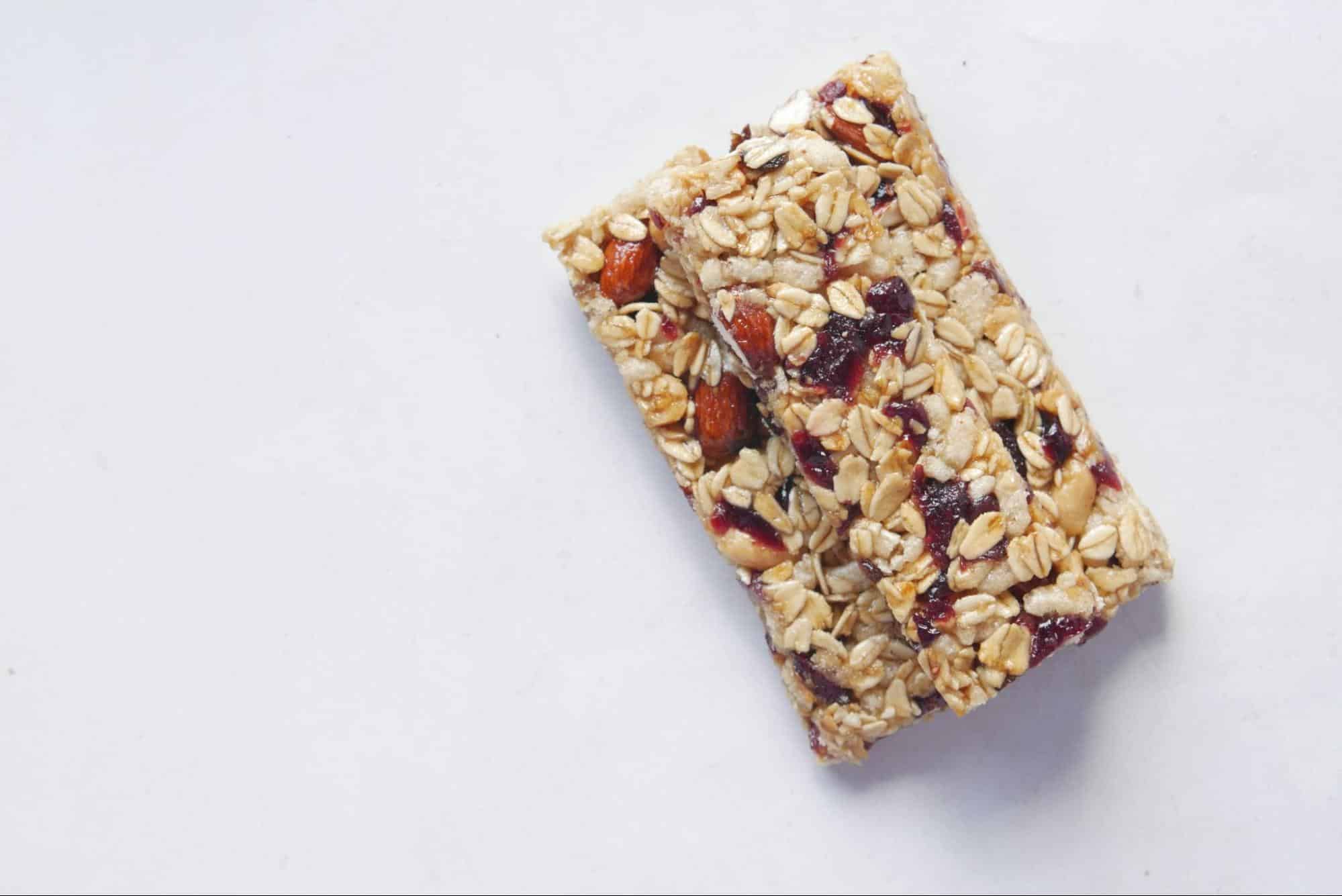
These bars often blur the line between snack and candy bar. Sure, they contain protein, but they also come with processed oils, added sugars, and artificial sweeteners. Some even include sugar alcohols that can cause bloating or digestive discomfort. Not all bars are bad, but many rely on flashy marketing more than nutritional value. If you’re not in a pinch, whole food snacks like nuts and hard-boiled eggs are better.
Low-Fat Peanut Butter

It sounds like a win, less fat, same peanut flavor. But low-fat peanut butter usually replaces healthy fats with sugar and fillers to maintain texture. You end up with a product that’s less satisfying and worse nutritionally. Natural peanut butter, with just peanuts and salt, delivers healthy monounsaturated fats and protein. Sometimes “low-fat” isn’t the better option, it’s just the more processed one.
Gluten-Free Snacks

Unless you have celiac disease or a diagnosed intolerance, “gluten-free” doesn’t automatically mean “healthier.” Many gluten-free cookies, crackers, and snacks are made with refined starches and added sugars to compensate for texture and flavor. They can spike blood sugar and offer little in the way of nutrients. Being gluten-free doesn’t excuse poor ingredient quality.
Deli Meats

Turkey, ham, and roast beef sound lean and clean, but most deli meats are high in sodium and preservatives like nitrates. Even “natural” options can contain hidden additives and flavor enhancers. Long-term consumption has been linked to health risks, including heart issues and some cancers. Look for low-sodium, nitrate-free options or cook and slice your own protein from whole cuts.
Instant Oatmeal Packets
Convenient? Yes. Healthy? Not always. Instant oats often come loaded with added sugars, artificial flavoring, and minimal fiber. They digest faster than rolled or steel-cut oats, which means quicker blood sugar spikes. Plain oats cooked at home take a little longer but let you add real fruit, nuts, or spices without the sugar bomb.
Salad Dressings
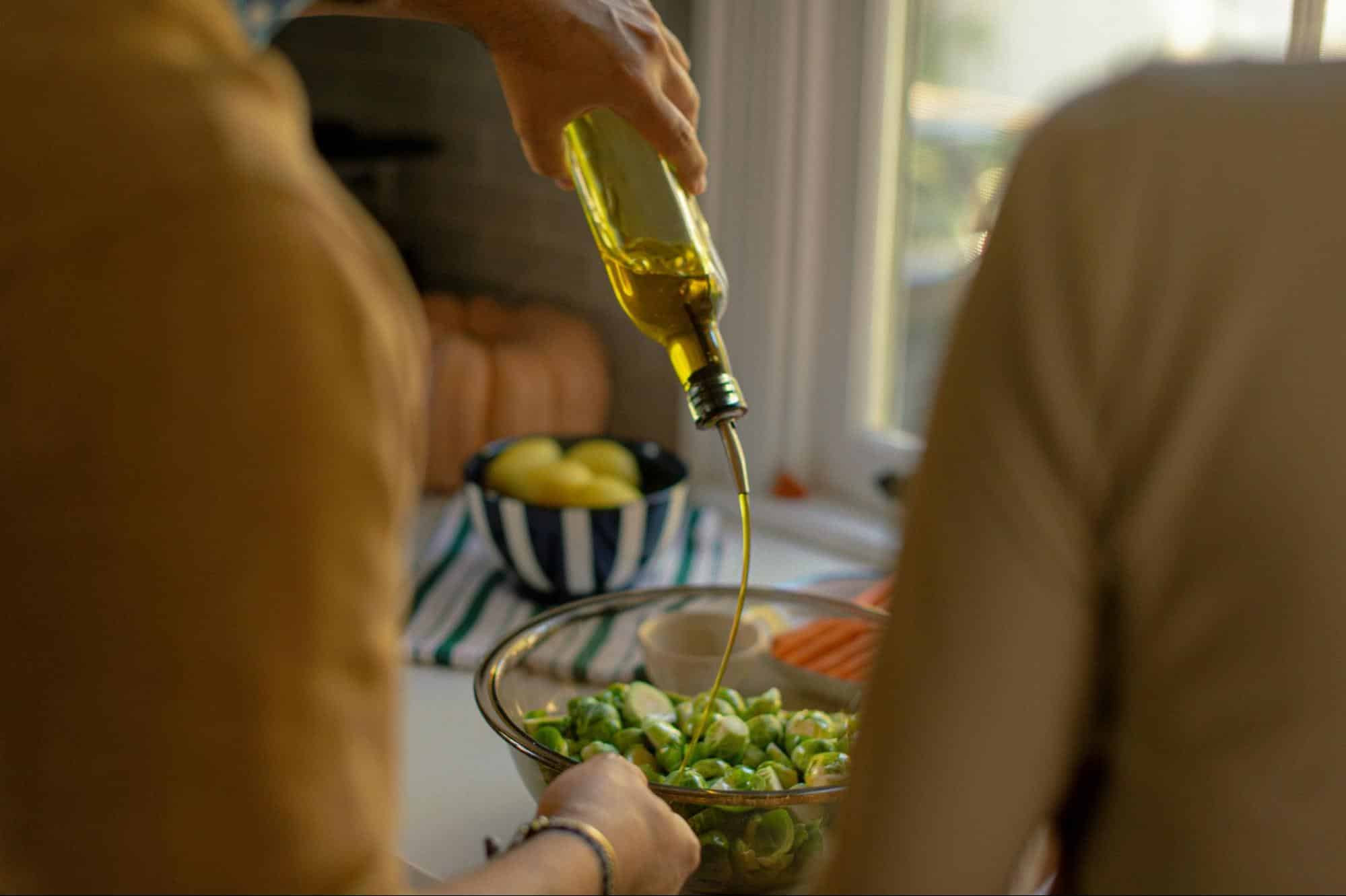
A bowl of greens can be undone by two tablespoons of store-bought dressing. Creamy or even “light” versions often contain high fructose corn syrup, soybean oil, and preservatives. Some vinaigrettes even sneak in added sugar. Making your own with olive oil, vinegar, and herbs keeps things clean and flavorful. Don’t let the dressing be the least healthy part of your salad.
Slide 13 – Fruit Juice
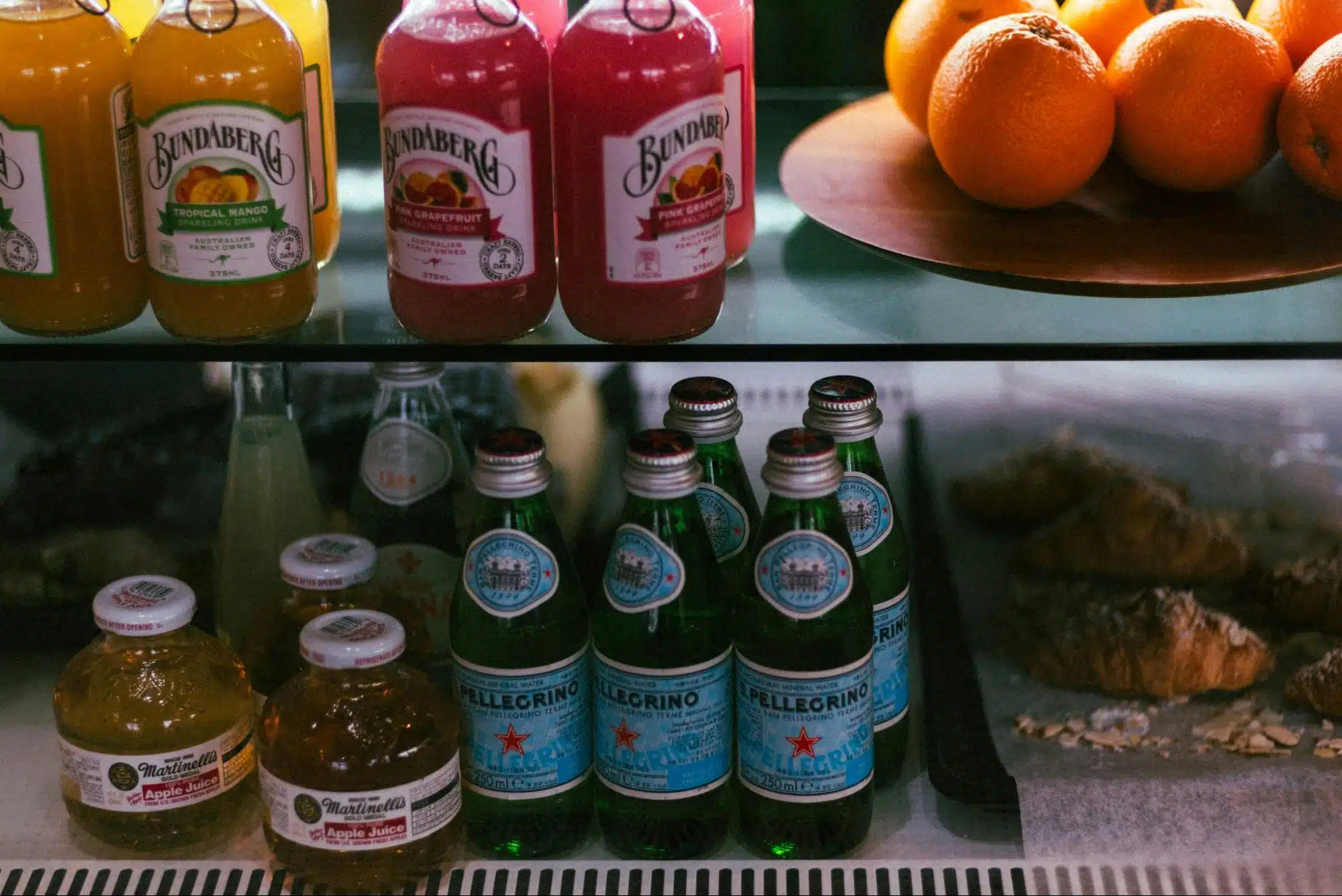
Even 100% fruit juice lacks the fibre of whole fruit, making it a sugar bomb in disguise. A single glass of orange juice can contain as much sugar as a can of soda. It’s easy to drink several servings without feeling full, which means more sugar and more empty calories. Eat the fruit instead, it’s more satisfying and gives your body more to work with.
Trail Mix
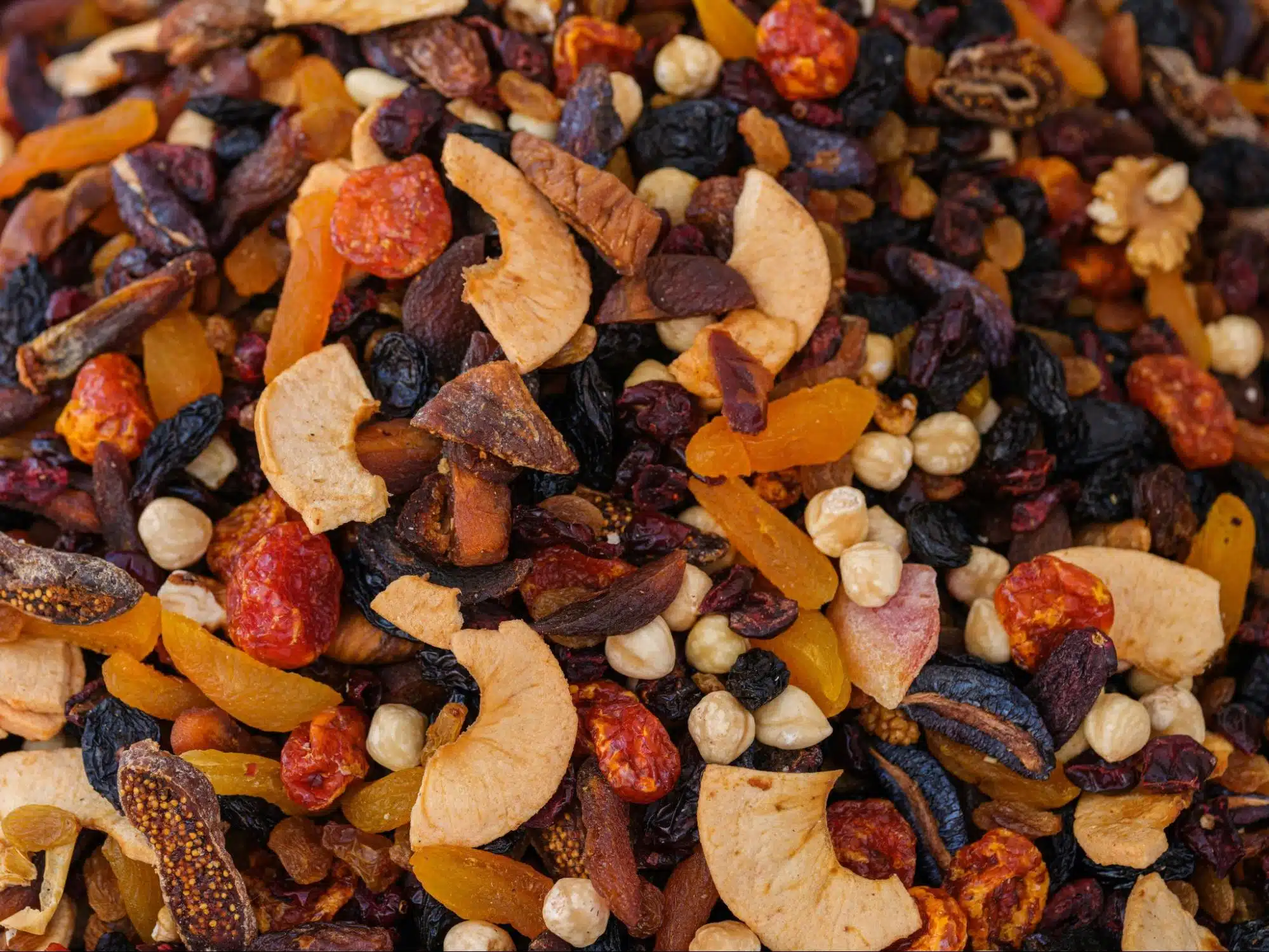
While nuts and dried fruit are healthy on their own, trail mix often comes with chocolate candies, sweetened fruit, and added salt. A small handful can hit 300 calories or more without much protein or fiber. It’s also easy to mindlessly munch. If you want a smart mix, build your own with raw nuts, unsweetened fruit, and maybe a few dark chocolate chips.
Frozen Diet Meals
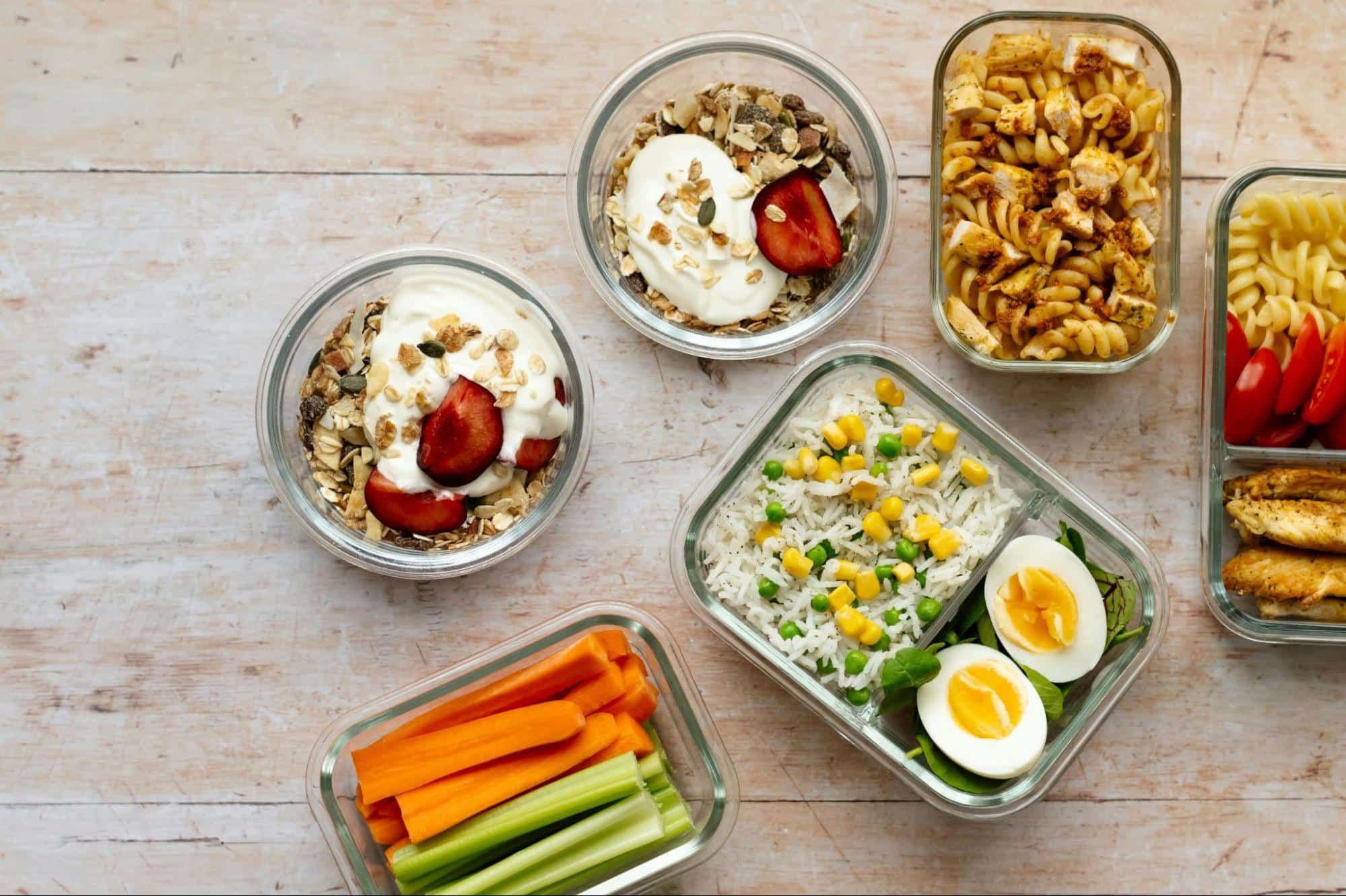
Low-calorie frozen meals might seem smart for portion control, but they’re often low in real nutrients and high in sodium. The portions are also small, leading to hunger (and snacking) soon after. They may help with short-term convenience but don’t foster long-term healthy habits. Preparing simple meals at home with whole ingredients is more satisfying and sustainable.
Pre-Packaged “Health” Muffins

Bran muffins, banana oat muffins, even protein muffins, these often masquerade as healthy but are basically cake in disguise. Most are high in refined carbs, sugars, and oils. They’re dense and sweet enough to throw off your energy levels rather than support them. Unless you bake them yourself with clean ingredients, treat them more like dessert than breakfast.
Sports Drinks
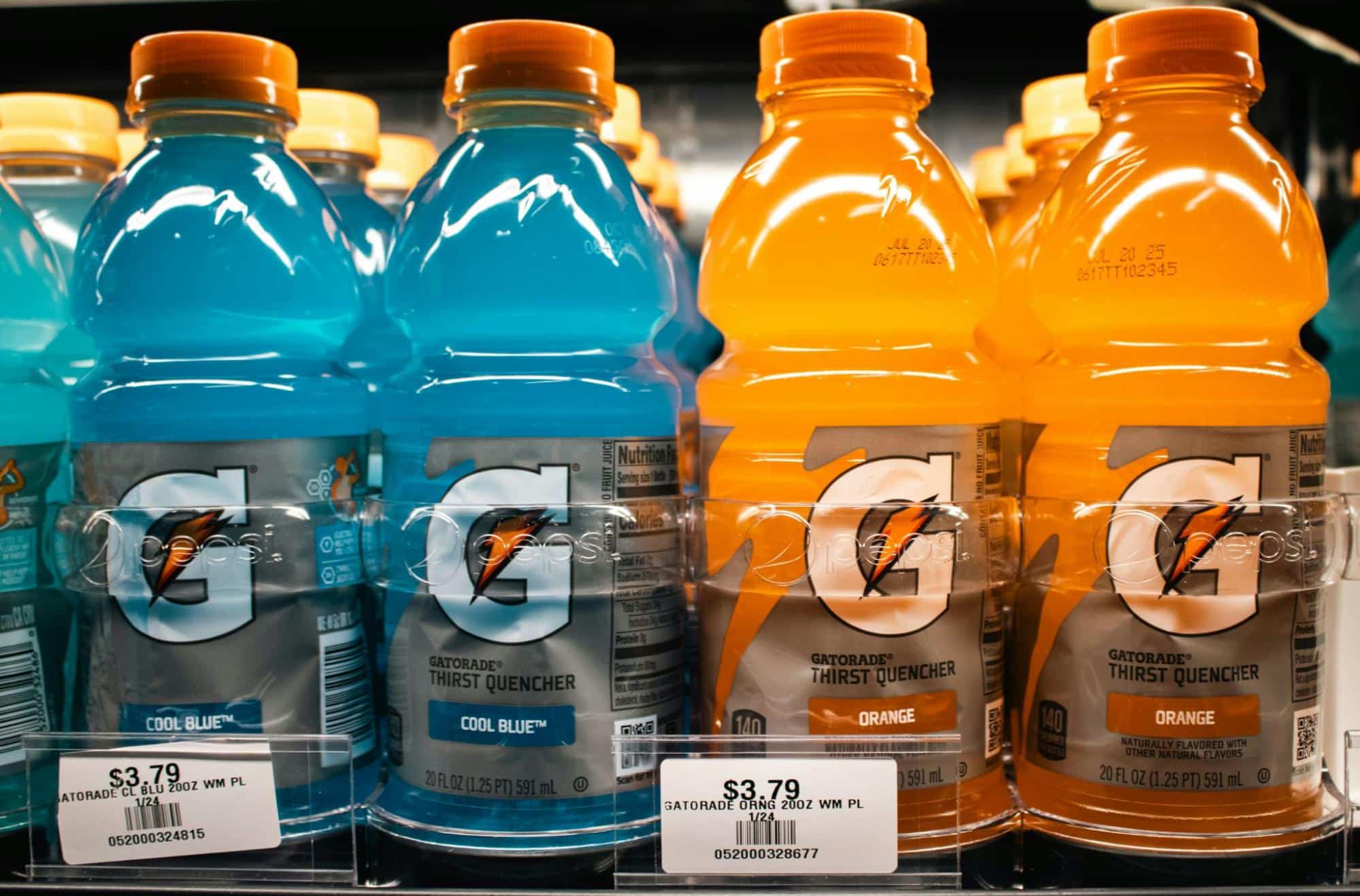
Unless you’ve just finished an intense workout or endurance event, sports drinks are overkill. They’re packed with sugars, artificial colors, and electrolytes you likely don’t need if you’re not sweating heavily. For everyday hydration, they just add empty calories and mess with your insulin. Water, and maybe a pinch of sea salt for long activity, is a better bet.
Plant-Based Meat Alternatives

Not all veggie burgers or “meatless” options are healthy by default. Many are heavily processed and packed with oils, gums, and additives to mimic real meat. While they avoid animal products, they can still lack nutritional integrity. Whole-food options like lentils, beans, and mushrooms offer cleaner plant protein sources without all the filler.
Frozen Acai Bowls
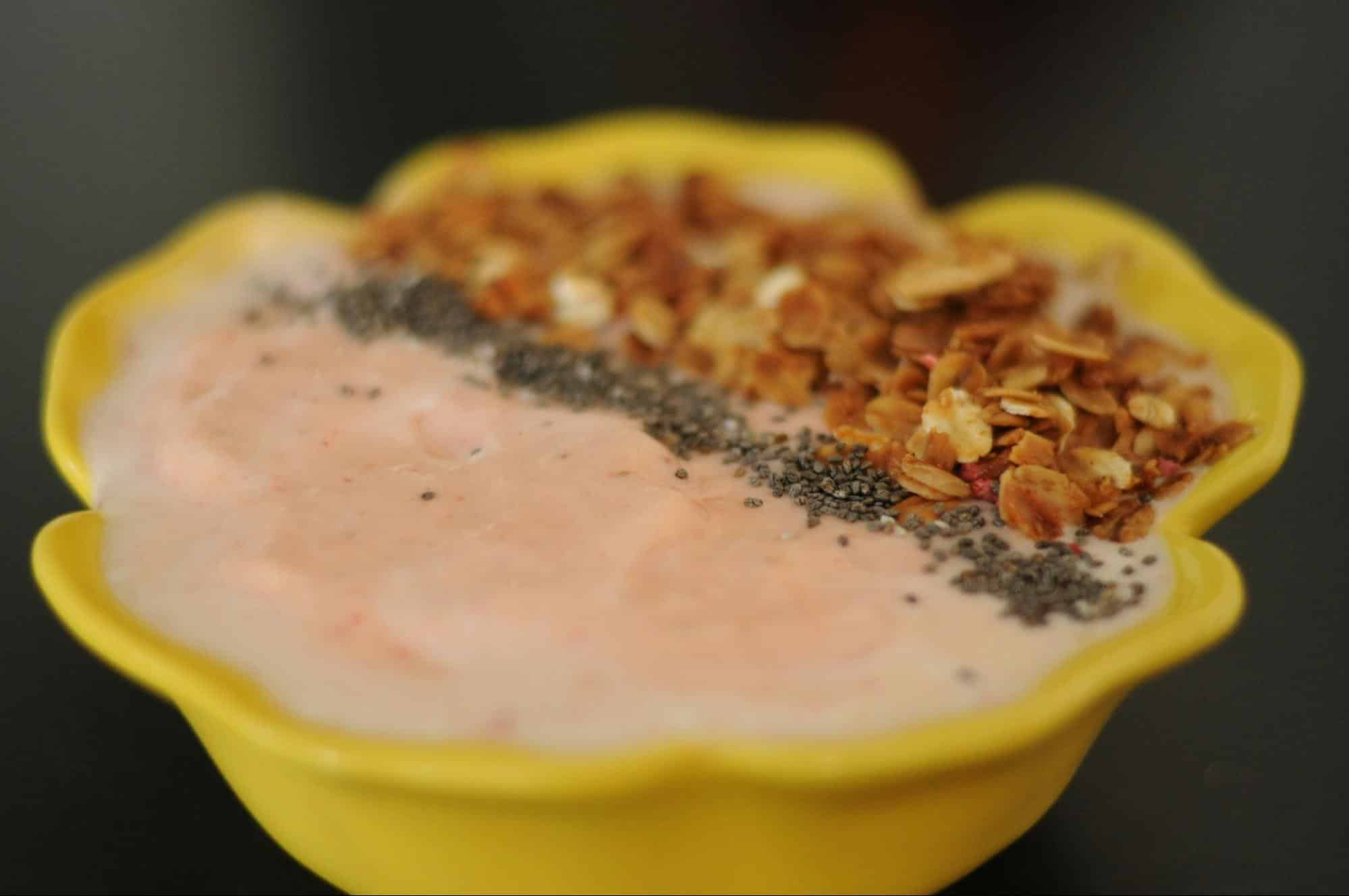
Acai gets hyped as a superfood, but frozen bowls often come pre-blended with juices, sweeteners, and high-sugar toppings. What starts as a healthy base turns into a high-calorie dessert. Toppings like granola, honey, and nut butter pile on fast. Making your own bowl with unsweetened frozen acai and fresh fruit helps keep things balanced.
Protein Pancakes

“High protein” pancake mixes may promise a better breakfast, but the added protein doesn’t always come from high-quality sources. Some mixes use processed isolates and still rely on refined flour and added sugar. Plus, the toppings people add (syrup, chocolate chips, whipped cream) often erase any health benefit. Consider making your own with oats, eggs, and bananas instead.
Conclusion – Don’t Let Labels Fool You

Healthy eating isn’t about buying the most expensive or trendy item on the shelf, it’s about paying attention. Many grocery staples wear a disguise, sounding clean or balanced but hiding sugar, sodium, or poor-quality ingredients. The best defense is learning how to read past the marketing and scan the label like a detective. You don’t have to overhaul your whole pantry, just make smarter swaps where it counts. Because the more real your food is, the better your body, and brain, will thank you for it.








Ask Me Anything