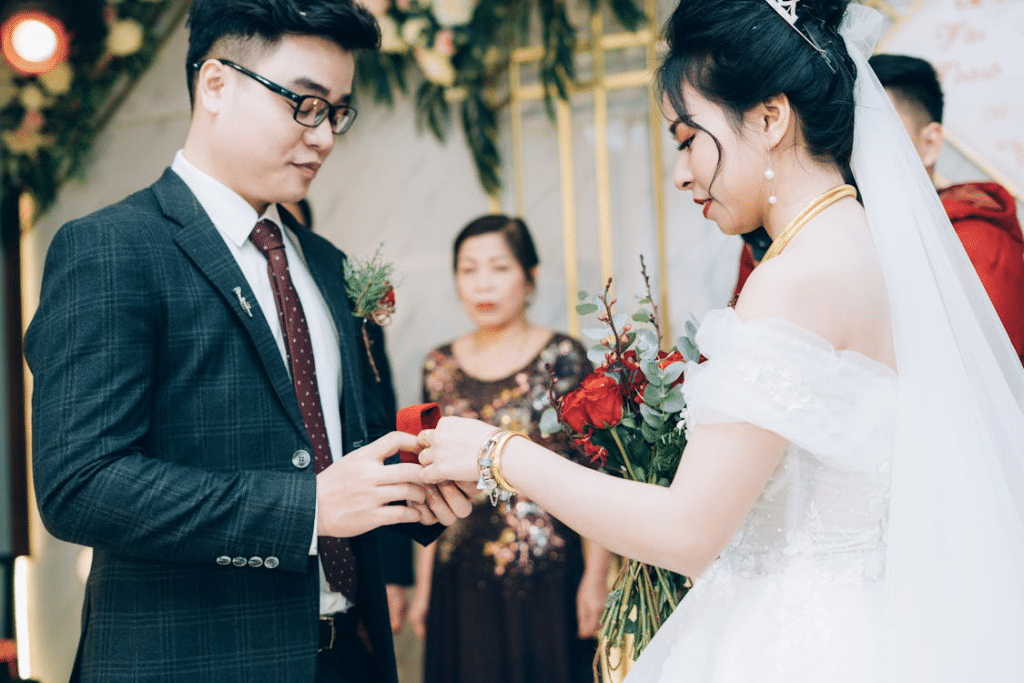
Being a “good guy” usually means being polite, loyal, and not trying to hurt anyone. That matters, but it is often the minimum standard, not the deciding factor for marriage. Husband material is less about intentions and more about repeatable behaviours that create safety, stability, and teamwork. Many men get stuck because they think kindness alone should guarantee commitment. In reality, long-term selection is about reliability, boundaries, emotional maturity, and vision. These traits are not about being perfect, but about being dependable in the ways a future requires. Here are the signals that often separate a decent guy from a husband a woman can build with.
Consistency When Nobody Is Watching
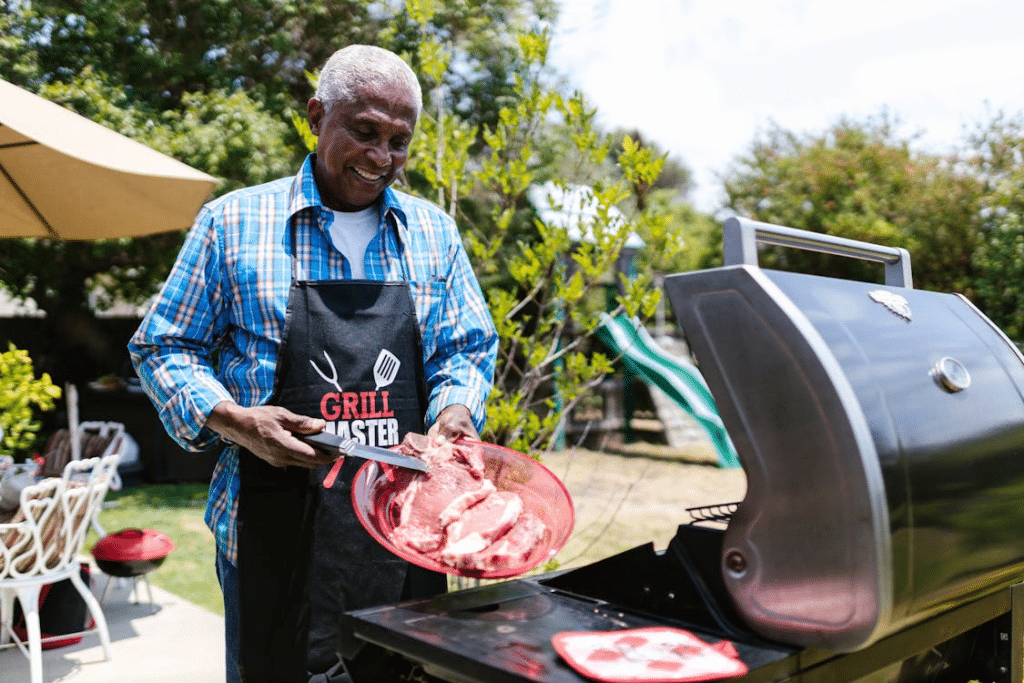
Husband material is predictable in a good way. He does what he says he will do, even when it is inconvenient. Consistency creates trust because it reduces uncertainty. Many people can be charming when they want something, but husband material is steady without needing a reward. This trait shows up in small daily actions, not just big moments. Long-term love thrives on reliability.
Emotional Regulation Under Stress

A man can be kind and still be emotionally unsafe if he explodes under pressure. Husband material stays steady when life gets hard. He can feel anger or stress without becoming cruel, shut down, or unpredictable. This makes conflict repairable instead of traumatic. Emotional regulation also protects children and family stability later. Calm strength is often more attractive than loud confidence.
Clear Boundaries and Self-Respect

A “good guy” sometimes avoids boundaries to keep people happy. Husband material has standards and enforces them calmly. He can say no without guilt or aggression. This makes the relationship feel structured instead of chaotic. Boundaries also prevent resentment because needs are not constantly suppressed. Self-respect is a foundation for mutual respect.
Accountability Without Excuses

Husband material owns mistakes without turning it into a debate. He apologises clearly and adjusts behaviour, not just words. Accountability makes a relationship feel safe because problems can be fixed. A “good guy” might avoid admitting fault to protect his image. Husband material protects the relationship more than his ego. Repair becomes possible when responsibility is real.
Initiative Without Being Asked

A major difference in long-term relationships is initiative. Husband material notices needs and takes action without waiting for instructions. This reduces the mental load and prevents the wife from becoming the manager. Initiative shows leadership and care at the same time. It also signals competence, which is a major security marker. Being helpful is good; being proactive is better.
Honest Communication, Even When It’s Uncomfortable

Nice men sometimes tell soft half-truths to avoid conflict. Husband material chooses honesty with respect. He can say what he wants, what he will not accept, and what he is struggling with. This creates clarity instead of confusion. It also prevents long-term resentment built on silence. Honest communication is a form of protection.
Respectful Conflict Style
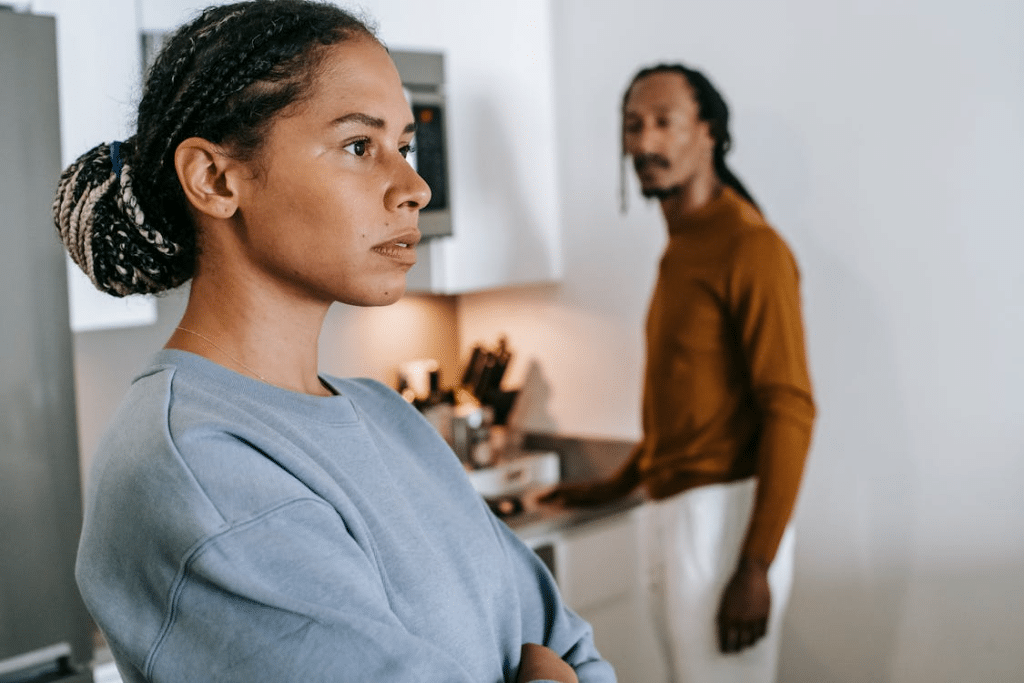
Marriage requires conflict, so the style of conflict matters more than avoiding it. Husband material does not insult, humiliate, or punish. He stays focused on solving, not winning. He listens well enough to reflect the other person’s point, even if he disagrees. This makes arguments feel safe rather than threatening. Respect during conflict builds long-term trust.
Ability to Provide Stability—Not Just Money

Providing stability is broader than income. It includes emotional steadiness, planning, reliability, and responsible decision-making. Husband material makes life feel safer, calmer, and more predictable. He does not create chaos through impulsivity or constant drama. Many women care less about wealth and more about stability signals. Stability is what makes commitment feel logical. A future cannot be built on unpredictability.
Protectiveness That Isn’t Controlling

Healthy protectiveness means defending the relationship and your partner’s dignity. It is setting boundaries with disrespect, outsiders, and unnecessary risk. It is not jealousy, monitoring, or control. Husband material makes his partner feel safe socially and emotionally. He is willing to address problems early rather than tolerate slow disrespect. This trait signals loyalty and leadership. Protection is often experienced as love.
Strong Character When Temptation Exists
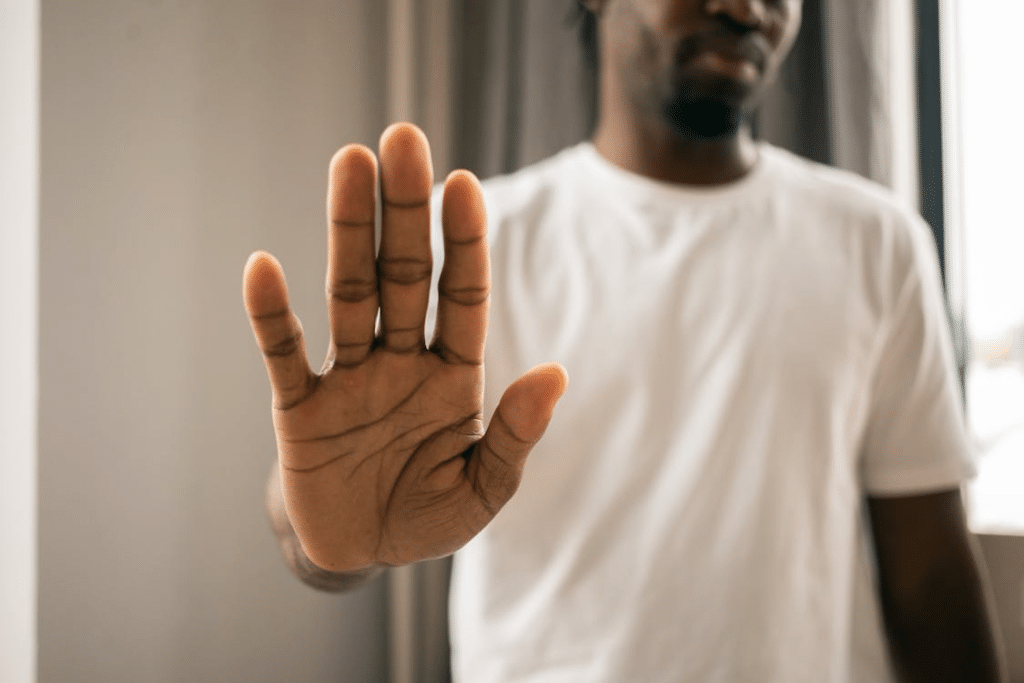
Many men behave well when temptation is low. Husband material behaves well when temptation is high. He has internal standards that do not change based on opportunity. This includes honesty, loyalty, and discipline in private moments. Trust grows when integrity is consistent. Character is proven by what is resisted, not what is claimed. This trait reduces anxiety in long-term commitment.
A Clear Life Direction

A husband is not just a partner, he becomes a teammate for the future. Husband material has goals, purpose, and a general direction. That does not mean having everything figured out, but it does mean having a plan and working toward it. Direction creates stability and reduces fear. It also signals maturity and readiness. Drifting is fun in dating, but risky in marriage.
Ability to Build a Team Instead of Keeping Score

Scorekeeping kills marriages because it turns love into a competition. Husband material thinks in terms of teamwork: “How do we solve this?” He can compromise without feeling weak. He also can ask for what he needs without making it a power struggle. Team mindset makes hard seasons survivable. Marriage works best when both people feel on the same side. A team is stronger than two individuals negotiating daily.
Willingness to Grow and Learn

A good guy may assume his intentions should be enough. Husband material believes improvement is part of love. He is open to feedback without becoming defensive. He can change habits, upgrade skills, and learn emotional tools. Growth keeps the relationship from stagnating. It also signals humility, which protects intimacy. A man who refuses growth becomes a long-term burden.
Healthy Relationship With Responsibility
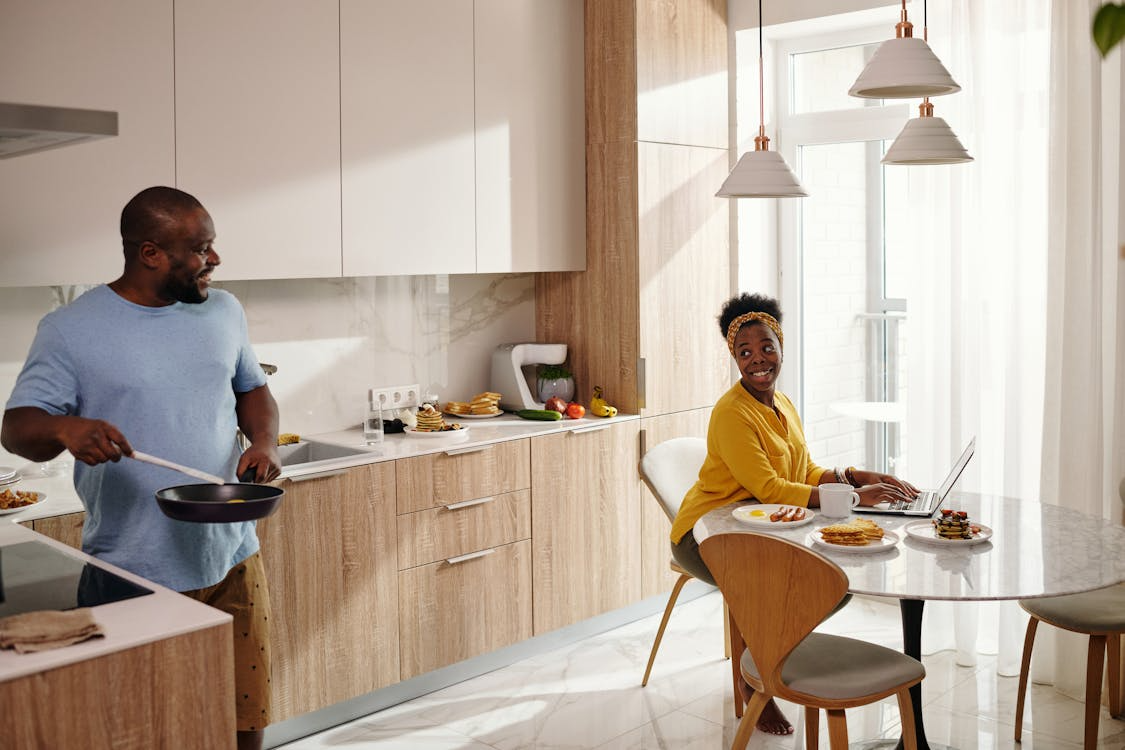
Marriage brings responsibility: bills, family decisions, health issues, and unexpected crises. Husband material does not run from responsibility or act like a victim. He handles what needs to be handled, even when it is stressful. He does not dump consequences onto his partner. Responsibility is not glamorous, but it is deeply attractive in long-term selection. Reliability under responsibility is a major husband-material signal.
Respect for Her Autonomy
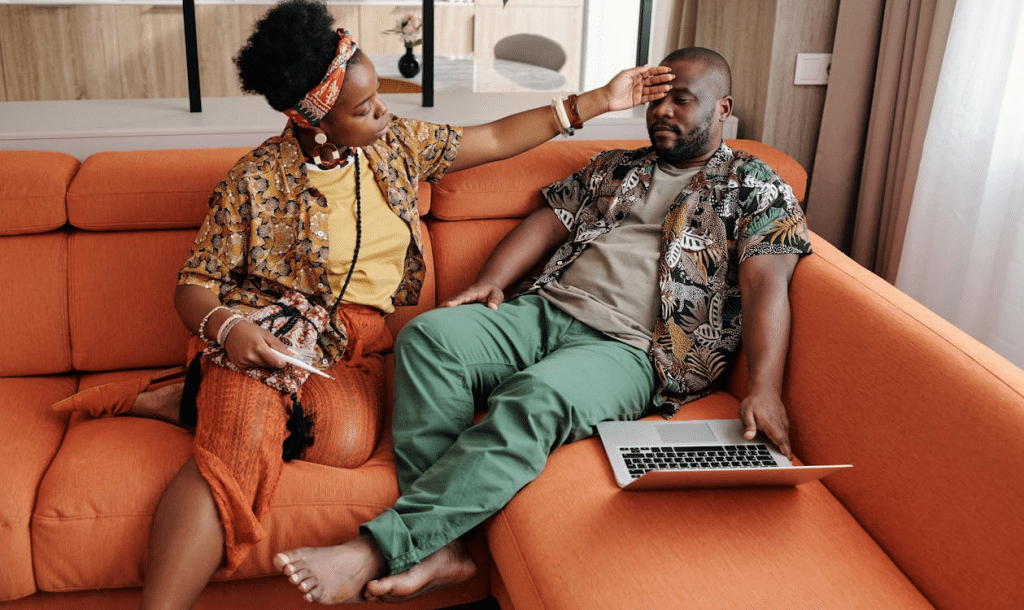
Some men confuse leadership with control. Husband material leads with respect, not dominance. He values her opinions and does not punish her independence. He wants a partner, not a dependent. This creates emotional safety and long-term harmony. Women often commit harder when they feel respected as equals. Autonomy plus loyalty is the healthiest balance.
Social and Family Boundaries That Protect the Marriage

Many marriages struggle because boundaries with family and friends are weak. Husband material can love his people while still prioritising his partner. He does not allow outsiders to disrespect or interfere constantly. He also does not overshare private marital issues for validation. Boundaries protect intimacy and trust. A man who cannot set boundaries often becomes a source of stress. Protection includes social protection.
Warmth That Stays Even After the Chase

Some men are affectionate during pursuit, then become emotionally cold once secure. Husband material keeps warmth as a daily habit. He compliments, checks in, and shows affection consistently. He still dates his wife through small efforts. This prevents the marriage from becoming a roommate setup. Warmth is the fuel that keeps stability from feeling empty. A future needs both structure and tenderness.
What Men Misunderstand About “Good Guy” Energy

Many men assume being harmless equals being safe. But safety also includes clarity, leadership, and strong boundaries. Some “good guys” become passive, approval-seeking, or resentful, which makes the relationship unstable. Being chosen for marriage is often about steadiness, not niceness. Niceness without direction can feel like weakness. A man can be kind and still be solid. Solid kindness is what people trust long-term.
Husband Material Is Built Through Traits, Not Claimed Through Labels

A good man is a strong start, but husband material is proven through consistent patterns. Emotional regulation, accountability, initiative, boundaries, and stability are what make long-term commitment feel safe. These traits are not about perfection; they are about reliability under real life. Men who focus on building these qualities usually become more respected and more desired. The goal is not to perform, but to grow into a dependable partner. When “good” becomes solid, marriage becomes a realistic option, not a gamble.








Ask Me Anything