
Every generation has its own way of talking, and Gen Z has taken slang to a whole new level. Their words often come from social media, gaming, or viral trends, leaving Millennials and Gen X scratching their heads. While some terms are playful twists on older phrases, others are brand-new creations born entirely online. These words aren’t just about sounding cool—they reflect cultural values, humor, and the fast pace of digital life. Here are 18 Gen Z words that often leave older generations lost in translation.
Delulu

“Delulu” is shorthand for “delusional,” but it’s used playfully rather than critically. Gen Z often uses it to describe being overly hopeful about a crush or ambition. For example, someone might say they’re “delulu” for believing their favorite celebrity will notice them online. It’s a way of laughing at unrealistic expectations while still enjoying the dream. The humor comes from embracing fantasy without shame.
Low-key / High-key

These two words act as opposites for intensity. “Low-key” describes something subtle, secret, or understated, while “high-key” means bold, obvious, or dramatic. Someone might say they “low-key want to stay home” or that a party was “high-key the best night ever.” The terms let people express levels of enthusiasm with flexibility. They capture mood in a way older slang never quite did.
It’s Giving

This phrase is all about describing vibes. If an outfit “is giving CEO,” it means the person looks powerful and in control. The phrase doesn’t always need an ending; sometimes Gen Z simply says “it’s giving” to show approval. It’s about capturing the essence or energy of a situation. The expression is rooted in online culture where aesthetics define experiences.
Beige Flag

Borrowed from the dating world, a “beige flag” is a quirky or odd habit that isn’t a dealbreaker but still makes you pause. For instance, someone who sets twenty alarms to wake up might raise a beige flag. Unlike red flags, which signal danger, beige flags are neutral and often funny. They highlight how modern dating emphasizes personality quirks. It’s a way of acknowledging imperfections without judgment.
NPC

Short for “non-playable character,” NPC originally comes from video games. Gen Z uses it to describe people who seem robotic, unoriginal, or just “going through the motions.” It’s often playful, but it can also critique conformity. Calling someone an NPC suggests they’re part of the background rather than the main story. It reflects a culture that values individuality.
Iykyk
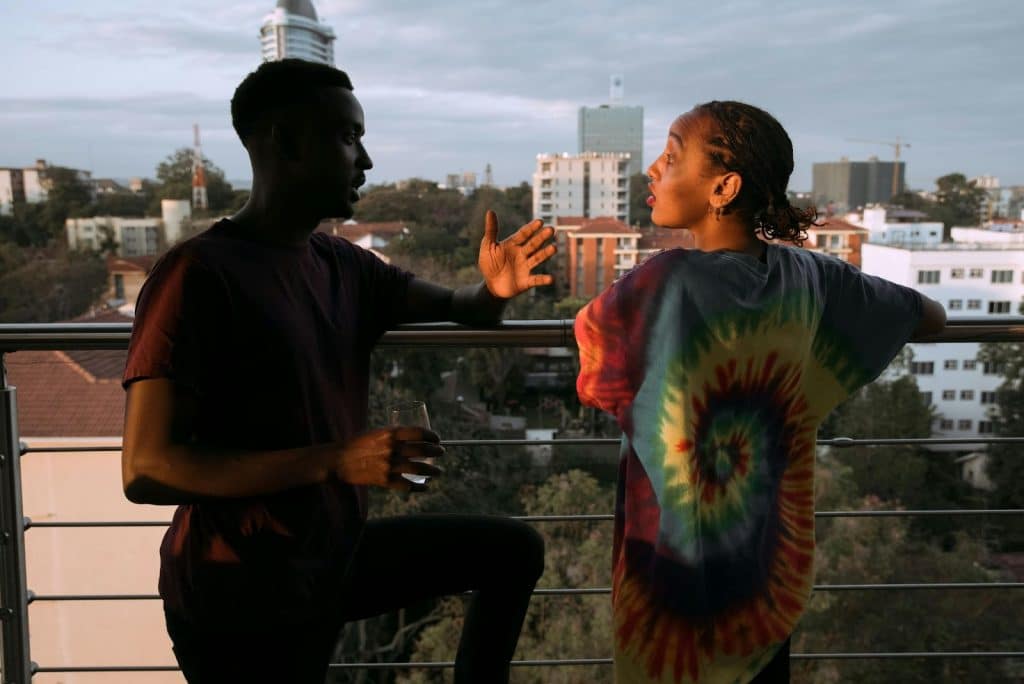
This acronym stands for “if you know, you know.” It’s a way of signaling an inside joke or reference that only certain people will understand. For example, someone might post a vague meme with “iykyk” as the caption. It creates exclusivity and a sense of belonging within online groups. The phrase thrives in digital communities built around niche interests.
Skibidi
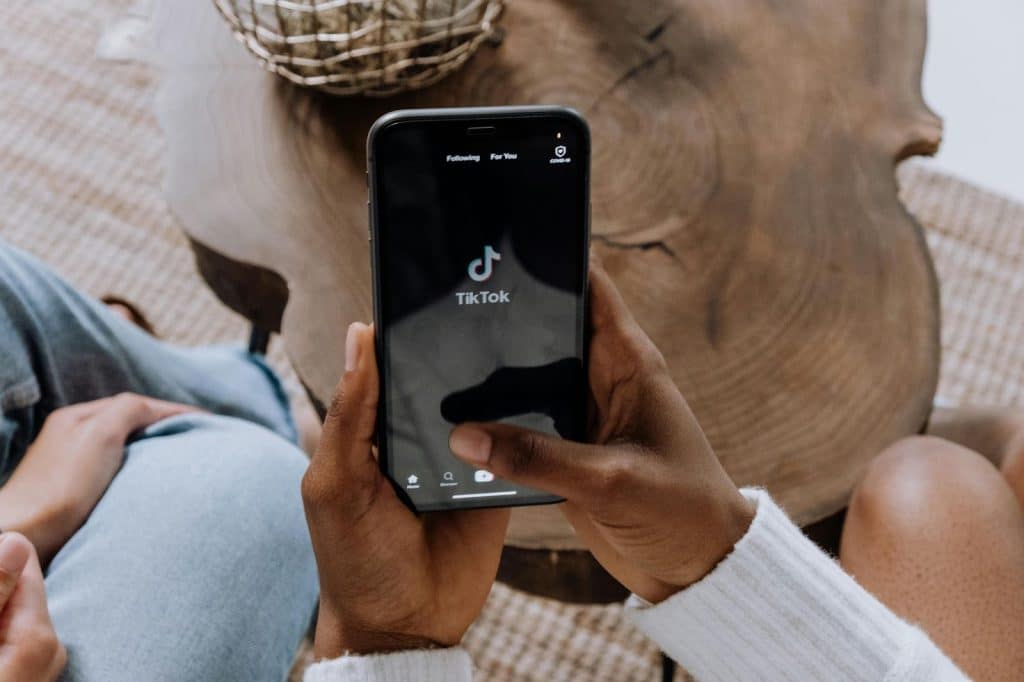
One of the strangest entries, “skibidi” comes from a TikTok trend featuring nonsensical songs and videos. For Gen Z, it’s more about the vibe than the meaning. Older generations may find it baffling, but that’s part of the fun. It reflects absurdist humor that thrives in short-form content. The randomness is exactly what makes it entertaining.
Fanum Tax

This phrase comes from Twitch streamers, where one personality, Fanum, was known for taking food from friends. Now “Fanum tax” means someone casually helping themselves to your meal without asking. It’s become a meme to describe a very real social phenomenon. The term highlights how online personalities influence offline slang. It’s humor rooted in shared experiences.
Rizz

“Rizz” is short for charisma, especially when it comes to flirting. Someone with “good rizz” can charm or attract others effortlessly. The word gained traction on TikTok and has become part of dating language. It reflects Gen Z’s emphasis on confidence and social skills over traditional dating norms. Rizz is about energy, not just words.
Simp
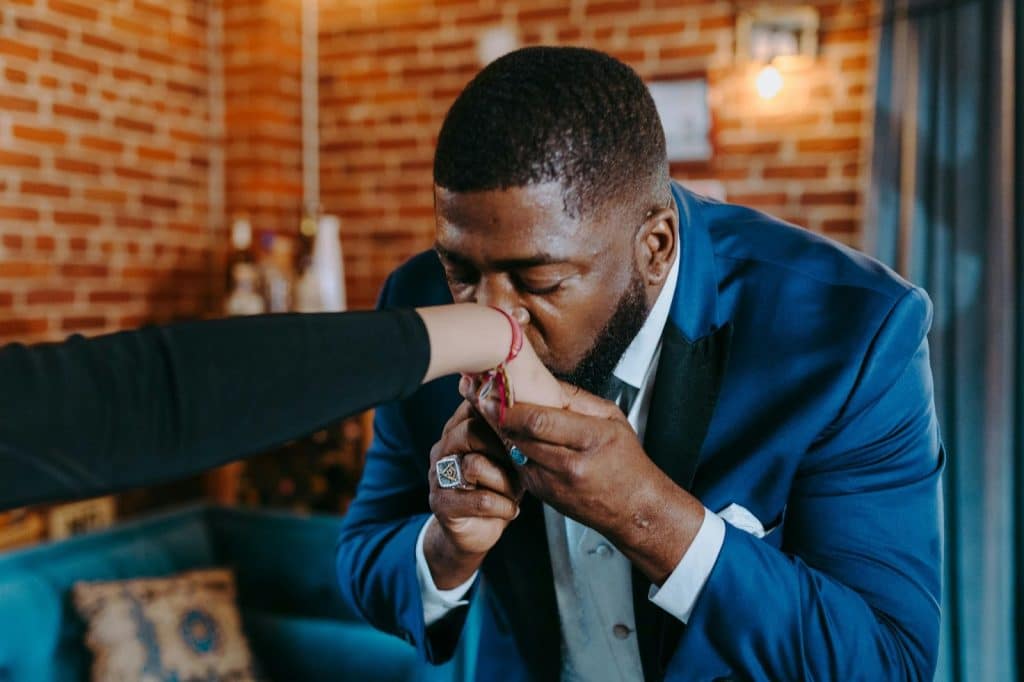
Originally used as an insult, “simp” now describes someone who shows excessive affection or devotion, often in relationships. It can mean doing too much for someone who doesn’t reciprocate feelings. However, many use it humorously or even proudly. The word shows how Gen Z flips criticism into self-aware jokes. Simping is no longer always a bad thing.
Situationship

This term describes a relationship that’s more than casual but less than official. It captures the ambiguity of modern dating, where labels are often avoided. A situationship can be fun, frustrating, or complicated, depending on expectations. It reflects Gen Z’s comfort with nontraditional relationship dynamics. The word validates a common experience in contemporary romance.
Gyat
“Gyat” is a slang exclamation often shouted online, typically in reaction to someone’s appearance. It’s especially used to compliment someone’s figure in a playful, exaggerated way. The word spread through gaming and streaming communities. While confusing to outsiders, it’s instantly recognizable to Gen Z audiences. It’s part of their exaggerated, performative humor.
Cap / No Cap

“Cap” means a lie, while “no cap” means truth. If someone says “that’s cap,” they’re calling out dishonesty. On the other hand, “no cap” emphasizes sincerity. The terms are simple but powerful in online debates. They reflect Gen Z’s preference for short, punchy expressions. The slang has spread far beyond its original communities.
Cheugy

Pronounced “chew-gee,” this word describes something outdated or trying too hard. It might apply to old fashion trends, overused memes, or attitudes that feel off. Calling something cheugy is a playful way to critique without being cruel. It reflects Gen Z’s emphasis on authenticity. The word quickly became part of internet culture.
Glow Up

A “glow up” is a transformation, often physical but sometimes emotional or lifestyle-based. It’s about noticeable improvement over time. For example, someone might post before-and-after photos to showcase their glow up. The term reflects positivity and personal growth. It celebrates progress in a way that feels encouraging.
Sigma

“Sigma” is shorthand for “sigma male,” describing someone who’s independent and self-reliant. Unlike alpha stereotypes, sigma implies quiet confidence and not following the crowd. It’s often used in memes and self-help spaces. While sometimes exaggerated, it reflects admiration for autonomy. The word captures Gen Z’s interest in redefining masculinity.
Main Character Energy

This phrase describes living life as if you’re the protagonist in a story. It’s about confidence, presence, and making choices that prioritize personal growth. People might use it when dressing up or seizing exciting opportunities. It reflects Gen Z’s desire for self-expression and narrative control. Everyone wants to feel like the star of their own story.
Bet

Simple but versatile, “bet” is a word of agreement. It’s like saying “okay” or “sure,” but with more confidence. Someone might say “bet” when confirming plans or accepting a challenge. The term reflects casual affirmation with an edge of enthusiasm. It’s short, direct, and perfectly suited to fast-paced conversations.
Conclusion

Gen Z slang can feel confusing at first, but it reflects the creativity and culture of a generation raised online. Their words are playful, fast-moving, and shaped by social media, gaming, and memes. For Millennials and Gen X, learning these terms isn’t just about keeping up—it’s about understanding how language evolves with technology and humor. These 18 words highlight how each generation builds its own voice, proving that language is always a living, changing thing.








Ask Me Anything