
Gen Z is blending modern equality with old-school romance, and it’s making dating etiquette more complicated. One of the biggest questions still sparking debates is: who pays on the first date? While gender roles have evolved, this tradition hasn’t fully disappeared. Many men are unsure what the expectation is. Understanding how to navigate this respectfully matters more than ever.
Why It Still Matters

Who pays isn’t just about money, it’s a gesture of intent. For many women, it signals effort, interest, and respect. Paying can come across as a modern act of traditional chivalry. But with Gen Z redefining dating roles, even this symbolic moment carries multiple meanings. The key is reading the moment right.
Gen Z’s Take on Romance

Unlike previous generations, Gen Z values authenticity and emotional transparency. Many are rethinking performative dating rituals, but some still find comfort in familiar roles. A man offering to pay can be seen as thoughtful rather than controlling. The goal isn’t dominance, it’s effort. Knowing when that effort feels meaningful matters.
Equality vs Initiative

Some men default to splitting the bill to show equality. Others pay to demonstrate they’re invested. There’s no universal right answer, but it helps to know what your date values. In a time when both roles are fluid, initiative matters more than sticking to rules. Confidence and clarity go further than guessing.
Ask Her Preference

The easiest way to avoid awkwardness? Ask. Open dialogue around preferences shows emotional intelligence. Many women appreciate when a man respects their autonomy enough to ask. It takes confidence to have that conversation. And it sets the tone for honest connection.
The Psychology Behind It

Studies show that people often associate financial gestures with emotional investment. Men who offer to pay are often perceived as more committed. However, forced generosity can backfire if it feels transactional. The best move? Make it sincere, not strategic.
Cultural Differences at Play

In some cultures, men paying is expected and even required. In others, insisting may feel offensive. Gen Z’s global dating landscape means these expectations can shift fast. Being culturally aware can prevent misunderstandings. Ask, listen, and stay curious.
Financial Boundaries Matter
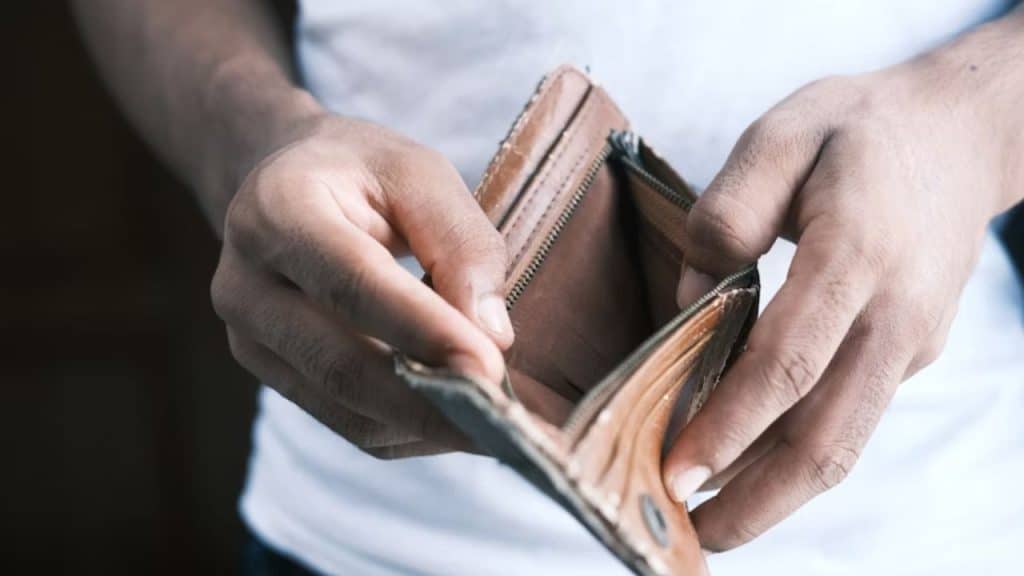
If paying stretches your budget, honesty is better than overextending. Financial pressure on early dates can create long-term tension. Women value sincerity more than showmanship. Trying to impress by spending more than you can afford can backfire. Being transparent is the new confidence.
When She Offers to Pay

If she insists on paying, let her. It can be a sign of independence, not disinterest. Some women see it as reclaiming control over how dating works. Don’t read too much into it unless she hints otherwise. Respect her choice and express appreciation.
The Power of the Offer

Sometimes just offering is enough. It shows awareness and intention. Even if she declines, the gesture can earn respect. This isn’t about winning or scoring points. It’s about showing you care.
The Dutch Date Evolution

Splitting the bill used to feel awkward. Now it can signal equality and shared values. Gen Z couples often agree to go Dutch as a fair compromise. It shifts the energy from “who owes what” to “we’re in this together.” It’s a modern ritual with mutual respect.
When Paying Feels Like Pressure

If paying starts to feel like a test or performance, it’s time to reassess. First dates should build comfort, not anxiety. If the focus is on proving your worth with your wallet, the connection may be unbalanced. Dating should feel like a partnership from the start. Remove the pressure by setting your own standards.
Chivalry, Not Control

Acts like paying or opening doors still resonate when rooted in respect. Today’s chivalry is about kindness, not control. If it’s done to impress, it’s obvious. If it’s done with confidence and care, it speaks volumes. Gen Z is rebranding chivalry in a way that works.
Nonverbal Signals Count

Watch her body language. Is she leaning in or pulling away when the bill arrives? These nonverbal cues can help you gauge what move to make. Quiet confidence means being aware without being overbearing. Sometimes it’s not what you say, it’s how you notice.
Social Media’s Influence

Publicly documenting dates can shift expectations. Paying might be perceived as part of a narrative, not just a gesture. Be authentic and avoid performative moves. Keep the moment real, not curated.
Emotional Maturity Wins

A man who can navigate awkward moments with emotional maturity stands out. Asking, listening, and adjusting shows strength. Confidence comes from clarity, not assumptions. Women often remember how you made them feel, not what you paid for. Emotional maturity is the real flex.
Don’t Assume, Observe

Every woman is different. Avoid treating first dates as a script. The strongest impression is made by how well you notice, not how much you spend. Tailor your actions to the moment. Attention always beats assumptions.
Kindness Is the Currency
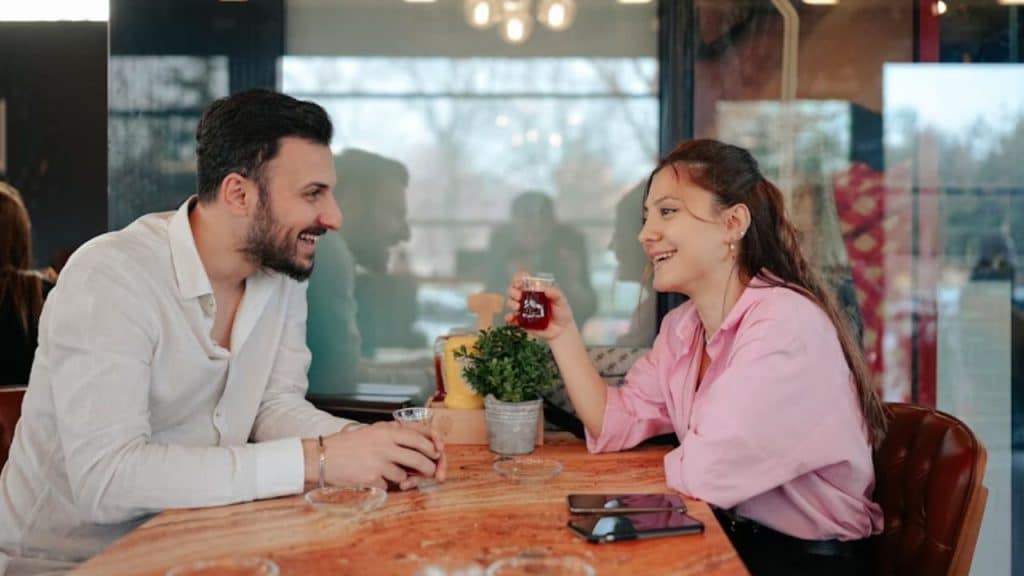
No matter who pays, kindness always matters more. Generosity of attention, words, and energy makes a lasting impression. Money might cover the bill, but your presence covers the experience. Focus on how you make her feel. That’s what makes her want a second date.
The Follow Up Matters

A kind message, shared reflection, or thoughtful gesture shows investment. Paying may end the dinner, but connection continues after. Keep the tone warm and intentional. She’ll remember how the date made her feel.
Redefining the First Date Standard

Who pays on the first date isn’t a rule, it’s a reflection of intention. Gen Z is rewriting the norms to fit their values, authenticity, effort, and mutual respect. What matters most is being present, respectful, and tuned in. If you’re unsure, ask. That level of emotional intelligence is what makes someone worth dating.








Ask Me Anything