
When most people think about saving a relationship, they focus on spending more time together, fixing communication issues, or reigniting intimacy. While those things matter, there’s another dimension that often gets overlooked–freedom. Having space, autonomy, and the ability to grow as individuals inside a relationship is not only healthy, it’s essential. A partnership that suffocates either person eventually leads to resentment, disconnection, and burnout.
The truth is, love thrives when both partners feel free to be themselves. Freedom doesn’t mean detachment or neglect–it means choosing each other daily without being forced. It means respecting individuality while building unity. Below are 18 practical ways autonomy and freedom can not only protect your bond but also make it flourish long-term.
1. Freedom Creates Space for Personal Growth

When you give each other the freedom to pursue personal interests, you’re investing in the long-term health of the relationship. Growth doesn’t always happen as a couple–it happens when you’re reading new books, learning new skills, or trying something outside your comfort zone. Supporting your partner’s personal development also signals trust and security. And when both people evolve, the relationship naturally feels fresher and less stagnant.
2. Independence Keeps Resentment at Bay

Relationships where one person feels controlled or micromanaged often lead to bitterness. When you respect your partner’s independence, you allow them to breathe. Autonomy prevents small annoyances from snowballing into long-term resentment. Instead of feeling trapped, both partners feel valued and respected, which reduces the emotional pressure that often explodes into conflict.
3. Time Apart Makes Time Together More Meaningful

If you’re always together, the novelty of your time together fades. Autonomy gives each partner time to miss the other, which can reignite attraction and appreciation. Think of it as giving the relationship oxygen–it needs space to stay alive. When you return to each other after pursuing your own activities, conversations feel fresher and connections feel deeper.
4. Freedom Reduces Codependency

It’s easy to fall into a pattern of depending on your partner for every need–emotional, social, even practical. While support is part of a healthy bond, over-reliance can smother both people. Encouraging each other to maintain friendships, hobbies, and passions outside the relationship reduces the burden and ensures you both remain whole, independent individuals.
5. Individual Passions Add New Energy to the Relationship

When you both have space to chase your passions–whether that’s photography, running marathons, or learning a language–you bring new energy back into the relationship. It gives you fresh things to talk about and creates pride in one another’s pursuits. Supporting individuality keeps the relationship dynamic and prevents boredom from settling in.
6. Freedom Strengthens Trust

Autonomy requires trust. When you allow your partner to have space without constant check-ins or suspicion, you’re saying: “I trust you.” That kind of confidence reinforces the bond. It turns the relationship into a choice rather than an obligation. And when both people feel trusted, they’re less likely to betray that trust.
7. Alone Time Supports Emotional Regulation

Everyone needs time alone to process emotions, decompress, and recharge. Without it, stress builds and irritability spills into the relationship. Allowing space for solitude isn’t a rejection–it’s an investment in coming back calmer, more grounded, and more present. Couples who respect each other’s need for downtime tend to fight less and connect better.
8. Independence Fuels Attraction

Paradoxically, one of the best ways to keep desire alive is to maintain independence. When your partner sees you thriving on your own–confident, capable, and fulfilled–it reignites attraction. People are naturally drawn to strength and self-sufficiency. By staying true to yourself, you keep the spark alive without forcing it.
9. Freedom Encourages Honest Communication

When autonomy is valued, honesty feels safer. You don’t feel the need to hide hobbies, friendships, or opinions for fear of controlling reactions. Couples who give each other space are more likely to communicate openly without defensiveness. It builds a culture where both people can say, “This is who I am,” without judgment.
10. Space Helps Resolve Conflict More Constructively

Arguments spiral when couples feel trapped in the same emotional space. Autonomy allows for cooling-off periods where each partner can reflect independently. Taking space doesn’t mean avoidance–it means creating conditions where calmer, more productive conversations can happen. It prevents knee-jerk reactions and leads to resolutions that stick.
11. Individual Friendships Strengthen the Relationship

It’s unhealthy to expect your partner to fill every social role. Having independent friendships brings balance, joy, and support outside the relationship. When you’re free to connect with others, you take pressure off the partnership. And surprisingly, having fulfilling friendships often strengthens–not weakens–the bond, because you return to your partner less needy and more fulfilled.
12. Freedom Reinforces Respect

Respect isn’t just about listening to your partner–it’s about honoring their independence. When you give them freedom to make choices without interference, you communicate that you value their autonomy. This mutual respect builds the foundation for equality in the relationship and prevents power struggles from taking root.
13. Personal Autonomy Prevents Identity Loss

One of the biggest dangers in long-term relationships is losing yourself in the partnership. Freedom ensures that you don’t forget who you are outside of being someone’s partner. Maintaining your identity makes you more resilient and helps you bring your best self into the relationship. When both people know who they are, the relationship feels balanced, not lopsided.
14. Independence Reduces Pressure on Intimacy

When couples rely too heavily on intimacy to feel validated, the relationship can buckle under pressure. Autonomy takes the weight off, creating room for natural closeness to develop instead of forced affection. When each partner feels whole on their own, intimacy becomes an act of joy, not obligation.
15. Freedom Supports Long-Term Sustainability

Relationships aren’t sprints–they’re marathons. Without freedom, burnout is inevitable. Allowing space ensures you don’t exhaust each other emotionally. It creates balance between closeness and independence, making the relationship sustainable over decades rather than just months or years.
16. Autonomy Encourages Mutual Admiration

When both people pursue their own goals, they naturally develop admiration for each other. Seeing your partner thrive independently inspires pride and deepens respect. That admiration fuels love in ways constant proximity never could. Freedom gives you the opportunity to see your partner as a whole person, not just an extension of yourself.
17. Space Makes Recommitment a Choice
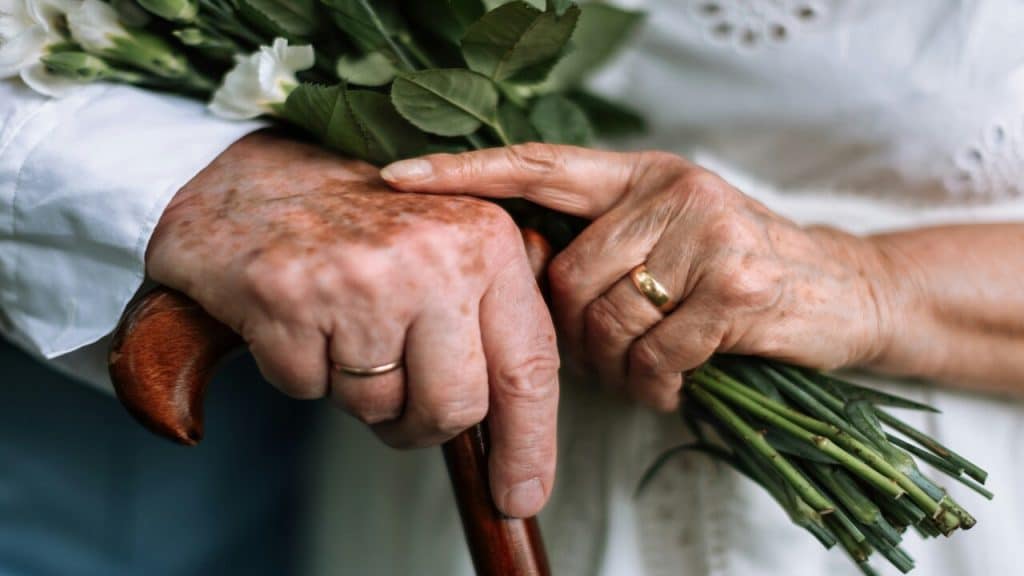
Freedom ensures that love remains a choice, not a trap. When both people know they’re free to walk away but choose to stay, the relationship gains meaning. Autonomy transforms “I have to be here” into “I want to be here.” That choice, made daily, keeps love resilient and genuine.
18. Independence Creates a Healthier Balance of Power

Without autonomy, relationships can slide into unhealthy power dynamics where one person controls the other. Independence levels the playing field. When both partners have the freedom to make choices, it creates balance and equality. This prevents resentment, manipulation, or dependency from undermining the bond, ensuring the relationship remains strong and respectful.








Ask Me Anything