
Marriage has been depicted as a place of happiness, love, and togetherness. The reality, however, is that there is no relationship that does not go through good times as well as bad times. Even couples who seem ideal in the beginning can face moments that challenge their patience, love, and endurance. In many ways, one of the true strengths of marriage is facing these challenges together and growing stronger because of them. Nevertheless, it is important to understand what to expect, recognize the seasons when things may become difficult, and address them with care. These are some of the 15 phases that most couples go through.
The Newlywed Reality Check

Newlywed life can make life seem exciting and obscure daily life to some extent. When two separate lives suddenly converge, the lack of similarity in lifestyle, routine, and anticipation may create conflict. The disagreements can be about even such trivial things as leaving dishes in a sink or the way a home is going to be decorated.
The key is to speak openly and frankly, be patient with each other, and work toward compromises that respect both partners’ needs.
Financial Stress
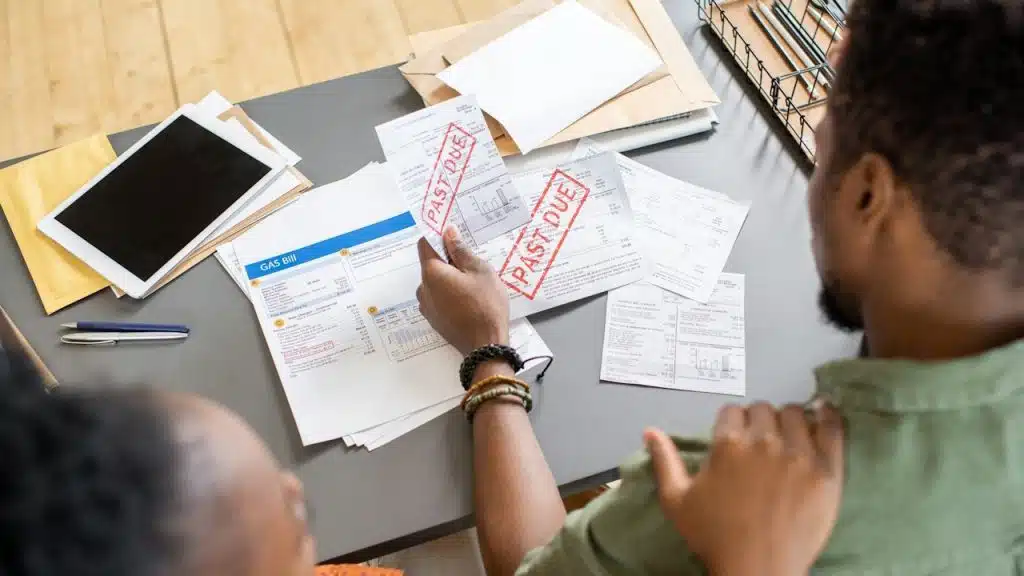
Money is one of the most important matters in a relationship. Couples can have debts, unexpected expenses, or irregularities in spending habits. Financial stress can be debilitating, aggravating, and unnerving. The trick is to communicate freely and have a common budget management strategy.
Career Pressures

The relationship may end up being neglected when the partners are engaged in stressful jobs or career changes. Time spent together may be compromised by workplace stress, long hours, or commuting. It is natural to experience feeling disconnected or underappreciated in this season, and one has to put in effort to be connected.
Health Challenges

Whether the health issue at hand is a long-term condition, an acute injury, or a mental health crisis, health issues can be difficult to tolerate or understand. In case one is attending to a partner who is in pain or attending to oneself, the dynamics will vary and relationships will be strained. At this point, encouragement, empathy, and sympathy are critical.
Parenthood Adjustments

A man and woman sitting on a couch holding a baby.
A child’s birth can bring a lot of joy, but it comes with nightless days, being responsible, and having less time to be with one another. Order, habits, and priorities are the styles of parenting that do not necessarily go together, and couples start to fight about them. One should not forget that a partner is also a part of parenting.
Identity shifts

With time, people develop and evolve. Interests, priorities, and personal goals may change. It can be disconcerting to have the impression that your partner is not the same person that you married. It is important to remain interested in one another and work on personal development as well as the collective development.
Emotional Distance

Couples may lose touch emotionally, particularly when communication is superficial. It can result in resentment as a person feels he is not listened to or valued. To fill the gaps, candid communication, listening, and expression of love in a way that will be welcomed by your spouse will help.
Family Conflicts
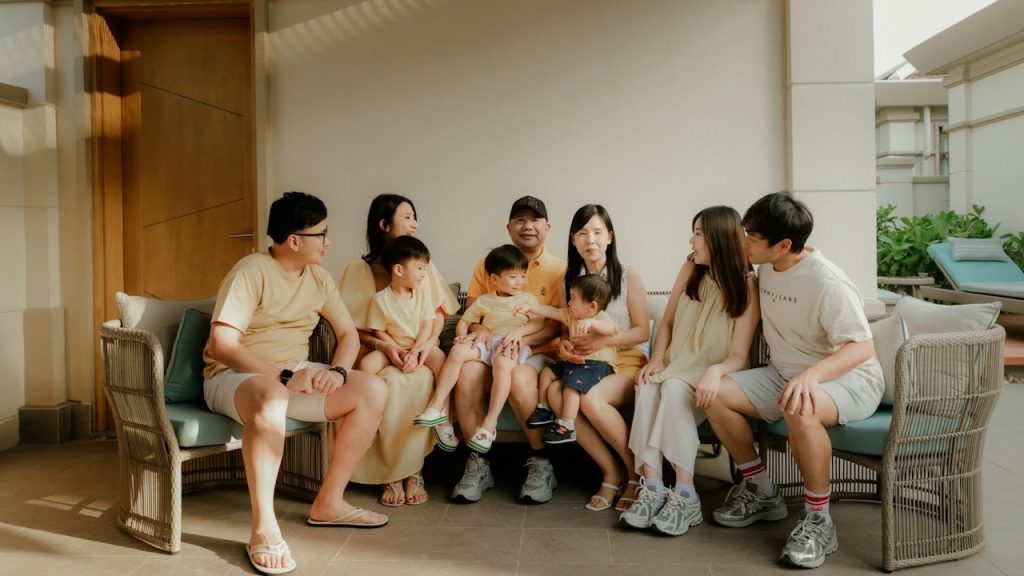
Extended family and in-laws may be the stressing factor. Tensions may arise due to differences in values, expectations, or interference. Couples have to face the challenge of living with each other loyally and, at the same time, having good relations with the family members. The key is to set boundaries, communicate openly, and support each other while maintaining respect for family members.
Life Transitions

Such radical life shifts as a change of city/town, change of occupation, or going back to school can destabilize accustomed routines and stability. The stress can be prevented and turned into a conflict by becoming accustomed to each other and discussing the issues of emotions, priorities, and concerns without any restraint.
Midlife Challenges

In the midlife period, the couples may experience doubts regarding purpose and fulfillment, and regrets can emerge. One of the partners might be in a state of restlessness or dissatisfaction that will be transferred into the marriage. This is a season for compassion, mutual contemplation, and even professional counseling to go through.
Loss and Grief

The loss of a loved one, whether it is a member of family, a friend, or even a pet, can be a very torturous experience. Grief does not strike everyone equally, and couples may just require time and space to recover.
Helping one another in the grieving process makes their relationship even stronger in a crisis.
Trust issue

Any marriage is built on trust, and any minor or major breaches of the same can cause any marriage to tremble. In this season, there is a need to communicate truthfully, forgive, and restore trust in one another to overcome the mistakes, secrets, or misunderstandings.
Intimacy Fluctuations

Physical and emotional intimacy are bound to change with time. Desire or connection can be diminished by stress, fatigue, or body changes. It is essential to find alternatives to being close to each other, prioritize each other, and keep romance alive so as to enjoy long-term satisfaction.
Personal Breakdowns or Disillusionment

Personal failures, like failure in careers or unmet ambitions, may have a repercussion on the marriage. Partners can be guilty, frustrated, or discouraged. Bringing each other up, celebrating, and emotional support get one through these bad times.
Boredom or Routine Fatigue

Prolonged relationships may descend into routines that are monotonous. Although routine is good, it can also be a source of boredom or even stagnation. The ability to share either new experiences or common interests, or even to add some excitement to everyday life, can help restore that excitement.
Final Thoughts

Marriage is not a destination but a journey. Couples can handle problems better if they know that the low seasons are normal, unavoidable, and even necessary. It can be a monetary crisis, difficulties with parenting, or a change of perspective in personal development, and such moments provide opportunities to learn, change, and develop collectively. The trick is in the point of view, patience, and deliberateness. Love does not just entail sharing the good times, but it also involves being by each other during rough times. Through the knowledge of the usual seasons in marriage and how to ready themselves against the storms, couples will be able to sail through the storms, enjoy the calm times, and end up creating a lifetime partnership.








Ask Me Anything