
Not all foods marketed as healthy actually deliver on their promise. Many men trying to eat clean or bulk up often fall into the trap of buying into buzzwords like “low-fat,” “protein-packed,” or “natural”, without checking what’s really inside. This article breaks down common everyday foods that seem healthy but are hiding unwanted sugars, fats, or empty calories. Some may surprise even the most nutrition-conscious guys. Here’s what to watch out for before your next grocery run.
Flavored Yogurt: More Sugar Than a Dessert
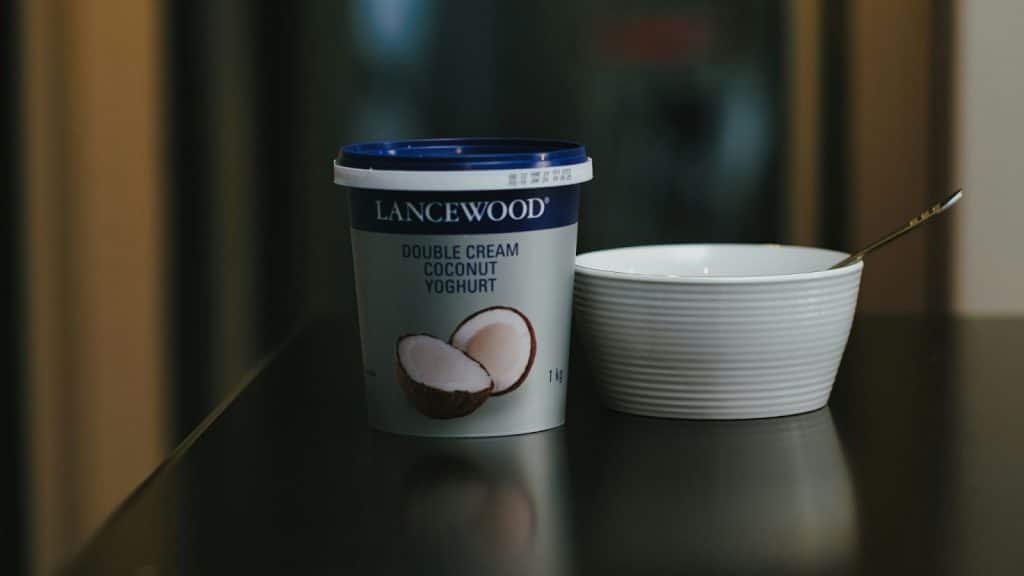
Flavored yogurts might sound like a balanced snack, but many are loaded with sugar and artificial flavors. Some contain as much sugar as a candy bar, especially fruit-on-the-bottom varieties. Even the ones labeled “low-fat” tend to compensate with extra sweeteners. Greek yogurt is a better alternative, unsweetened and rich in protein. Always check the nutrition label, not the marketing on the front.
Granola Bars: Snack or Candy Bar in Disguise?
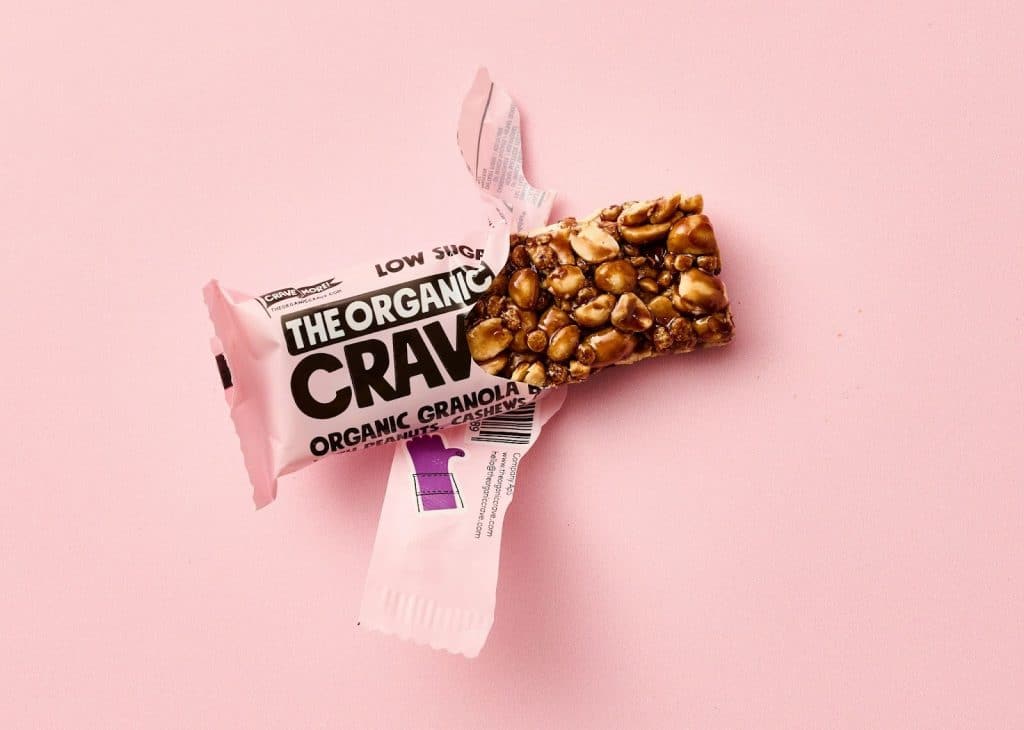
Granola bars are often marketed as energy boosters, perfect for active lifestyles. But most versions are packed with corn syrup, added sugars, and preservatives. Unless you’re picking a low-sugar, whole-ingredient bar, you’re basically eating a candy bar with oats. They’re portable, sure, but not always clean fuel for the body.
Store-Bought Smoothies: Liquid Sugar Bombs

Those pre-bottled smoothies in the refrigerated section seem like a fast health win. But many contain concentrated fruit juices, added sugar, and even stabilizers that make them more sugary than refreshing. Real health benefits come from DIY smoothies made with fresh greens, berries, and unsweetened bases. Pre-made options often spike blood sugar instead of boosting wellness.
Veggie Chips: Still Just Chips
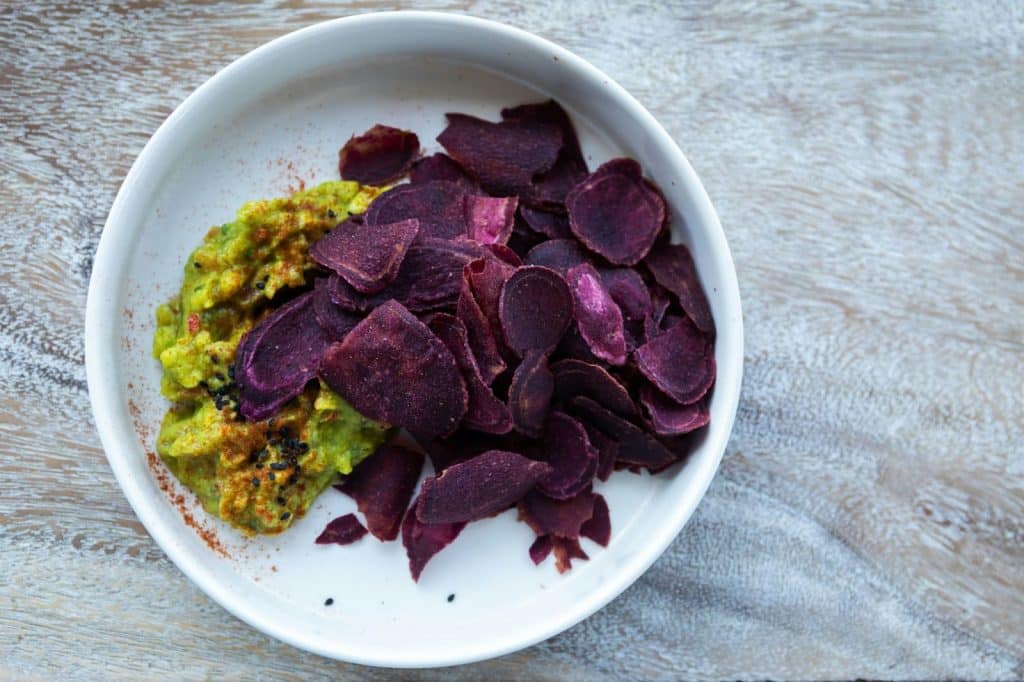
Swapping potato chips for veggie chips feels like an upgrade, but don’t be fooled. Most are fried in the same oils and loaded with sodium. The “veggie” angle is mostly about marketing, not nutrition. Unless they’re baked, air-dried, and made from whole vegetables with minimal ingredients, they offer little more than the illusion of health.
Protein Cookies: The Fitness Trap

Protein-packed cookies may seem like the perfect guilt-free treat after a workout. But many of them pack more calories, fat, and sugar than a regular cookie. The protein content is often minimal compared to the total nutritional cost. If it tastes like dessert, it likely has the nutritional profile of one, protein or not.
Trail Mix: A Calorie Bomb in a Bag
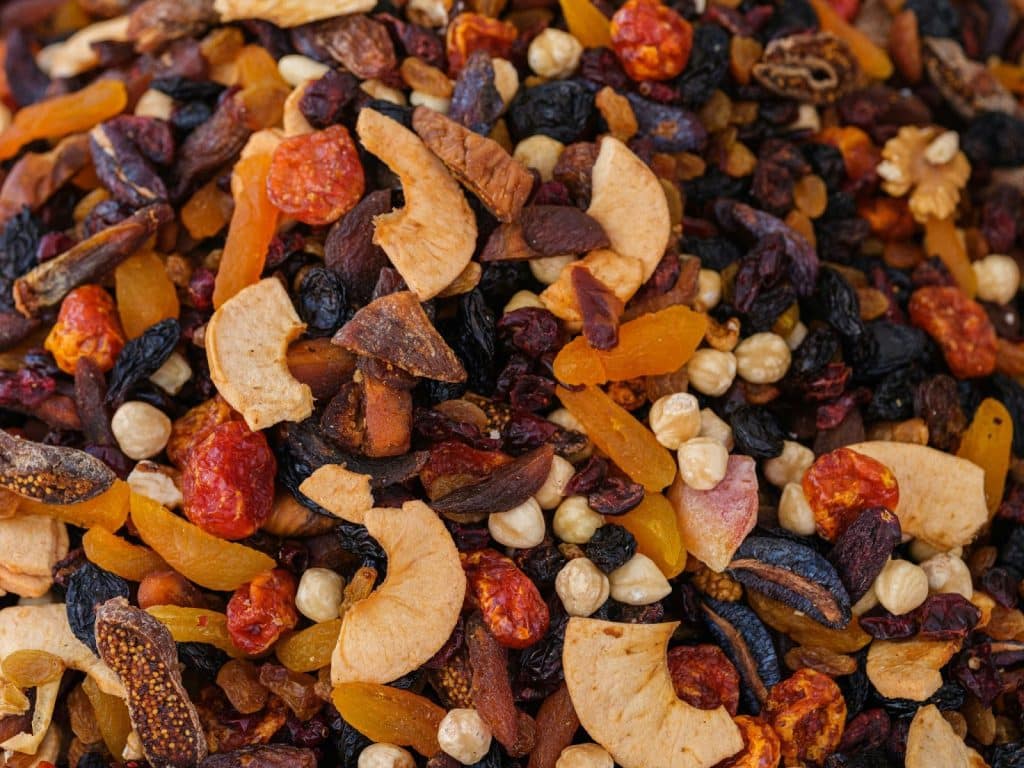
Nuts and dried fruits can be healthy in moderation, but trail mix often includes chocolate, sweetened fruit, and yogurt-covered extras. The serving sizes are tiny, yet the calories add up fast. Eating it by the handful turns it into a sneaky source of excess sugar and fat. It’s better as a small topping, not a snack bowl.
Whole Wheat Bread: Not Always Whole Truth

Whole wheat sounds healthy, but many commercial breads contain refined flours, added sugar, and preservatives. Some barely meet the threshold to be called “whole wheat” at all. If you’re trying to fuel your body with complex carbs, look for 100% whole grain as the first ingredient, and avoid breads with long ingredient lists.
Agave Syrup: The Misunderstood Sweetener

Agave syrup is often promoted as a natural sugar alternative. While it has a low glycemic index, it’s extremely high in fructose, more than high-fructose corn syrup. That means it can strain your liver and contribute to fat storage if consumed regularly. Just because it’s plant-based doesn’t mean it’s harmless.
Diet Soda: Zero Calories, But Not Zero Consequences
Diet sodas may have no sugar, but the artificial sweeteners inside can still mess with appetite signals, gut health, and cravings. Some studies link regular consumption to increased belly fat and metabolic issues. Reaching for a fizzy drink? Sparkling water with lemon is a better long-term move.
Deli Turkey: Lean, But Laced with Additives

Turkey is lean, right? Yes, but deli-style turkey often contains sodium, preservatives, and even sugar. Some slices are soaked in brine to extend shelf life and boost taste. That turns your “healthy sandwich” into a processed food trap. Go for freshly cooked or roasted turkey when possible.
Gluten-Free Packaged Foods: Healthy for Who?
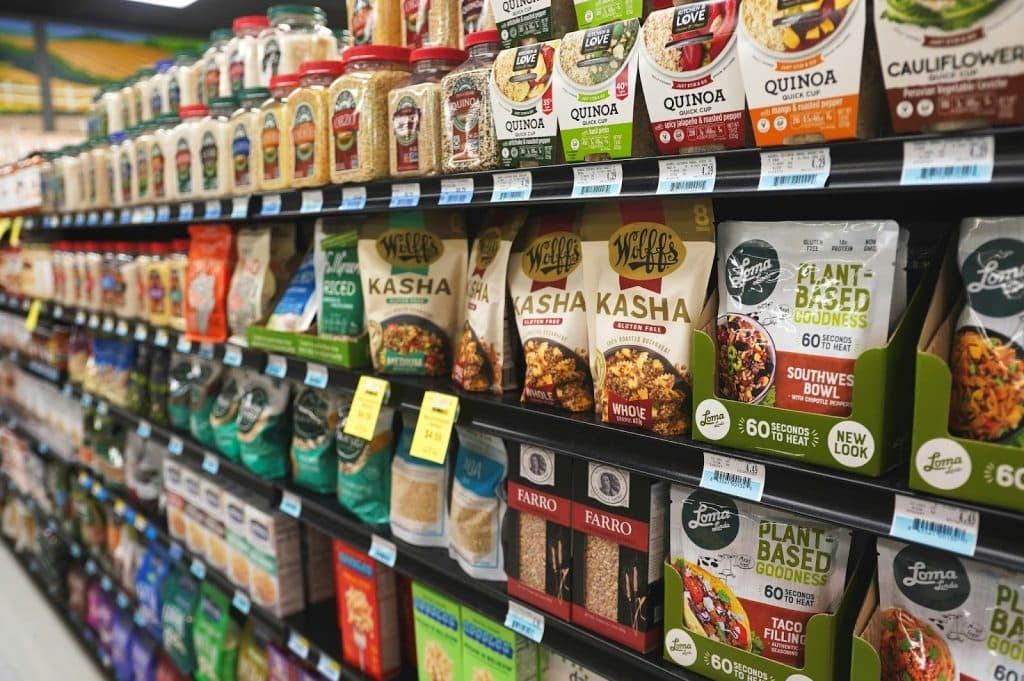
Unless you have celiac disease or a gluten sensitivity, gluten-free doesn’t automatically mean healthier. Many gluten-free snacks and breads use refined starches, added sugars, and emulsifiers to mimic texture. In many cases, they’re more processed than their gluten-containing counterparts.
Wraps and Spinach Tortillas: Not Always the Better Bread
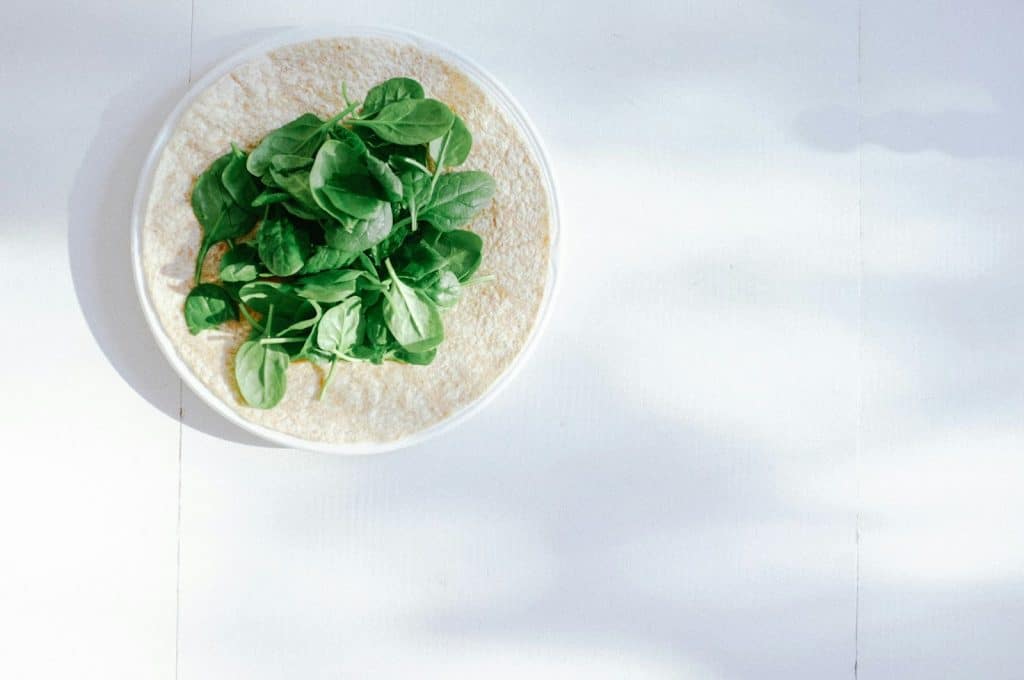
Wraps are often seen as a lighter alternative to sandwiches, but many are just oversized tortillas with refined flour, oils, and preservatives. Even those labeled “spinach” or “tomato” usually contain just trace amounts of vegetables. They can pack just as many calories, and sometimes more, than sliced bread.
The Pattern: Health by Label, Not by Content
These foods share one thing in common: they’re often perceived as healthy because of how they’re labeled or marketed. Men trying to make smart choices can get blindsided by clever packaging. The fix? Read ingredients, understand portion sizes, and aim for whole, unprocessed options whenever possible. Good health comes from clarity, not branding.
Final Thought: Real Health Is Built on Real Choices

Health doesn’t live in trendy packaging or vague nutrition claims. What seems “healthy” on the surface often comes down to marketing, not substance. Being aware of what’s in your food helps you fuel better, feel better, and dodge the traps. The strongest choices are the informed ones, and they start at the grocery aisle.








Ask Me Anything