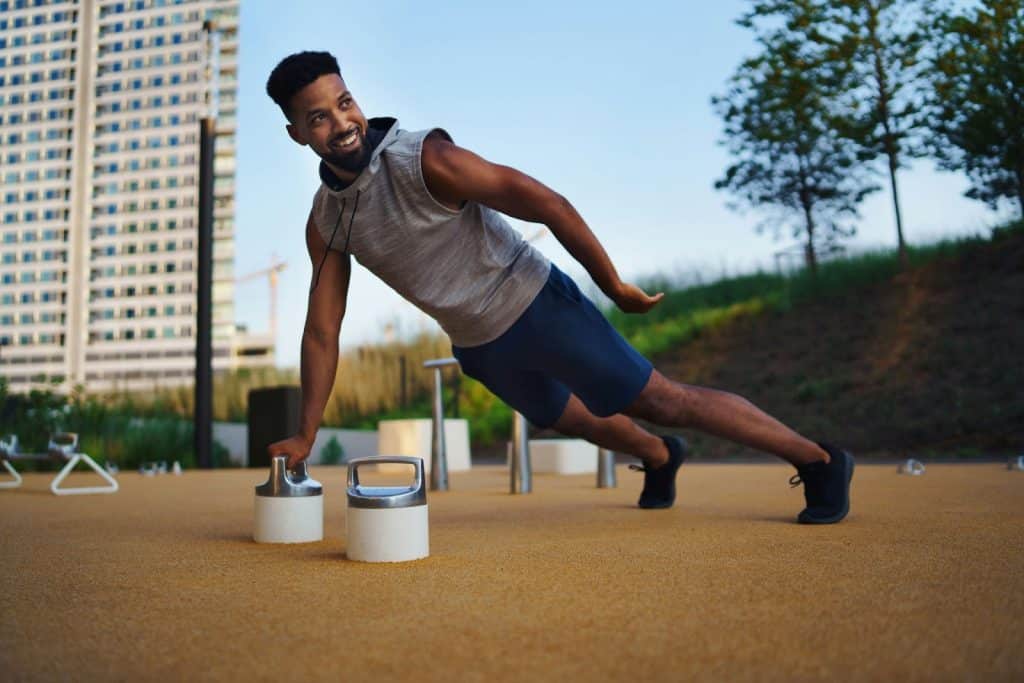
Turning 40 doesn’t mean slowing down, it means training smarter. The body changes with age, but that doesn’t have to mean losing strength, endurance, or mobility. The key is consistency, recovery, and habits that support long-term health. These are fitness approaches that have stood the test of time, backed by real results rather than quick fixes. Here are 20 habits that actually work for men over 40 and help keep energy, performance, and health at their peak.
Prioritize Compound Lifts
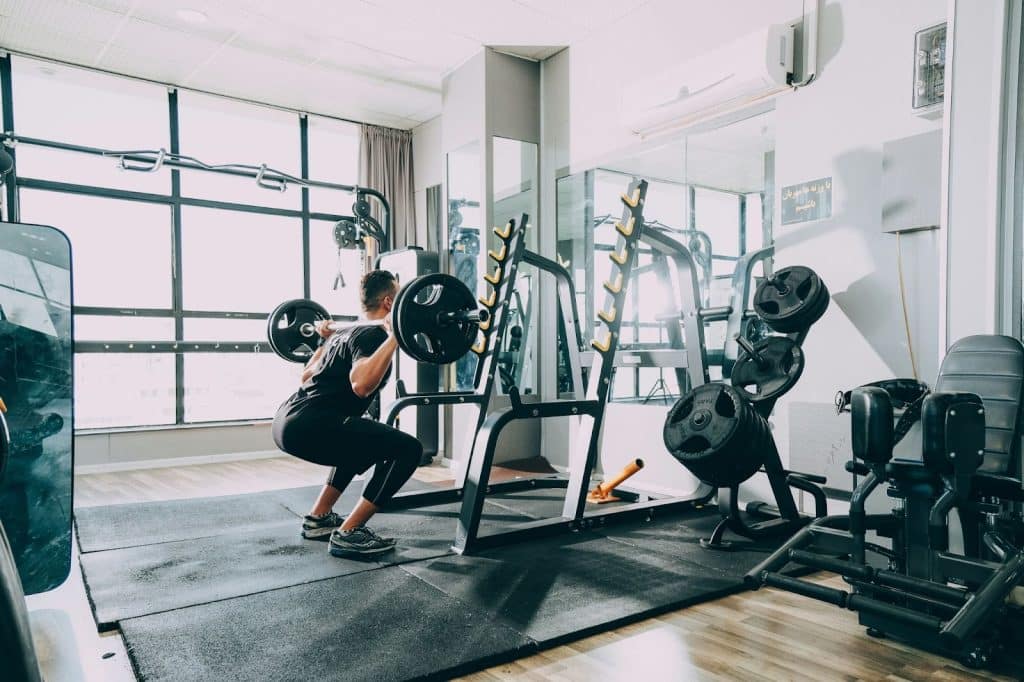
Movements like squats, deadlifts, and bench presses work multiple muscle groups at once, building balanced strength efficiently. For men over 40, these lifts maintain muscle mass and bone density while improving functional strength for daily life. Proper form is key to avoiding injury, so technique should come before adding weight. Two to three compound sessions a week can keep strength progressing steadily. It’s about training smart, not just training heavy.
Add Functional Training

Functional exercises mimic everyday movements, making the body more capable in real-world situations. Kettlebell swings, farmer’s carries, and step-ups are great examples. They improve coordination, balance, and core stability, all vital as the years go on. This style of training reduces injury risk and keeps you moving with confidence. It’s not just about looking fit, but being fit for life.
Use Resistance Bands
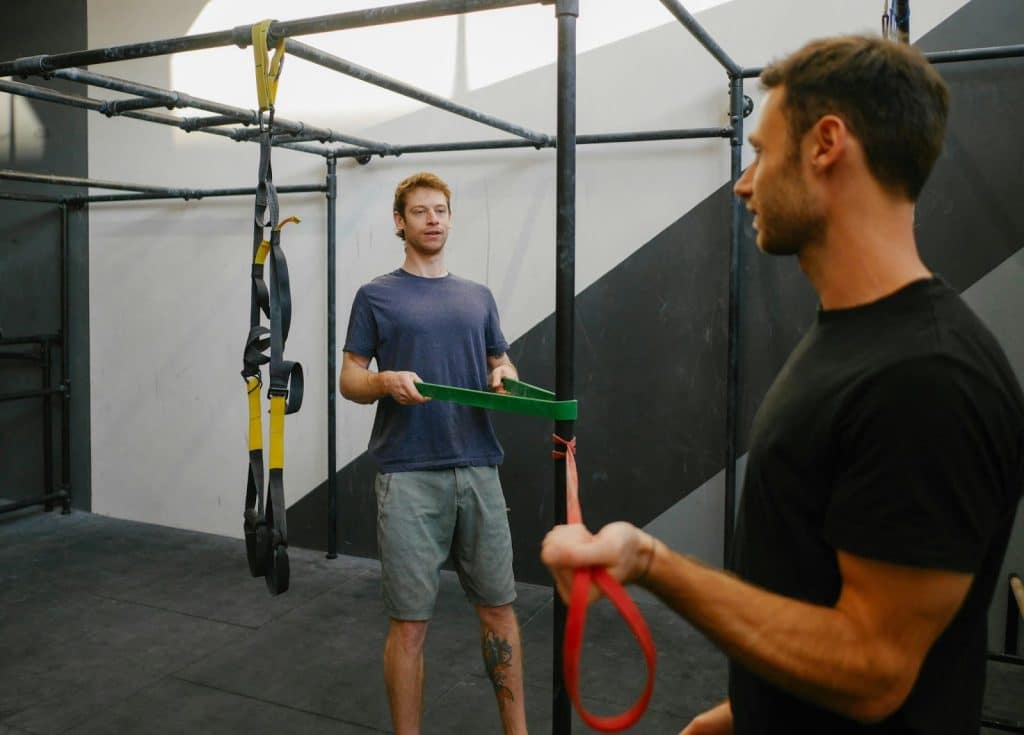
Resistance bands offer joint-friendly strength training without the strain of heavy weights. They’re perfect for maintaining muscle and flexibility, especially when recovering from past injuries. Bands also allow a greater range of motion, helping with mobility. They can be used at home, in the gym, or while traveling. Versatility makes them a powerful tool for consistent training.
Don’t Skip Leg Day

Strong legs support everything, from posture to athletic performance. Exercises like lunges, leg presses, and step-ups keep lower body muscles strong and functional. Strong quads, hamstrings, and glutes also protect the knees and hips from strain. For men over 40, lower body strength directly impacts balance and agility. Training legs consistently helps maintain power well into later years.
Mix Steady-State and Interval Cardio

Cardio is essential for heart health, but variety matters. Steady-state workouts build endurance, while interval training boosts cardiovascular efficiency and burns calories faster. Combining both keeps the heart strong without excessive wear on joints. Even just 20–30 minutes, 3–4 times a week, can make a big difference. The goal is sustainable cardio, not burnout.
Train Outdoors When Possible

Outdoor workouts offer fresh air, sunlight, and mental health benefits that the gym can’t always match. Hiking, cycling, and swimming engage the body in different ways while boosting mood. Natural terrain can challenge balance and coordination more than flat gym floors. Exposure to sunlight also supports vitamin D levels, which are important for bone health. Variety keeps training fresh and motivating.
Focus on Core Strength Daily

A strong core supports better posture, reduces back pain, and improves performance in nearly every activity. Planks, bird-dogs, and stability ball exercises work deeper muscles than traditional crunches. Core training doesn’t need to be long, even 10 minutes a day is effective. Strong core muscles are vital for preventing injuries during other workouts. This is a habit that compounds benefits over time.
Embrace Active Recovery Days

Recovery doesn’t mean doing nothing, it means moving with purpose at a lower intensity. Activities like walking, light yoga, or stretching help circulation and muscle repair. They keep the body loose while preventing stiffness. For men over 40, recovery days are as important as training days. Rest builds strength; overtraining breaks it down.
Stretch Daily

Flexibility tends to decline with age, making daily stretching vital. A mix of dynamic stretches before workouts and static stretches afterward keeps muscles and joints healthy. Stretching improves range of motion, reduces soreness, and lowers injury risk. It can be done in as little as 5–10 minutes a day. Consistency is the secret to lasting mobility gains.
Use a Foam Roller
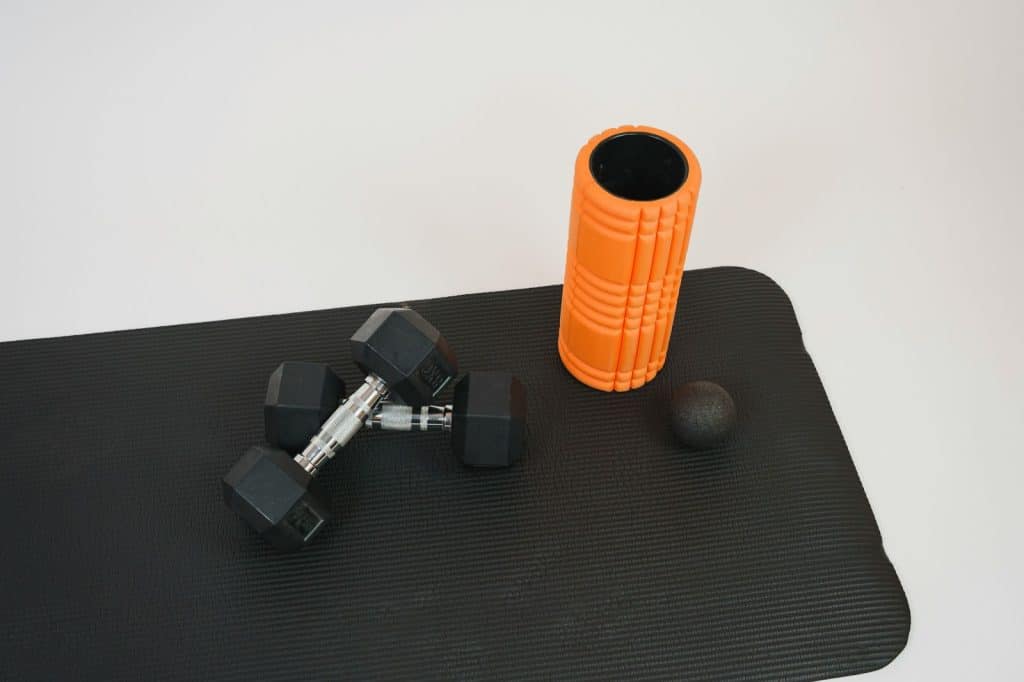
Foam rolling helps break up muscle tightness and improve blood flow. It’s like giving your muscles a quick massage after a workout. Rolling major muscle groups can speed recovery and improve flexibility. Just a few minutes after training can make the next workout feel smoother. For men over 40, it’s a small investment with big mobility returns.
Prioritize Sleep for Recovery

Muscle repair and hormone balance happen during deep sleep. Skimping on rest slows progress and increases injury risk. Aim for 7–9 hours a night to keep training results on track. Consistent sleep improves strength, focus, and mood. No supplement can replace the benefits of quality rest.
Eat Protein with Every Meal

Protein is crucial for preserving muscle mass, especially as testosterone levels naturally decline with age. Lean meats, fish, eggs, beans, and Greek yogurt are excellent sources. Spreading intake across the day maximizes muscle repair. For men over 40, aiming for around 20–30 grams per meal is a good target. Recovery starts in the kitchen.
Stay Hydrated Throughout the Day

Dehydration impacts performance, recovery, and even joint health. Water supports nutrient transport, muscle function, and temperature regulation. Carrying a reusable bottle makes it easier to stay consistent. Men over 40 should pay attention to hydration even more, as thirst signals can weaken with age. A simple habit that pays off in every workout.
Limit Processed Sugar
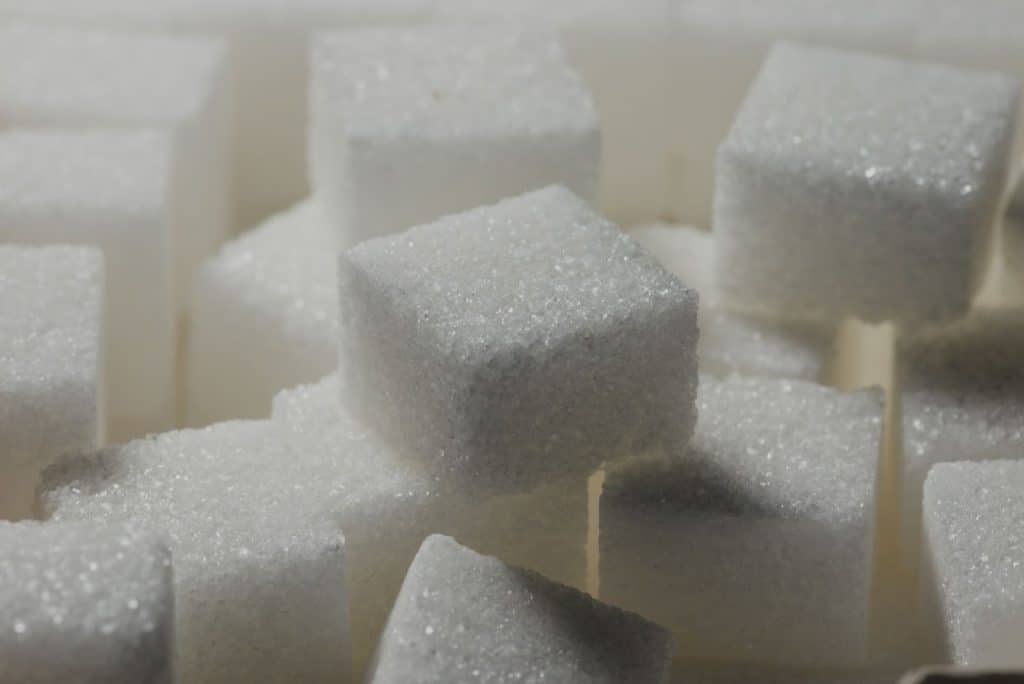
Sugar spikes energy briefly but causes crashes that affect performance and recovery. Over time, excess sugar also impacts weight, heart health, and insulin sensitivity. Choosing whole foods over processed snacks helps keep energy stable. Small swaps, like fruit instead of candy, make a big difference. A steady diet supports steady training.
Time Carbs Around Workouts

Carbohydrates fuel workouts and help replenish energy stores afterward. Eating most carbs before and after exercise maximizes performance and recovery. Whole-grain sources like oats, quinoa, and brown rice are best. This approach keeps energy stable throughout the day. It’s about timing, not cutting carbs entirely.
Manage Stress Proactively

Stress impacts recovery, sleep, and even muscle retention. Practices like meditation, deep breathing, or simple walks help manage cortisol levels. Lower stress means better hormone balance and energy for workouts. Fitness isn’t just physical, it’s mental resilience too. For men over 40, stress management is as important as strength training.
Track Progress Without Obsession

Monitoring workouts, weights, and measurements helps keep motivation high. But progress should be seen over months, not days. Tracking allows for smarter adjustments without falling into perfectionism. The focus is long-term consistency, not overnight transformation. Fitness over 40 is a marathon, not a sprint.
Train with a Purpose

Every workout should have a goal, whether it’s building strength, improving flexibility, or boosting endurance. Random training leads to random results. Purpose-driven sessions maximize time and energy. For busy men over 40, efficiency matters as much as effort. Focused workouts deliver the best returns.
Make It Enjoyable
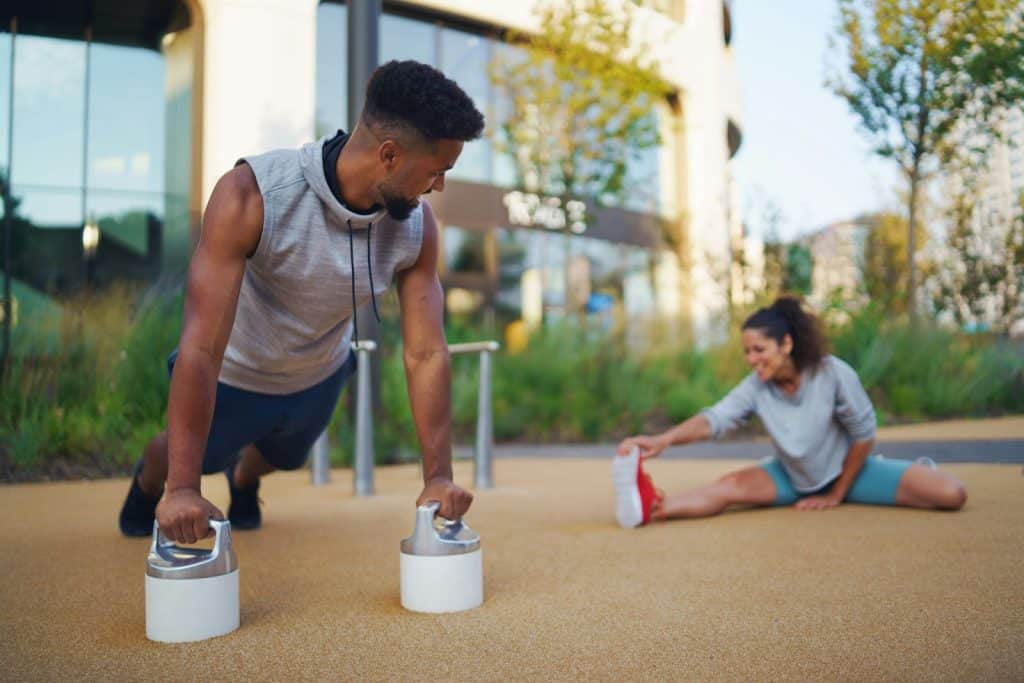
The best routine is the one you’ll actually stick to. Choose activities that feel rewarding, whether it’s lifting, cycling, swimming, or hiking. Enjoyment increases consistency, which is the true key to long-term fitness. Fitness after 40 should feel like a lifestyle, not a chore. The right habit is the one you look forward to doing.
Conclusion

Fitness after 40 isn’t about chasing youth, it’s about building strength, health, and energy for the years ahead. With the right habits, it’s possible to stay fit, mobile, and resilient well into later decades. The key is balancing challenge with recovery, fueling the body properly, and finding enjoyment in movement. Consistency beats extremes every time. Start with one habit, make it stick, then build from there, the results will follow.








Ask Me Anything