
You’re not a 22-year-old splitting fries and hoping your debit card doesn’t decline. You’re older, wiser, and way more aware that the wrong move, especially around paying, can flip the whole vibe.
Modern dating is confusing: some women love chivalry, some want equality, and some say they don’t care even though they do. And if you think there are universal rules, there aren’t. But there are patterns, expectations, and smart moves that make you look confident instead of clueless.
You Pay for the First Date
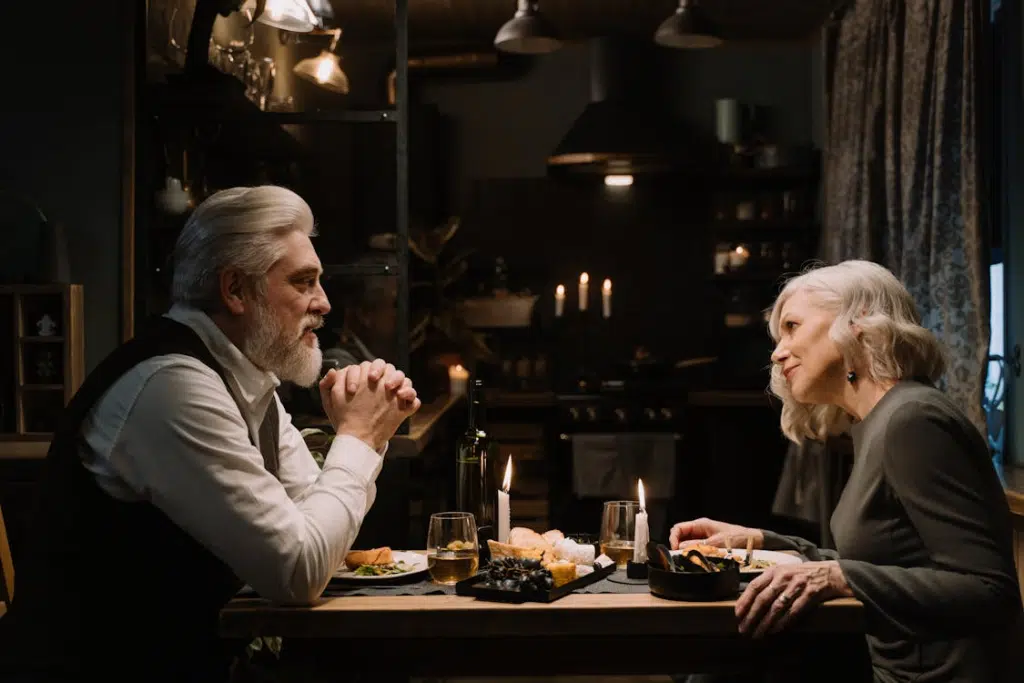
On the first date, the simplest move is paying. It sets the tone as confident, intentional, and masculine. Even if she offers, it’s usually a soft test of politeness, not an actual expectation. A 2023 survey found that most women still expect men to pay on the first date, even if they identify as “progressive.” Paying makes you decisive. It’s leading the moment.
If You Choose the Place, You Take the Bill

If you picked the restaurant, you’re the host. You set the vibe, the price range, and the pace. Paying shows you understood the assignment. Women associate decisiveness with emotional maturity, especially in men past 35. If she suggests splitting after you choose the place, simply insist to pay.
If She Strongly Insists on Paying, Let Her (Once)

Some women genuinely want to pay because they value fairness. Others want to show they’re independent. When she insists with real energy, let her. This shows you’re not controlling and that you respect her autonomy. A study from Indiana University (2015) notes that women feel more comfortable when men don’t override their financial decisions. Just don’t let it become a pattern too early.
The “Fake Wallet Reach” Is Not an Invitation to Split

She reaches into her bag, looks at the bill, waits a beat. This is usually politeness, not a real offer. Don’t overanalyze it. Don’t freeze. Don’t pull out a calculator. Just say, “I got this one.” Being decisive keeps the energy warm, not awkward. Women appreciate men who don’t make simple moments complicated.
Date Two Is the “Energy Check” Date

The second date is reading the chemistry. If things were fun and flirty on date one, paying again reinforces that you genuinely enjoy her. If date one was “meh,” paying again still makes you look consistent. But date two is also typically when she’ll offer in a more real way if she’s actually considerate. See how she moves. Her energy tells you more than her words.
If She Offers to Split on Date Two, Let Her Decide

This is the date when her offer actually matters. If she says, “Let’s split,” don’t shut it down immediately. Instead, say, “If you want to, cool. But I’m happy to cover.” This gives her a choice without making her feel indebted. Older women, especially in their 40s and 50s, appreciate men who respect their financial independence.
Don’t Use Paying as a Flex

Paying should feel natural, not like you’re dropping hints about your bank account. Flexing reads insecure. Women sense it fast. A University of Kansas study (2021) found that women were turned off by men who use money as leverage early in dating. Be generous, not flashy.
Never Make a Joke About the Price of Anything

“Wow, that steak is $48?” Don’t say it. Money jokes create weirdness, especially early on. Even if you mean it lightly, women interpret it as a sign you’re stressed or keeping score. Stay cool. If the bill surprises you, that’s a future-you problem, not a date-night problem.
Don’t Let the Date Become a Transaction

If the vibe feels like “I pay, therefore something should happen,” you’ve already lost. Paying is leadership. Women in their 30s–50s are hypersensitive to transactional behavior because they’ve already lived through enough of it. Focus on connection.
The Third Date Is the “Real Partner Energy” Test

By date three, the dynamic is shifting. Now you’re checking compatibility. If she offers to pay here, it’s usually genuine. Most long-term couples eventually develop a rhythm. Sometimes he pays more, sometimes she does. Date three is when those patterns start forming naturally. See how she participates, not what she says.
You Can Suggest Splitting on Date Three

Don’t suggest splitting earlier than this. But on date three, it’s okay to test the waters. Keep it light: “Wanna split this one?” If she’s into you, she’ll usually say yes or suggest paying the tip. If she rejects the idea hard, she may be expecting old-school norms. Nothing wrong with that. Just know the dynamic.
If She Never Offers by Date Three, Pay Attention

This is a subtle red flag. You’re not looking for her to pay. You’re looking for her to acknowledge the gesture. If she never offers, never reaches, never thanks you, and never shows gratitude, she’s likely expecting you to finance the connection. Not a dealbreaker, but definitely something to watch.
If She Insists on Paying the Entire Third Date, Let Her Win

Some women use date three to show they’re all-in. If she takes the whole bill, don’t arm-wrestle her for it. Say, “I appreciate that,” and let it flow. This move signals investment, not control. Women don’t do this for men they don’t like.
Don’t Do Mental Accounting
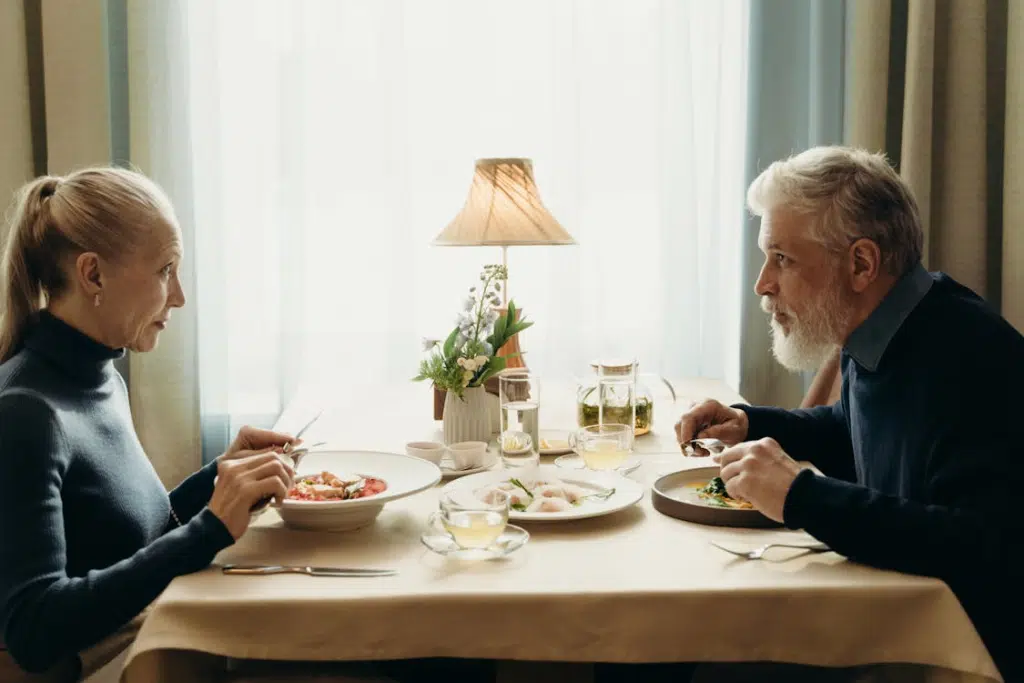
If you start tracking who paid what, you’re treating dating like a spreadsheet. Women pick up on it immediately. This kills romance faster than any bad joke. Just flow with the moment. If a relationship forms, the finances will naturally balance out.
Tip Like a Grown Man
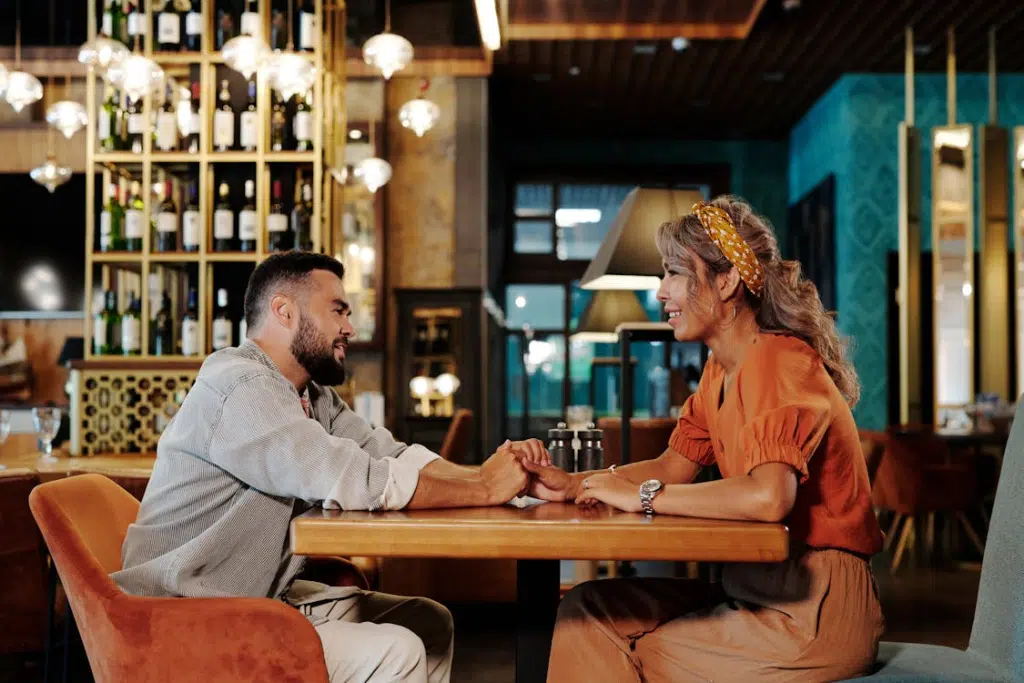
Never cheap out on tipping. Your tip is for the way she perceives your generosity. A Cornell University hospitality study (2019) points out that tipping behavior signals empathy and social awareness. Tip cleanly, confidently, and without hesitation. It makes you look mature.
Don’t Let Your Wallet Drive Your Confidence

A confident man isn’t scared of the bill. A financially smart man doesn’t pretend to be rich. Your confidence shouldn’t rise or fall depending on meal prices. Women in their 30s–50s want emotional stability, not financial performance art. Lead with presence, not numbers.
End Every Date with Clarity (Paid or Not)

After the bill is settled, shift the energy back to connection. Say something like, “I had a good time tonight,” or “Let’s do this again.” The bill shouldn’t be the last thing on her mind. You should be. You’re not competing with the check. You’re shaping the memory.








Ask Me Anything