
The mere fact that the current and future generations, compared to the past, have more access to relationship content yet satisfaction in relationships is not a parallel trend is something that deserves our attention. Presently, people are more knowledgeable about attachment theory, love languages, red, and green flags than any time in the past. Surprisingly, they are also reporting increased bewilderment, dissatisfaction, and challenges in maintaining genuine connections, unlike the generations who were not even familiar with these terms. There is a ripple effect between the indulgence in all this information and the experience of relationships, to which social media is directly contributing. Social media does not only show them unrealistic examples, but it does so incessantly, according to algorithms, and in a format mainly meant to convey that the unrealistic is the norm. The change of expectations does not occur immediately or dramatically, as the most significant changes usually happen gradually and subconsciously. By the time a person realizes it, their standards for relationships would have been heavily influenced by a source that profits from making real life seem inferior to its comparison.
It Has Raised The Performance Bar For Romance

Relationships have always encompassed a certain degree of wanting to reveal one’s best self to a partner. What social media has introduced is an extraneous audience and with such an audience, comes a performance pressure which has never existed in that form before. A person’s motivation to produce a relationship that looks good from the outside is stealthily beginning to compete with the other, very different and much more demanding work of actually building one which feels good on the inside.
It Has Shortened Emotional Patience
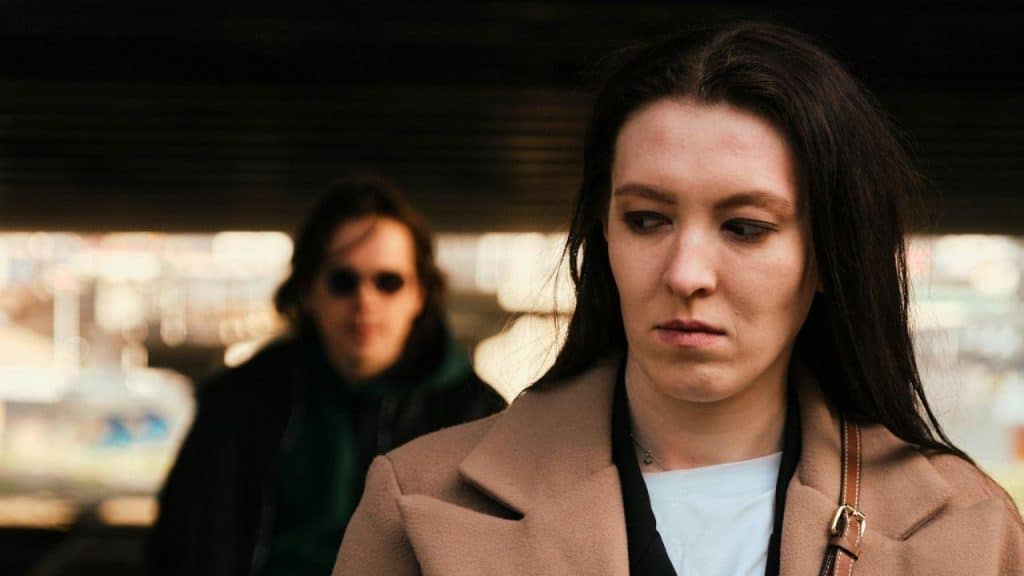
The perusal of content on social media progressively trains the brain to expect novelty and stimulation all the time with zero level of tolerance for anything that is slow or flat in a sense. That neurological conditioning does not only stay on the phone. It also migrates into how people experience the ordinary stretches of a real relationship. When periods that are neither exciting nor difficult, just the unremarkable texture of shared life, start to feel like a problem to be solved rather than a normal and necessary part of what long-term love actually looks like up close.
It Has Made Comparison Inescapable

It is not that social media only shows you relationships that are appearing perfect, almost like fairy tales, but the effect of such content is so powerful that it feels as if this is the standard. The human brain is not particularly well equipped to remember consistently enough that no one posts the argument that lasted three days or the week when everything felt dull and disconnected, that their feed is a permanent highlight reel, and so on.
It Has Created A Checklist Culture
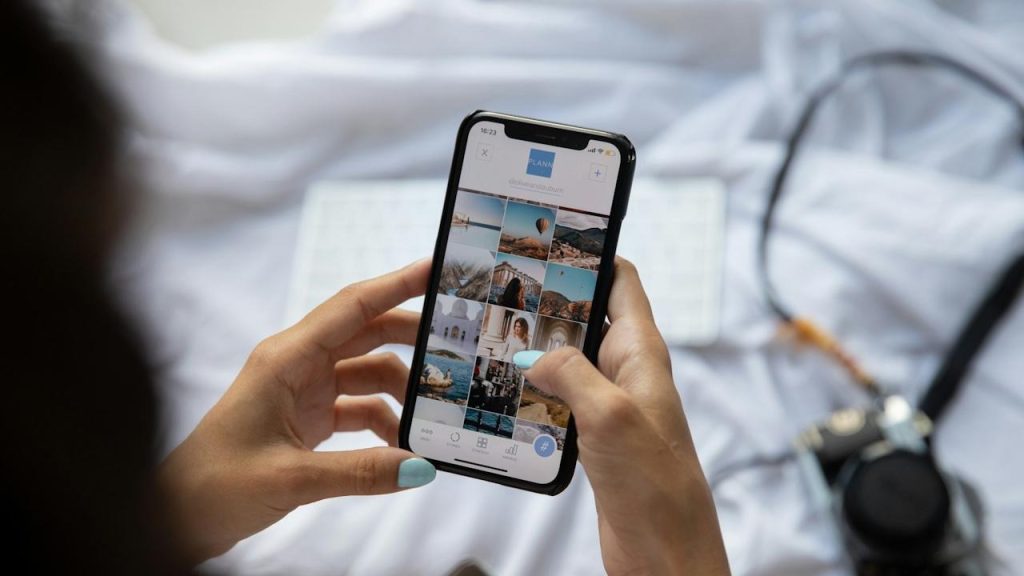
Green flags, red flags, icks, and non-negotiables are great tools to help someone identify the type of partner they want. However, they can also be very limiting because people are not just something that can be placed on a checklist of different colored flags. When we mentally run a checklist instead of being present with another person, we miss out on something crucial, which is how a connection actually forms.
It Has Normalized Hypervigilance In Relationships
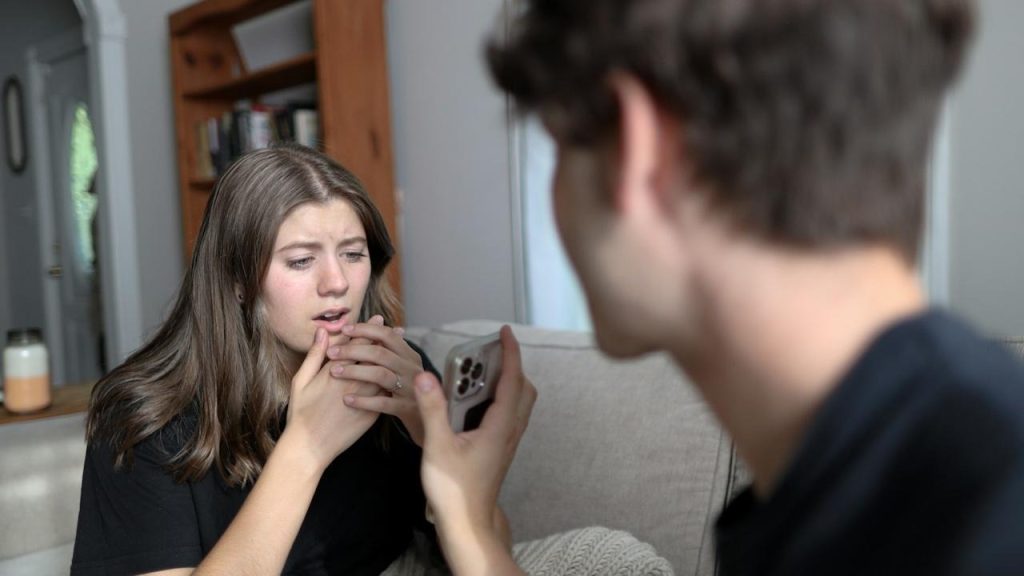
Constantly exposing different techniques of manipulation, narcissistic behavior, attachment avoidance, and immaturity at an emotional level has left so many people that they are still looking for pathology where in fact it is not present. That is why ordinary human imperfection is seen as a pattern that can be diagnosed. Emotional unavailability results from a partner who had a bad day. The need for space is interpreted as an avoidant attachment.
It Has Distorted What Consistency Looks Like

It is not typical that consistency is something spectacular or showy, especially when it comes to relationships. But social media likes highlighting the partner who shows up so dramatically and visibly that they generate content. Real consistency is about being there for the tough days without being asked. It is about keeping small promises. It is about being present in ways that do not equate to something shareable.
It Has Made Leaving Feel Easier Than Staying
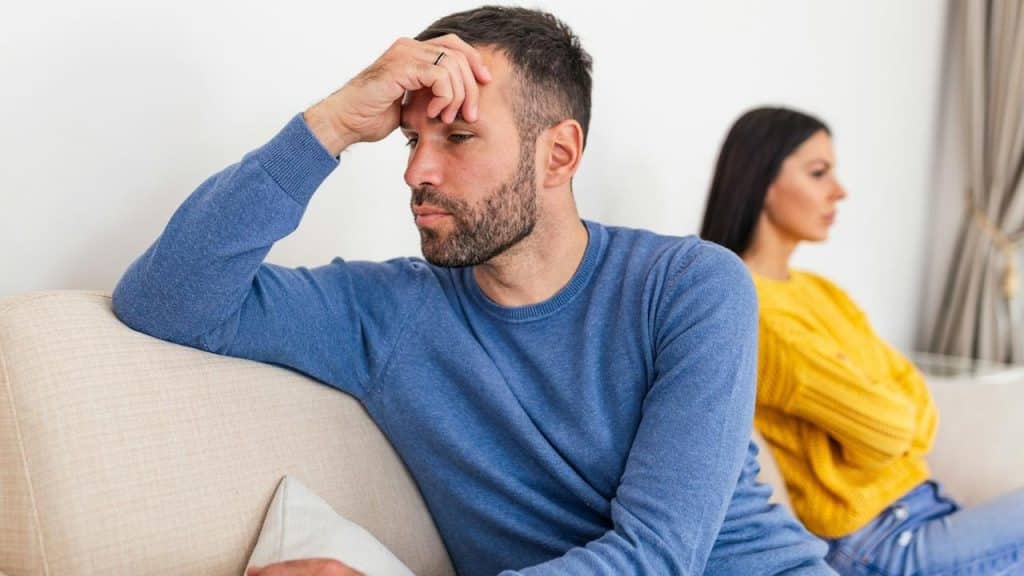
With social media and dating apps creating so many options for people to get new contacts that they have changed the cultural attitude towards commitment also in a way that it is hard to measure it but easy to feel it. When there is this idea that by one scroll the thing better can be found, the work of deciding to stay and work through the relationship with one person becomes less and less an option to continue. The tragedy of it is that the feature of disposability is something that previous generations did not have to deal with in the same way at all.
It Has Replaced Vulnerability With Aesthetics

The emotional openness version that performs well on social media is visually appealing, clean in its story, and emotionally satisfying. Real vulnerability, on the other hand, is messy, slow, and far less resolved than that. As people start modeling on the aesthetic version of emotional openness, they begin to perceive their actual vulnerability, which is none of these things, as insufficient or unappealing rather than simply real.
It Has Made Privacy Feel Like Secrecy

People often wonder what the absence of a relationship on social media means when they do not see it there, rather than understanding it as a choice. The belief that reality is always shared has made the choice not to share the one that is not only to be explained but also a reasonable default that is perfectly understandable.
It Has Redefined What Feeling Valued Looks Like

Aside from how a partner was treating you in private, being valued is now also measured by public acknowledgment. For many people, being posted, tagged, or claimed visibly in a shared digital space has become a significant indicator of where they stand in a relationship. However, this metric is solely external and is entirely gaming, and it tells very little about the actual occurrences between two persons when the phone is put down.
It Has Accelerated Relationship Timelines Unrealistically

We are expecting to reach important milestones very quickly simply because of social media’s portrayal of relationship stories in a short and sharable format. Real relationships do not follow the calendar of content. They progress according to the speed at which two specific individuals, with their particular histories and needs, can move. So, when that biological pace is compared with the fast-tracked timelines that tend to do well on social media, it might start to act as evidence that something is wrong, as opposed to just proof that something is real.
It Has Confused Intensity With Depth
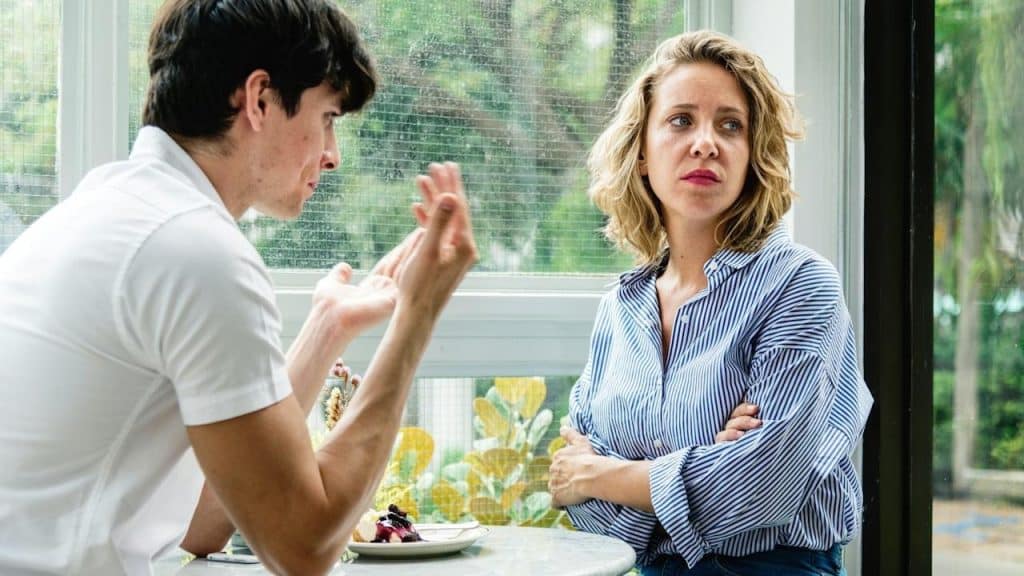
Content that elicits a strong emotional reaction tends to be amplified, and so does the relationship content. The consequence is that the most passionate forms of love, the most dramatic ones, the ones that are visually and emotionally heightened, are also the most visible ones. Actually, real depth in a relationship is a lot quieter than that. It is a slow process, and it usually does not result in content that stops a scroll.
It Has Eroded The Value Of Effort Over Time

Effort is what keeps a love relationship alive. But it is the kind of effort that sustains a relationship over years and does not really make a large impact in the physical world. That is the patience in a difficult season, staying there when distance would be easier, returning to the same hard conversation for the third time because it has not yet been resolved. Social media gives times to the visible and the immediate rather than the sustained and the private, which means the most valuable forms of relational effort are the ones that receive the least cultural reinforcement.
It Has Made Singleness A Brand And Relationships A Risk

A significant portion of the content, much of it intentionally, portrays independence and singleness as a good thing and views relationships as causing loss of self. The core message of maintaining identity within a relationship is a good one, but very often, the risk narrative of relationships is so strong that it adds to the culture of suspicion when it comes to commitment. Due to this, genuine partnership becomes more difficult to contemplate without feeling as if it is in some way a compromise of something important.
It Has Outsourced The Definition Of A Good Relationship
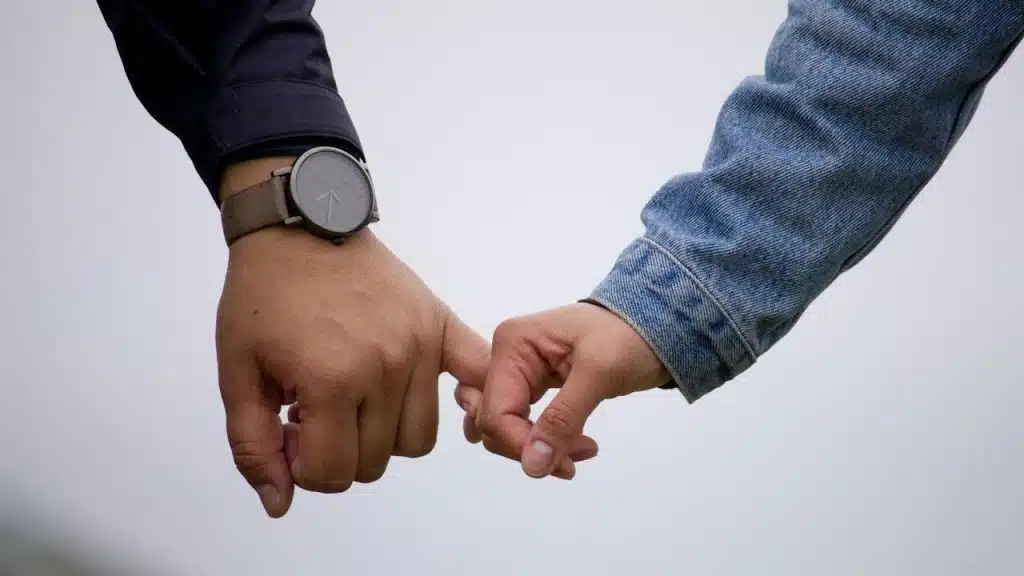
One of the major impacts of social media on relationship expectations goes beyond the content and even the communication level. It has been the gradual shifting of the source of that definition away from the relationship itself and towards the audience. It would almost never be the case that the two people inside a relationship have their feelings dictate the definition of a good relationship in the presence of a standard that is external and assembled by an algorithm that knows nothing and is not even invested in either person.
Final Thoughts

The phone should not be thrown into the river and give up on the present era in which relationships are simpler. This is something that the text above is not about. Others are arguing that even if one retains a relationship with the content that is changing, he or she has still to a great extent shaped one’s that, comparisons, and definitions of love. Relationship content is not neutral. It is curated by systems that are designed to maximize your engagement and your sense of insufficiency and the two of those things keep you scrolling. And that awareness into your consumption of relationship content might not make you completely resistant to it but it does give you the power to an extent regarding how much of your actual relationship you measure against a standard that was never designed with your happiness in mind. Usually, the best relationships are those that externally look the least convincing and internally feel the most real. That is the one thing that most efficient social media noise, comparison, and performance pressure cannot take away from a relationship. For now, at least, it might be the one most important ongoing act of care a relationship can do.








Ask Me Anything