
Making decisions in relationships can feel heavier than expected. It’s not just about choosing what feels right in the moment, but also worrying about what that choice might lead to later. This creates a kind of pressure that doesn’t always show on the surface. Even when something feels off or uncertain, the fear of choosing wrong can make people hesitate. It becomes easier to stay where things are than risk making a mistake. That’s where overthinking starts to take over. The decision itself becomes more stressful than the situation. The following slides explore why this fear shows up and how it quietly shapes relationship choices.
It Starts With the Pressure to Get It Right

Relationships often feel like high-stakes decisions, even early on. There’s a sense that choosing wrong could lead to regret, wasted time, or emotional pain. That pressure can make even simple decisions feel heavier than they are. Instead of trusting how things feel, people start trying to predict outcomes. Every choice begins to feel permanent, even when it isn’t. This mindset creates hesitation before anything even happens. The focus shifts from experience to control. That’s where the fear begins to build.
Overthinking Replaces Clarity
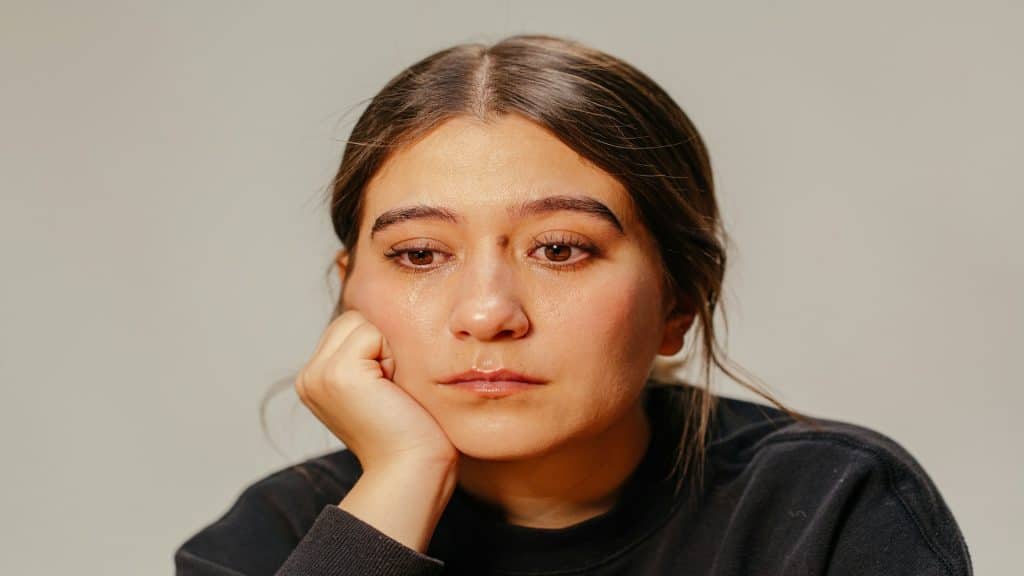
When fear is present, thinking becomes excessive instead of helpful. Small details get analyzed repeatedly, searching for the “right” answer. What once felt clear starts to feel uncertain. The more something is analyzed, the less obvious it becomes. This creates a loop where clarity feels just out of reach. Instead of moving forward, everything stays in question. Overthinking gives the illusion of control. In reality, it creates more confusion.
Fear Makes People Stay Longer Than They Should

Sometimes the fear of leaving feels stronger than the discomfort of staying. Even when something doesn’t feel right, the idea of making the wrong decision can keep people in place. There’s a thought that things might improve or that leaving could be a mistake. This creates a situation where time passes without real change. The relationship continues, but the uncertainty remains. Fear delays action. Staying becomes the safer option, even when it doesn’t feel right.
The “What If” Thinking Never Stops

One of the biggest drivers of hesitation is “what if” thinking. What if things get better, or what if something better is lost by leaving. These thoughts don’t have clear answers, which makes them hard to resolve. Instead of helping, they keep the mind stuck between options. Every possible outcome starts to feel equally important. This makes decisions feel impossible to finalize. The more possibilities considered, the harder it becomes to choose. Uncertainty feeds itself this way.
It Creates Doubt Even in Good Situations

Fear doesn’t only show up in difficult relationships. It can also appear when things are going well. Even in stable situations, doubt can quietly build. Questions about whether something better exists or whether the feeling is “right enough” start to appear. This creates unnecessary uncertainty. Instead of appreciating what is present, attention shifts to what might be missing. Fear introduces doubt where there wasn’t any before. That changes how the relationship is experienced.
Decisions Start Feeling Permanent
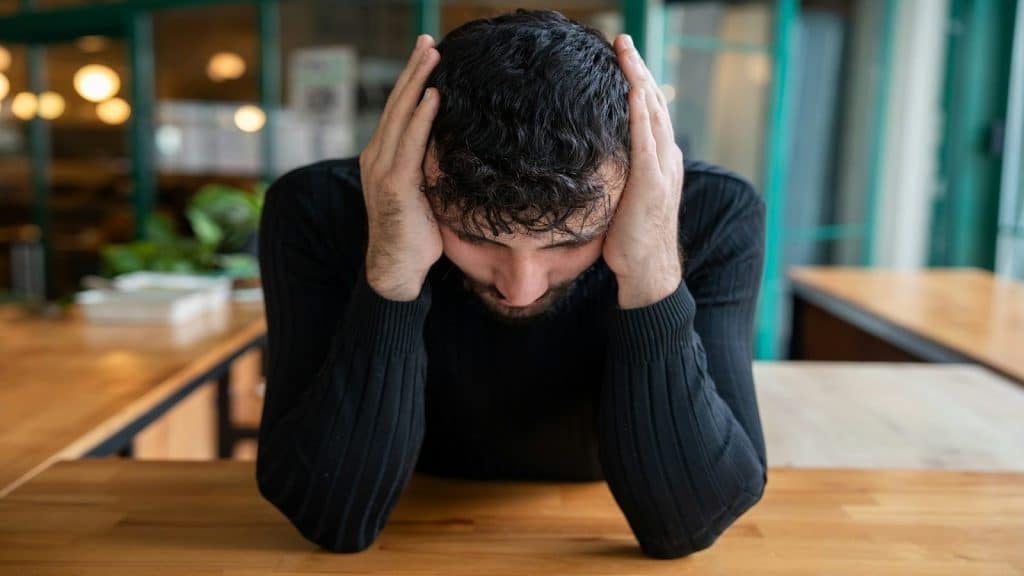
Part of the fear comes from viewing decisions as irreversible. Choosing to stay or leave can feel like a final, defining move. This adds weight to every step forward. Even small decisions start to feel like they carry long-term consequences. This pressure makes hesitation more likely. Instead of seeing decisions as part of a process, they feel like endpoints. That mindset makes action harder. It increases the fear of getting it wrong.
Avoidance Feels Safer Than Action

When decisions feel overwhelming, avoidance becomes the easier option. Not choosing can feel like a form of control. It delays the risk of making a mistake. However, avoiding a decision is still a decision in itself. The situation continues without direction. This can create a sense of being stuck. Nothing changes, but the pressure remains. Avoidance keeps things the same. It does not remove the underlying issue.
External Opinions Add More Pressure

Advice from others can sometimes make decisions more complicated. Different perspectives introduce more possibilities to consider. What feels right personally can become unclear when compared to outside opinions. This creates a disconnect between internal feeling and external input. The decision becomes influenced by multiple voices. This can increase hesitation. Instead of simplifying things, it adds pressure. The choice feels less personal and more evaluated.
Fear of Regret Becomes the Focus

A major part of this fear is the idea of future regret. The question becomes not just what to do, but what will be regretted later. This shifts focus away from the present. Decisions are made based on avoiding regret rather than choosing what feels right. This creates a defensive mindset. It becomes about minimizing loss instead of pursuing clarity. Fear of regret can feel stronger than current reality. That changes how decisions are approached.
Emotional Attachment Complicates Decisions

Even when something isn’t working, emotional attachment makes it harder to decide. Feelings, memories, and familiarity create a sense of connection that is difficult to let go of. This makes decisions less about logic and more about emotion. The idea of losing that connection adds weight. It becomes harder to separate feeling from reality. Attachment creates hesitation. It keeps decisions from feeling clear.
Waiting for Certainty That Never Comes
Many people delay decisions while waiting to feel completely certain. The expectation is that clarity will arrive in a clear, obvious way. In reality, that level of certainty rarely comes. There is almost always some level of doubt. Waiting for perfect clarity can lead to staying stuck. Time passes without resolution. The decision remains the same. This creates frustration over time.
Comparing Every Option

When fear is present, every option gets compared in detail. Staying is compared to leaving, and both are measured against imagined alternatives. This creates an endless loop of evaluation. No option feels fully right or fully wrong. Each has potential positives and negatives. This makes choosing feel more difficult. Comparison keeps the mind active but not decisive. It adds to the hesitation.
Fear Slows Down Natural Decisions
Without fear, decisions tend to feel more natural and intuitive. When fear is present, that process slows down. Every step is questioned and reconsidered. What might have been a simple choice becomes complicated. This creates a delay between feeling and action. The connection between instinct and decision weakens. Fear interrupts natural clarity. It replaces it with hesitation.
It Can Lead to Settling

Fear of making the wrong choice can lead to settling for what feels safe. Instead of choosing what feels right, the focus shifts to avoiding risk. This can result in staying in situations that are only partially fulfilling. The decision feels safer, but not fully aligned. Over time, this creates dissatisfaction. Settling is often driven by fear rather than clarity. It reflects hesitation rather than intention.
Past Experiences Influence Present Decisions

Previous experiences can shape how decisions are made now. If past choices led to pain or regret, there may be more caution. This can increase fear around making another wrong decision. The past becomes a reference point for the present. This creates extra pressure to “get it right” this time. However, each situation is different. Past experiences can guide, but also limit perspective.
The Fear Feels Rational

One of the reasons this fear is so strong is because it feels logical. Wanting to avoid mistakes seems reasonable. Thinking things through carefully seems responsible. This makes it harder to recognize when fear is taking over. The line between thoughtful and overthinking becomes blurred. What feels like careful decision-making can become hesitation. This makes the pattern harder to break.
Clarity Comes From Action, Not Just Thinking

Clarity often comes after decisions are made, not before. Waiting to feel completely sure can keep people stuck. Taking action creates new understanding. It provides feedback that thinking alone cannot. Movement helps reveal what feels right. This doesn’t remove uncertainty completely. However, it reduces the feeling of being stuck. Action creates clarity over time.
Accepting That No Decision Is Perfect

Part of moving past fear is accepting that no decision is completely risk-free. Every choice carries some level of uncertainty. Expecting perfection creates pressure that cannot be met. Letting go of that expectation makes decisions easier. It allows space for imperfection. This reduces fear. It makes action feel more manageable.
Moving Forward Despite Uncertainty

At some point, decisions require movement even without full certainty. Waiting for complete clarity can delay growth. Moving forward does not mean eliminating doubt. It means not letting doubt control the decision. Progress comes from taking steps despite uncertainty. This shifts the focus from fear to action. It creates momentum.
The Decision Matters Less Than the Direction

In the end, one decision does not define everything. What matters more is the direction that follows. Growth, awareness, and experience shape outcomes over time. A single choice is part of a larger process. This perspective reduces pressure. It allows decisions to feel less final. The focus shifts from getting it perfect to moving forward.








Ask Me Anything