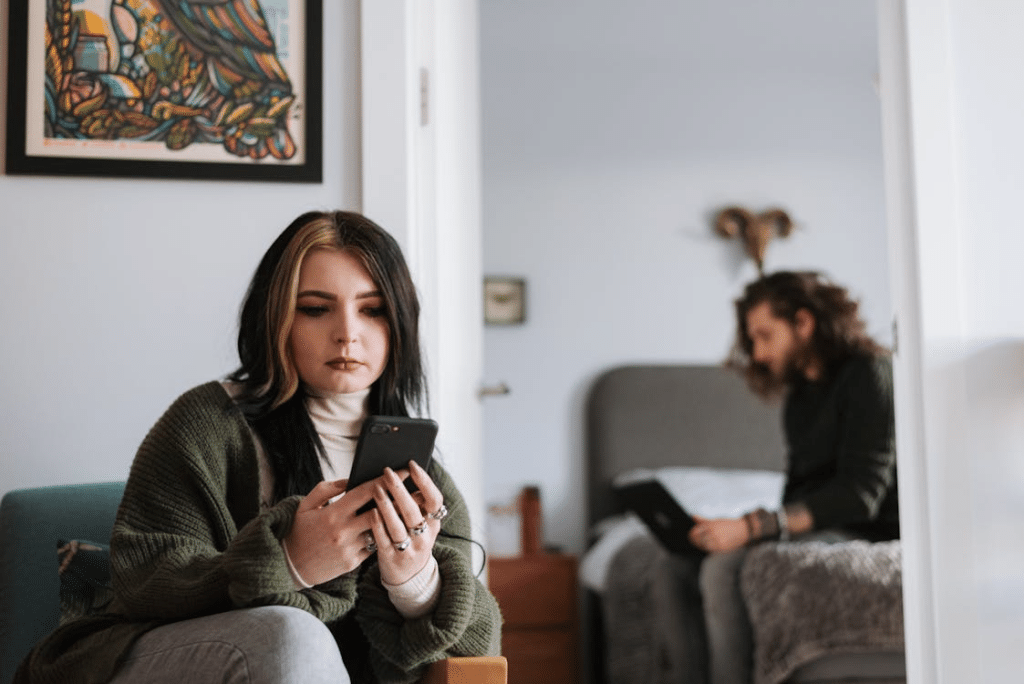
Valentine’s Day is marketed as romance, but for many couples it becomes a performance. It compresses expectations into one night and makes people try to “prove” love instead of practise it. That pressure can hide deeper problems with routine, effort, and emotional connection. Some couples look fine on the outside because the optics are easy to manage for one day. The issue is not flowers or dinner, it is what they are trying to cover up. When romance only appears on special occasions, it often signals neglect in the normal days. These are the most common ways couples fake it.
They Post a Caption That Does Not Match the Relationship
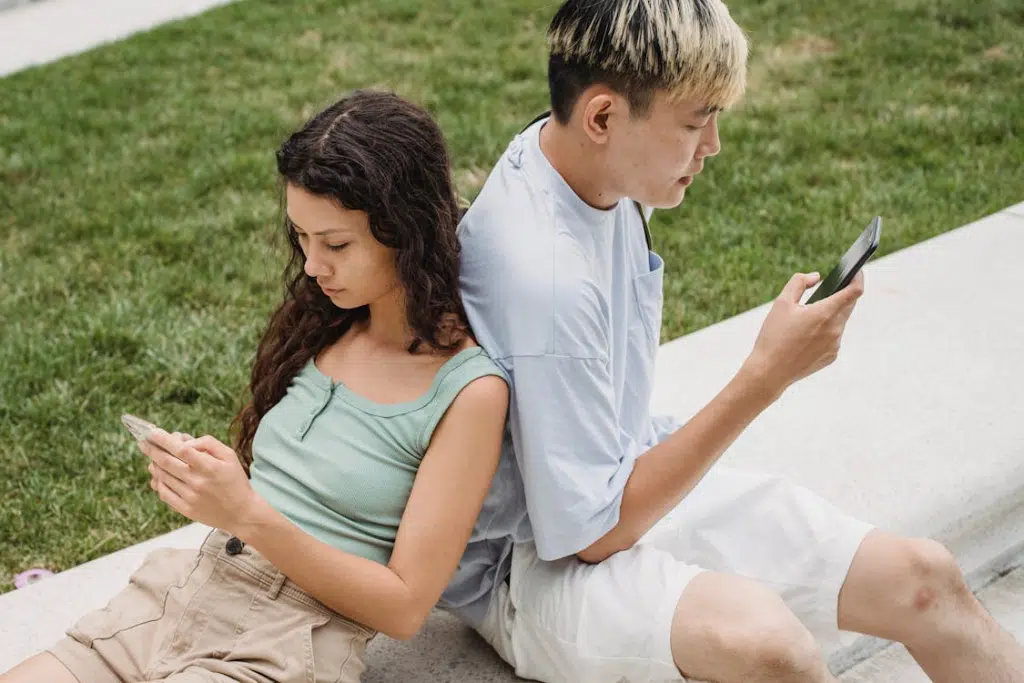
The post is polished, but the relationship is tense. Big declarations online can act like reputation management. It creates an image that discourages questions from friends and family. It also lets the couple feel “romantic” without doing anything emotionally difficult. Public praise can be cheaper than private effort. When the caption is louder than the connection, it is often a cover. Real romance rarely needs a press release.
They Over-Spend to Compensate for Under-Delivering All Year
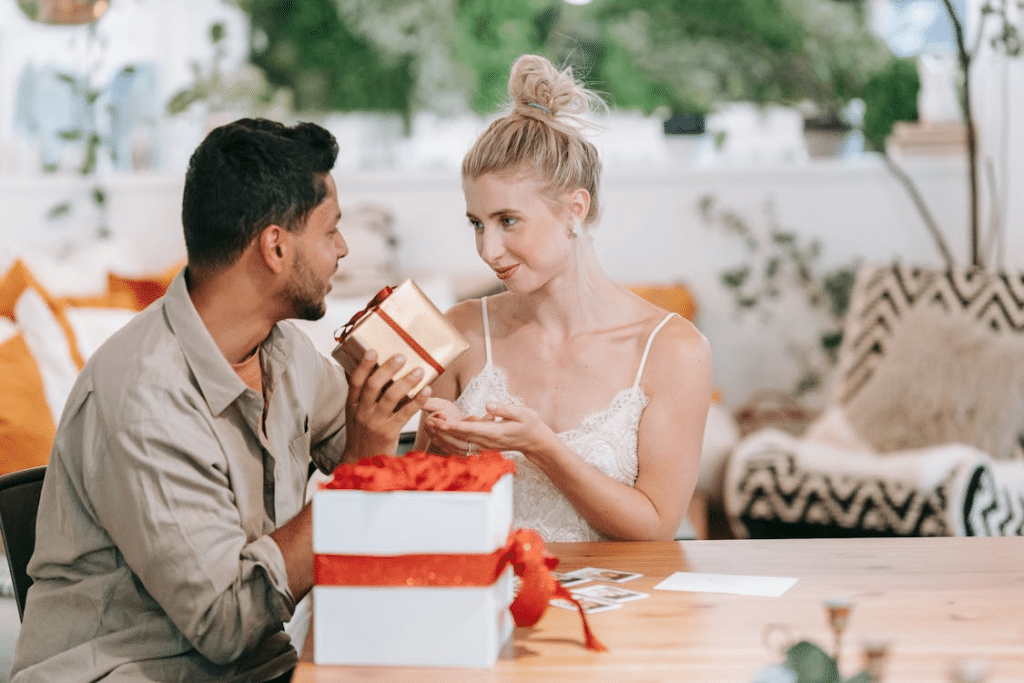
Some couples treat money as an emotional shortcut. A big gift becomes a way to avoid accountability for daily neglect. Over-spending can temporarily create excitement, but it does not rebuild emotional trust. It can also create resentment if the relationship is already strained financially. The gesture looks impressive, but the pattern stays the same. Grand spending is not the same as consistent care. Romance that only shows up through purchases is fragile.
They Book an Expensive Dinner but Do Not Talk About Anything Real
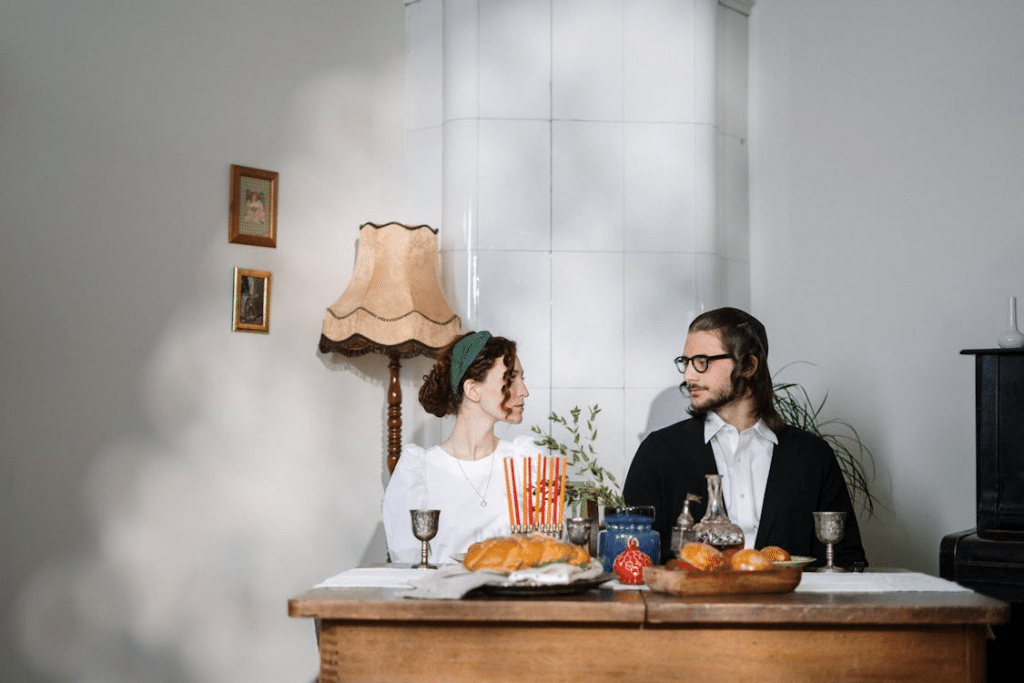
The setting is romantic, but the conversation is empty. Couples who avoid real connection often hide behind “nice nights out.” They discuss work, errands, or gossip because vulnerability feels risky. The evening becomes an event, not intimacy. After the meal, nothing changes. A relationship can feel lonely in a five-star restaurant. Romance without emotional access is just a date on paper.
They Force Physical Intimacy to Prove Everything Is Fine

Some couples use sex as proof that the relationship is okay. The problem is that forced intimacy often feels transactional. One partner might agree to avoid conflict or guilt, not out of desire. That creates emotional distance afterward, not closeness. Physical closeness without emotional safety rarely lasts. It can even deepen resentment. Real romance does not require performance to feel secure.
They Exchange Gifts That Feel Like Obligations, Not Thoughtfulness
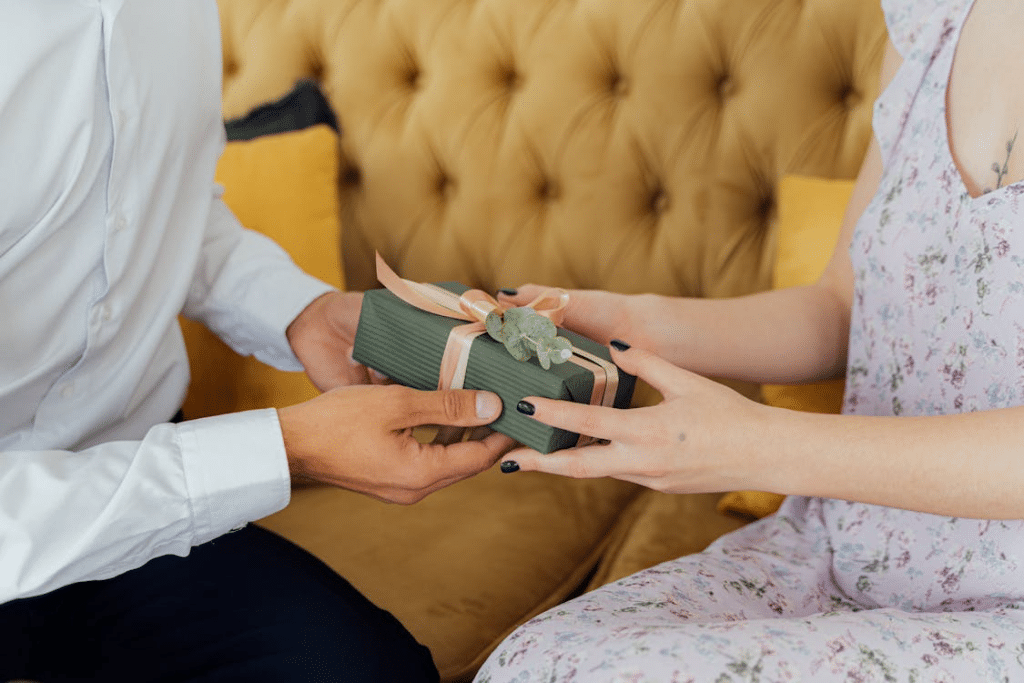
A gift can be meaningful, but obligation gifts feel empty. Many couples buy “safe” items because they do not know each other well anymore. The exchange becomes a routine like paying a bill. Thoughtfulness requires attention, which is often what is missing. A generic gift can highlight emotional disconnection. It says, “I showed up,” not “I know you.” Romance is in the accuracy, not the wrapping.
They Use Humor to Avoid Emotional Honesty

Some couples turn everything into jokes on Valentine’s Day. The jokes keep things light, but they also block vulnerability. Humor can be healthy, but it becomes a problem when it replaces real conversation. If affection feels embarrassing or unsafe, jokes become armor. The night stays playful but shallow. Emotional intimacy requires sincerity, not constant deflection. When jokes are the only language, romance stays limited.
They Overdo Compliments Only Because It’s “The Day”

Sudden praise can feel suspicious when it is not normal. Compliments become a script instead of a habit. The partner receiving it may feel like it is performative, not real. Inconsistent praise can also feel like love-bombing when problems exist. Real affirmation is steady and specific. One day of flattery does not undo months of indifference. Romance is consistency, not seasonal kindness.
They Copy Someone Else’s Idea Instead of Creating Something Personal

A lot of Valentine’s effort is borrowed. Couples mimic social media date ideas because it looks romantic, not because it fits them. That creates a night that feels staged rather than intimate. Personal romance is tailored to the partner’s preferences and personality. Copying is easier than paying attention. When romance is generic, it often reflects a generic emotional connection. The relationship becomes aesthetic, not bonded.
They Make Promises They Have No Plan to Keep

Valentine’s Day can trigger dramatic vows. Couples promise to change, communicate, or “date each other again.” But without a plan, it is just emotional relief for one night. The next week returns to the same patterns. Promises become a way to quiet anxiety temporarily. This creates disappointment because hope gets activated, then dropped. Real change is scheduled, not declared. Romance cannot survive on speeches.
They Use Valentine’s Day as a Reset Button Instead of Repair
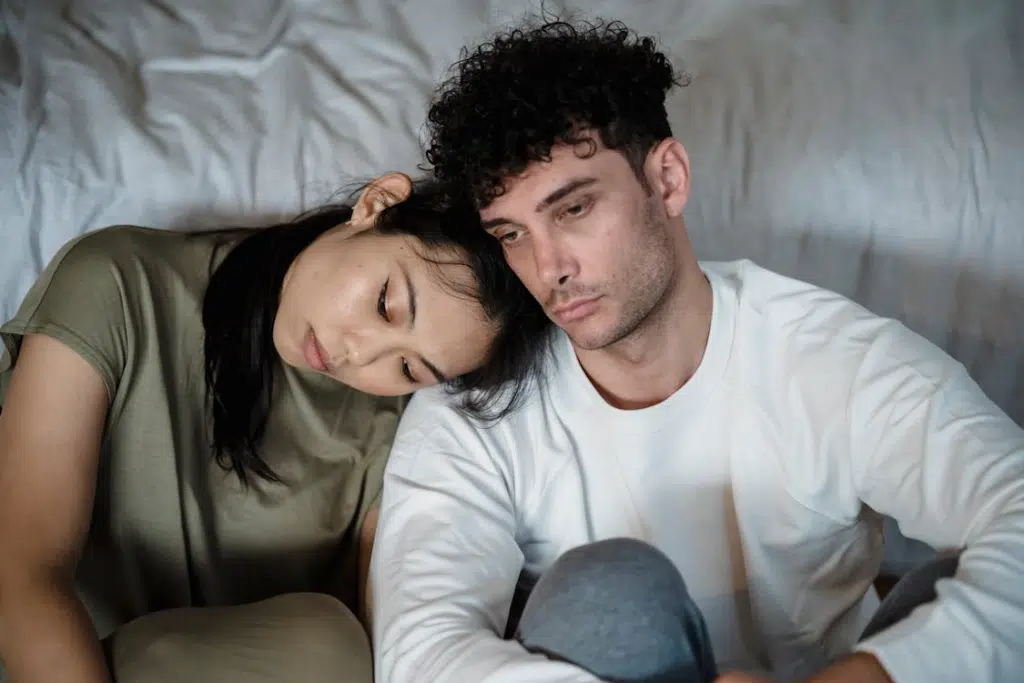
Some couples act like one romantic night erases everything. They avoid addressing recent conflict, disrespect, or emotional neglect. The night becomes a pause, not repair. Avoiding repair creates emotional debt that shows up later. It also teaches the relationship that problems can be ignored if romance is performed. Romance is not a substitute for accountability. Repair is what makes romance feel safe again.
They Bring a Third Party Into the Night to Avoid Intimacy
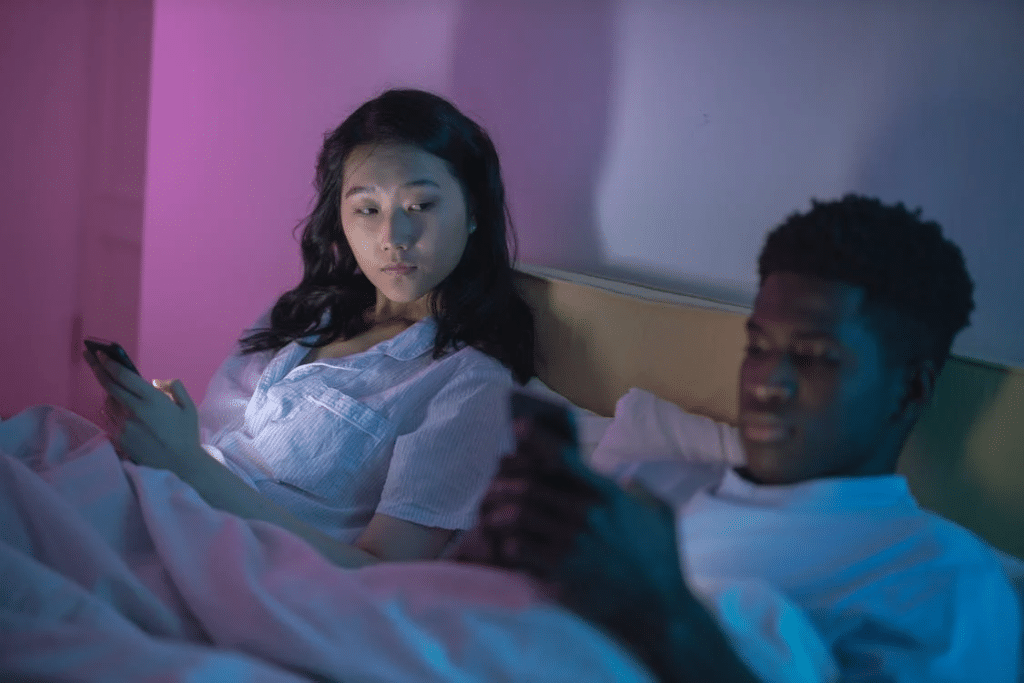
Double dates, big group plans, or family events can be fine. But some couples use them to avoid being alone together. Being alone exposes disconnection. A third party provides distraction and prevents real conversation. It can also reduce the pressure of having to be affectionate. The night looks social and fun, but it is not intimate. Romance requires private connection sometimes.
They Treat the Day Like a Transaction With Scorekeeping

Some couples measure effort like points. “I did this, so you should do that.” The mindset becomes exchange, not love. This usually happens when resentment is already present. Scorekeeping creates tension because nothing feels freely given. Romance cannot breathe in a ledger. Healthy couples can reciprocate without tracking. When the night feels like a negotiation, intimacy suffers.
They Use Alcohol to Create “Chemistry” They Don’t Have Sober

A couple that relies on drinks to feel close has a problem to face. Alcohol can lower inhibition, but it can also mask emotional distance. The connection feels better in the moment, then worse the next day. It becomes a temporary shortcut to softness. Real intimacy should be possible without chemical assistance. If sobriety feels awkward, that is information. Romance should not depend on numbness.
They Focus on the Surprise, Not the Partner

Surprises look romantic, but they can be selfish if they are about image. Some people plan what would impress others, not what their partner actually enjoys. The partner becomes an audience, not a participant. That can feel unseen, even if the plan is expensive. Romance is not about shock value. It is about making someone feel known. A surprise that ignores preferences is not thoughtful.
They Avoid Difficult Topics “To Keep the Mood”

Avoidance can look like peace for one night. Couples refuse to talk about finances, resentment, future plans, or boundaries because it might “ruin the vibe.” The problem is that these topics are already ruining the relationship quietly. Ignoring them keeps tension alive under the surface. The night becomes fragile because honesty is banned. Romance that requires silence is not secure. Emotional safety includes truth.
They Treat Valentine’s Day Like Proof They’re Still Together

Some couples use the day as reassurance that the relationship is not failing. They participate to convince themselves and others that everything is okay. The effort is driven by fear of what it means to do nothing. This creates a performance mindset rather than a connection mindset. The night becomes symbolic instead of relational. Symbols cannot replace daily care. Staying together is not the same as staying connected.
What Real Romance Looks Like When It’s Not a Show

Real romance is often less dramatic and more consistent. It looks like thoughtfulness on normal days, not just holidays. It includes honest communication without punishment. It includes affection that does not require a special event. It also includes reliability, follow-through, and emotional presence. The biggest sign is that the relationship feels calm, not tense, around romance. When romance is real, it feels natural, not forced.
A Better Valentine’s Day Test Couples Can Use

Instead of asking, “Did we do something romantic?” ask, “Do we feel closer after today?” That question reveals whether the day created connection or just optics. Couples can also ask what each person wants more of this month, not just tonight. A simple weekly ritual often beats one big night. Consistency is what makes romance believable. A healthy test focuses on closeness, not effort points. If closeness is missing, the answer is not more flowers, it is more honesty.
Romance Cannot Be Seasonal If Love Is Supposed to Last

Valentine’s Day romance can be sweet, but it can also expose what is missing the rest of the year. Performative gestures, expensive nights, and scripted affection cannot replace emotional connection and daily effort. The goal is not to cancel the holiday, but to stop using it as camouflage. Couples who stay strong use Valentine’s Day as a bonus, not a rescue mission. Real romance is not a one-night event, it is a pattern of attention and care. When that pattern exists, Valentine’s Day feels easy. When it does not, the day becomes a performance.








Ask Me Anything