
Affairs don’t just “happen.” Yet many men build entire stories to explain why they stepped outside their marriage, hoping to make their choices seem reasonable. These explanations may sound convincing in the moment, but crumble under scrutiny. Seeing these excuses clearly is the first step to breaking the cycle and making better choices. This article calls each one out so you can protect your integrity and make decisions you won’t regret later.
“I’m a Man, I Have Needs”
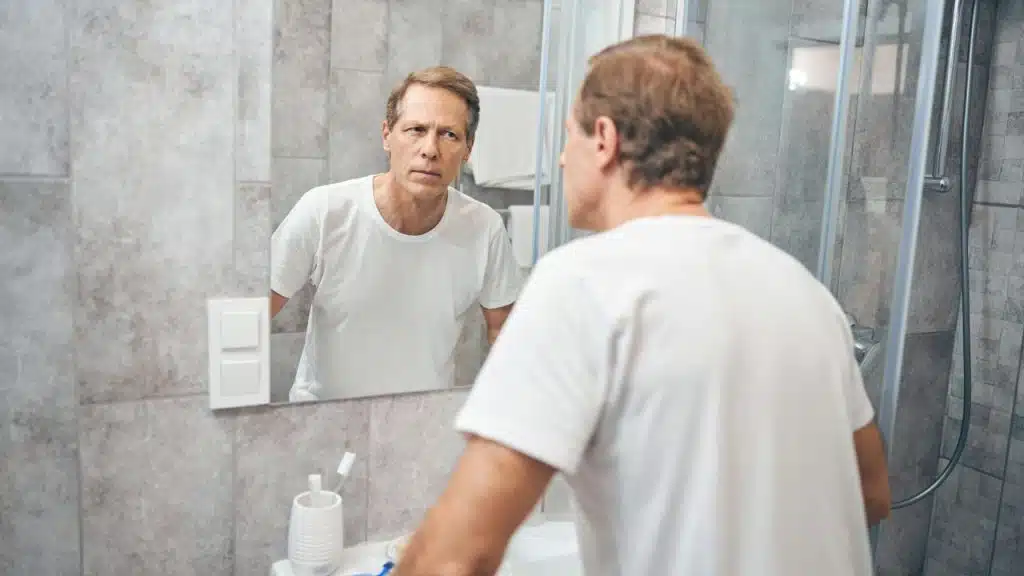
This outdated stereotype equates masculinity with entitlement. Using biology as a cover for betrayal insults both men and women. Real strength shows up in self-control, honesty, and accountability. A mature man owns his choices rather than hiding behind clichés. Integrity builds far more respect than excuses ever will.
“I Was Drunk”
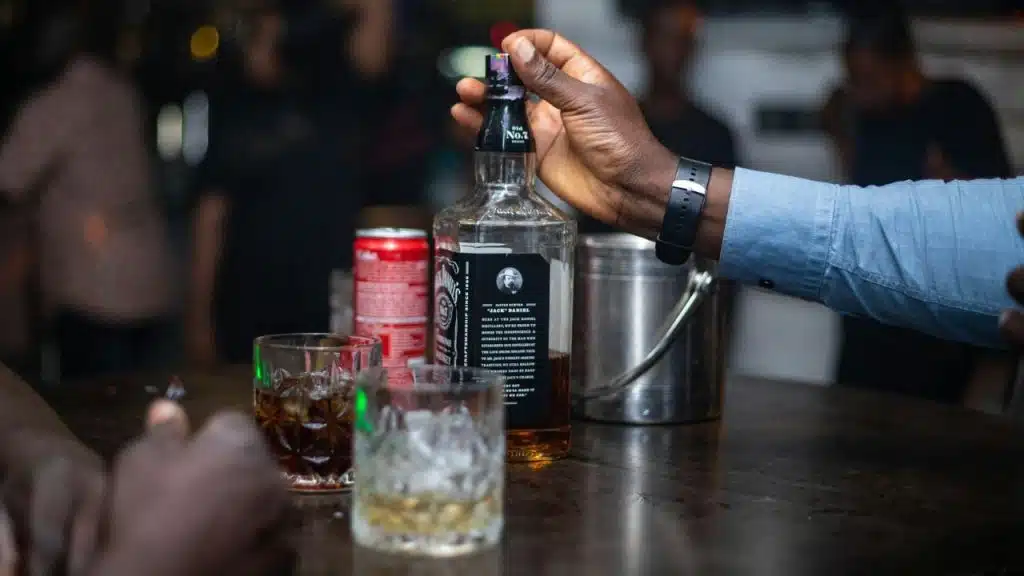
Alcohol can lower inhibitions, but it does not erase responsibility. Saying you were drunk is not a free pass for betrayal. Choosing to drink heavily in risky situations is already part of the problem. Recognizing that link is critical to breaking the cycle. Self-control begins long before the affair happens.
“It Just Happened”

Affairs are rarely spontaneous events. They involve choices, planning, and crossing clear boundaries. Saying it “just happened” is a way of dodging responsibility for those decisions. Recognizing the deliberate steps involved is uncomfortable but necessary. Taking ownership is the only way to prevent repeating the same pattern.
“We Were on a Break”

Temporary separations can feel like free territory, but they are not. Unless both partners clearly define the boundaries, stepping out creates new pain. This excuse twists uncertainty into permission. Respecting your partner’s trust during a break shows real character. Cheating during a break makes reconciliation far harder.
“My Wife Doesn’t Understand Me”
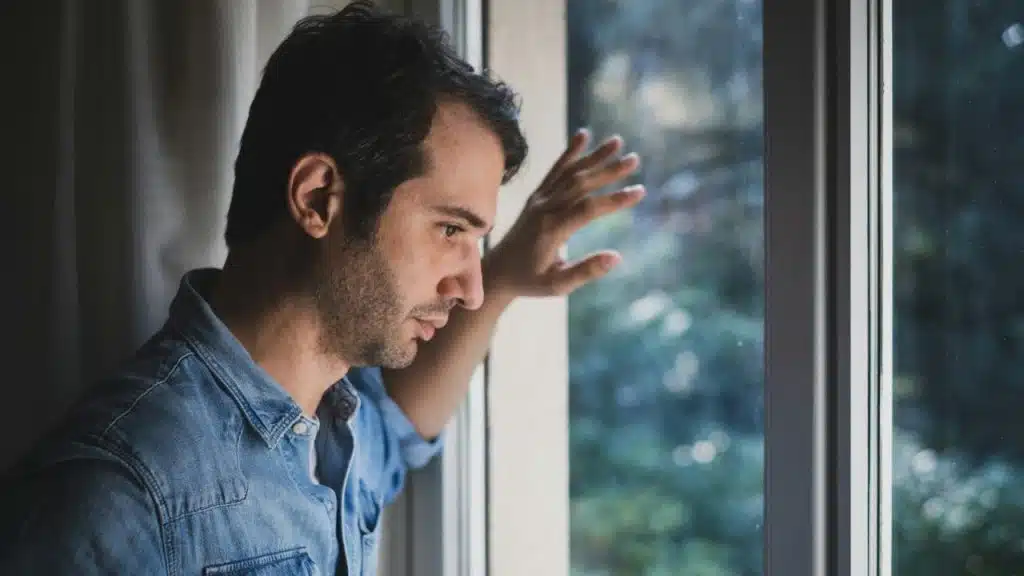
Emotional distance is hard, but turning to someone else does not fix it. This excuse ignores the hard work of open communication and personal vulnerability. Relationships thrive on honest dialogue, even when it’s uncomfortable. Cheating only creates more distance and adds secrecy to an already strained connection. Facing the problem directly builds trust and can even revive intimacy over time.
“I Needed an Escape from Stress”

Life brings pressure from work, family, and responsibilities. Using an affair as a coping mechanism simply swaps one problem for another. Stress can be handled with healthier outlets like exercise, therapy, or direct communication with your partner. Cheating avoids the real issue instead of addressing it. In the long run, you multiply the stress you were trying to escape.
“We Were Already Growing Apart”

Feeling distance from your partner is painful, but cheating is not a solution. Honest conversation, counseling, or even a clean break is more respectful than betrayal. Using separation as a reason for infidelity confuses the issue and prolongs the pain. Growth apart can be a turning point if handled directly—not a free pass for breaking trust.
“She Doesn’t Meet My Needs”
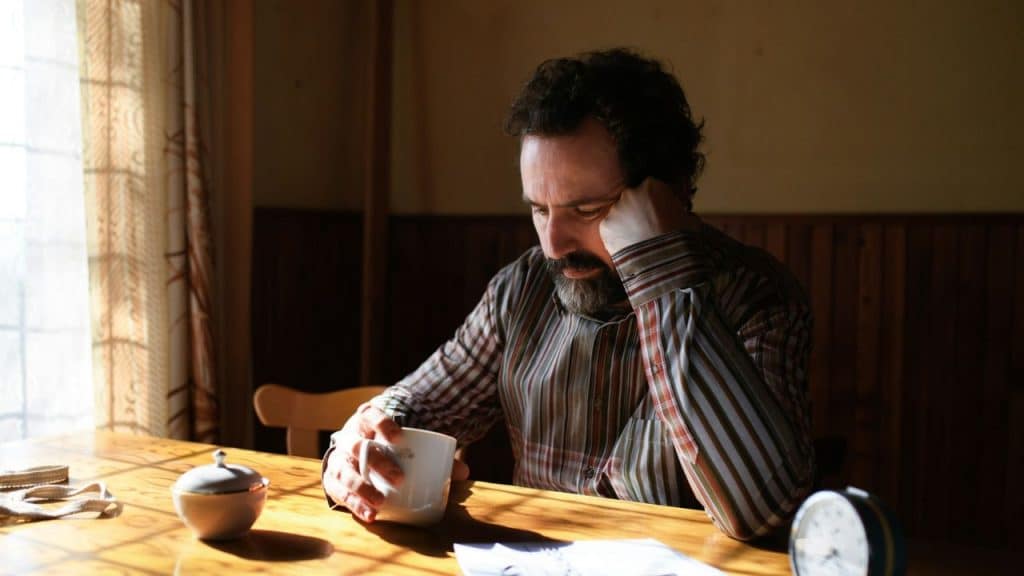
This excuse turns personal desires into a weapon against your partner. Every long-term relationship requires negotiating expectations and adapting over time. Cheating skips that work and creates deeper wounds. If needs are truly unmet, addressing them openly or ending the relationship is the honest route. Respect starts with taking responsibility for how you handle your frustrations.
“I Was Lonely”
Loneliness is real even inside a marriage. But stepping out only deepens the isolation in the end. The short-term connection of an affair does not replace the steady intimacy that builds over time. A better choice is to confront that loneliness with openness, therapy, or joint activities that rebuild closeness. Cheating just postpones the hard conversations you need to have.
“It Was Only Physical”

Calling an affair “only physical” minimizes the betrayal. Emotional harm does not disappear because feelings were downplayed. Partners feel the same sense of violation, whether it’s physical, emotional, or both. Trying to frame it as “less serious” denies the impact on trust. Taking full responsibility is the only way forward.
“I Deserved to Feel Alive Again”

This excuse often appears during midlife crises. Feeling stuck or restless can be intense, but risky behavior does not solve it. Affairs offer a short burst of excitement followed by guilt and fallout. Real renewal comes from personal growth, hobbies, fitness, or therapy—not secrecy. Choosing self-respect over impulsivity leads to genuine change.
“She Pushed Me Away”

Blaming your partner for your affair shifts attention from your own actions. Even in a strained relationship, you’re still responsible for your decisions. Choosing to cheat instead of communicating adds another layer of damage. Taking accountability for your response is a sign of maturity. It also gives you a real chance to fix what is broken.
“Everyone Does It”

Normalizing cheating because of peers or media is a false shield. Other people’s bad choices do not justify your own. This mindset leads to more damage and regret, not freedom. Holding yourself to a higher standard separates you from the crowd. Doing what is right still matters—even if others don’t.
“It Helped My Marriage”
Some men claim an affair acted like a wake-up call. In reality, betrayal rarely strengthens a relationship. It often leaves lasting scars that counseling can’t fully heal. If your marriage needs energy or intimacy, honesty and professional help work far better than secrets. Infidelity undermines the very thing you hope to save.
“I Didn’t Mean to Hurt Anyone”

Intent does not erase impact. Betrayal cuts deep regardless of whether you planned it or not. Saying you didn’t mean to hurt anyone sidesteps the harm you caused. A sincere apology starts with acknowledging the damage, not defending yourself. Only by owning the full weight of your actions can you begin to rebuild trust.








Ask Me Anything