
Marriage is often described as a partnership, but the daily trade-offs men make rarely get acknowledged. Many husbands quietly adjust their routines, ambitions, and habits to keep the relationship and family steady. These choices are not about weakness but about commitment and care, yet they can feel heavy when no one notices. Bringing these sacrifices into the open is not about resentment; it is about recognition. When men see their efforts reflected, it strengthens their sense of purpose and helps them keep showing up.
Personal Free Time

Many men find that their solo downtime fades once marriage and family life settle in. Activities like long workouts, weekend gaming sessions, or simply reading alone often shift into family errands, couple commitments, or kids’ schedules. This change can feel like a loss at first, but it is often done out of love and responsibility. Recognizing this helps men avoid resentment and instead create small, intentional pockets of “me time” to stay balanced.
Always Being “On” for Safety and Security

Locking doors, checking windows, walking out to the car first at night, carrying the heavier bags—these little safety acts are done daily, almost unconsciously. They’re rarely labelled as sacrifices but take mental bandwidth. Acknowledging these roles or dividing them can make it feel less one-sided.
Morning Routine
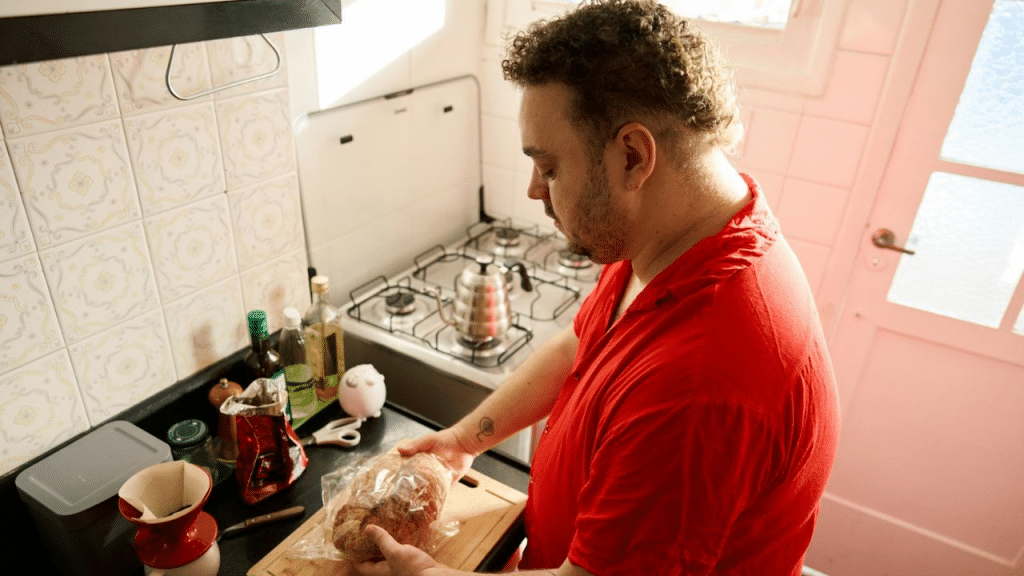
Many men give up their preferred way of starting the day once married. Quiet breakfasts, early gym sessions, or unhurried showers get replaced by prepping kids, making lunches, or coordinating schedules. This shift might look small, but it changes their mental rhythm. Finding even ten minutes to breathe before the day starts can restore balance.
Evening Downtime

Instead of winding down with a book or hobby, many men jump into chores, homework help, or partner conversations as soon as they walk in the door. This requires a mental reset on the spot. It may look automatic, but it takes effort. A short transition ritual can help men recharge before re-engaging.
Grooming Habits

Some men change their hairstyle, beard, or fragrance to fit their partner’s preferences or to save time for family. These subtle changes can alter how they feel about themselves. It’s a subtle but ongoing shift. Holding onto at least one self-chosen style element helps maintain individuality.
Financial Freedom

Shared accounts, savings goals, and long-term planning can replace impulse spending. Men may find themselves giving up hobbies, gadgets, or trips to support larger family priorities. This quiet compromise can build a strong financial foundation, but it can also leave men feeling deprived if unacknowledged. Having transparent conversations about “fun money” can ease the tension and give each partner some breathing room.
Skipping the Gym or Workout Time

Exercise is often one of the first things men cut when family schedules clash. Early-morning runs, evening gym sessions, or weekend bike rides get pushed aside to handle drop-offs, dinners, or bedtime routines. This sacrifice keeps the household running, but slowly erodes their own health and stress management. Even a short home workout carved into the day can offset this trade-off.
Emotional Privacy

Marriage encourages men to open up emotionally more than they may naturally do. Sharing feelings and thoughts regularly can feel draining, especially if they grew up keeping things private. It takes effort to adjust and build new habits of communication. Recognizing that this openness is work, not just instinct, gives credit to the sacrifice it represents.
Living Space Preferences

Décor, layout, and cleanliness often become joint decisions. Men may trade their style or comfort items for a home that reflects their spouse’s taste. This is a small but constant negotiation that can feel like losing personal territory. Keeping one corner or room that reflects his preferences can help preserve a sense of ownership.
Extended Family Obligations

Married life often brings new family events, traditions, and obligations with in-laws. Men can find themselves investing time and energy into relationships they never expected. This commitment can strengthen family bonds, but it can also feel overwhelming without boundaries. Talking openly with a spouse about limits helps keep things manageable.
Sleep and Recovery

Late nights, early mornings, and shared routines often cut into men’s rest. Over time, the lack of recovery can affect mood and health. This sacrifice rarely gets acknowledged, but it impacts everything else. Prioritizing sleep as a shared goal can benefit the whole household.
Hobbies and Interests

Passions like music, sports, or gaming can get squeezed out by family schedules and commitments. Men may reshape or drop hobbies to make space for others’ needs. This can leave a sense of loss if not balanced with self-care. Even small doses of a beloved hobby can keep personal joy alive.
Privacy Of Thoughts

Many men filter their opinions or soften their words to maintain harmony. This quiet effort happens daily and often goes unnoticed. Over time, it can feel like hiding a part of oneself. Gentle, honest conversations can help men express themselves without constant self-censorship.
Alone Time After Work

A lot of men like to decompress in silence after a workday, but marriage often means walking straight into family needs. That moment of transition is a daily sacrifice of mental space. It takes conscious effort to switch gears quickly and be present. Small rituals, like a short walk or a few minutes alone in the car, can soften the shift.
Entertainment Preferences

From TV shows to music and vacation choices, men often defer to family-friendly or spouse-preferred options. Their own tastes may get pushed to late nights or rare moments alone. This small but repeated compromise can feel invisible yet shapes daily enjoyment. Setting aside occasional time for his own picks helps maintain a sense of personal identity.
Food Preferences

Dinner menus frequently center around what the spouse or children like to eat. Men may quietly skip their preferred meals or cooking styles to avoid making separate dishes. This might seem minor, but it adds up over time. Planning one meal a week around his preferences can restore a sense of balance.
Driving Duties

Many men automatically take the wheel for family outings, errands, and road trips. It becomes an unspoken expectation rather than a choice. This can mean less relaxation during travel and added fatigue. Sharing driving responsibilities occasionally can reduce this unnoticed burden.








Ask Me Anything