
Microplastics are basically the glitter of the pollution world. They show up everywhere, stick around forever, and somehow end up inside you without asking permission. You can’t see them, but they’re there… hanging out in places you’d never suspect.
We’re not just talking about big, obvious culprits like grocery bags or food packaging. Oh no. Microplastics hide in your house, your wardrobe, and even in the things you eat. So, grab your coffee because you might side-eye 15 of these everyday items in your kitchen and closet.
1. Tea bags
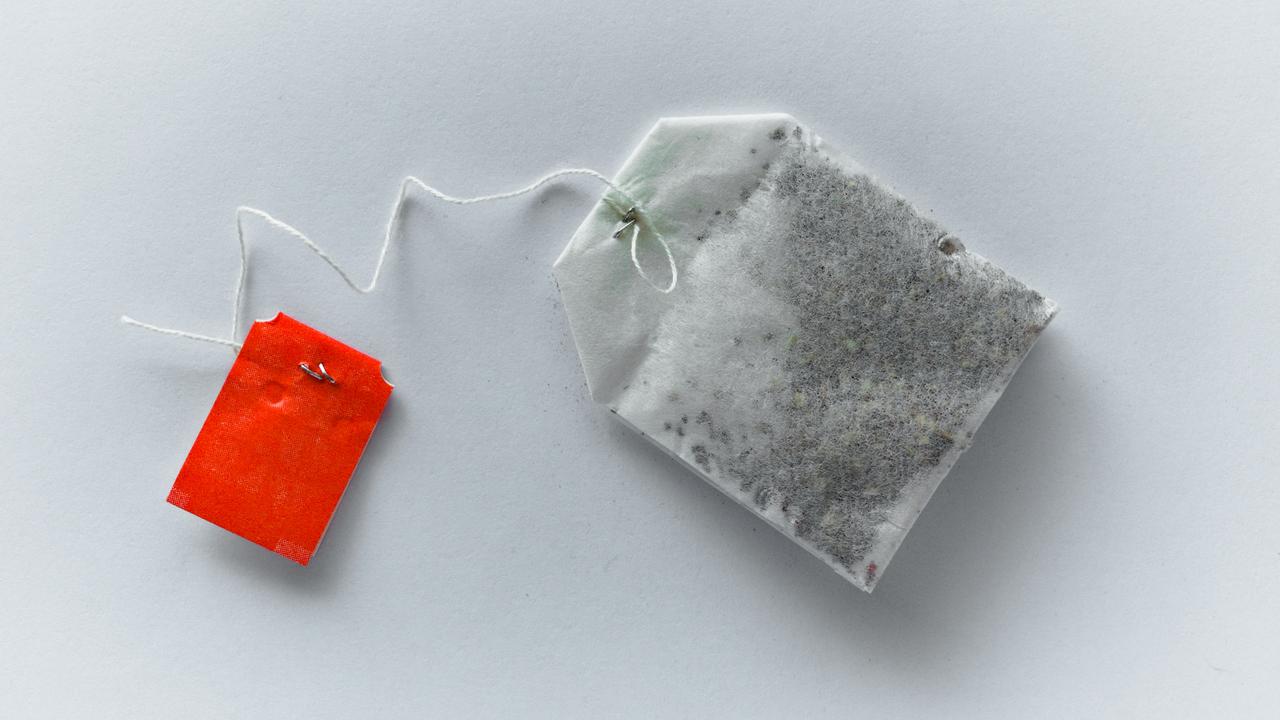
A hot cup of tea feels wholesome.. Until you realize some tea bags, especially the fancy silky-looking ones, release thousands of microscopic plastic particles into your drink when you steep them. So you’re sipping chamomile with a side of synthetic debris.
It’s not like you can taste them, but they’re still in there. And while your body isn’t thrilled about ingesting plastic dust, it’s not exactly handing out warning signs either. Makes you wonder how many invisible floaties you’ve consumed over the years.
2. Synthetic clothing
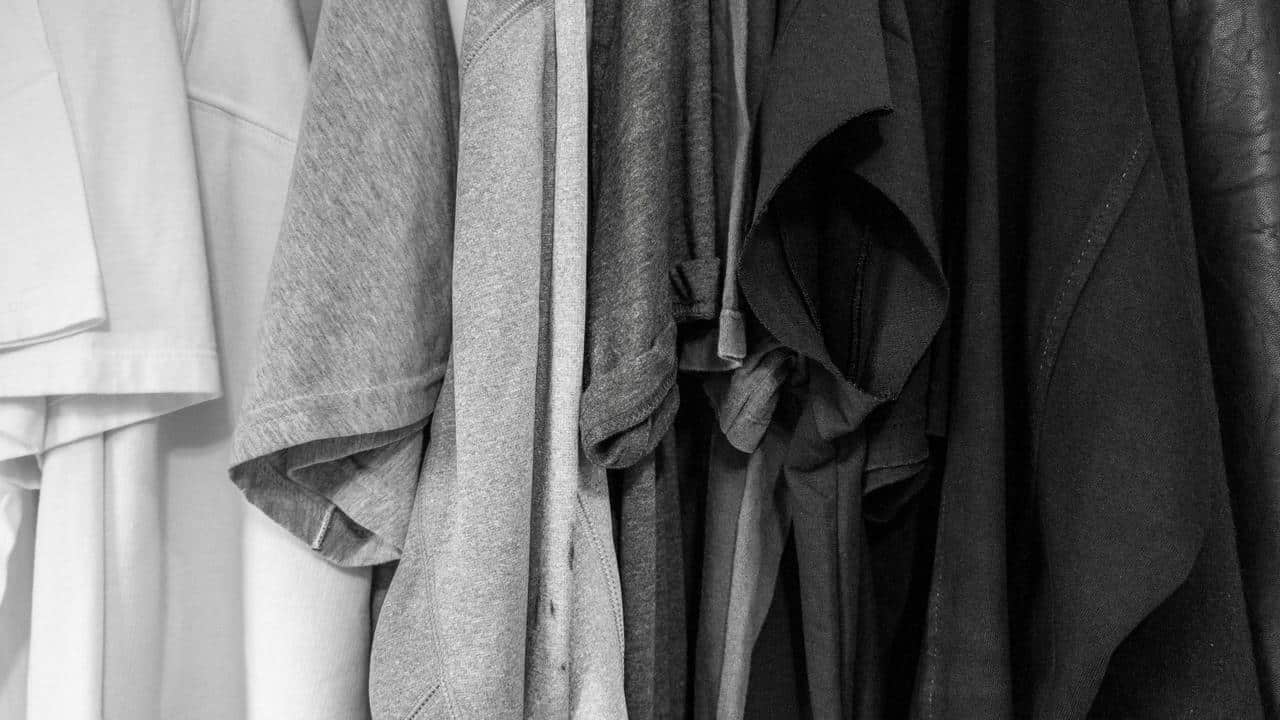
That sweatshirt you love because it’s “so soft”? If it’s made from polyester, nylon, or acrylic, it’s shedding tiny plastic fibers every time you wash it. Those fibers slip past filters and make their way into oceans.
Even your gym gear is a culprit. All those high-performance fabrics are basically plastic in disguise. Feels breathable on the outside, but deep down, it’s sending little bits of itself into the world like it’s throwing confetti at a parade.
3. Bottled water
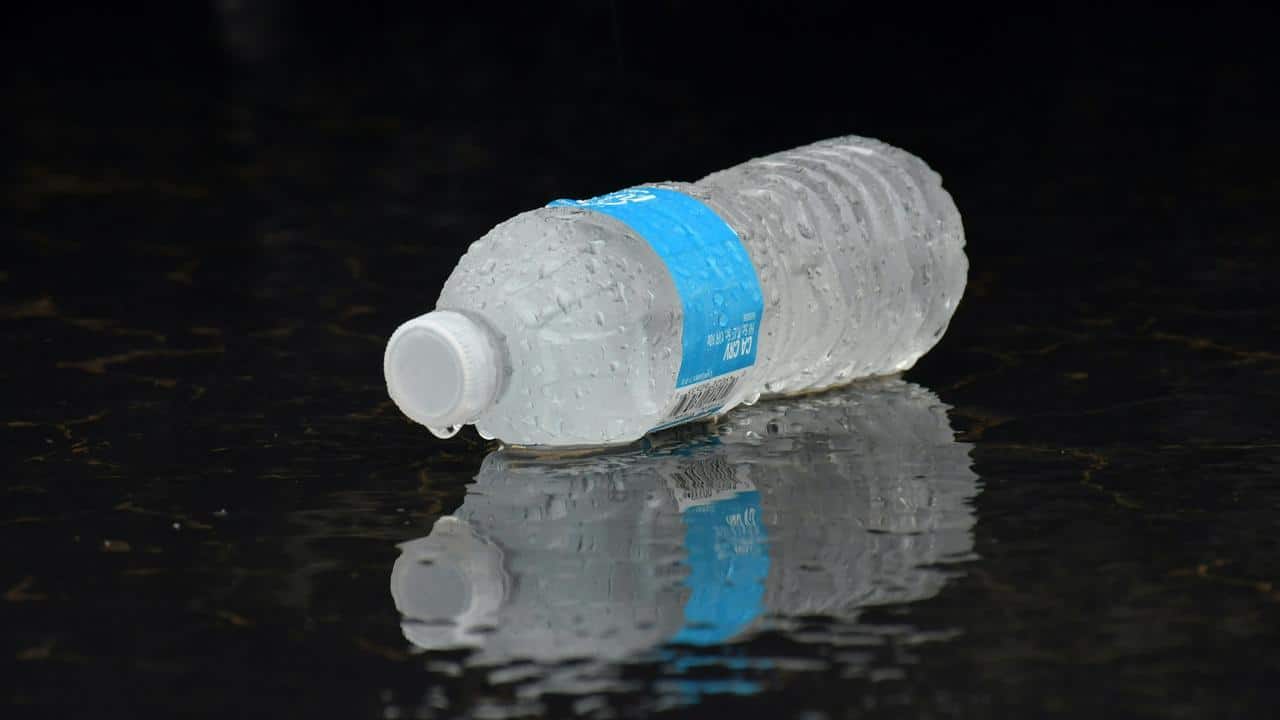
You might think bottled water is the “pure” choice, but nope. Studies have shown it can contain far more microplastics than tap water. The plastics can leach from the bottle itself during storage.
It’s a bit ironic that something sold as clean hydration can carry tiny hitchhikers. It’s still water, but with bonus particles you didn’t sign up for.
4. Wet wipes
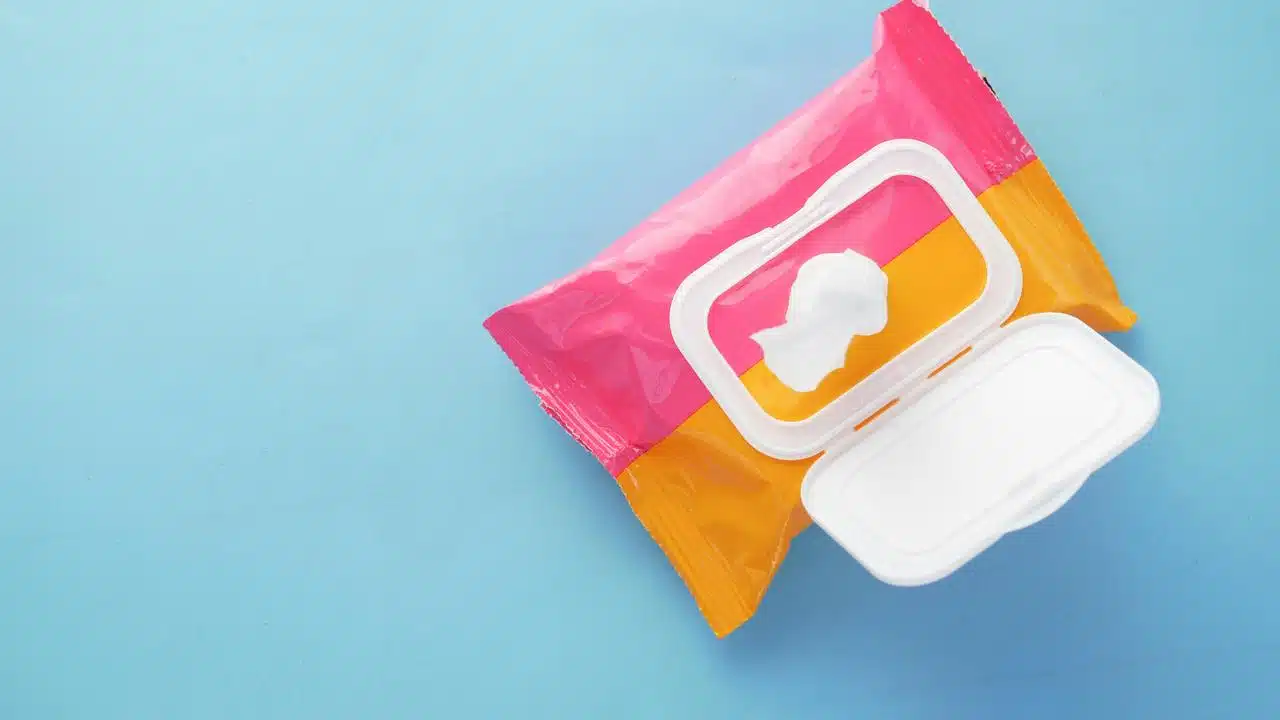
Those handy wipes you use for everything from sticky hands to messy counters? Many are made with synthetic fibers that break down into microplastics when tossed.
Even the so-called “flushable” ones? Yeah, those can linger in water systems for ages. They look harmless, but they’re basically little fabric sheets of long-lasting plastic.
5. Chewing gum
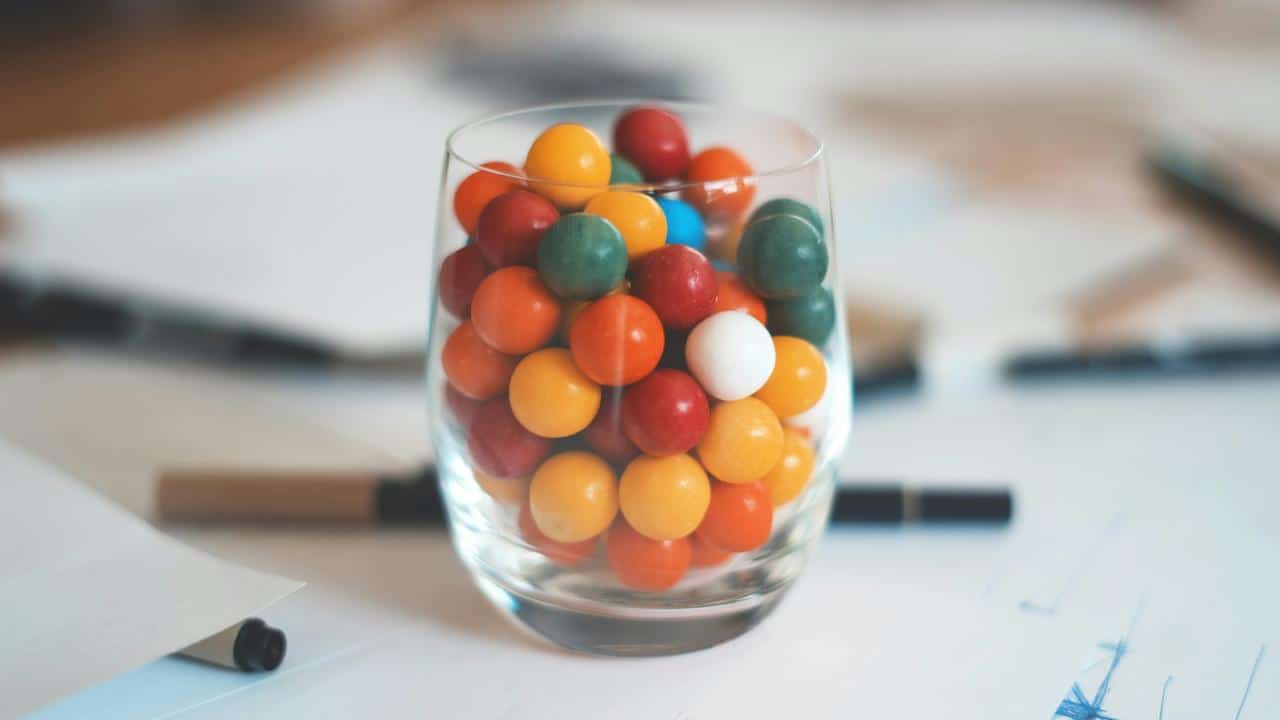
That gum you pop in your mouth after lunch is made with a synthetic rubber base, which is essentially plastic. So you’re literally chewing on a flexible, flavored piece of polymer.
It’s not exactly dangerous in the moment, but the thought of chomping plastic like it’s candy isn’t exactly comforting. Once you know, you can’t unknow.
6. Disposable coffee cups
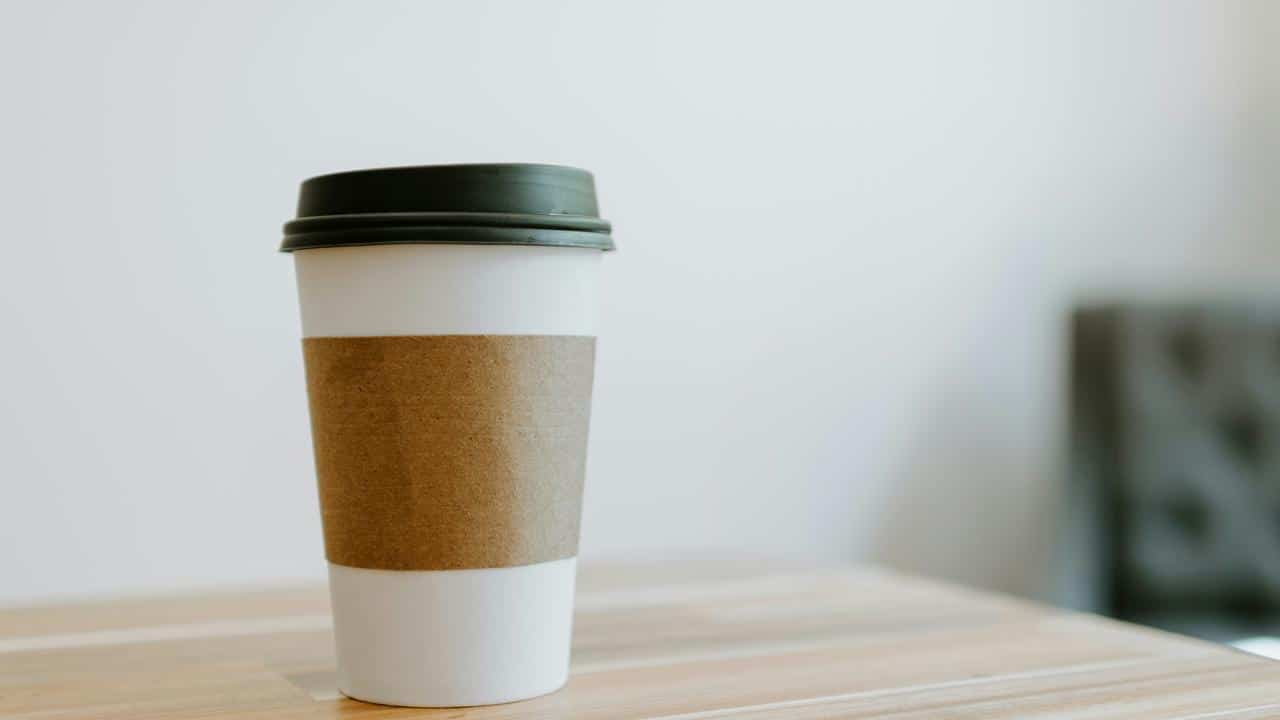
That “paper” coffee cup is often lined with plastic to keep it from leaking. When you pour in hot coffee, bits of that lining can break off into your drink.
It doesn’t make your latte taste different, but the particles are still there, floating around while you sip. It’s like your coffee is wearing an invisible sprinkle topping you never asked for.
7. Toothpaste
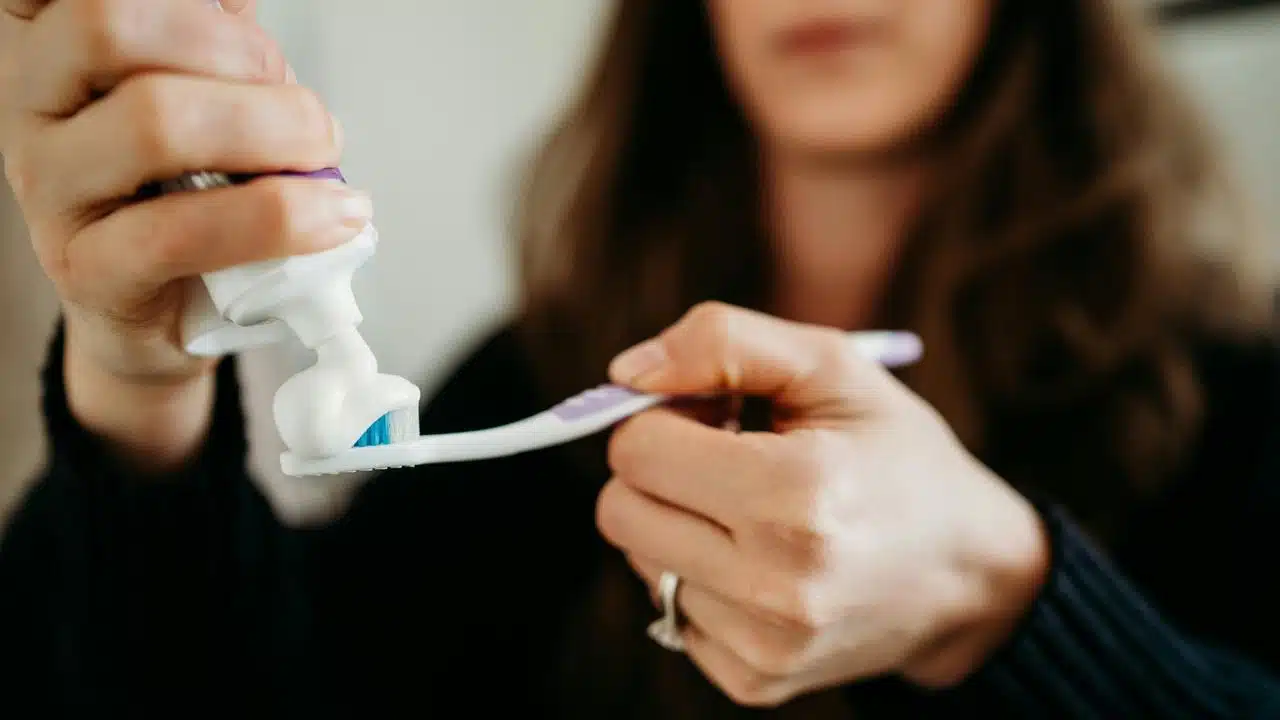
Some toothpastes use tiny plastic beads to help scrub your teeth. They’re so small you barely notice them, but they can end up in waterways after you spit.
It’s wild to think a product designed to make your mouth cleaner might be adding plastic to your day. Polished teeth, polluted sink.
8. Canned foods
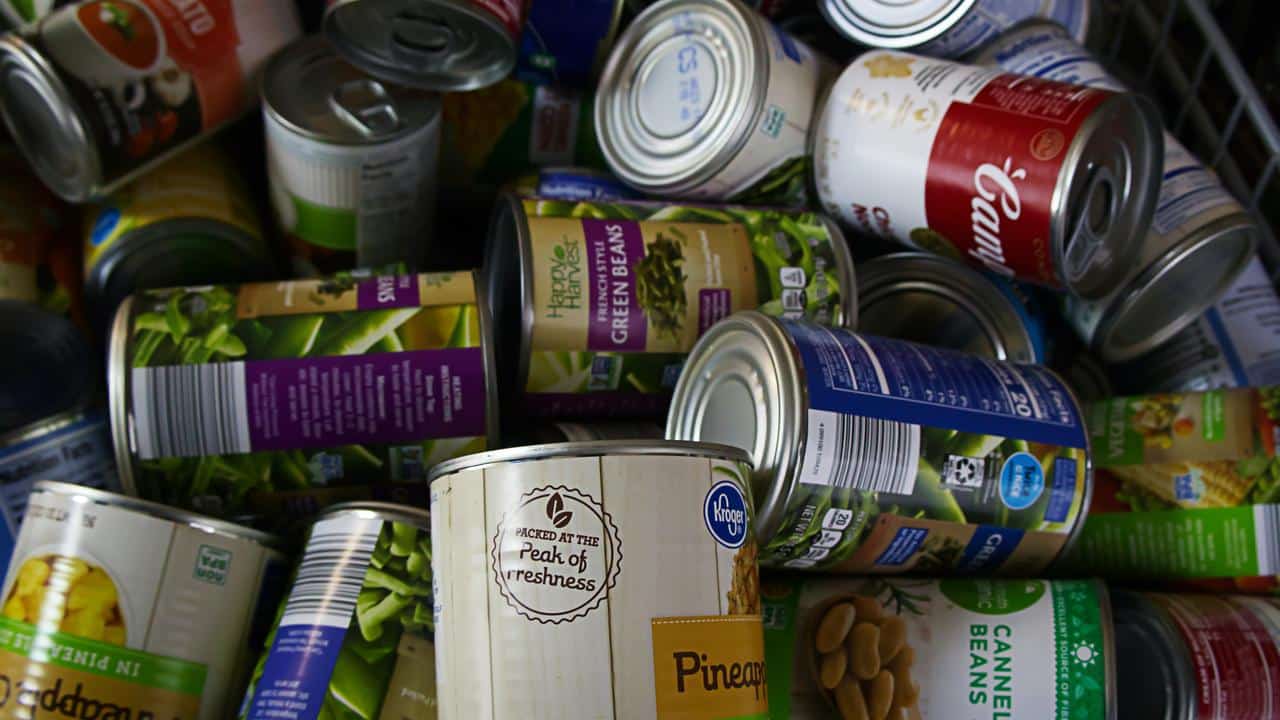
A lot of cans are lined with a plastic coating to prevent rust and keep the food tasting fresh. Over time, that coating can shed microplastics into whatever’s inside.
It doesn’t matter if it’s soup, beans, or fruit. If it’s in a can, there’s a chance you’re getting a pinch of plastic along with your meal.
9. Sponges
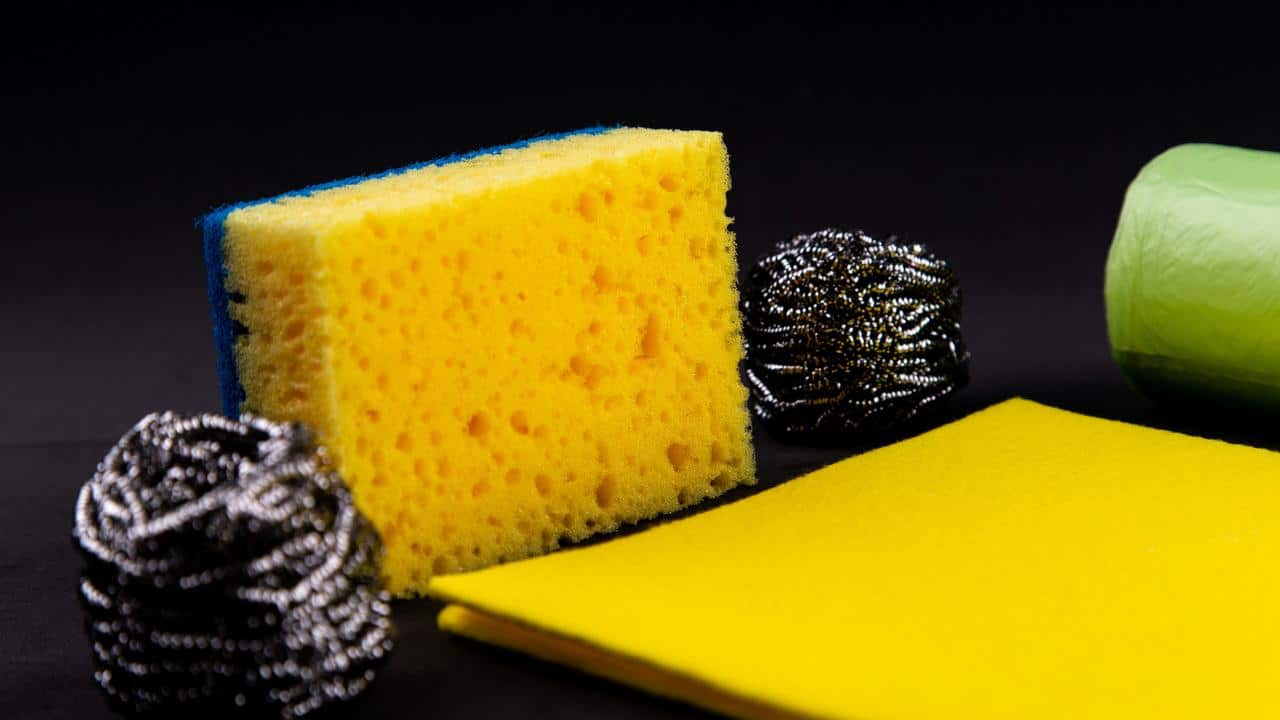
Kitchen sponges often contain synthetic fibers that break down during use. Every time you scrub a dish, you could be sending microscopic bits of plastic down the drain.
It’s easy to forget sponges wear out, not just visually, but on a microscopic level. By the time you toss one, pieces of it have already traveled far from your sink.
10. Sea salt
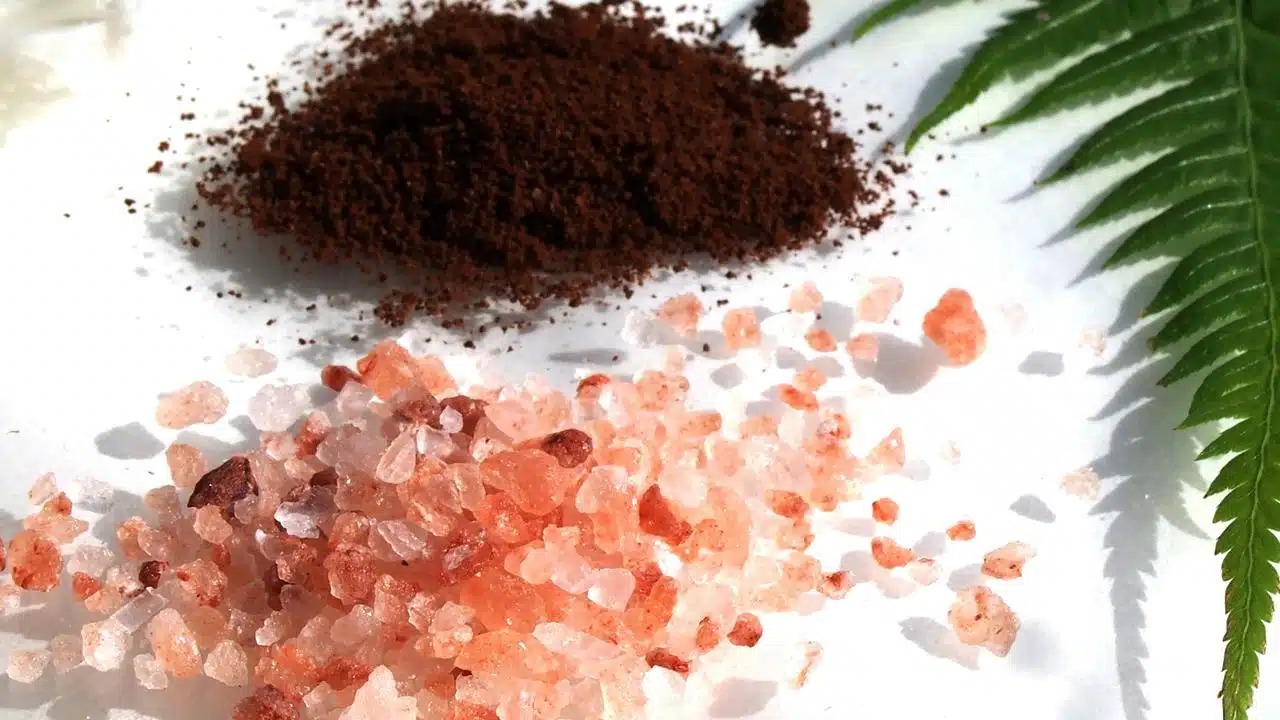
Sounds pure, but sea salt can contain traces of microplastics from polluted oceans. It’s like seasoning your food with a dash of the modern world’s leftovers.
The salt still does its job, but there’s an invisible bonus that no recipe calls for. Makes that “just a pinch” feel like a bit more than you bargained for.
11. Face scrubs
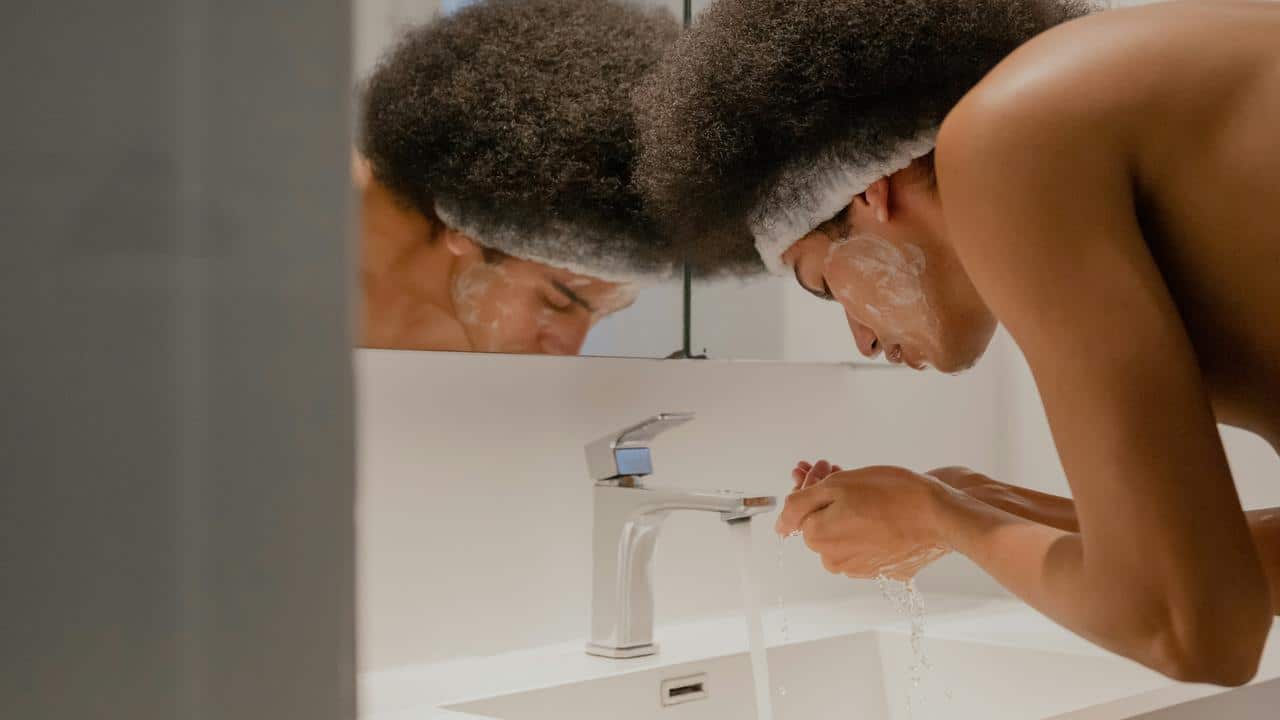
Exfoliating scrubs sometimes use plastic microbeads as the gritty part. They’re tiny and smooth to the touch. But instead of dissolving, they just slip into the environment after you rinse.
It’s like washing your face with beads that never stop traveling. Your skin feels fresh, but the planet takes on the leftovers.
12. Synthetic carpets and rugs
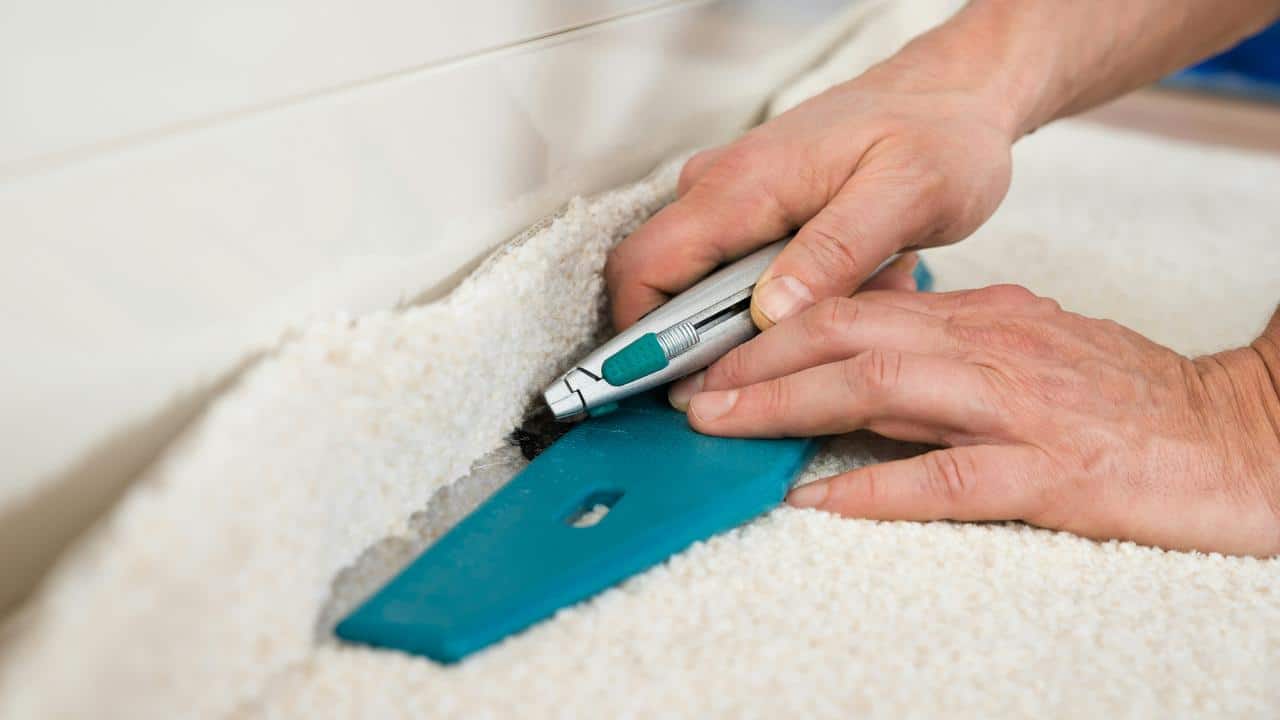
That cozy rug in your living room might be shedding microplastics every time you walk across it. Synthetic fibers break down with use, and vacuuming can send them into the air you breathe.
They don’t just stay in one place either. Those tiny bits can cling to dust, float around your home, and hitch a ride on your clothes without you even noticing.
13. Plastic cutting boards
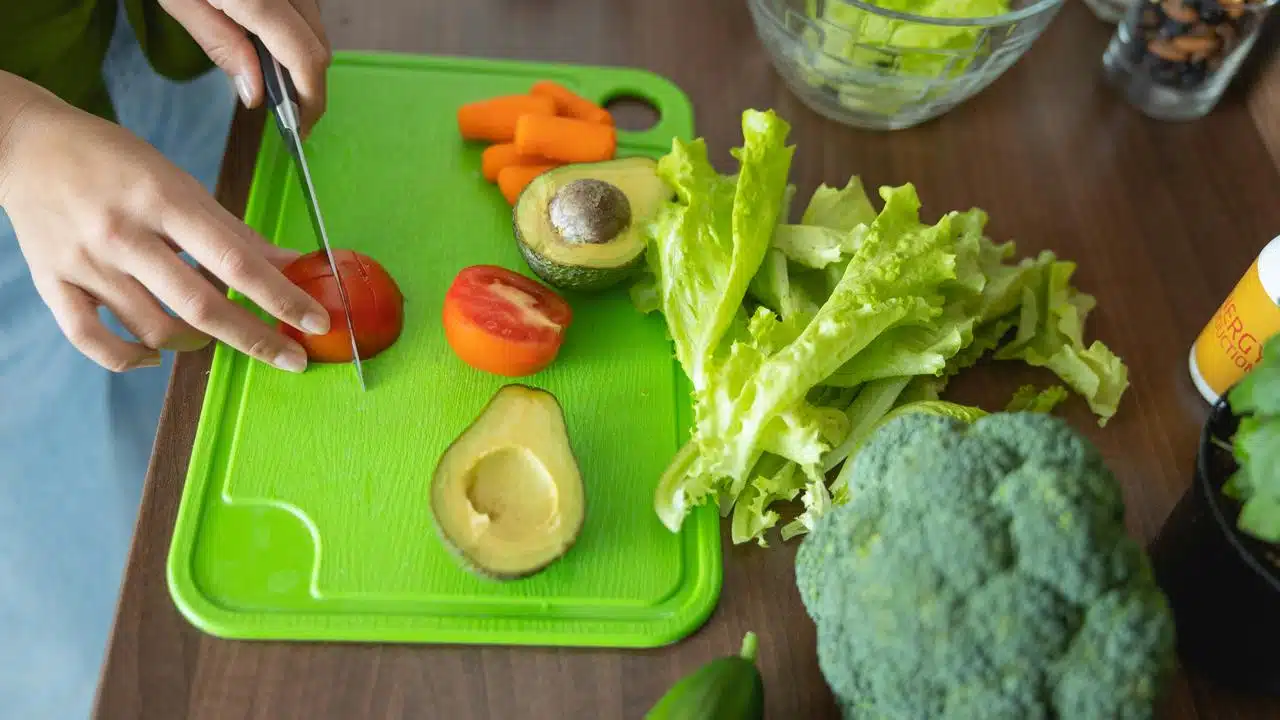
Every time you slice or chop on a plastic cutting board, small pieces can flake off into your food. It’s not visible, but it’s there.
Even careful chopping can send micro shavings into whatever you’re preparing. The board survives, but it leaves a little of itself behind.
14. Makeup
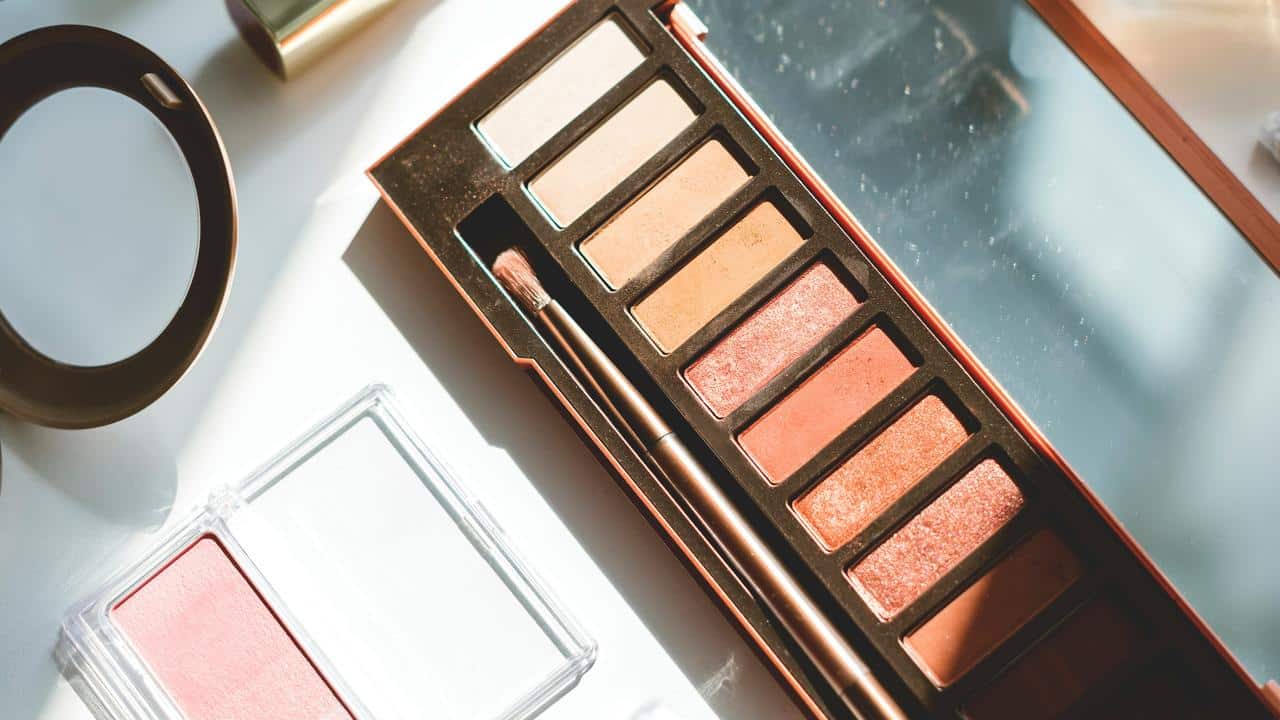
Certain cosmetics use microplastics to help with texture or shine. Foundation, glitter products, and some powders can contain them without you realizing.
When you wash them off, the particles slip into the water supply and keep traveling from there.
15. Laundry pods
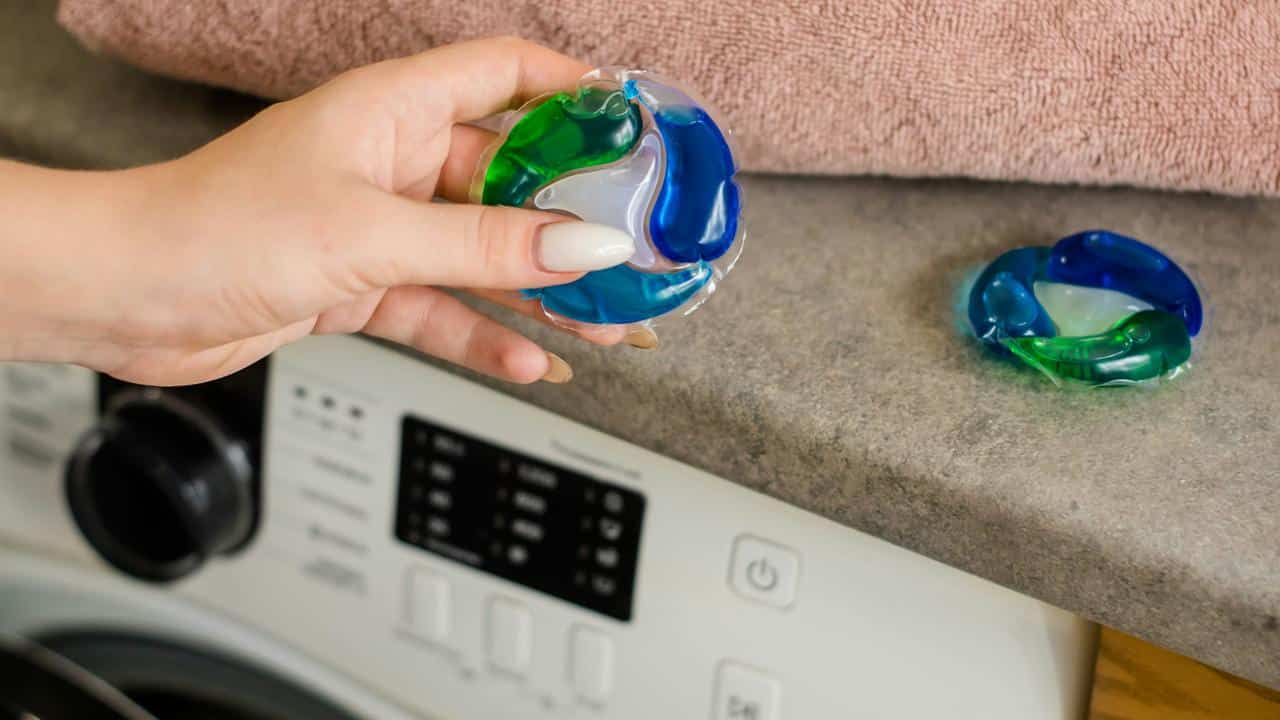
Those convenient pods are often wrapped in a dissolvable film that can still leave behind microscopic plastic residue. It’s all neat and tidy in the washing machine, but the remnants can pass through water systems long after your clothes are squeaky clean.
It’s a reminder that even “mess-free” solutions can carry invisible baggage. Clean clothes? Sure. But microplastics? Still there.








Ask Me Anything